
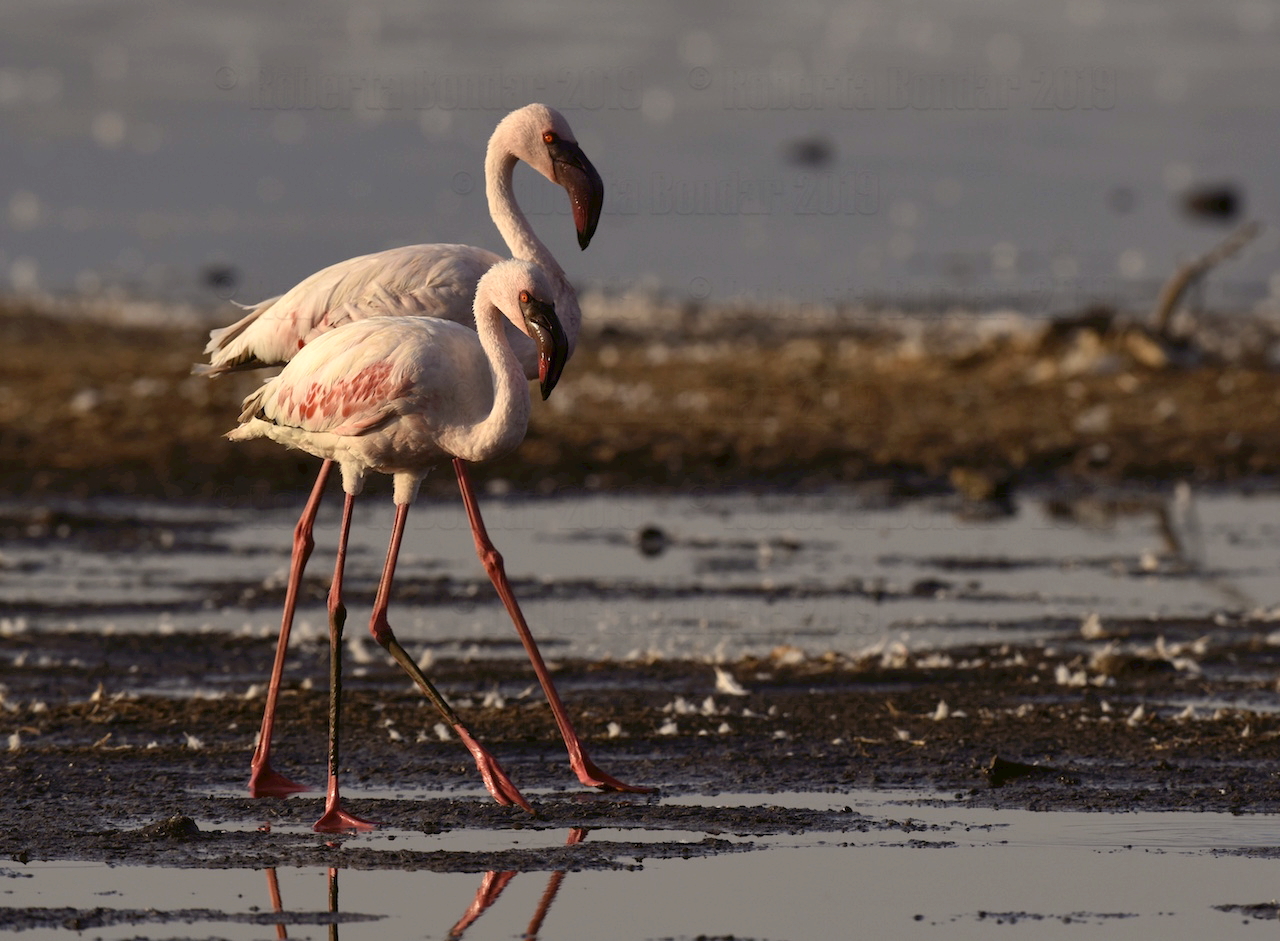
How to Photograph Flamingos on the Rift Valley Lakes
There are times in wildlife photography when what you see in front of you feels like a dream. Thousands of flamingos gather in the salty water. The pink and coral feathers of the flamingos glow against the lake and quiet hills rise up in the distance. The air is full of life as the birds feed clean their feathers make noise and then all fly away at once. Learning how to photograph flamingos on the Rift Valley lakes lets you save these moments while seeing one of the most amazing sights in East Africa.
The Rift Valley lakes in Kenya and Tanzania are places for flamingo photography. Lakes like Nakuru, Bogoria and Manyara often have groups of these pretty birds. However the number of birds changes based on the water the food, the weather and the time of year. This means every trip will feel different. One morning you might see a shore full of resting flamingos and later that day you might see thousands of flamingos taking flight.
Understanding the Flamingo Environment
Before you pick up your camera take a moment to look at the land. Flamingos are always reacting to what’s happening around them. Their behavior can change in a heartbeat. They might feed quietly for a time and then suddenly wake up and move through the water. If you understand these patterns you can get ready for a photo of just trying to catch up.
Watch Before You Shoot
Patience is an important skill to learn. Watch where the birds are eating. Notice which way the birds are moving. Look for things they do over and again. Flamingos often put their heads in the water to eat clean their feathers stretch their wings or talk to other birds.
These small movements make better photos than just a picture of a bird standing still. A flamingo lifting one wing can show the patterns on the feathers. Two birds touching bills can show how the birds interact. A big group of flamingos walking through the water can create shapes.
The light also changes how the scene feels. The early morning gives you light and nice reflections on the water. The late afternoon brings colors. The bright sun at noon can make the light, on the feathers too strong which makes it hard to take a good photo. If you can try to spend time photographing flamingos around sunrise and sunset.
Choose the Right Camera Settings
Flamingos can be challenging subjects because flamingos combine bright feathers with fast movement. Camera settings need to respond when a flock of flamingos takes flight.
When flamingos stand or feed a shutter speed of 1/1000 second provides enough control for crisp images. When flamingos begin to fly increasing the shutter speed to 1/1600 or 1/2000 second helps freeze wing movement. Using autofocus and burst shooting allows following a flamingo through several stages of movement.
A telephoto lens of 300mm to 600mm is particularly useful. That lens allows photographing flamingos without approaching too closely while also giving enough reach to isolate groups across the water. If environmental photographs are desired a shorter lens shows the relationship between flamingos, water, mountains and sky.
Keeping ISO flexible is important. Good light may allow using ISO 100 or 200. Cloudy conditions or fast shutter speeds may require ISO 400, 800 or higher. A higher ISO is usually preferable to a blurred photograph caused by insufficient shutter speed.
Use Composition to Tell a Story
Strong flamingo photography is about more than getting a flamingo in the frame. Composition can turn a wildlife photograph into an image that communicates place, movement and atmosphere.
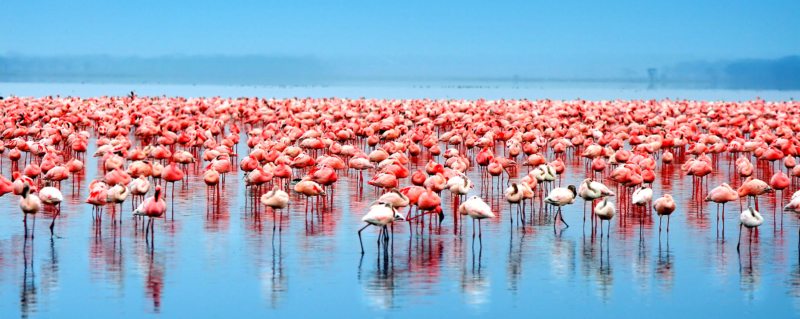
One effective approach is photographing patterns. Large groups of flamingos create lines, curves and clusters across the water. Of focusing on one flamingo look for a composition that includes several layers of the flock.
Another approach is isolation. Find a flamingo surrounded by open water and allow negative space to become part of the photograph. This creates a elegant image that contrasts with photographs showing huge concentrations of flamingos.
Reflections can also add interest. When the lake surface is calm a flamingo standing in water may produce a beautiful reflection. Positioning yourself carefully. Watching the angle is important. Moving a few steps can change the relationship between the flamingo, its reflection and the background.
Leave Room for Movement
Leave room for movement. When photographing a flamingo walking, running or flying leave space in front of the flamingo. This gives the photograph a sense of direction. If a flamingo is flying toward the side of the frame positioning it slightly to the left can make the image feel more balanced.
For groups in flight avoid concentrating on the nearest flamingo. Looking at the flock is better. A photograph showing dozens of flamingos lifting off together can communicate scale and energy in a way that an individual portrait cannot.
Photograph Flamingos in Flight
Photograph flamingos in flight. Some of the exciting opportunities come when flamingos leave the water. A flock may appear calm one moment. Then rise suddenly creating a wave of wings across the lake.
Learning how to photograph flamingos on the Rift Valley lakes becomes especially rewarding when anticipating these takeoffs. Watching for flamingos becoming restless turning their bodies into the wind or beginning to move through shallow water can indicate that flight is about to happen.
Tracking the flamingo smoothly and keeping the focus point on the flamingos body or head is important. Avoid stopping after one frame. Continuing to shoot as the wings rise, spread and move downward often results in the striking photograph several frames after the initial takeoff.
Trying to photograph both flamingos and large groups is useful. A close image reveals feather detail while a wider composition shows the scale of the flock.
Make the Most of Changing Weather
Make the most of changing weather. Assuming that clear skies always provide the conditions is not correct. Clouds soften the light. Reduce harsh contrast on bright feathers. Overcast weather can also create a subdued atmospheric photograph.
Wind changes the appearance of the lake. Can influence flamingo behavior. Stronger winds may create water and encourage flamingos to reposition themselves. Calm conditions on the hand are ideal for reflections.
If rain arrives, protecting equipment and remaining patient when conditions are safe is important. Wet feathers can create textures and the landscape may appear dramatically different, after a passing storm.
Respect the Birds and Their Habitat
Good wildlife photography starts with behavior. Flamingos require space to feed, rest and interact naturally. Avoid actions that deliberately disturb a flock just to create a photograph.
Follow park. The instructions of your guide. Stay on designated routes where required, keep a distance and avoid loud behavior around sensitive areas. Never encourage flamingos to move, fly or change direction for the sake of a picture.
The best photographs often come when you allow flamingos to behave naturally. Your role is to observe, anticipate and respond.
Let the Landscape Stay in the Frame
It can be tempting to use a lens for every photograph but some of the most memorable images need context. Include the shoreline, surrounding hills, distant vegetation or expansive lake when these elements strengthen the composition.
The landscape explains where the photograph was made. A flock of flamingos against a Rift Valley lake can communicate a stronger sense of place than a tightly cropped portrait.
Build Your Photographic Story
A rewarding photography trip should produce more than a collection of similar portraits. Try to create a sequence of images that represents the experience. Begin with a landscape move to groups of feeding flamingos photograph individual flamingos capture interactions and finish with flamingos flying across the water.
This approach gives photographs variety. Creates a visual record of the day. You might return home with an image of sunrise over the lake another showing thousands of flamingos feeding and a final photograph of flamingos disappearing toward the horizon.
How to photograph flamingos on the Rift Valley lakes is therefore partly a question and partly a lesson in observation. Camera settings matter,. Patience, timing, composition and respect for wildlife often make the greatest difference.
Find Beauty in the Unexpected
Do not measure success by the number of photographs you capture. Wildlife rarely follows a script. The lake may be quiet flamingos may remain away or weather may change without warning. These conditions are part of the experience.
Sometimes the photograph you remember most will be unexpected: one flamingo standing alone at sunrise a ripple spreading behind a feeding flamingo or hundreds of wings rising together after a disturbance.
With practice you will begin to recognize moments before they happen. You will become more comfortable with equipment more patient with wildlife and more aware of light around you.
The real joy of how to photograph flamingos on the Rift Valley lakes comes from learning to see the scene as a living environment than a collection of subjects. When you slow down observe carefully and allow flamingos to guide the rhythm of photography every visit can become a visual story.
Whether you are using a telephoto lens or a modest camera essential ingredients remain the same: good preparation, respectful behavior, careful observation and willingness to wait. The Rift Valley lakes offer opportunities but strongest photographs will come from being present when nature provides the moment.
When thousands of flamingos rise together from the water filling the sky with beating wings you may find that the photograph becomes more, than a picture. It becomes a memory of a landscape, a fleeting encounter and a reason to keep exploring East Africas remarkable birdlife.

No comment