How to Fish Sustainably in East Africa: A Guide to Preserving Our Waters for Future Generations
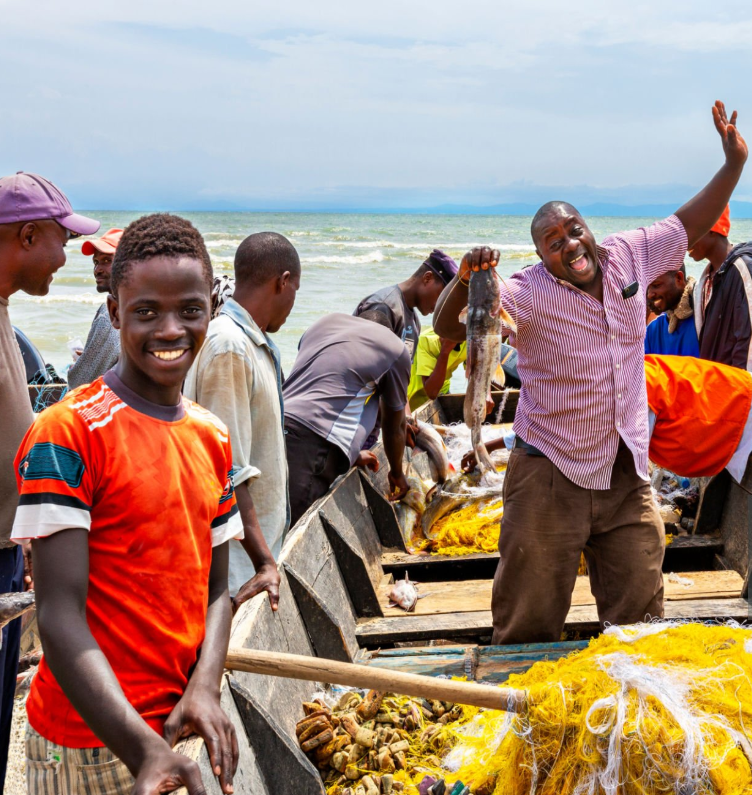
Fishing is not just an economic activity in East Africa—it’s a way of life. Millions of people depend on fish for food, income, and cultural traditions. However, overfishing, destructive practices, and climate change threaten the health of our waters. The good news? How to Fish Sustainably is a question we can answer with practical solutions that protect marine ecosystems while supporting livelihoods.
This guide explores sustainable fishing techniques, policies, and community efforts that can help East Africa preserve its aquatic resources. Whether you’re a small-scale fisher, a policymaker, or an environmental advocate, this article will inspire you to take action for a healthier, more sustainable future.
Why Sustainable Fishing Matters in East Africa
East Africa’s waters—from the Indian Ocean to Lake Victoria and beyond—are rich in biodiversity. Fish like Nile perch, tilapia, and tuna are vital for food security and export revenue. However, unsustainable practices such as:
Overfishing – Catching fish faster than they can reproduce.
Illegal, Unreported, and Unregulated (IUU) Fishing – Depleting stocks beyond legal limits.
Destructive Gear Use – Bottom trawling and fine-mesh nets that harm habitats.
…have led to declining fish populations. According to the FAO, nearly 90% of global fish stocks are overfished or fully exploited. In East Africa, this threatens food security and economic stability.
The Benefits of Sustainable Fishing
Long-Term Food Security – Ensuring fish populations thrive for future generations.
Economic Stability – Supporting fisher livelihoods without depleting resources.
Biodiversity Protection – Preserving coral reefs, mangroves, and aquatic species.
How to Fish Sustainably: Best Practices for East Africa
Adopting sustainable fishing methods is crucial. Below are key strategies that can make a difference.
1. Use Selective Fishing Gear
Not all fishing gear is created equal. Some methods, like dynamite fishing or fine-mesh nets, destroy marine life indiscriminately. Instead, fishers should use:
| Sustainable Gear | Why It Helps |
|---|---|
| Hook-and-Line Fishing | Targets specific species, reducing bycatch. |
| Fish Traps & Pots | Allows undersized fish to escape, preserving stocks. |
| Gillnets with Larger Mesh | Prevents catching juvenile fish. |
2. Follow Fishing Regulations & Seasonal Bans
Many East African countries have laws to prevent overfishing, such as:
Closed Seasons – Protecting breeding periods (e.g., Kenya’s octopus fishing ban).
Size Limits – Ensuring fish reach reproductive age before being caught.
Marine Protected Areas (MPAs) – No-fishing zones to allow ecosystems to recover.
| Country | Key Sustainable Fishing Regulation |
|---|---|
| Kenya | Ban on beach seines & destructive gear. |
| Tanzania | Seasonal closures for octopus fishing. |
| Uganda | Restrictions on Nile perch fishing in Lake Victoria. |
3. Support Community-Based Fisheries Management
Local fishers often know their waters best. Community-led initiatives, such as:
Beach Management Units (BMUs) in Kenya.
Co-Management Programs in Zanzibar.
…help enforce sustainable practices while empowering fishers.
4. Promote Aquaculture (Fish Farming)
With wild fish stocks declining, responsible aquaculture can reduce pressure on oceans. Tilapia and catfish farming, when done sustainably (without excessive antibiotics or habitat destruction), can supplement wild catches.
5. Reduce Post-Harvest Losses
Up to 40% of fish caught in Africa is lost due to poor handling and storage. Improving cold storage, smoking techniques, and transportation can ensure more fish reaches markets without needing to catch more.
Success Stories: Sustainable Fishing in Action
1. Kenya’s Octopus Fisheries Recovery
In 2019, a temporary fishing ban in parts of the Kenyan coast led to a 300% increase in octopus populations, proving that seasonal closures work.
2. Tanzania’s Locally Managed Marine Areas (LMMAs)
Villages in Pemba and Mafia Island have restored fish stocks by setting aside no-take zones, leading to bigger catches in surrounding areas.
3. Uganda’s Nile Perch Management
Strict quotas and monitoring in Lake Victoria have helped stabilize Nile perch populations, though challenges remain.
What You Can Do to Support Sustainable Fishing
Whether you’re a fisher, consumer, or policymaker, everyone has a role:
✅ Choose Sustainable Seafood – Look for certifications like MSC (Marine Stewardship Council).
✅ Avoid Illegal Fish – Report undersized or illegally caught fish to authorities.
✅ Educate Others – Share knowledge on How to Fish Sustainably in your community.
✅ Support Eco-Friendly Policies – Advocate for stronger fishing regulations.
A Call to Action
The future of East Africa’s fisheries depends on the choices we make today. By adopting sustainable practices, enforcing regulations, and empowering local communities, we can ensure that fish remain abundant for generations to come.
How to Fish Sustainably isn’t just a technique—it’s a commitment to our oceans, our economy, and our children’s future. Let’s work together to protect East Africa’s waters before it’s too late.
Why Kenya’s 300% Octopus Recovery Genuinely Proves Temporary Closures Deliver Measurable Results
This dramatic rebound genuinely demonstrates that short-term sacrifice, a temporary ban on fishing, can genuinely produce outsized long-term gains, offering a concrete, data-backed case study that other communities considering similar closures can genuinely point to as evidence the approach works.
How Community-Based Fisheries Management Genuinely Outperforms Top-Down Regulation Alone
Since local fishers genuinely understand their specific waters better than distant regulators, initiatives like Kenya’s Beach Management Units genuinely combine enforcement with buy-in from the people most affected, making compliance genuinely more likely than rules imposed without local input.
Why Reducing Post-Harvest Losses Genuinely Represents an Underappreciated Conservation Strategy
Since nearly 40% of caught fish genuinely goes to waste through poor handling, genuinely improving storage and transportation infrastructure can meaningfully ease pressure on wild stocks without requiring a single fisher to change how they actually catch fish. This approach genuinely deserves more attention than it typically receives in sustainability conversations.
What Makes Responsible Aquaculture Genuinely a Complement to Wild Catch Rather Than a Replacement
When done without excessive antibiotics or habitat destruction, genuinely tilapia and catfish farming can supplement wild catches without simply shifting environmental damage from ocean to pond, making sustainable aquaculture genuinely part of a balanced solution rather than a standalone fix.
Why Marine Protected Areas Genuinely Function as Insurance Policies for Surrounding Fishing Grounds
No-take zones genuinely allow fish populations to recover undisturbed, and the resulting overflow genuinely benefits surrounding areas as populations naturally spread beyond the protected boundary, meaning these zones genuinely support rather than restrict overall fishing productivity in the long run.
How Choosing MSC-Certified Seafood Genuinely Gives Consumers Real Influence Over Fishing Practices
Every purchase decision genuinely sends a market signal, and consumers who consistently choose certified sustainable seafood genuinely create demand that incentivizes more fishers and suppliers to adopt responsible practices over time.
Why Understanding Sustainable Fishing Genuinely Enriches a Coastal or Lakeside Safari Experience
Travelers who understand the conservation efforts behind East Africa’s fisheries genuinely gain deeper appreciation for coastal and lake-based excursions, connecting a boat trip or fishing activity to the broader ecological story rather than treating it as disconnected recreation. All in Africa Safaris can incorporate sustainable fishing experiences and coastal conservation insights into your East Africa itinerary.
Why Kenya, Tanzania, and Uganda’s Different Regulations Genuinely Reflect Each Country’s Specific Ecological Priorities
Kenya’s ban on destructive gear, Tanzania’s seasonal octopus closures, and Uganda’s Nile perch restrictions each genuinely target the specific threats most pressing to their own waters, showing that effective sustainable fishing policy genuinely requires tailored, location-specific solutions rather than one uniform regional approach.
How Zanzibar’s Locally Managed Marine Areas Genuinely Demonstrate the Power of Bottom-Up Conservation
Villages in Pemba and Mafia Island genuinely set aside their own no-take zones without waiting for top-down government mandates, and the resulting bigger catches in surrounding waters genuinely prove that community-driven conservation can deliver results comparable to formal regulatory programs.
Why Selective Gear Genuinely Protects Both Target Species and the Broader Ecosystem Simultaneously
Hook-and-line fishing and larger-mesh gillnets genuinely reduce bycatch of non-target species while also allowing juvenile fish to escape and mature, meaning the right gear choice genuinely delivers conservation benefits on multiple fronts at once rather than solving just one narrow problem.
How the 90% Global Overfishing Statistic Genuinely Underscores Why Regional Action Alone Isn’t Enough
Since nearly all global fish stocks genuinely face overfishing or full exploitation, East Africa’s local conservation efforts genuinely matter as part of a much larger global pattern, meaning regional success stories genuinely contribute to a worldwide challenge that no single country can solve alone.
Why IUU Fishing Genuinely Undermines Legitimate Fishers’ Livelihoods More Than It First Appears
Illegal, unreported, and unregulated fishing genuinely doesn’t just deplete stocks, it genuinely undercuts fishers who follow the rules, since illegally caught fish still enter the same markets and compete against legally caught catches, creating unfair economic pressure alongside the ecological damage.
Why Reporting Illegal Catches Genuinely Empowers Ordinary Consumers to Play a Direct Enforcement Role
Since authorities genuinely can’t monitor every market and dock simultaneously, consumers who report undersized or suspiciously caught fish genuinely become an extended layer of enforcement, turning individual vigilance into a meaningful part of the broader sustainability system.
How Educating Others About Sustainable Fishing Genuinely Multiplies Individual Impact Over Time
Sharing this knowledge within your own community genuinely extends the reach of conservation efforts far beyond what any single person’s fishing or purchasing choices alone could achieve.
Planning Your East Africa Adventure
From Kenya’s octopus recovery to Uganda’s Nile perch management, genuinely East Africa’s fisheries reflect a region actively working toward sustainability. All in Africa Safaris can turn this overview into a fully confirmed itinerary tailored to your travel dates.