How to Build an East Africa Trip Around School Holidays
Understanding the School Holiday Calendar in East Africa
Before you can plan a trip around school holidays, you need to understand when those holidays actually fall. Across East Africa, the school calendar follows a broadly similar pattern, though specific dates can vary between countries and individual schools. Generally, the academic year in Kenya, Tanzania, and Uganda is divided into three terms, with holidays occurring in April, August, and December. These breaks typically align with the end of each term, giving families a predictable framework for planning travel. For instance, schools in Uganda and Kenya generally break in April for the first holiday, August for the second, and December through early January for the long end-of-year break. Tanzania follows a similar rhythm, with holidays in April, June or July, and December. Understanding these dates is the first and most crucial step in building a successful trip, as it allows you to match your travel plans with the periods when your children will be free from school obligations.
Why School Holidays Are the Perfect Time for an East African Safari
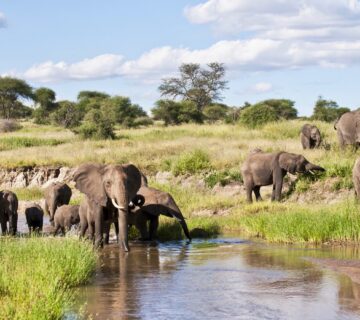
A school holidays present a unique opportunity for families to experience the magic of East Africa together. These breaks are not just about time off from school; they are a chance to create lasting memories and provide children with educational experiences that go far beyond the classroom. An East African safari during the holidays allows families to explore incredible biodiversity, witness iconic wildlife like the Big Five, and engage with diverse cultures. It is a chance to turn learning into an adventure, where children can see elephants roaming in Amboseli or study chimpanzee behavior in Kibale Forest, bringing textbooks to life. Moreover, traveling during school holidays means you do not have to worry about your children missing important lessons or falling behind, making it a stress-free way to take a family vacation. However, it is important to note that these periods are also peak travel times, so planning well in advance is essential to secure the best experiences and accommodations.
The Best Times of Year for a Family Safari
While school holidays set the dates, the quality of your safari experience will depend heavily on the weather and wildlife patterns during those periods. Generally, the best time for a family safari in East Africa is during the dry seasons, which typically run from June to October and January to February. During these months, wildlife is easier to spot because vegetation is less dense, and animals congregate around shrinking water sources, making game drives more productive and enjoyable for children. The weather is also more comfortable, with cooler mornings and sunny days that are perfect for outdoor activities.
The long holiday break in December and January falls within this excellent dry period, making it an ideal time for a family trip. The weather is warm and dry, and wildlife gathers around water sources. For those looking for a shorter break, the April holidays occur during the shoulder season or the start of the long rains. While this can mean lush green landscapes and lower prices, it is also a time when some roads may be muddy, and wildlife can be more dispersed. The August holiday is another fantastic window, as it coincides with the peak of the Great Migration in Kenya’s Maasai Mara, offering some of the most spectacular wildlife viewing on Earth.
Planning for the December and January Long Break
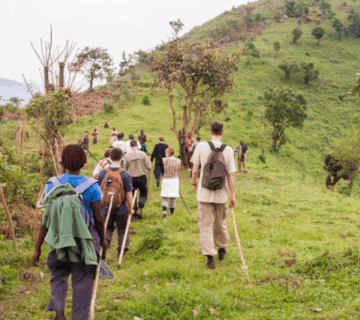
The December to January holiday is the longest school break and offers the greatest flexibility for an extended family adventure. This period is peak season across East Africa, with fantastic weather and excellent wildlife viewing opportunities. In the Serengeti, the wildebeest herds gather in the southern plains for the calving season, while the Masai Mara offers excellent resident game with fewer vehicles than in the peak summer months. For families interested in gorilla trekking in Uganda or Rwanda, the dry season means easier trekking conditions. However, this popularity comes with a price. Expect premium rates, often twenty to forty percent above standard, and book at least six months in advance to secure your preferred accommodations and activities. For gorilla permits, which are limited and in high demand, booking even earlier is advisable. The festive atmosphere adds a special touch to bush dinners and sundowners, making this a truly memorable time for a family safari.
Making the Most of the April Break
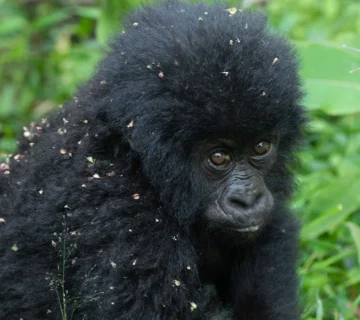
The April school holiday, often aligning with Easter, presents a different set of opportunities and considerations. This period falls during the shoulder season in most of East Africa, when the long rains begin. While this might sound like a drawback, it actually brings several advantages for families. The landscapes are lush and green, creating stunning scenery and perfect conditions for photography. The rains also mean fewer tourists, leading to more intimate wildlife encounters. Perhaps most appealing for families on a budget, lodges often offer significant discounts of twenty to thirty percent during this time. It is a wonderful opportunity to experience East Africa without the crowds and at a more affordable price. However, be prepared for muddy roads in some remote areas, which is why a four-by-four vehicle is recommended, and plan for slightly longer transfer times. Gorilla trekking is still excellent, as the gorillas are present year-round, and chimpanzee trekking in Kibale Forest is also highly rewarding.
The August Holiday and the Great Migration
For many families, the August school holiday represents the ultimate safari experience. This is the absolute peak season for European and international travelers, and for good reason. It coincides with East Africa’s most spectacular wildlife period, when the Great Migration arrives in Kenya’s Maasai Mara. Millions of wildebeest and zebra pour across the Mara River in dramatic crossings, a sight that is the single most sought-after wildlife experience on Earth. Uganda and Rwanda also offer dry, comfortable conditions for gorilla trekking during this time. However, this peak popularity means popular lodges and camps sell out six to twelve months ahead for July and August, and gorilla permits for August should be booked by January at the latest. If you are dreaming of witnessing a river crossing, this is the time to go, but you must be prepared to plan far in advance and pay premium prices.
Choosing Your Destinations for Family Travel
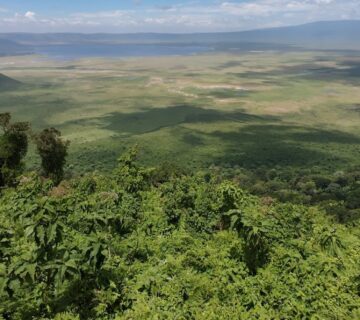
East Africa offers a wealth of destinations that are perfect for family travel during school holidays. Kenya’s Maasai Mara is world-renowned for its predator populations and the Great Migration. Tanzania’s Serengeti and Ngorongoro Crater offer incredible wildlife viewing in a natural amphitheater teeming with animals. For a more unique experience, Uganda’s Bwindi Impenetrable Forest and Kibale National Park offer the chance to trek with mountain gorillas and chimpanzees. Each destination caters to different interests and age groups. For younger children, shorter game drives in parks like Lake Nakuru or Tarangire, which are known for their large elephant populations and diverse birdlife, can be ideal. For older children and teenagers, the adventure of gorilla trekking or the thrill of a river crossing in the Maasai Mara can be life-changing. Many parks also offer family-friendly accommodations and accessible game drives, making it easier to enjoy the safari experience with children.
Creating a Sample Itinerary for a Two-Week Trip
To illustrate how a school holiday trip can be structured, here is a sample itinerary for a ten to fourteen-day family safari in Uganda and Kenya. This itinerary balances wildlife experiences with cultural interactions and a bit of rest. Day one would be arrival in Entebbe, with an orientation and overnight stay at a student-friendly hotel. Days two and three could be spent at the Ziwa Rhino Sanctuary for rhino tracking and then traveling to Murchison Falls National Park for a game drive and a boat cruise on the Nile. Days four and five could involve a transfer to Kibale Forest, with a forest ecology class en route, followed by chimpanzee trekking. Days six and seven could see the family travel to Queen Elizabeth National Park, with a game drive and a Kazinga Channel boat cruise. Days eight and nine could be dedicated to a community service project or cultural exchange with a local school, followed by a return to Kampala. Day ten would be departure. This itinerary demonstrates how to blend education, adventure, and cultural interaction into a coherent and memorable trip.
Booking Flights and Accommodations
Securing flights and accommodations is one of the most critical steps in planning a school holiday trip. For popular holiday periods like Christmas and August, it is essential to book flights from Europe or other international hubs by August for the Christmas break, as airlines release holiday fares early. Setting price alerts can help you snag a good deal. For summer travel, European airlines often increase capacity to East Africa, so watch for fare sales from major carriers. For accommodations, the lead time is even more crucial. Popular lodges and camps in the Maasai Mara and Serengeti can sell out six to twelve months in advance for the peak migration season. Gorilla permits, which are strictly limited, often need to be booked six months or more ahead for popular travel periods. Working with a reputable tour operator can simplify this process, as they have established relationships and can secure permits and accommodations on your behalf.
Cost Considerations and Budgeting
A family safari during school holidays is a significant investment, but it is one that can be managed with careful planning. The cost is influenced by several factors, including the time of year, the destinations you choose, and the level of luxury you prefer. Peak seasons like December and August command premium rates, while the April shoulder season can offer significant savings. Choosing parks that are less crowded and more affordable, such as Lake Mburo in Uganda or Tarangire in Tanzania, can also help reduce costs. Many operators offer group discounts, and traveling with a small group can make the trip more affordable. It is also possible to arrange payment plans with some tour operators to spread the cost over several months. A ten-day trip for a family during the April holidays, for example, can be considerably less expensive than a similar trip in August. Setting a clear budget early in the planning process and working with an operator to create an itinerary that fits it is the best way to ensure a stress-free and financially manageable trip.
Health and Safety for Family Travel
When traveling with children, health and safety are paramount. East Africa is generally a safe destination for family travel, but it requires careful preparation. It is essential to visit a travel health clinic well in advance of your trip to discuss recommended vaccinations and antimalarial medication. Travel insurance that includes medical evacuation is a must, as European health cards do not cover medical costs in Africa. While on safari, it is important to follow the guides’ instructions at all times, particularly during game drives and walks. For families with younger children, it is wise to book short, engaging game drives suited to their attention spans and include picnic breaks and kid-friendly activities between drives. Encouraging children to spot wildlife with binoculars and cameras and sharing fun facts about the animals can make the experience interactive and educational. Reputable tour operators prioritize safety and will ensure that all activities and accommodations are suitable for families.
Involving Children in the Planning Process
A school holiday trip becomes even more special when children are involved in the planning process. Before you go, you can engage them with pre-trip lessons about East African wildlife, geography, and cultures. Let them help choose some of the activities they are most excited about, whether it is tracking gorillas, seeing elephants, or visiting a local school. Providing them with their own camera, binoculars, and a journal to record their observations can keep them engaged during the trip and create a lasting keepsake. On the safari, many lodges offer tailored educational programs, including wildlife lectures and conservation workshops, which can deepen their understanding and appreciation of the experience. By making the trip a shared family project, you not only build excitement but also create a more meaningful and educational adventure for everyone.
Conclusion: Creating Unforgettable Family Memories
Building an East Africa trip around school holidays is an endeavor that promises immense rewards. It allows families to explore one of the world’s most spectacular regions without the stress of pulling children out of school, and it offers a unique opportunity for experiential learning and bonding. Whether you choose the dry, peak seasons of December and August for the best wildlife viewing and the Great Migration, or the greener, quieter months of April for better value and lush landscapes, there is a perfect safari waiting for your family. The key to success lies in understanding the school holiday calendar, aligning it with the best wildlife seasons, and planning far in advance to secure flights, accommodations, and permits. With careful preparation and the help of experienced tour operators, a school holiday safari in East Africa can be an unforgettable journey that creates cherished memories and a lifelong love of nature and adventure for the entire family.