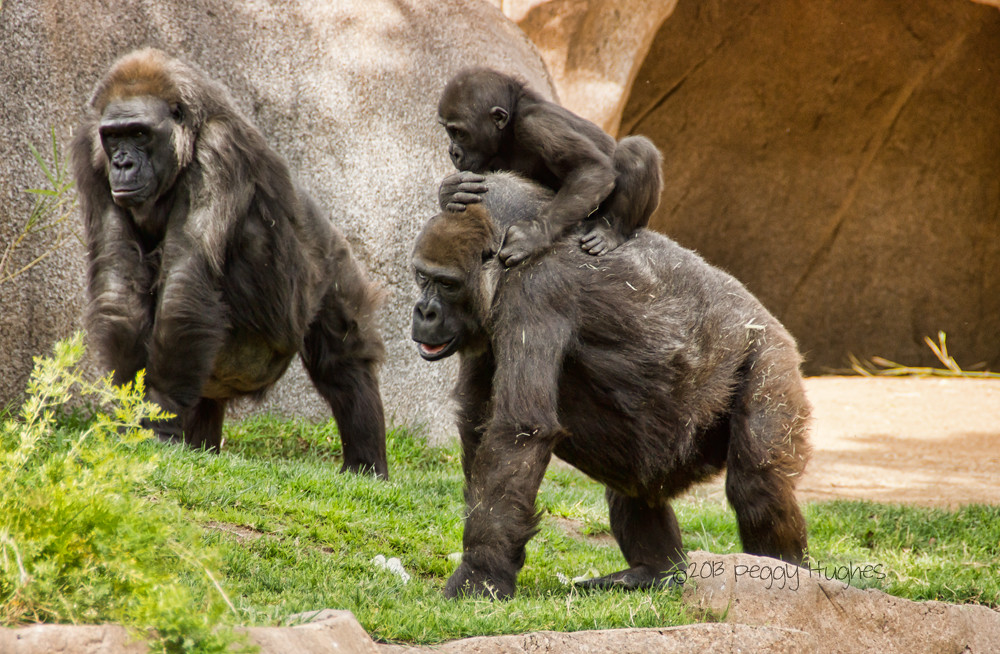
How Gorilla Families Split and What It Means for Trek Permits
The first time I heard about a gorilla family splitting, I thought it was a tragedy.A silverback leaving his group. Females choosing sides. Juveniles caught in the middle. It sounded like a soap opera, not something that happens in the wild.Then I learned the truth.
Gorilla families split all the time. It’s natural. It’s how the species survives. And sometimes, it actually creates new opportunities for tourists who want to see these incredible animals.Let me explain what’s really happening when gorilla families break apart—and what that means for your trekking permit.
Why Gorilla Families Split in the First Place
Mountain gorillas live in stable family groups led by a dominant silverback. But stability doesn’t last forever.The most common reason for a split is leadership tension. A group might have multiple silverbacks—mature males competing for influence and control. The older silverback eventually can’t maintain authority. A younger male rises in social standing. Clashes happen. And eventually, one of them leaves to form his own family.
It’s not a fight to the death. It’s more like an election, except the “voters” are females who decide which male to follow.
How it actually works:
A younger silverback reaches maturity and starts competing for influence
Tensions rise between the old leader and the challenger
A split occurs—the challenger leaves with a faction of the group
The two groups test the separation, sometimes reuniting briefly
After a few months without reunification, the split becomes permanent
There’s a famous example from Virunga National Park. The Kabirizi family had been together for decades, growing from 14 individuals in 1998 to 36 individuals by 2012. Then in 2025, after Kabirizi—the elderly silverback—could no longer maintain authority over seven other silverbacks, his son Masibo broke away to form his own family.Masibo took 14 individuals with him. Kabirizi kept 12. Two new families from one old one.
The “Fission-Fusion” Dance
Splits aren’t always clean. Sometimes they’re messy, with groups drifting apart and then coming back together before finally separating. Researchers call this “fission-fusion” behavior. It’s common when there are multiple silverbacks and not enough resources or social space for everyone.
One study of gorilla group separations found that group fission accounts for about 7% of separations in mountain gorillas. Adult dispersal—gorillas leaving on their own—accounts for about 45%. That’s when an individual decides to strike out alone and join another group, often a female seeking a new mate.
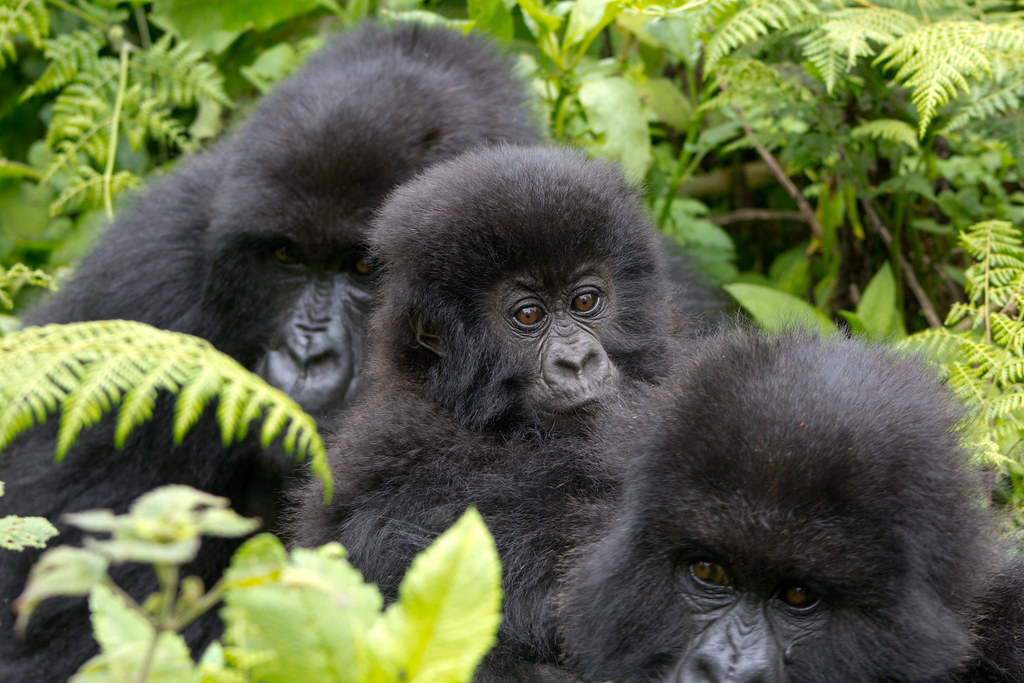
What a Split Means for Tourist Permits
Here’s the exciting part.
When a gorilla family splits, that new group often becomes available for tourism. More groups mean more permits—and sometimes easier access to the gorillas.
In Bwindi Impenetrable National Park, Uganda now has over 25 habituated gorilla groups. That’s compared to just two groups when trekking began in the mid-1990s. Splits are a big reason why.
The recent pattern:
In 2022, two new gorilla groups opened for tourism in Volcanoes National Park, Rwanda: Kwisanga and Noheli
Kwisanga formed when silverback Kigoma left the Kwitonda group with 16 members
Noheli formed when three females left two other groups to join a lone silverback
Each new group brings eight additional permits per day for that park—assuming the group is fully habituated.
The Habituation Process (This Takes Time)
Here’s the catch. A newly split group isn’t ready for tourists immediately.
Before visitors can trek to see them, the gorillas need to be habituated—gradually accustomed to human presence. This process can take years. Researchers and trackers visit the group daily, getting closer over time, until the gorillas become comfortable with humans watching them.
Once a group is fully habituated and stable, the park authorities will open it for tourism. That’s what happened with Kwisanga and Noheli—they split and opened for tourism fairly quickly.
So when you hear about a family split, it might take months or years before extra permits become available. But when they do, it’s a win for everyone—more permits for tourists, more revenue for conservation, and healthy social dynamics for the gorillas.
How Splits Affect Permit Allocation
Sometimes, a split means more permits become available immediately, especially if the park has been monitoring the group closely.
When a Bwindi group split, the Uganda Wildlife Authority approved additional permits for tracking near the Buhoma tourist camp. That brought the total number of permits across the groups in that sector.
What this means for you:
More groups mean more permits are available
That can reduce the stress of booking during peak season
Groups are assigned on the day of the trek, based on your sector permit, fitness level, and park assessments
If you have a permit for a specific sector, you’ll be allocated to a group within that sector—whether it’s an established family or a recently split group
A Note on Permit Non-Transferability
Because permits are tied to specific dates and groups, they’re strictly non-transferable. You can’t pass yours to someone else if you can’t go .This helps park authorities manage the number of visitors per group—which is limited to eight per day—and ensures fair access.
You can cancel or reschedule a permit, but only with advance notice and subject to fees. Last-minute changes are rarely possible.Gorilla family splits might sound like a crisis, but they’re actually a sign of a healthy population.
when groups split, it means gorillas are reproducing, maturing, and establishing new families. It’s a natural part of their social structure. And for tourists? It often means more permits, more access, and more opportunities to see these incredible animals in the wild.
The next time you hear about a gorilla group splitting, don’t worry. The gorillas know what they’re doing. They’ve been managing their families for millions of years. We’re just lucky enough to be watching.
What a Split Means for Trekkers
When a gorilla family splits, park authorities typically register the new group as a separate habituated family once it stabilizes, which can eventually mean more permit slots available across a wider number of smaller families. In the short term, a recent split can mean a period of adjustment where rangers are still confirming which individuals have settled with which group, occasionally affecting which family visitors are assigned to trek.