Common Mistakes to Avoid During Game Drives in National Parks
A game drive is one of Africa’s most iconic safari experiences. The early morning chill, the golden light stretching across open plains, the distant silhouette of acacia trees, and the anticipation of spotting wildlife all combine into something unforgettable. Whether you are exploring the vast plains of Serengeti National Park, the wildlife-rich savannah of Queen Elizabeth National Park, or the dramatic landscapes of Murchison Falls National Park, a game drive demands awareness, patience, and respect.
Yet many travelers unknowingly make mistakes that reduce their experience or, worse, disturb wildlife and compromise safety. Understanding what to avoid can transform an ordinary safari into an extraordinary one.
Ignoring the Importance of Silence
The African wilderness speaks softly. The rustle of grass, alarm calls of antelope, distant roars, and bird movements all offer clues to what lies nearby. Talking loudly, shouting in excitement, or playing music during a game drive disturbs animals and may cause them to retreat before you even notice them.
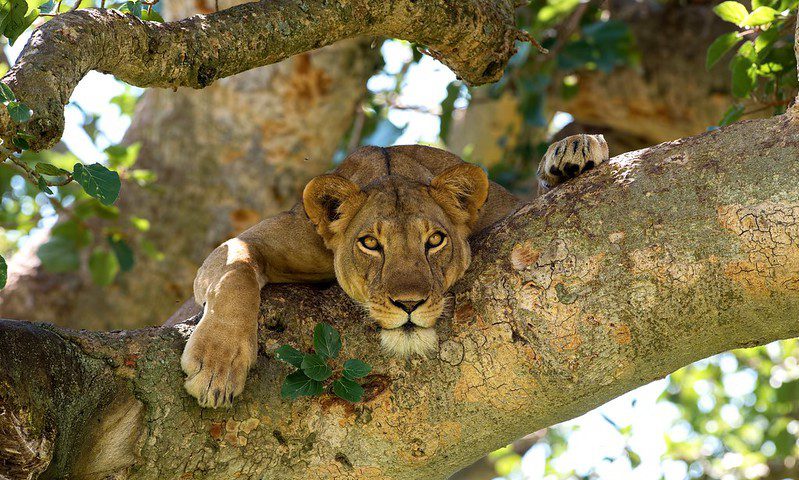
Predators, in particular, rely on stealth. If a lion pride is resting in tall grass, excessive noise can cause them to move away or alter natural behavior. Guides are trained to listen carefully to the environment. Respecting silence allows you to fully immerse yourself in the bush and increases your chances of meaningful sightings.
Standing Up or Leaning Out Recklessly
Wild animals do not recognize safari vehicles as humans; they perceive them as large, neutral shapes. The moment someone stands up suddenly or leans out erratically, that shape changes, and animals may feel threatened.
This mistake is especially risky near elephants or buffalo, which can react defensively. Even in parks like Kruger National Park or Masai Mara National Reserve where wildlife is accustomed to vehicles, unpredictable movements can provoke stress or aggression.
Always follow your guide’s instructions. If the vehicle roof is designed to pop up for viewing, remain steady and avoid sudden gestures.
Wearing Bright or Distracting Clothing
A safari is not a fashion runway. Bright reds, neon yellows, or flashy patterns draw attention in the natural environment. Neutral earth tones — khaki, olive, beige, and brown — help you blend into the surroundings.
While animals primarily respond to movement rather than color, bright clothing can still disrupt the subtle balance of a close encounter. Neutral attire also improves your photographs by minimizing reflective distractions.
Underestimating the Early Start
Game drives typically begin before sunrise. Many guests underestimate the importance of early departures and arrive late or sluggish, missing the most active wildlife hours.
Predators are most active during the cooler parts of the day. In places like Amboseli National Park, early mornings offer not only better wildlife sightings but also spectacular views of Mount Kilimanjaro before clouds roll in.
Sleeping in may seem tempting, but you sacrifice prime wildlife viewing. Preparation the night before — laying out clothing and charging camera batteries — makes early starts easier.
Focusing Only on the Big Five
Many first-time safari-goers arrive with a checklist mentality. They focus intensely on spotting lion, leopard, elephant, rhino, and buffalo — often called the Big Five — and overlook everything else.
Yet some of the most fascinating safari moments involve smaller creatures: a dung beetle rolling its prize, a lilac-breasted roller flashing color mid-flight, or a family of warthogs trotting across the track. In ecosystems such as Tarangire National Park, elephants may dominate attention, but the diversity of birds and smaller mammals enriches the experience.
A safari is about understanding ecosystems, not just ticking boxes.
Interrupting the Guide Constantly
Experienced safari guides undergo extensive training in animal behavior, tracking, and conservation. Continuously second-guessing directions, demanding specific sightings, or interrupting explanations disrupts the flow of the experience.
Guides often communicate with one another via radio to track wildlife movements. Patience and trust in their expertise usually result in rewarding sightings. Respectful curiosity enhances the journey; impatience diminishes it.
Getting Too Close to Wildlife
One of the most dangerous mistakes is encouraging a driver to approach animals too closely. Ethical safari practices prioritize animal welfare and visitor safety.
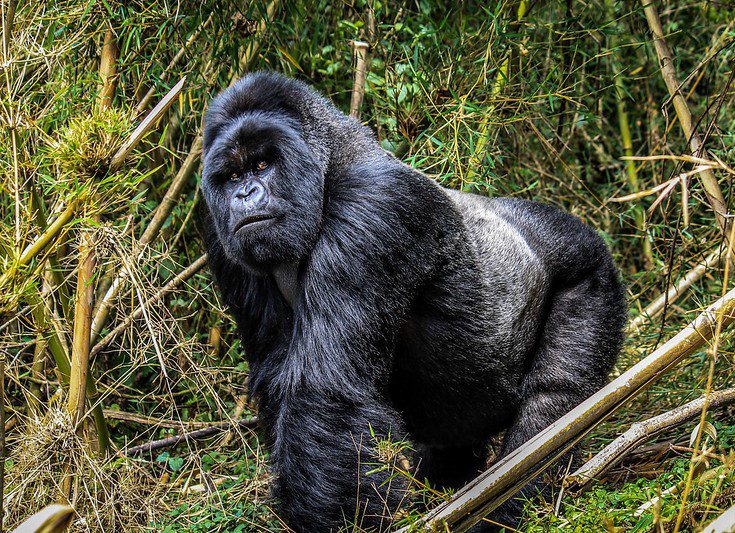
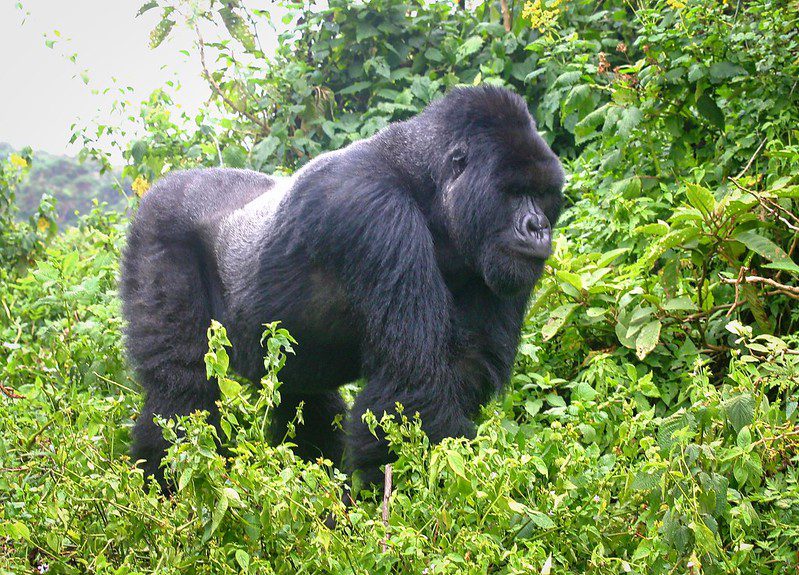
In parks like Bwindi Impenetrable National Park, strict distance rules exist during gorilla encounters. Similarly, vehicles on savannah drives should maintain appropriate space. Overcrowding animals can cause stress, interrupt hunting, or provoke defensive behavior.
A good photograph is never worth compromising wildlife welfare.
Ignoring Park Rules
National parks operate under strict regulations designed to protect fragile ecosystems. Driving off designated tracks, feeding animals, or littering damages habitats and disrupts natural behavior.
Feeding wildlife is particularly harmful. Animals that associate vehicles with food may become aggressive or dependent, ultimately putting themselves and future visitors at risk.
Conservation areas like Lake Nakuru National Park enforce rules to preserve delicate habitats for flamingos and rhinos. Respecting these regulations ensures that parks remain vibrant for generations.
Poor Photography Etiquette
Game drives often bring together travelers with varying photography interests. Blocking others’ views with oversized equipment, using flash photography at night, or demanding extended stops for personal shots can frustrate fellow guests.
Flash photography can disturb nocturnal animals, particularly during night drives in areas like South Luangwa National Park, known for its exceptional night safari experiences.
Sharing space courteously enhances everyone’s experience.
Forgetting Basic Essentials
Many travelers arrive unprepared for changing weather conditions. African mornings can be surprisingly cold, even in equatorial regions. Sunscreen, hats, water, and insect repellent are often overlooked but essential.
In destinations such as Kidepo Valley National Park, temperatures can rise dramatically by midday. Dehydration and sunburn quickly turn a magical safari into an uncomfortable ordeal.
Preparation ensures you remain focused on wildlife rather than discomfort.
Impatience and Unrealistic Expectations
Wildlife encounters are never scripted. Animals move freely, and sightings cannot be guaranteed. Some visitors grow frustrated if they do not immediately encounter dramatic scenes.
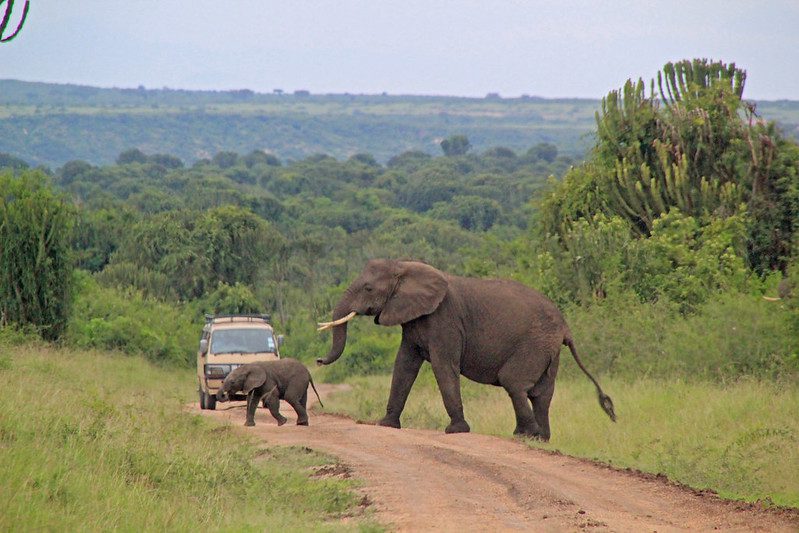
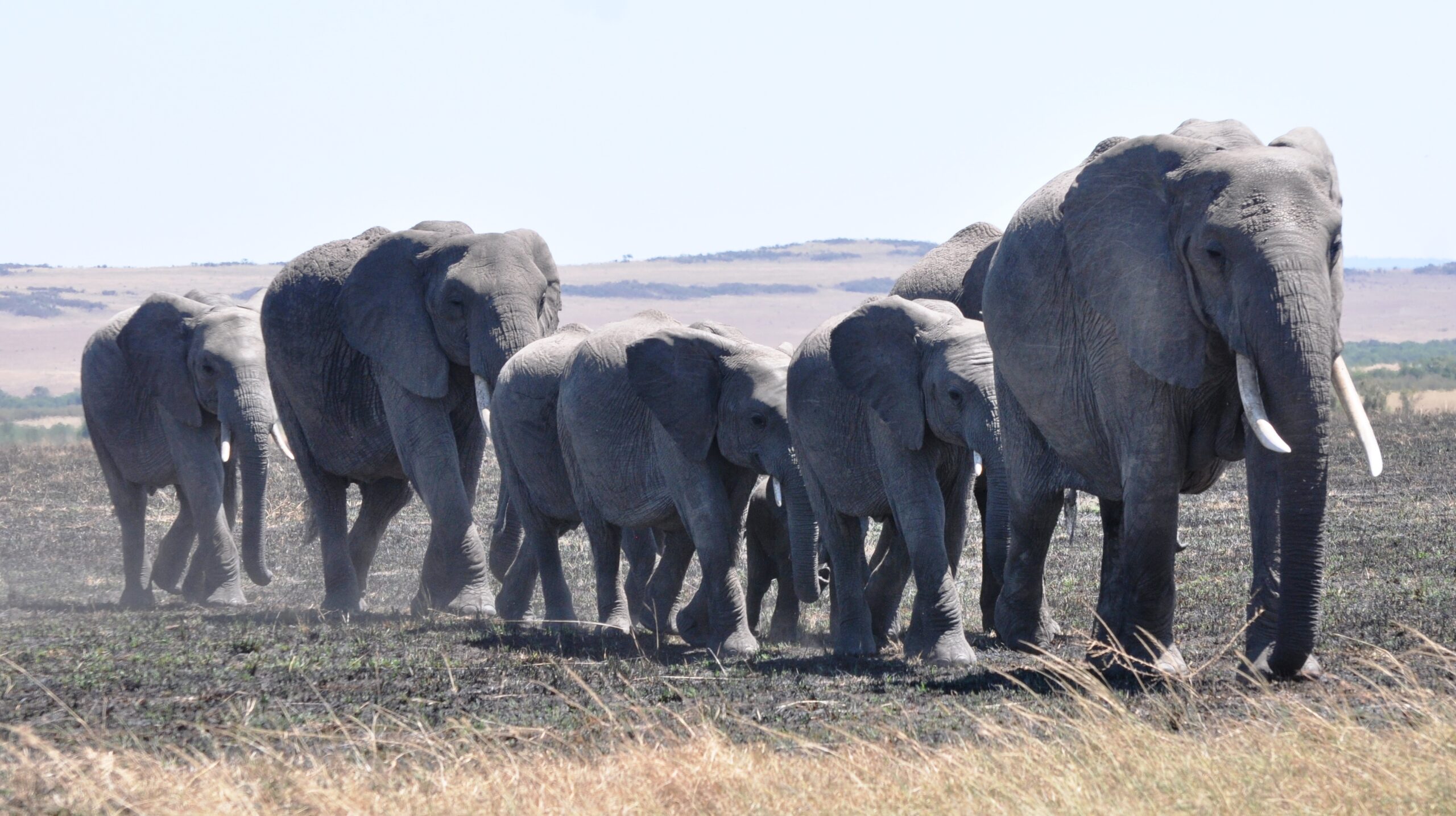
Patience is central to safari philosophy. A seemingly quiet drive can transform in seconds when a leopard emerges from tall grass or a herd of elephants crosses the track.
Understanding that nature operates on its own timetable fosters appreciation rather than disappointment.
Overlooking the Bigger Conservation Picture
A game drive is not just entertainment; it supports conservation and local communities. Failing to understand this broader context reduces the depth of the experience.
Entrance fees, guide services, and lodge stays contribute to anti-poaching efforts and habitat protection. In Uganda and across East Africa, tourism revenue plays a critical role in sustaining national parks.
When you approach a safari with awareness and respect, you become part of that conservation story.
The Art of Responsible Game Viewing
Ultimately, avoiding mistakes during a game drive is about mindfulness. The wilderness is not a zoo; it is a living, breathing environment governed by instinct and balance.
Listening more than speaking, observing more than demanding, and respecting more than consuming transforms a simple drive into a profound encounter.
When you sit quietly as the sun sets over the plains, watching silhouettes of giraffes against a fiery horizon, you understand that safari is not about rushing toward spectacle. It is about slowing down enough to see, hear, and feel the rhythms of the wild.
And in that stillness, the true magic of Africa reveals itself.