
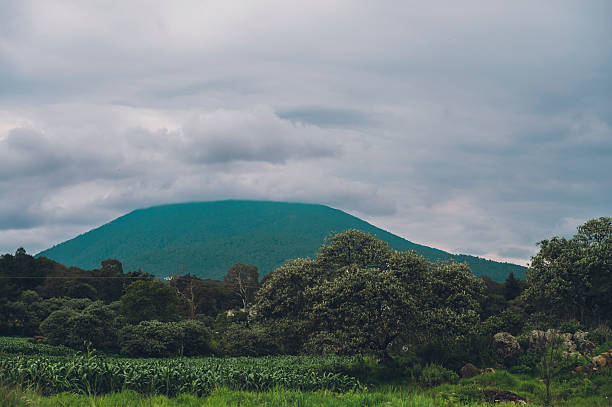
Climbing Mount Karisimbi
A Two-Day Plan for Rwanda’s Highest Volcano
Climbing Mount Karisimbi in Rwanda is one of the most challenging and rewarding mountain adventures in East Africa. Rising to 4,507 metres above sea level, Mount Karisimbi is Rwanda’s highest mountain and the tallest volcano in the Virunga range. Located within Volcanoes National Park, this magnificent mountain attracts experienced hikers seeking dramatic scenery, high-altitude landscapes and an unforgettable overnight trekking experience.
Unlike Mount Bisoke, which can be climbed in a day, Karisimbi requires a two-day expedition involving steep forest trails, mountain camping and a demanding summit ascent. The journey passes through bamboo forest, giant heath vegetation and alpine environments before reaching the rocky summit.
For travellers visiting Musanze, Karisimbi offers an adventurous alternative to mountain gorilla trekking. However, proper preparation, suitable fitness and experienced guides are essential for completing the hike safely.
Where Is Mount Karisimbi Located?
Mount Karisimbi stands within Volcanoes National Park in northern Rwanda, close to the border with the Democratic Republic of Congo.
It forms part of the Virunga Mountains, a volcanic chain extending across Rwanda, Uganda and Congo.
The mountain is accessible from Musanze, with hiking arrangements beginning at the park headquarters in Kinigi.
Quick Facts About Mount Karisimbi
| Feature | Description |
|---|---|
| Country | Rwanda |
| National park | Volcanoes National Park |
| Mountain height | 4,507 metres |
| Mountain type | Dormant stratovolcano |
| Hiking duration | Two days |
| Difficulty | Challenging |
| Overnight camp | Approximately 3,700 metres |
| Main gateway | Musanze and Kinigi |
| Minimum hiking age | 15 years |
| Maximum group size | 12 hikers |
Why Is Mount Karisimbi Special?
Karisimbi is the highest of the eight major volcanoes in the Virunga range.
Its name is commonly associated with the Kinyarwanda word amasimbi, referring to the white covering sometimes seen near the summit.
The mountain’s height creates different vegetation zones and changing weather conditions.
Visitors begin in relatively dense forest before entering more exposed mountain environments.
On clear days, the summit offers spectacular views towards neighbouring volcanoes and the surrounding highlands.
How Difficult Is the Karisimbi Hike?
The Mount Karisimbi hike is considered challenging.
It involves long uphill sections, uneven ground, cold temperatures and reduced oxygen availability at higher elevations.
Although technical climbing equipment is not normally required on the standard guided route, the trek demands good physical endurance.
Main Hiking Challenges
Steep mountain slopes.
Muddy forest trails.
Thin air at high elevation.
Cold overnight temperatures.
Strong winds near the summit.
Long walking hours.
Rocky and slippery surfaces.
Travellers should prepare through regular hiking, walking and cardiovascular exercise before attempting the climb.
Two-Day Mount Karisimbi Hiking Itinerary
Day One: Kinigi to the Mountain Campsite
The expedition begins early at Volcanoes National Park headquarters in Kinigi.
Hikers report at approximately 7:00 am for registration, permit verification and a safety briefing.
Park guides explain the route and introduce the trekking arrangements.
Visitors then travel by vehicle towards the trailhead.
Beginning the Forest Walk
The hike starts through the lower slopes of the Virunga volcanic landscape.
The trail passes through bamboo vegetation and montane forest.
Hikers may encounter birds, animal tracks and signs of wildlife activity.
Mountain gorillas inhabit parts of this landscape, but gorilla sightings are not guaranteed or included as a substitute for regulated gorilla trekking.
Climbing Towards the Campsite
As the trail gains elevation, forest vegetation gradually changes.
Hikers encounter tall heath plants, moss-covered trees and more open mountain habitats.
The first day’s ascent generally takes approximately five to seven hours, depending on pace and trail conditions.
The group eventually reaches an overnight campsite at approximately 3,700 metres.
Overnight Camping
The campsite provides a basic mountain environment.
Visitors sleep in tents and eat meals arranged through their hiking operator.
Temperatures can approach freezing, making warm clothing and suitable sleeping equipment essential.
The evening is generally spent resting and preparing for the next day’s summit attempt.
Day Two: Summit Ascent and Descent
The second day begins early.
After breakfast, hikers prepare for the final ascent towards Karisimbi’s summit.
This section is more demanding because of the increasing altitude and steep terrain.
Climbing Above the Forest
Vegetation becomes shorter as the mountain rises.
The landscape changes into exposed moorland and alpine terrain.
The air becomes thinner, making breathing during exertion more difficult.
Hikers should maintain a slow pace and communicate any symptoms of altitude illness.
Reaching the Summit
The final climb reaches 4,507 metres.
The ascent from camp may take approximately three to four hours, although conditions can lengthen the journey.
On clear days, visitors can enjoy views of neighbouring Virunga volcanoes and surrounding valleys.
Cloud cover may occasionally hide the scenery.
Returning to the Trailhead
After photographs and a short rest, hikers begin descending.
The return passes through the campsite before continuing down the mountain.
Descent can take several hours and may be particularly tiring for knees and ankles.
Most groups complete the expedition during the second afternoon, depending on conditions.
Hiking Time and Route Summary
| Stage | Approximate duration |
|---|---|
| Registration and briefing | Early morning |
| Trailhead to campsite | 5–7 hours |
| Overnight camping | One night |
| Campsite to summit | 3–4 hours |
| Summit to trailhead | Approximately 5–7 hours |
| Total expedition | Two days |
All durations are estimates. Weather, fitness and altitude can affect progress.
What Wildlife Can You Encounter?
Volcanoes National Park supports mountain gorillas, golden monkeys, forest buffaloes and numerous bird species.
However, wildlife sightings during the Karisimbi hike are unpredictable.
The main purpose of the expedition is mountain climbing.
Visitors should not approach animals or leave the designated route to obtain photographs.
Best Time to Climb Mount Karisimbi
Mount Karisimbi can be climbed during different seasons, subject to park conditions.
June to September and December to February are generally considered favourable periods.
These months often provide relatively drier weather.
However, high mountain conditions can change quickly.
Rain, mist and cold winds may occur even during the drier seasons.
What to Pack for the Hike
Proper equipment is essential for a comfortable expedition.
Recommended Hiking Equipment
Waterproof hiking boots.
Warm thermal clothing.
Waterproof jacket and trousers.
Gloves and warm hat.
Hiking poles.
Sleeping bag suitable for cold conditions.
Drinking water.
Energy snacks.
Headlamp.
Personal medication.
Small first-aid kit.
Backpack with rain protection.
Camping equipment and porter services should be arranged before the expedition.
Mount Karisimbi Hiking Permit Fees
The Rwanda Development Board publishes different permit rates according to visitor category.
Published Hiking Fees
| Visitor category | Adult permit |
|---|---|
| International visitor | USD 400 |
| Foreign resident in Rwanda | USD 250 |
| East African citizen | USD 200 |
| East African foreign resident | USD 300 |
| Rwandan citizen | RWF 30,000 |
Fees may change. Confirm current charges and whether camping equipment, porters, food and transport are included in your package.
Do You Need a Guide?
Yes. Mount Karisimbi hikes require authorised guiding arrangements.
Park guides assist with route navigation, safety and wildlife protection.
Porters can help transport camping equipment and personal belongings.
Hiring local support staff also contributes to employment around Volcanoes National Park.
Altitude Sickness and Safety
Altitude sickness is an important consideration because Karisimbi reaches more than 4,500 metres.
Symptoms may include headaches, nausea, dizziness and unusual fatigue.
Fitness alone does not prevent altitude illness.
How to Reduce Risks
Hikers should walk slowly, stay appropriately hydrated and avoid unnecessary exertion.
Allowing time at moderate altitude before the expedition may help with acclimatisation.
If symptoms become severe or worsen, descending promptly is essential.
Travellers with relevant medical concerns should seek professional advice before booking.
Where to Stay Before the Climb
Musanze and Kinigi provide accommodation suitable for preparing for the expedition.
Kinigi offers convenient access to park headquarters.
Musanze has a wider selection of hotels, restaurants and guesthouses.
Arriving at least one day before the hike allows travellers to organise equipment and rest.
Combining Karisimbi With Gorilla Trekking
Many visitors combine Karisimbi with mountain gorilla trekking.
However, both activities can be physically demanding.
Scheduling them on separate days is advisable.
Travellers should allow sufficient recovery time after the mountain expedition.
Other nearby experiences include Musanze Caves, golden monkey tracking and scenic visits to Lakes Burera and Ruhondo.
Responsible Mountain Hiking
Mount Karisimbi is part of an important protected ecosystem.
Visitors should follow official trails, avoid disturbing wildlife and carry away rubbish.
Do not remove plants or volcanic rocks.
Respect guides and surrounding communities.
Responsible hiking helps preserve the mountain’s natural environment.
Why Climbing Mount Karisimbi Is Worthwhile
Mount Karisimbi offers one of Rwanda’s most remarkable outdoor adventures.
Its two-day route introduces hikers to tropical forest, mountain vegetation, volcanic scenery and demanding high-altitude conditions.
The overnight campsite creates an opportunity to experience the quiet atmosphere of the Virunga Mountains.
Reaching Rwanda’s highest summit is a memorable achievement for physically prepared travellers.
With suitable equipment, experienced guides and realistic expectations, the Karisimbi expedition provides an unforgettable combination of endurance, natural beauty and adventure.


No comment