
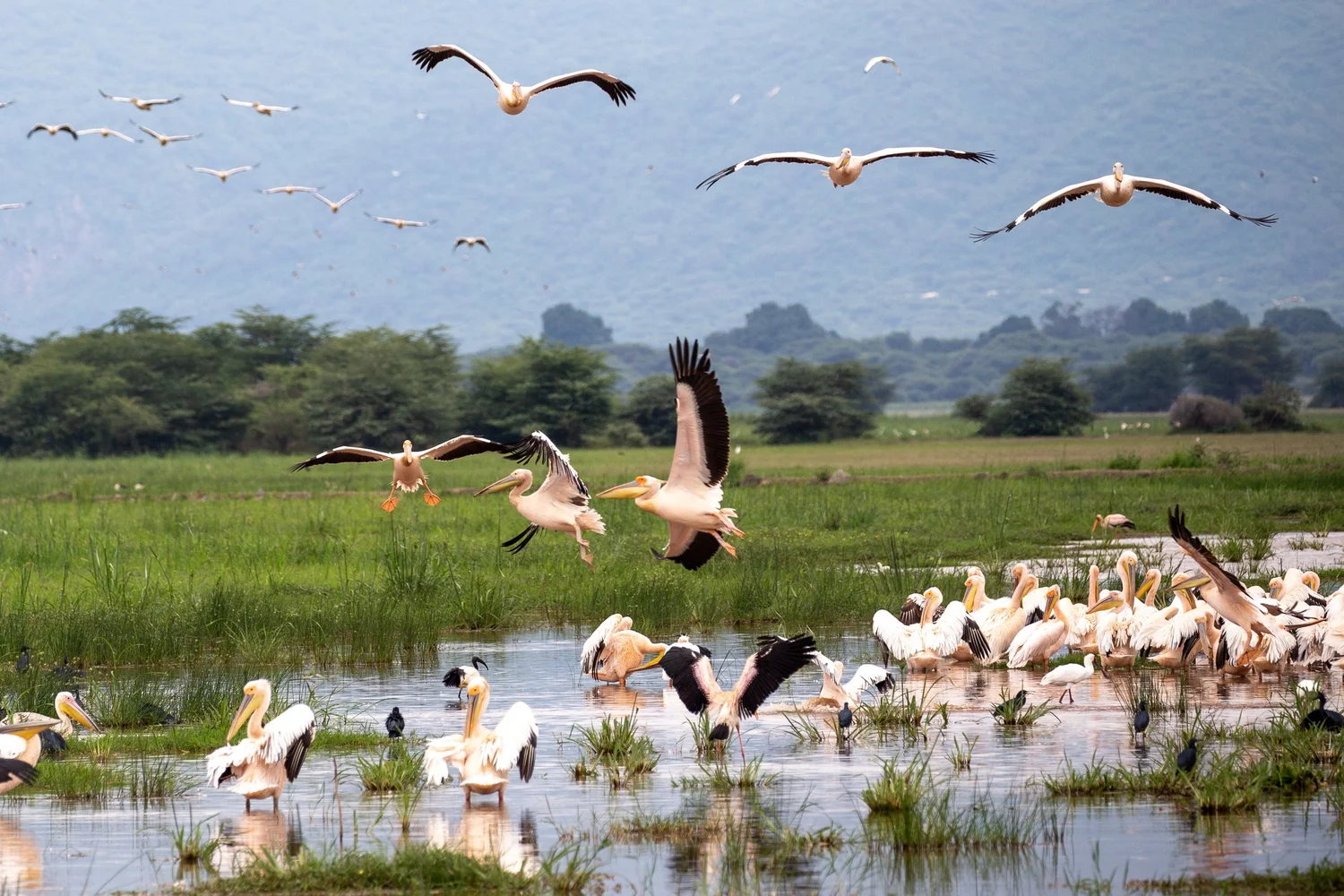
Birding as a Tool for Sustainable Development in Rural Africa
In Africa birds are more than just pretty creatures flying through forests, wetlands, grasslands and farmland. They are part of the systems that help communities every single day. They help plants grow by pollinating them they spread seeds they keep insect populations under control they help return nutrients to the soil. They show how healthy the environment is. When people start to see the value in these jobs that birds do birds can become a part of local progress. Birding can bring in money it can help protect nature it can support learning. It can make communities want to look after the places where both animals and people live.
For rural communities sustainable development starts with finding ways to make money without ruining the environment. Birding offers one way to do this. A village that is close to a wetland, a forest, a lake or a woodland may have a treasure that needs to be saved instead of taken away. People who come to see birds can spend money on places to stay on food on transport on guides on handicrafts on entry fees and on other local services. When this money goes to the communities nature can become something that brings in money.
How Birding Creates Opportunities in Rural Communities
Bird tourism can help create kinds of jobs. Local people can learn to be bird guides, drivers, cooks, workers in hotels assistants in conservation or organizers for the community. Small businesses can also get help by selling food, handmade items, clothes, paintings and other products. Even families that do not guide visitors can be part of the economy that comes from tourism.
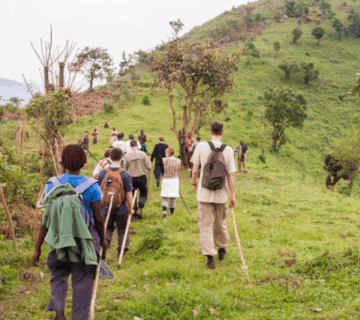
A local guide who knows the area well can be very helpful. Someone who grew up near a forest or a wetland often understands when the seasons change, knows about traditions knows about how animals act and knows the land in ways that visitors cannot find out from books. With training in recognizing birds in guiding in talking to people in keeping nature safe and in being friendly to guests this knowledge can become a way to earn an income.
The money can help more than the guides. Groups of people in the community can use some of the money they make to help schools to bring water to plant trees to improve roads or to do other things that the community needs. The way this works can be different in each community but the main idea stays the same: when protecting nature brings real benefits keeping the environment safe becomes a part of making life better for families.
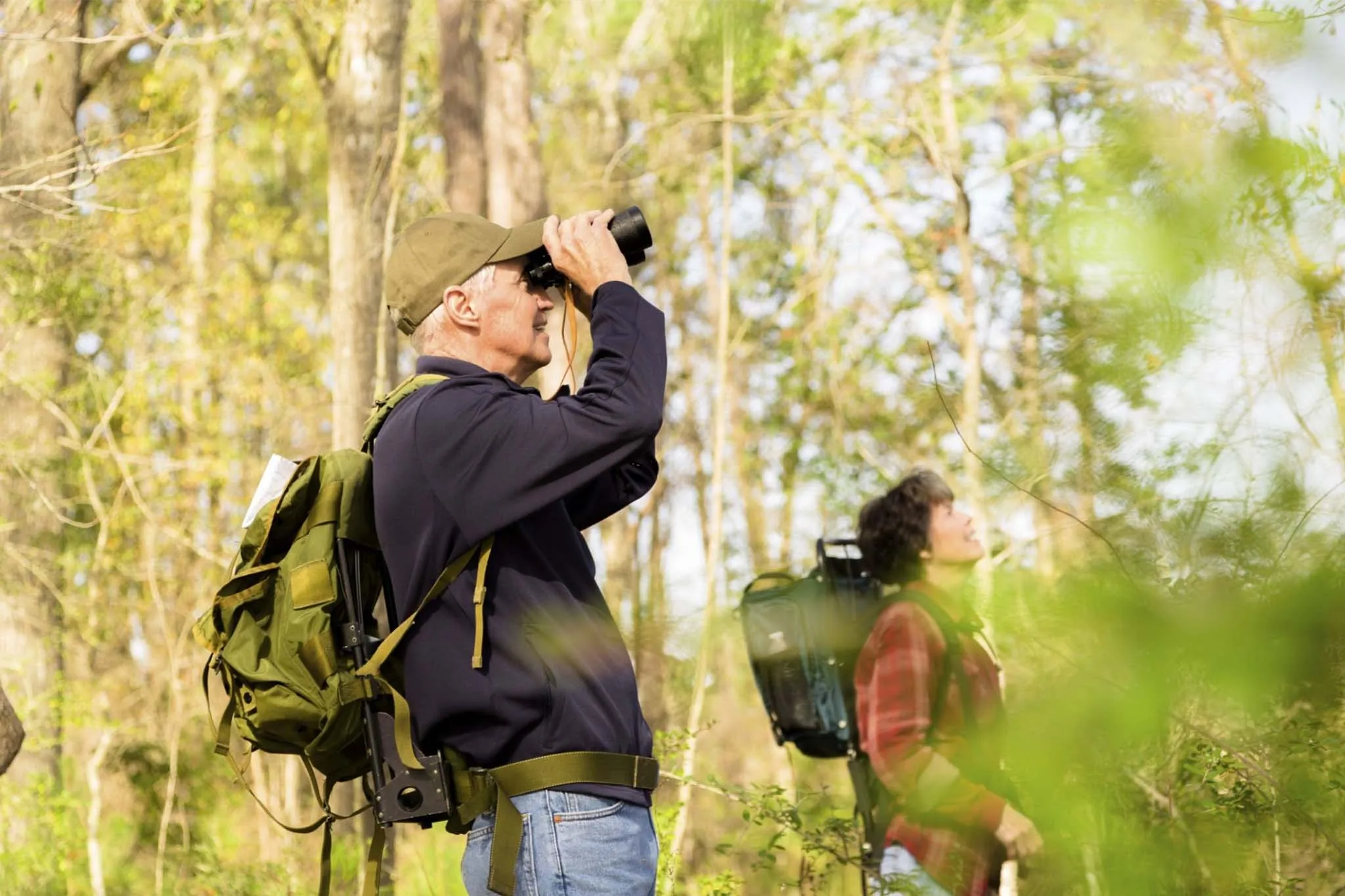
Local Guides as Conservation Leaders
Local guides can become some of the people fighting for the environment. Their jobs depend on places to live so they have a real reason to stop bad things from happening and to make sure visitors act in a good way. A guide who knows that a wetland has visitors because of its birds can explain why taking away that wetland would hurt both the animals and the local money.
Teaching people can be very strong. Of thinking that life in the countryside offers few choices young people can see chances in being guides in checking on the environment in working in hotels in taking pictures in teaching about nature and in protecting the earth. Birding therefore can help young people connect with the land they live on and give them skills, for the future.
Protecting Habitats Through Tourism
Healthy bird populations depend on healthy habitats. Forests, wetlands, savannas, riverbanks, lakeshores and agricultural landscapes all provide resources for different species. Protecting these areas can also protect water supplies, soils, vegetation and other natural resources that communities need.
Bird tourism can encourage communities and tourism operators to maintain these habitats. A wetland that provides habitat for waterbirds can also help regulate water and reduce flooding. A forest that supports species can store carbon, protect soils and provide useful plants. A woodland filled with birds can support pollinators and seed dispersers that contribute to ecological health.
This is why Birding as a Tool for Sustainable Development in Rural Africa can extend beyond tourism. It can encourage an understanding of the relationship between biodiversity and human wellbeing. Visitors may arrive hoping to see a species but their spending can contribute to keeping an entire ecosystem intact.
Birding and Community Forest Protection
Community-managed forests can benefit from tourism when residents have a role in decision-making and receive a fair share of the resulting income. Local conservation committees can work with guides, researchers, tourism businesses and government agencies to establish rules for access.
Simple measures can make a difference. Communities can protect sites limit disturbance during breeding seasons maintain trails, prevent uncontrolled fires and restore degraded areas with native trees. Bird counts can also help communities understand whether conservation efforts are producing results.
These activities become stronger when local people see benefits. Asking communities to protect habitats without considering their economic needs can create frustration. Supporting conservation while creating livelihood opportunities gives people more reasons to participate.
Education Can Change the Future
Birding also provides a way to teach children about nature. A school does not need equipment to introduce students to birds. Teachers can begin with species found around school grounds, gardens, farms and nearby wetlands. Students can learn to identify birds by appearance calls, behavior and habitat.
Such activities can build curiosity and environmental responsibility. A child who learns that a forest contains species found else may begin to see that forest differently. Of being viewed simply as land that could be cleared it becomes a living place with ecological and economic value.
Building Skills Through Citizen Science
Birding can also connect communities with scientific research. Residents can record bird sightings, breeding activity, seasonal movements and changes in habitat. These observations can contribute to biodiversity monitoring programs and help conservation organizations understand changes in bird populations.
For communities citizen science offers training in observation, record keeping, technology and environmental awareness. Young people can learn how to use field guides, binoculars, mobile applications, notebooks and basic mapping tools. These skills can create pathways toward education and conservation careers.
Supporting Women and Young Entrepreneurs
Sustainable rural development should create opportunities for women and young people. Bird tourism can support this goal when communities deliberately include them in training and business development.
Women can operate guesthouses prepare meals, sell crafts manage community tourism groups provide guiding services or participate in conservation education. Young entrepreneurs can develop services around transportation, accommodation, guiding, equipment rental, marketing and local products.
When income is distributed fairly tourism can strengthen household resilience. A family with sources of income is often better positioned to manage difficult seasons, unexpected expenses or changes, in agricultural production. Small tourism businesses can complement farming than replace it.
Long-term success comes from balancing economic activity with environmental responsibility. Rural communities deserve development that can continue for generations, rather than short-term income that leaves degraded land behind.
Responsible Birding Matters
The increase in bird tourism must be handled with care. Planned tourism can bother nesting birds harm places where birds live cause trash or put too much stress on delicate areas. People who live in the area and the people who come to visit need instructions.
Responsible birding means being polite to animals not bothering birds that are nesting staying on the paths not making too much noise taking trash with you and following the rules in the area. People who visit should use services whenever they can. Paying a guide eating at a place owned by someone from the area or staying at a place run by people from the area helps more money from tourism stay in the place.
Tour companies also have a duty. They can hire workers buy things from local stores help protect nature and tell people about how to act properly. These choices can make a visit into something that helps the local economy.
The Wider Economic Potential of Bird Tourism
Birding brings people who may travel especially to see special or beautiful birds. East Africa has potential because of the different places where birds live and the many kinds of birds. Countries like Uganda, Kenya, Tanzania, Rwanda and others have forests, wetlands, mountains, lakes and grasslands that have birds.
Villages can gain when tourism routes go beyond cities and well-known places. A person who comes to see a bird might also spend a night in a village hire a local guide buy food or visit a project run by the community. These small things can add up. Create more need for local services.
Birding as a Tool for Sustainable Development in Rural Africa becomes very helpful when tourism planning brings these chances together of keeping all the money in a few businesses or in cities. Local ownership, money for workers clear money for the community and keeping places safe for a long time should be the main ideas.
Measuring Success Beyond Visitor Numbers
Good bird tourism should not be judged by how many people come. Communities should also think about how money stays in the area how many jobs are made, if places where birds live are getting better and if people feel they are part of the decisions about tourism.
Bird numbers can also be a way to measure. If the places where birds live are healthy and the birds that are hard to find are doing well then tourism might be helping to protect nature. If the number of birds goes down because of places or too much bother the way tourism is done needs to change.
Long-term success happens when money making and taking care of the environment are balanced. Rural areas deserve growth that can go on for years not just short-term money that leaves the land in bad shape.
A Future Built Around Nature
The future of Africa does not have to mean choosing between making money and protecting the environment. Birds show how close the two can be. A forest can have animals. Also bring visitors. A wetland can be a home. Also help people earn money. A community can welcome visitors. Also keep its natural home safe.
Birding as a Tool for Sustainable Development in Rural Africa is a path because it starts with things many communities already have. The challenge is to make systems that treat those things fairly and well.
Every birding trip can help build this future when people choose guides respect the places where birds live help local businesses and learn about the places they visit. Every guide who teaches a person to know a bird can help make a new group of people who care about protecting nature. Every wetland that is protected and every forest that is fixed can help in ways that go beyond tourism.

No comment