
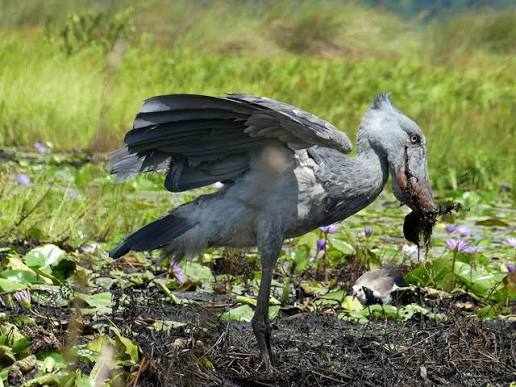
Behind the Shot: Capturing the Elusive Shoebill
Some photographs are quick some need patience, preparation and a willingness to wait without knowing whether the moment will ever arrive. Photographing a shoebill belongs firmly in the group. This remarkable bird can stop you in your tracks yet getting a memorable image often requires more than pointing a camera in its direction. The stillness of Ugandas wetlands, the movement of a canoe changing light and the shoebills unpredictable behavior all become part of the experience.
For anyone fascinated by wildlife photography the shoebill offers a rewarding challenge. The shoebills enormous bill, frame, prehistoric appearance and calm expression create an unmistakable subject.. The shoebills beauty is best captured when the photographer respects the shoebills environment and allows the scene to unfold naturally. A successful photograph begins long before the shutter is pressed.
Understanding the Shoebill Before You Photograph It
The first step toward a shoebill photograph is learning how the shoebill behaves. Shoebills are often associated with papyrus swamps, marshes and quiet wetlands where the shoebill can stand almost motionless for periods. That stillness can make the shoebill seem easy to photograph. Appearances can be misleading. The shoebill may remain in one position for minutes and then suddenly move, stretch its wings walk through vegetation or take flight.
Understanding these patterns helps you prepare for those opportunities. If the shoebill is standing quietly watch the shoebills body than immediately taking hundreds of photographs. Look for movements. A slight change in posture a turn of the head or a shift in the shoebills weight may signal that something is about to happen.
This is where patience becomes one of your valuable photography skills. You cannot control wildlife behavior. You can control how prepared you are when the shoebills behavior changes.
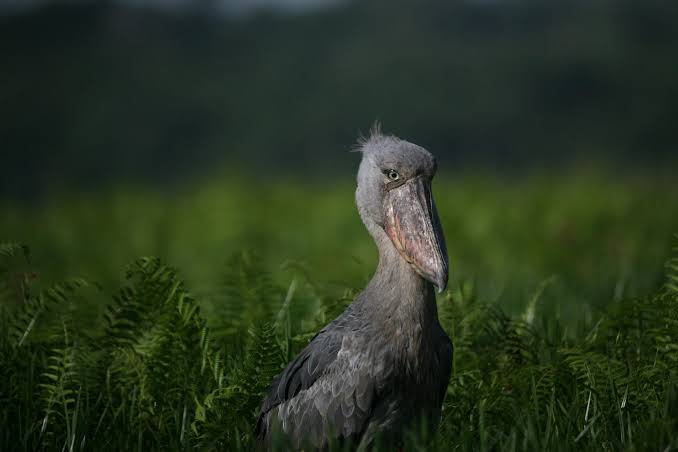
Study the Environment
The setting around a shoebill contributes greatly to the photograph. Wetlands can contain vegetation, floating plants, reflections, mud and uneven light. Of treating these elements as distractions look for ways they can support the composition.
A shoebill standing among papyrus can communicate more about the shoebills habitat than a tightly cropped portrait. On the hand a clean background can make the shoebills distinctive shape stand out. Before pressing the shutter consider what the shoebill photograph is meant to say.
Choosing the Right Time and Position
Early morning is often one of the rewarding periods for wildlife photography. The light is softer temperatures are cooler. The wetland can feel exceptionally calm. Morning light can reveal texture in the shoebills feathers while producing shadows across the shoebills large bill and body.
Your position matters as much as the time of day. If you are photographing from a canoe avoid movements. A quiet approach allows you to get closer without causing disturbance. Your guide or boat operator can also help determine the least disruptive position.
Whenever possible aim to photograph from the shoebill eye level. This creates a sense of connection, between the shoebill and the viewer. A low perspective can also simplify the background. Make the shoebill appear more imposing without exaggerating its natural size.
Give Yourself Room to React
Wildlife photography is about being ready because things happen so fast. I suggest using a shutter speed that can freeze movement the moment a bird starts to move. A shutter speed around 1/1000 second is great for flight. When a bird moves its wings. You can use shutter speeds if the bird is just sitting still.
Try to use autofocus when it makes sense. Pick a focus area that helps you keep the bird sharp. If the light changes fast keep an eye on your exposure of just sticking to one setting all morning.
You do not need to find one camera setting. You just need to know your equipment enough so that changing weather or light does not stop you from watching the bird.
Behind the Shot: Capturing the Elusive Shoebill Through Patience
Some of my shoebill photographs happen after waiting a long time when nothing seems to be going on. You might spend twenty minutes watching a shoebill stand silent before the shoebill suddenly raises its wings. If you get impatient and put your camera down the moment might pass before you can react.
Patience really changes how you photograph wildlife. Of always looking for the next thing to shoot you start to really watch the bird in front of you. You see how the bird reacts to the wind, the water, the plants and other animals. You start to see the signs of what the bird will do next.
This way of working makes images feel more real. A shoebill staring across the swamp tells one story. A shoebill stretching its wings tells a different story. A reflection in the water can make a quiet portrait. A bird moving through papyrus shows us the home of the bird.
The best photograph is not always the dramatic one. Sometimes a simple shot of a bird acting naturally is the one you remember most.
Capturing Behavior of Posing
Animals do not pose for photographs and I think that is why it is so fun. Your job is to guess what the animal will do next than trying to force it. Watch for grooming wing stretches walking, feeding or flight.
When the shoebill starts to move do not rush to change every setting on your camera. If your exposure and focus are already good just focus on the composition. Keep the bird in the frame. Leave some empty space in front of the bird when the bird is moving.
This is very important for flight photographs. If a bird flies toward the edge of your frame the photo can feel too tight. Leaving space in the direction the bird is flying makes the photo look much better.
Look Beyond the Portrait
A close-up of the shoebill face is powerful because the eyes and bill look so unique.. Do not just take head-and-shoulder portraits. Try shots that show the water, the papyrus, reflections and the sky.
You can also try shooting horizontally. A vertical shot can show how tall a shoebill is, while a horizontal shot works well when the bird is in a wetland.
Always take a second to look at the edges of your frame. Things like branches, parts of a boat or people can ruin a photograph.
Photographing Respectfully in Wetland Habitats
A wildlife photograph should never hurt the animal. Shoebills live in wetland areas so you should stay far away never chase the birds and listen to local advice.
If the bird looks uncomfortable or starts acting because you are there move back and give the bird more space. Do not talk loudly. Make sudden moves especially if you are in a quiet canoe. Your guide can tell you how close you can get safely.
Being a photographer also means taking care of the land. Do not break plants just to get a view and never leave trash behind. The wetland is part of the story, in your photo. Taking care of the wetland helps make sure other people can see these amazing animals too.
Dealing With Tough Light
Not every time you see a shoebill will the light be perfect. Clouds, bright midday sun, mist or dark shadows can make it hard to take a photo. Do not put your camera away just because the light is tricky. Instead learn how to use the light you have.
Cloudy skies can actually give you light that shows every feather without making dark shadows. If it is very bright you must be careful with your settings so the bright spots do not look washed out. If the shoebill is partly in the shade pay attention to how the shoebill looks compared to the background.
You can use the histogram on your camera to check your light especially if there is water or sky in the shot. I also recommend shooting in RAW format. This gives you more room to fix things later when you edit.
Your main goal is to keep the details in your file. You can fix a photo during editing. You cannot fix a photo if the light was too bright or if the focus was wrong.
Turning One Moment Into a Story
A great wildlife photo feels more special when it tells a story. I suggest taking different kinds of pictures while you are there. Start with a shot of the wetland. Then take a portrait of the shoebill. After that try to capture how the shoebill moves how it acts or how it looks in its home.
All these photos together tell a story that one single photo cannot. They show where the shoebill lives and what it is like to be with the bird.
This way of thinking also helps you feel pressure. You do not need every single shot to be perfect. Some photos show the place. Some show the action. One single shot might become your memory of the whole trip.
Behind the Shot: Capturing the Elusive Shoebill With Purpose
The technical stuff matters. It should help you watch the bird not take your eyes off it. Having a lens and a good camera helps but gear alone will not make a great photo.
Before you go to the wetland make sure your batteries are full and your memory cards are ready. When you are there stay alert. Keep watching the shoebill and keep your camera ready for when the bird starts to move.
Most of all you have to accept that you might not get the shot. Wildlife photography is full of surprises. The shoebill might stay hidden the light might go away. You might miss the moment because your focus was off. These things are frustrating. They teach you how to be a better photographer.
The Memory Behind the Photograph
A shoebill photo is more than a picture of a rare bird. It can hold the memory of sitting on the water and listening to the sounds of the wetland.
When you finally get that shot think about everything it took to get there. Think about waking up. Think about walking and waiting. Think about the changing light and your choice to be patient. It is about showing respect to the shoebill and its home.
Behind the Shot: Capturing the Elusive Shoebill is really about watching. The camera takes the picture. Your patience is what makes the moment happen.
The time you go into a Ugandan wetland please slow down. Watch the birds before you start clicking the button. Listen to the world around you. Learn how the shoebill acts. Wait for the bird to do something instead of trying to force it.
When the shoebill finally moves its wings or steps through the plants you will be ready. You will have more than a clear photo. You will have a memory of a rare moment made with respect for one of the most amazing birds, in Africa.

No comment