
Babymoon Safaris: What to Ask Your Doctor and Your Lodge
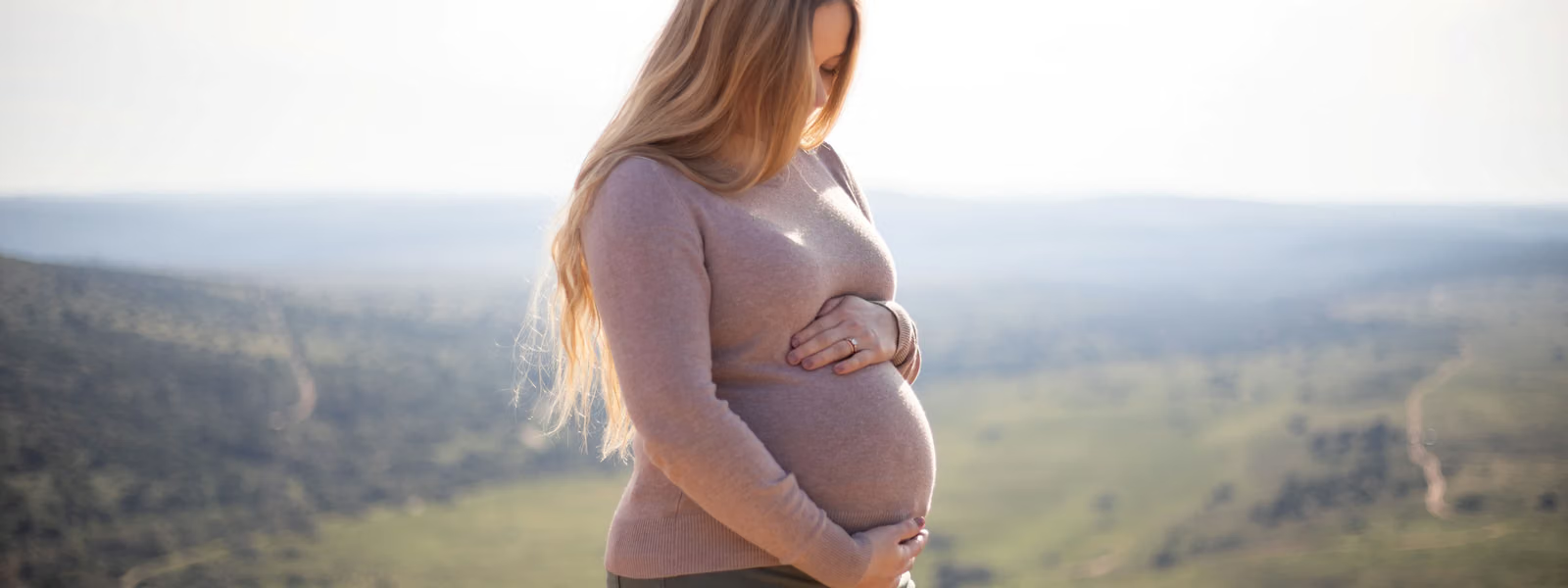
Planning a holiday before your baby arrives can be a special opportunity to relax, spend time with your partner and enjoy a change of surroundings. Babymoon safaris in East Africa may appeal to couples who love wildlife, beautiful landscapes and peaceful accommodation. However, travelling during pregnancy requires careful medical assessment, particularly when visiting remote wildlife areas.
Uganda, Kenya, Tanzania and Rwanda offer safari experiences ranging from game drives to lakeside retreats and comfortable lodges. Yet pregnancy introduces important considerations involving malaria, travel vaccinations, long journeys, medical facilities and physical activities.
A safari may be unsuitable during some pregnancies or at certain destinations. Malaria is particularly concerning because infection during pregnancy can cause serious complications for both mother and baby. Avoiding travel to malaria-transmission areas during pregnancy is the safest option whenever possible.
Before making reservations, discuss your complete itinerary with your maternity healthcare provider and a travel-health specialist.
This guide explains which questions to ask your doctor, what to confirm with safari lodges and how to assess whether a proposed babymoon is appropriate.
What Is a Babymoon Safari?
A babymoon is a holiday taken before the arrival of a baby.
Couples often use this time to relax and enjoy activities together before their family circumstances change.
A safari babymoon may include scenic accommodation, wildlife viewing and quiet afternoons.
However, pregnancy-related health considerations should determine whether the trip is suitable.
Important Babymoon Planning Considerations
| Requirement | What to consider |
|---|---|
| Pregnancy stage | Medical advice and travel suitability |
| Destination | Malaria and other infectious disease risks |
| Accommodation | Comfort and access to medical care |
| Transport | Driving duration and road conditions |
| Activities | Physical demands and safety |
| Vaccinations | Pregnancy-specific recommendations |
| Travel insurance | Pregnancy coverage and exclusions |
| Emergency arrangements | Access to suitable maternity care |
What to Ask Your Doctor Before Booking
Your first step should be a medical consultation.
Explain where you intend to travel, how long you will stay and which activities you are considering.
Your doctor can assess your individual circumstances and advise whether travelling is appropriate.
Essential Questions for Your Doctor
Is my pregnancy suitable for international travel?
Should I avoid particular destinations?
What infectious disease risks exist along my route?
Are any travel vaccinations recommended?
Is malaria prevention appropriate and available?
How should I manage long flights and road journeys?
Which activities should I avoid?
What symptoms require urgent medical attention?
What medical records should I carry?
Would postponing the holiday be safer?
Advice depends on your medical history, pregnancy complications and destination.
Understanding the Best Time to Travel During Pregnancy
Some pregnant travellers feel more comfortable during the middle months of pregnancy.
However, there is no universally safe travel period.
The second trimester is often associated with fewer early pregnancy symptoms, but complications can occur at any stage.
Pregnancy Stages and Travel Planning
| Pregnancy stage | Important consideration |
|---|---|
| First trimester | Nausea, fatigue and early pregnancy complications |
| Second trimester | Individual comfort and medical suitability |
| Third trimester | Increased travel restrictions and proximity to delivery |
Airlines may restrict travel later in pregnancy.
Some require medical documentation showing your expected delivery date.
Check the policies of every airline included in your itinerary.
Malaria Risks During a Babymoon Safari
Malaria is one of the most important health considerations for pregnant travellers visiting parts of East Africa.
The disease can be more severe during pregnancy and may increase the risk of miscarriage, premature birth and stillbirth.
Many well-known safari areas are located in malaria-transmission regions.
Questions About Malaria
Ask your travel-health specialist:
Does my proposed destination have malaria transmission?
Would postponing the safari be safer?
Are suitable preventive medicines available during pregnancy?
What mosquito protection should I use?
What should I do if I develop a fever?
Where can I obtain urgent medical care?
No malaria prevention method provides complete protection.
Where malaria transmission occurs, postponing non-essential safari travel until after pregnancy is generally the safer choice.
Vaccinations and Pregnancy
International travel may involve vaccinations that require special consideration during pregnancy.
Yellow fever vaccination is particularly important because it contains a live, weakened virus.
Pregnant travellers are generally advised to avoid yellow fever risk areas where possible.
If travel cannot be postponed, a specialist must assess the risks and benefits of vaccination.
Vaccination Discussion Checklist
| Question | Reason |
|---|---|
| Are my routine vaccinations current? | General disease protection |
| Is yellow fever vaccination relevant? | Destination risk and entry rules |
| Can vaccination be postponed? | Pregnancy-specific considerations |
| Is a medical exemption appropriate? | Possible entry documentation |
| Are other infections circulating? | Destination-specific assessment |
Medical exemptions do not automatically guarantee entry into every country.
Confirm relevant border requirements before travelling.
Other Mosquito-Borne Disease Risks
Mosquitoes can transmit illnesses besides malaria, including dengue, chikungunya and Zika.
Some infections may create additional concerns during pregnancy.
Ask a travel-health professional to review current disease information for your exact destination.
Use pregnancy-appropriate insect protection according to professional advice.
Do not assume that staying at a luxury lodge removes the risk of mosquito exposure.
Choosing a Suitable Babymoon Destination
A destination should be assessed according to medical risks, travel distances and access to suitable healthcare.
Popular wildlife areas are not automatically appropriate during pregnancy.
Comparing East African Travel Options
| Destination type | Main consideration |
|---|---|
| Remote safari camp | Limited emergency medical access |
| Savannah national park | Potential malaria exposure |
| Mountain retreat | Elevation and medical access |
| Lakeside resort | Location-specific disease risks |
| Urban hotel | Usually closer to major healthcare facilities |
| Coastal resort | Mosquito exposure and medical access |
Uganda, Kenya, Tanzania and Rwanda contain different environments, but each proposed itinerary requires an individual assessment.
For some couples, postponing a wildlife safari and choosing a lower-risk destination may be preferable.
What to Ask Your Safari Lodge
Accommodation arrangements matter when travelling during pregnancy.
Before booking, explain your requirements and ask detailed questions.
Essential Questions for Your Lodge
| Question | Importance |
|---|---|
| How far is the nearest suitable hospital? | Emergency planning |
| Is transport available at all hours? | Medical access |
| Are rooms easily accessible? | Comfort and mobility |
| Is drinking water reliably safe? | Food and water safety |
| Can meals accommodate dietary requirements? | Suitable nutrition |
| Are rooms protected against mosquitoes? | Bite prevention |
| Is electricity reliable? | Essential equipment |
| Can activities be cancelled or changed? | Flexibility |
Ask for specific answers rather than relying on general assurances that the lodge is pregnancy-friendly.
Choosing Comfortable Safari Accommodation
If your healthcare provider considers the journey appropriate, accommodation should support rest and convenience.
Look for comfortable beds, reliable bathrooms, accessible dining areas and minimal walking distances.
Some safari lodges have steep pathways or rooms far from communal facilities.
Accommodation Features Worth Considering
Ground-floor rooms.
Comfortable bedding.
Private bathroom.
Reliable drinking water.
Suitable mosquito protection.
Flexible meal arrangements.
Convenient transport access.
Quiet surroundings.
Privacy and comfort are useful, but reliable access to medical care remains more important than luxury facilities.
Are Game Drives Suitable During Pregnancy?
Game drives involve extended sitting and sometimes rough vehicle movement.
Uneven roads can cause discomfort, particularly during later pregnancy.
Discuss proposed driving conditions with your maternity healthcare provider.
A comfortable private vehicle may offer greater flexibility than a shared safari.
Vehicle Considerations
| Feature | Potential benefit |
|---|---|
| Comfortable seating | Reduces discomfort |
| Seat belt | Essential travel safety |
| Private vehicle | Flexible breaks |
| Manageable driving distances | Less prolonged sitting |
| Experienced driver | Careful driving |
| Suitable entry height | Easier boarding |
Wear the lap belt low across the hips, beneath the abdomen, and position the shoulder belt correctly across the chest.
Avoid activities involving unnecessary jolting or injury risks.
Planning Rest Days and Comfortable Travel
A demanding itinerary may involve early departures, long road journeys and frequent accommodation changes.
If travel is medically appropriate, choose a slower programme.
Allow time for meals, hydration and relaxation.
Example Relaxed Daily Schedule
| Time | Suggested activity |
|---|---|
| 7:30 am | Breakfast |
| 9:00 am | Optional short activity |
| 11:00 am | Return to accommodation |
| 12:30 pm | Lunch |
| 1:30 pm | Rest |
| 4:00 pm | Relaxation at the lodge |
| 6:30 pm | Dinner |
This is an example of pacing, not confirmation that safari activities are medically safe.
Your doctor should approve the proposed travel arrangements.
Food and Drinking Water Safety
Food and water precautions are particularly important during pregnancy.
Choose freshly prepared, thoroughly cooked meals.
Avoid unpasteurised dairy products, undercooked meat and foods that may carry foodborne infections.
Drink water from a reliably safe source.
Ask your lodge about food preparation standards and available dietary options.
If you develop persistent vomiting, diarrhoea or fever, seek medical assessment promptly.
Activities to Discuss With Your Doctor
Some common safari activities involve demanding physical conditions or limited access to medical assistance.
Activity Planning Checklist
| Activity | Main concern |
|---|---|
| Game drives | Rough roads and prolonged sitting |
| Boat excursions | Boarding, movement and emergency access |
| Nature walks | Terrain and physical exertion |
| Mountain trekking | Altitude and demanding activity |
| Gorilla trekking | Steep terrain and strenuous walking |
| Resort relaxation | Destination health risks remain |
Do not undertake demanding trekking or remote activities without individual medical advice.
Travel Insurance for Pregnant Travellers
Standard travel insurance does not always cover every pregnancy-related situation.
Check whether your policy includes emergency pregnancy complications, hospital treatment and medical evacuation.
Ask about gestational limits and exclusions.
Insurance Questions
Confirm:
Are pregnancy complications covered?
Does the policy cover emergency evacuation?
Are remote destinations included?
Are there restrictions based on pregnancy stage?
What documents are required for claims?
Are cancellation costs covered if travel becomes medically unsuitable?
Request written confirmation of important coverage details.
Warning Signs That Require Medical Attention
Pregnant travellers should know when to seek immediate assistance.
Important warning signs include vaginal bleeding, severe abdominal pain, severe headache, visual disturbances, fainting, chest pain, difficulty breathing, fluid leakage or reduced fetal movements when movements are normally established.
A fever during or after visiting a malaria-risk area also requires urgent medical assessment.
Do not continue a remote safari when serious symptoms develop.
Common Babymoon Planning Mistakes
Booking before medical advice: Discuss the itinerary first.
Ignoring malaria: Avoid non-essential travel to transmission areas.
Choosing remote accommodation: Consider emergency healthcare access.
Assuming luxury means medical safety: Verify actual facilities.
Overloading the itinerary: Allow rest.
Ignoring airline restrictions: Check pregnancy policies.
Buying unsuitable insurance: Review exclusions carefully.
Babymoon Safaris
Babymoon safaris in East Africa may sound attractive to couples who enjoy wildlife and peaceful surroundings, but pregnancy requires careful medical planning.
Before booking Uganda, Kenya, Tanzania or Rwanda, discuss infectious disease risks, travel vaccinations, medical access and proposed activities with qualified healthcare professionals.
Malaria and other destination-specific risks may make postponement the safest choice.
If travel is medically appropriate, choose reliable accommodation, manageable journeys and flexible arrangements.
Your health and your baby’s wellbeing should remain the priority throughout every stage of planning.


No comment