
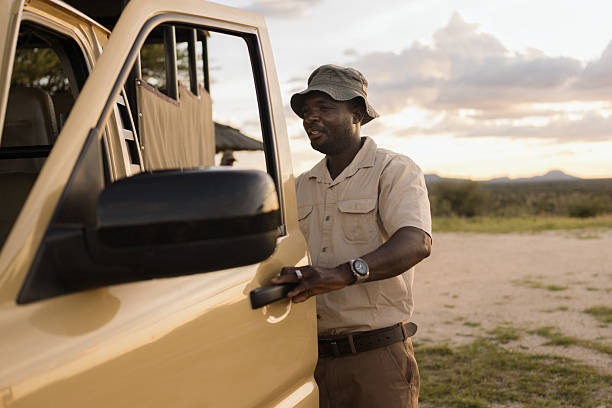
A Day in the Life of a Safari Guide
A day in the life of a safari guide begins long before most visitors wake up. While guests are still sleeping, guides prepare vehicles, check weather conditions and plan routes through national parks. Their responsibility is to help travellers observe wildlife safely while explaining the animals, landscapes and conservation work around them.
Safari guiding is one of the most important professions in East African tourism. In Uganda, Kenya, Tanzania and Rwanda, guides introduce visitors to wildlife destinations while managing transport, schedules and unexpected situations.
Their work requires patience, wildlife knowledge, communication skills and careful decision-making.
Although tourists often remember exciting encounters with lions, elephants or gorillas, a safari guide’s working day involves much more than finding animals.
Understanding their daily responsibilities gives travellers a greater appreciation of the people who make African safaris possible.
5:00 AM: Preparing Before Sunrise
Many safari guides begin working between 5:00 am and 6:00 am, depending on the destination and planned activities.
Early preparation is important because wildlife viewing often starts shortly after sunrise.
Before collecting guests, guides inspect their vehicles and confirm the day’s arrangements.
Checking the Safari Vehicle
A guide may inspect:
Tyres and tyre pressure.
Fuel levels.
Engine oil and coolant.
Brakes and lights.
Radio or phone communication.
First-aid equipment.
Drinking water supplies.
These checks help reduce mechanical problems during game drives.
In remote national parks, reliable vehicles are especially important because assistance may be far away.
Planning the Game Drive
Guides consider weather, road conditions, animal movements and recent wildlife sightings.
For example, a guide in Queen Elizabeth National Park may choose different tracks depending on where lions or elephants were recently observed.
However, previous sightings never guarantee that animals will remain in the same area.
6:00 AM: Meeting Safari Guests
After preparing the vehicle, the guide meets the travellers.
Guests may receive a short briefing about the day’s activities, expected travelling time and safety procedures.
The guide also confirms whether everyone has suitable clothing, water and photography equipment.
Explaining Safety Rules
Visitors are reminded to remain inside the vehicle unless permitted to leave.
They should avoid feeding wildlife, making unnecessary noise or attempting to attract animals.
A good guide explains these rules clearly without making guests uncomfortable.
The briefing is particularly useful for first-time safari travellers.
6:30 AM: Starting the Morning Game Drive
Morning game drives are among the most popular safari activities.
Temperatures are often cooler, and some animals are more active before the day becomes hot.
Guides drive slowly along authorised tracks while observing the surrounding vegetation.
Searching for Wildlife
An experienced guide looks for more than visible animals.
They may notice:
Fresh footprints.
Animal droppings.
Broken branches.
Movement in tall grass.
Alarm calls from birds or antelopes.
Changes in animal behaviour.
These signs can help identify wildlife activity nearby.
For example, antelopes suddenly watching one direction may indicate the presence of a predator.
However, guides must interpret such behaviour carefully.
Explaining Animal Behaviour
When wildlife appears, the guide explains what visitors are observing.
Travellers may learn why elephants gather around water, how giraffes feed or why lions spend long periods resting.
Good explanations make wildlife encounters more informative.
8:00 AM: Managing Wildlife Encounters
Finding an animal is only part of a guide’s responsibility.
The guide must also position the vehicle safely and avoid disturbing wildlife.
Keeping Appropriate Distances
Guides assess animal behaviour before approaching.
An elephant with a young calf may require more space than one calmly feeding at a distance.
Lions resting beside a track should never be surrounded or pressured to move.
Responsible guides follow national park regulations concerning viewing distances and vehicle movement.
Helping Guests Take Photographs
Wildlife photography requires patience.
Guides may position vehicles to provide clear views while remaining on permitted tracks.
They consider sunlight, vegetation and animal movement.
However, photography should never take priority over wildlife welfare.
9:30 AM: Breakfast and a Short Break
Depending on the itinerary, guests may return to their lodge or enjoy a packed breakfast at an authorised stopping point.
The guide uses this time to review the morning’s activities and discuss the remaining programme.
A breakfast stop also provides an opportunity to answer questions.
Visitors may ask about animal populations, local communities or conservation challenges.
Guides often share knowledge gained through years of working in the same destination.
11:00 AM: Wildlife Knowledge and Conservation
Safari guiding involves explaining how protected areas function.
Guides help visitors understand relationships between wildlife, habitats and local communities.
Teaching Visitors About Conservation
Common subjects include:
Habitat protection.
Wildlife monitoring.
Human-wildlife conflict.
Anti-poaching activities.
Responsible tourism.
Community conservation initiatives.
For example, guides working around Murchison Falls National Park may explain how elephants move through different habitats.
In Kenya’s community conservancies, guides may discuss how tourism can contribute to local livelihoods.
Supporting Responsible Tourism
Guides encourage visitors to respect animals and avoid damaging natural environments.
They also explain why certain roads are closed or why visitors cannot leave vehicles in particular areas.
These rules protect wildlife and reduce unnecessary risks.
12:30 PM: Lunch and Vehicle Preparation
Many safari programmes include a midday break.
Guests may return to their accommodation for lunch and relaxation.
The guide may use the break to prepare for afternoon activities.
Tasks can include checking fuel, cleaning dusty windows and reviewing the next route.
For longer journeys, guides also monitor travelling time and road conditions.
Their responsibilities continue even when guests are resting.
2:30 PM: Afternoon Safari Activities
Afternoon programmes vary according to the destination.
Some visitors enjoy another game drive, while others participate in boat excursions or guided nature activities.
Boat Safaris
In Uganda, the Kazinga Channel and River Nile offer popular boat-based wildlife experiences.
Guides help coordinate departures and explain what visitors may see.
Hippos, crocodiles, elephants and waterbirds are among the animals commonly observed around suitable waterways.
Nature Walks
Where permitted, guided walks introduce visitors to smaller wildlife, vegetation and animal tracks.
Walking activities require appropriate authorisation and qualified personnel.
Guides must maintain safety procedures throughout the experience.
4:30 PM: The Afternoon Game Drive
Late afternoon can provide rewarding wildlife viewing opportunities.
Temperatures begin to fall, and some animals become more active.
Guides may revisit productive areas or explore different tracks.
However, they must respect park operating hours.
Wildlife sightings can be unpredictable, so experienced guides avoid promising particular animals.
Instead, they focus on giving visitors opportunities to observe natural behaviour.
6:30 PM: Returning to the Lodge
After the day’s activities, the guide returns guests to their accommodation.
The exact time depends on park regulations and the itinerary.
Visitors may discuss their favourite wildlife encounters.
The guide also confirms arrangements for the following day.
If guests are travelling to another destination, departure times and luggage requirements are explained.
7:30 PM: Preparing for Tomorrow
A safari guide’s day does not always finish after dropping guests at the lodge.
Additional duties may include checking vehicle conditions, updating travel arrangements and communicating with the tour operator.
Guides may also review weather forecasts and road information.
Some prepare notes about wildlife sightings to assist future activities.
Rest is important because guiding requires concentration and long working hours.
Skills Every Good Safari Guide Needs
| Skill | How it helps visitors |
|---|---|
| Wildlife knowledge | Explains animals and habitats |
| Safe driving | Reduces transport risks |
| Communication | Makes information easy to understand |
| Patience | Allows natural wildlife encounters |
| Navigation | Supports efficient park travel |
| First-aid awareness | Helps manage emergencies |
| Local knowledge | Introduces culture and communities |
Professional training and experience help guides develop these abilities.
Challenges Safari Guides Face
Long Working Hours
Guides may work early mornings, evenings and extended travel days.
They must remain attentive despite changing schedules.
Difficult Road Conditions
Remote safari roads can become muddy, dusty or uneven.
Guides need good driving skills and sound judgement.
Unpredictable Wildlife
Animals move freely, meaning sightings cannot be guaranteed.
Guides must manage visitor expectations honestly.
Different Visitor Expectations
Some travellers concentrate on photography, while others prefer birdwatching or general sightseeing.
An experienced guide adjusts explanations and activities where possible.
How Travellers Can Support Their Safari Guides
Visitors can make guiding easier through cooperation and respectful behaviour.
Follow instructions, arrive on time and communicate your interests clearly.
Avoid pressuring guides to drive off-road or approach animals too closely.
Ask questions when you want additional information.
If your guide provides excellent service, an appropriate tip can be a welcome gesture, although tipping remains voluntary.
Frequently Asked Questions
What Time Do Safari Guides Start Working?
Many begin before sunrise, often around 5:00 am, depending on the itinerary.
Do Safari Guides Guarantee Wildlife Sightings?
No. Wild animals move naturally, and sightings depend on environmental conditions.
Are Safari Guides Trained?
Professional guides generally receive training or practical instruction, although qualifications vary between countries and employers.
Do Guides Work Every Day?
Schedules vary. Guides require rest periods, and working arrangements depend on their employer and safari programme.
A day in the life of a safari guide involves preparation, wildlife observation, safe driving, visitor education and careful planning.
Guides work behind the scenes to organise enjoyable wildlife experiences while respecting national park regulations.
Their knowledge helps travellers understand animals and the environments they inhabit.
By following instructions, asking questions and respecting their work, visitors can enjoy more informative and responsible African safaris.





No comment