
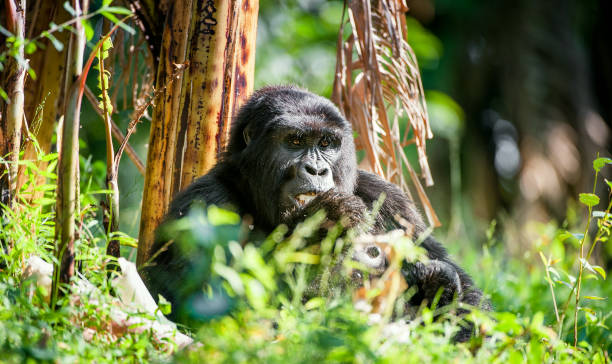
World Gorilla Day on 24 September: How Uganda and Rwanda Mark It
World Gorilla Day is celebrated every year on 24 September to raise awareness about gorilla conservation and encourage people to protect these endangered primates. The occasion brings attention to the work of wildlife rangers, researchers, veterinarians and communities living near gorilla habitats.
In East Africa, Uganda and Rwanda play important roles in mountain gorilla conservation. Both countries protect mountain gorillas in national parks and support tourism activities that contribute to conservation funding.
World Gorilla Day provides an opportunity to recognise these efforts, discuss continuing threats and encourage responsible wildlife tourism.
Activities may include conservation education, community initiatives, public awareness campaigns and support for wildlife protection programmes.
For travellers planning a gorilla safari, understanding how Uganda and Rwanda mark World Gorilla Day provides useful information about the people and organisations working to protect these animals.
What Is World Gorilla Day?
World Gorilla Day is an international awareness event observed annually on 24 September.
It was first celebrated in 2017.
The date commemorates the establishment of the Karisoke Research Center in Rwanda by primatologist Dian Fossey on 24 September 1967.
Her research helped increase scientific understanding of mountain gorillas and the threats affecting their survival.
Today, World Gorilla Day encourages conservation organisations, educational institutions and wildlife supporters to promote gorilla protection.
The occasion also recognises the importance of protecting natural habitats and supporting communities living near gorilla populations.
Why Mountain Gorillas Need Protection
Mountain gorillas live in a limited geographical area within East Africa.
Their populations occur in the Bwindi region of Uganda and the Virunga mountain landscape shared by Uganda, Rwanda and the Democratic Republic of Congo.
These forests provide food, shelter and suitable breeding habitats.
However, mountain gorillas face several conservation challenges.
Important threats include:
Habitat loss and degradation.
Disease transmission from humans.
Injuries caused by wire snares.
Human activities near protected forests.
Limited available habitat.
Human-wildlife conflict.
Pressure on surrounding natural resources.
Continued protection requires cooperation between governments, conservation organisations and local communities.
How Uganda Marks World Gorilla Day
Uganda uses World Gorilla Day to recognise its mountain gorilla conservation achievements and encourage continued protection.
The Uganda Wildlife Authority works with conservation partners to communicate the importance of gorilla habitats.
Activities can include environmental education, community conservation programmes and public awareness initiatives.
Specific events vary between years.
Conservation Awareness Campaigns
World Gorilla Day provides an opportunity to explain the threats affecting mountain gorillas.
Conservation organisations may share educational materials and information about wildlife protection.
These activities help people understand how gorilla conservation depends on habitat protection, veterinary care and responsible tourism.
Community Tree Planting
In 2026, community tree planting activities near Bwindi were among the initiatives associated with World Gorilla Day.
Such projects can support restoration and provide useful trees for communities living near protected forests.
However, planting success depends on suitable species, locations and long-term maintenance.
Recognising Wildlife Rangers
Rangers protect gorilla habitats through monitoring and patrols.
World Gorilla Day provides an opportunity to recognise their work.
Their responsibilities include detecting illegal activities, supporting wildlife protection and helping conservation teams operate safely.
Uganda’s Main Mountain Gorilla Habitats
Uganda protects mountain gorillas in two national parks.
| National park | Location | Conservation importance |
|---|---|---|
| Bwindi Impenetrable National Park | Southwestern Uganda | Protects the Bwindi mountain gorilla population |
| Mgahinga Gorilla National Park | Southwestern Uganda | Forms part of the wider Virunga mountain landscape |
Both parks support conservation activities and regulated gorilla trekking.
Visitors must follow wildlife authority guidelines to reduce disturbance and disease risks.
How Rwanda Marks World Gorilla Day
Rwanda recognises World Gorilla Day through conservation awareness and activities associated with protecting mountain gorillas.
Volcanoes National Park is the country’s main mountain gorilla habitat.
Conservation organisations working in Rwanda use educational programmes, research and community engagement to support gorilla protection.
The country also hosts Kwita Izina, its internationally recognised gorilla naming ceremony.
However, Kwita Izina and World Gorilla Day are separate events.
Their dates do not necessarily coincide.
Kwita Izina and World Gorilla Day
Kwita Izina celebrates the naming of young mountain gorillas born in Rwanda.
The ceremony also draws attention to conservation achievements and the importance of community involvement.
In 2021, Rwanda held Kwita Izina on 24 September, aligning the ceremony with World Gorilla Day.
However, the naming ceremony does not take place on World Gorilla Day every year.
For example, Rwanda’s 2026 Kwita Izina programme took place earlier in September.
Travellers should check the official event schedule when planning a visit.
Comparing World Gorilla Day Activities
| Conservation activity | Uganda | Rwanda |
|---|---|---|
| Public conservation education | Yes | Yes |
| Gorilla habitat protection | Ongoing | Ongoing |
| Ranger and tracker recognition | Relevant to conservation activities | Relevant to conservation activities |
| Community conservation initiatives | Yes | Yes |
| Gorilla health monitoring | Supported through conservation partnerships | Supported through conservation partnerships |
| Kwita Izina ceremony | Not applicable | Separate annual conservation event |
These activities represent conservation priorities and examples of observances, not a fixed programme guaranteed every 24 September.
The Role of Gorilla Doctors
Mountain gorilla health is an important conservation concern.
Gorilla Doctors works with wildlife authorities and conservation partners in Uganda, Rwanda and the Democratic Republic of Congo.
Veterinary teams monitor gorillas and respond to certain serious illnesses or injuries.
Their work includes disease surveillance and assessments of injured animals.
World Gorilla Day offers an opportunity to recognise the importance of wildlife veterinary medicine.
However, veterinary interventions are professional activities and are not ordinarily open to tourists.
How Gorilla Trekking Supports Conservation
Gorilla trekking is an important tourism activity in Uganda and Rwanda.
Visitors purchase permits to join authorised tracking experiences.
Revenue contributes to wildlife management through the relevant national systems.
Gorilla tourism also supports employment for guides, trackers, porters and accommodation workers.
However, the financial arrangements differ between countries.
Travellers should not assume that every permit payment goes directly towards a single conservation activity.
Responsible tourism supports conservation most effectively when visitors follow park regulations and choose authorised operators.
Rules That Protect Gorillas During Trekking
Mountain gorillas can be vulnerable to certain human illnesses.
Visitors must therefore follow health and behaviour requirements.
Important precautions include:
Avoid trekking when unwell.
Follow current mask requirements.
Maintain the required viewing distance.
Never touch or feed gorillas.
Follow instructions from authorised guides.
Avoid sudden movements.
Respect the permitted viewing time.
These rules apply throughout the year, including World Gorilla Day.
How Local Communities Participate
Communities living near gorilla habitats are important conservation partners.
Some residents work in tourism, agriculture, accommodation and conservation-related activities.
Revenue-sharing and community development programmes can support local services.
In Uganda, eligible neighbouring communities benefit from an established park revenue-sharing system.
Rwanda also directs a portion of national park tourism revenue towards community projects.
These programmes can support education, infrastructure and livelihoods.
However, effective conservation requires continued community participation and fair management.
Can Tourists Attend World Gorilla Day Events?
Some conservation awareness activities may be open to members of the public.
However, programmes vary annually.
Travellers should confirm whether an event is taking place and whether visitors can attend.
World Gorilla Day does not automatically provide special access to gorilla habitats.
Normal permits, park rules and booking arrangements still apply.
If you want to participate in an educational event, contact an appropriate organiser before travelling.
Planning Gorilla Trekking Around 24 September
September can be a suitable month for gorilla trekking in Uganda and Rwanda.
However, mountain weather remains unpredictable.
Rain is possible throughout the year.
Popular trekking dates may attract considerable demand.
Book permits in advance and allow sufficient time for travel.
| Destination | Main activity | Planning consideration |
|---|---|---|
| Bwindi, Uganda | Mountain gorilla trekking | Book permits early |
| Mgahinga, Uganda | Mountain gorilla trekking | Confirm permit availability |
| Volcanoes, Rwanda | Mountain gorilla trekking | Arrange transport and permits |
| Musanze, Rwanda | Conservation-related tourism | Check event schedules |
You should not assume that World Gorilla Day automatically includes a public ceremony in every destination.
Other Ways to Support World Gorilla Day
You can contribute to gorilla conservation even when you cannot visit East Africa.
Consider supporting established conservation organisations that provide clear information about their work.
You can also participate in educational discussions and encourage responsible wildlife tourism.
If you are travelling, choose authorised gorilla trekking experiences.
Respect local communities and follow conservation rules.
Avoid activities that encourage unnecessary contact with gorillas.
Responsible behaviour provides practical support for long-term protection.
Why Gorilla Conservation Requires Regional Cooperation
Mountain gorillas occur across international boundaries.
The Virunga population occupies habitats connected to Uganda, Rwanda and the Democratic Republic of Congo.
This creates a need for cooperation between wildlife authorities and conservation organisations.
Shared priorities include habitat protection, disease monitoring and wildlife research.
World Gorilla Day encourages recognition of these efforts.
Although each country manages its protected areas separately, the long-term future of mountain gorillas depends partly on continued regional coordination.
Challenges That Remain
Mountain gorilla conservation has achieved important progress, but threats remain.
Human populations living near protected forests may face pressure on land and natural resources.
Diseases can affect gorilla groups.
Illegal snares intended for other animals may cause serious injuries.
Conservation programmes also need reliable long-term funding.
World Gorilla Day helps maintain public attention on these challenges.
However, meaningful protection depends on work carried out throughout the year.
World Gorilla Day on 24 September recognises the importance of protecting gorillas and their natural habitats.
Uganda and Rwanda mark the occasion through conservation awareness and related initiatives, while continuing their wider programmes in research, tourism, community development and wildlife protection.
Uganda’s gorilla habitats include Bwindi and Mgahinga, while Rwanda protects mountain gorillas in Volcanoes National Park.
For travellers, the occasion provides an opportunity to learn more about conservation and make responsible safari choices.
Protecting mountain gorillas requires continued action long after World Gorilla Day has ended.



No comment