
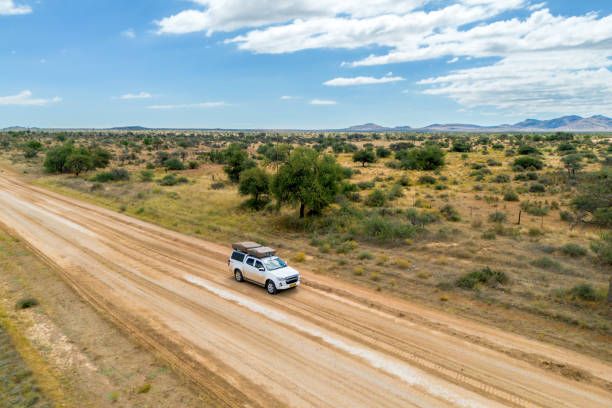
Namibia Self-Drive: A 10-Day Route Through Dunes, Coast and Wildlife
A Namibia 10-day self-drive itinerary offers an unforgettable journey through dramatic deserts, Atlantic Ocean scenery, ancient rock formations and wildlife-rich national parks. From the towering red dunes of Sossusvlei to the coastal town of Swakopmund and the famous waterholes of Etosha National Park, Namibia is one of Southern Africa’s most rewarding road-trip destinations.
Unlike organised group safaris, a self-drive holiday allows travellers to explore independently, stop at beautiful viewpoints and spend longer in destinations that interest them.
Namibia’s extensive road network makes independent travel possible, although gravel roads, remote landscapes and long driving distances require careful preparation.
This practical ten-day itinerary begins and ends in Windhoek, combining famous attractions with comfortable overnight stops and realistic travel planning.
Why Choose a Namibia Self-Drive Safari?
Namibia is particularly attractive to travellers who enjoy open landscapes and independent exploration.
The country contains enormous deserts, picturesque mountains, coastal towns and excellent wildlife reserves.
Many popular destinations are connected by established roads, while national parks offer accommodation and visitor facilities.
A self-drive safari provides flexibility without requiring travellers to follow a fixed group schedule.
Quick Facts About Namibia Self-Drive Travel
| Feature | Description |
|---|---|
| Country | Namibia |
| Starting point | Windhoek |
| Trip duration | 10 days |
| Overnight stays | 9 nights |
| Main attractions | Sossusvlei, Swakopmund, Damaraland and Etosha |
| Recommended vehicle | High-clearance SUV or 4WD |
| Approximate distance | 2,200–2,600 kilometres |
| Driving side | Left |
| Recommended season | May–October |
| Currency | Namibian dollar |
| Main experience | Desert, coast and wildlife |
Overview of the 10-Day Namibia Route
This itinerary follows a broad clockwise route from Windhoek through the Namib Desert, Atlantic coastline, Damaraland and Etosha.
Namibia Self-Drive Route Summary
| Day | Destination | Overnight |
|---|---|---|
| Day 1 | Arrival in Windhoek | Windhoek |
| Day 2 | Windhoek to Sesriem | Sesriem |
| Day 3 | Sossusvlei and Deadvlei | Sesriem |
| Day 4 | Sesriem to Swakopmund | Swakopmund |
| Day 5 | Walvis Bay and coastal activities | Swakopmund |
| Day 6 | Swakopmund to Damaraland | Twyfelfontein area |
| Day 7 | Damaraland to Etosha | Okaukuejo |
| Day 8 | Central Etosha | Halali |
| Day 9 | Eastern Etosha | Namutoni |
| Day 10 | Etosha to Windhoek | Departure |
The itinerary includes several long driving days, so travellers should start early and avoid travelling after dark.
Day One: Arrive in Windhoek
Windhoek is Namibia’s capital and the main starting point for many international visitors.
Most travellers arrive through Hosea Kutako International Airport, located outside the city.
After arrival, collect your rental vehicle and check into your accommodation.
Preparing for the Road Trip
Inspect the vehicle before leaving the rental office.
Check tyres, spare wheel, tools and emergency equipment.
Confirm insurance coverage and roadside assistance arrangements.
Purchase drinking water, snacks and essential supplies.
Download offline navigation maps because mobile coverage can be unreliable in remote areas.
Spend the night in Windhoek rather than beginning a long drive immediately after an international flight.
Day Two: Windhoek to Sesriem
Leave Windhoek early and travel southwest towards the Namib Desert.
The journey to Sesriem covers approximately 300–400 kilometres, depending on the selected route.
Allow five to seven hours, including stops.
What Makes the Journey Interesting?
The scenery changes gradually from highland vegetation to dry valleys, mountain passes and open desert landscapes.
Some routes pass through Solitaire, a small desert settlement popular for refreshments.
Road conditions vary, with significant gravel sections.
Arrive at Sesriem before sunset and prepare for an early start the following morning.
Day Three: Sossusvlei and Deadvlei
Sossusvlei is one of Namibia’s most spectacular natural attractions.
Its enormous red dunes create remarkable scenery, especially during sunrise.
Main Attractions
Dune 45: A famous dune offering beautiful views across the surrounding desert.
Deadvlei: An ancient clay pan containing dead camel thorn trees surrounded by towering orange dunes.
Big Daddy: A challenging dune climb overlooking Deadvlei.
Sesriem Canyon: A narrow geological formation shaped by water erosion.
Important Visiting Advice
Gate opening times depend on the season and accommodation location.
Visitors staying within the designated inner-gate accommodation area may receive earlier access.
The final approach to Sossusvlei contains deep sand and requires an appropriate vehicle or authorised shuttle.
Avoid strenuous dune climbing during extreme midday heat.
Day Four: Sesriem to Swakopmund
Travel northwest towards Namibia’s Atlantic Ocean coastline.
The journey generally takes five to seven hours, depending on the route and stops.
Desert Landscapes Along the Way
Travellers pass through sections of the Namib Desert containing gravel plains, rocky mountains and dramatic open scenery.
Swakopmund provides a refreshing contrast to the hot desert.
The town is known for its coastal setting, historic architecture, restaurants and adventure activities.
Spend the afternoon exploring the town before settling into your accommodation.
Day Five: Walvis Bay and Coastal Adventures
Spend the day exploring Swakopmund and nearby Walvis Bay.
The coastline offers excellent opportunities for marine wildlife watching and desert adventures.
Popular Coastal Activities
| Activity | Main attraction |
|---|---|
| Walvis Bay Lagoon | Flamingos and coastal birds |
| Marine boat cruise | Seals and possible dolphins |
| Sandwich Harbour | Dunes meeting the Atlantic Ocean |
| Swakopmund sightseeing | Historic streets and coastal scenery |
| Guided desert excursion | Desert plants and small wildlife |
Sandwich Harbour requires specialist transport and appropriate permits.
Travellers should use authorised operators rather than attempting unfamiliar dune routes independently.
Day Six: Swakopmund to Damaraland
Continue north and inland towards Damaraland.
The region is known for rugged mountains, ancient rock engravings and desert-adapted wildlife.
Visiting Twyfelfontein
Twyfelfontein is a UNESCO World Heritage Site containing remarkable prehistoric rock engravings.
Guided walks introduce visitors to images of animals and other ancient symbols.
The surrounding landscape contains unusual geological formations and beautiful desert scenery.
Responsible Heritage Tourism
Remain on designated walking routes.
Never touch or damage ancient engravings.
Follow the instructions of authorised guides.
Spend the night near Twyfelfontein to avoid unnecessary late driving.
Day Seven: Damaraland to Etosha National Park
Travel east towards Etosha National Park, one of Namibia’s finest wildlife destinations.
Allow sufficient time for gravel roads, fuel stops and national park entry.
Entering Etosha
Etosha is famous for its enormous salt pan and numerous wildlife waterholes.
Elephants, lions, giraffes, zebras, rhinos and antelope inhabit the protected area.
Arrive at Okaukuejo Rest Camp before gate closure.
If conditions permit, enjoy a short game drive.
After sunset, observe wildlife from the camp’s designated floodlit waterhole.
Day Eight: Central Etosha and Halali
Begin with an early morning wildlife drive.
Travel slowly through selected waterhole routes while heading towards Halali Rest Camp.
Wildlife to Look For
Elephants frequently visit waterholes during dry conditions.
Lions may rest beneath trees or travel across open areas.
Giraffes approach drinking places cautiously.
Zebras and springbok often gather in herds.
Waterhole Viewing Tips
| Tip | Recommendation |
|---|---|
| Driving | Maintain low speeds |
| Wildlife | Observe from the vehicle |
| Photography | Use a zoom lens |
| Timing | Early morning and late afternoon |
| Patience | Remain longer at productive waterholes |
| Safety | Respect park regulations |
Spend the evening at Halali, where the Moringa waterhole provides additional wildlife-viewing opportunities.
Day Nine: Eastern Etosha and Namutoni
Continue towards Namutoni in eastern Etosha.
The area contains attractive woodland habitats and several well-known waterholes.
Popular Wildlife Stops
Chudop is particularly famous for giraffe and other herbivore sightings.
Klein Namutoni provides opportunities to observe antelope and birds.
Other waterholes may attract elephants, zebras and occasional predators.
Wildlife movements vary daily, making every safari different.
Spend the night at Namutoni or nearby accommodation.
Day Ten: Etosha to Windhoek
Begin the return journey towards Windhoek early.
The route from eastern Etosha covers approximately 500–550 kilometres, depending on the selected roads.
Allow six to seven hours or longer, including breaks.
Important Departure Planning
Refuel before beginning long stretches.
Avoid unnecessary stops that could create delays.
Allow extra time for vehicle inspection and return.
Travellers with early international flights should consider adding another night in Windhoek.
A rushed departure increases the risk of unsafe driving.
Choosing the Right Rental Vehicle
A suitable vehicle is essential for comfortable independent travel.
Although many major roads are accessible using ordinary passenger cars, a high-clearance vehicle is preferable for extensive gravel-road journeys.
Vehicle Comparison
| Vehicle | Suitability |
|---|---|
| Small sedan | Limited on rough gravel |
| High-clearance SUV | Suitable for many routes |
| Four-wheel-drive vehicle | Greater flexibility |
| 4WD camper | Suitable for equipped camping |
| Guided safari vehicle | Alternative to self-driving |
Confirm tyre coverage, insurance excess and emergency assistance before signing the rental agreement.
Essential Namibia Driving Rules
Namibia drives on the left-hand side of the road.
Long distances and remote landscapes require careful driving.
Important Driving Precautions
Avoid driving after dark.
Reduce speed on gravel roads.
Watch for wildlife and livestock.
Carry sufficient drinking water.
Refuel whenever practical.
Check tyre condition regularly.
Respect national park speed limits.
Never drive on unauthorised tracks.
Gravel roads can become slippery, particularly after rainfall.
Best Time for a Namibia Self-Drive
May to October generally provides comfortable conditions for sightseeing and wildlife viewing.
However, temperatures differ considerably between coastal, desert and inland regions.
Seasonal Travel Guide
| Period | General conditions |
|---|---|
| January–March | Hot with occasional rainfall |
| April–May | Cooling temperatures |
| June–August | Cold mornings and dry weather |
| September–October | Excellent wildlife viewing |
| November–December | Warmer with possible rainfall |
Winter nights around Sesriem can be particularly cold.
Where to Stay During the Journey
Namibia offers accommodation ranging from simple campsites to luxury safari lodges.
Advance reservations are strongly recommended for popular destinations.
Recommended Accommodation Areas
| Destination | Accommodation |
|---|---|
| Windhoek | Hotel or guesthouse |
| Sesriem | Desert lodge or campsite |
| Swakopmund | Coastal hotel |
| Damaraland | Wilderness lodge |
| Okaukuejo | Etosha rest camp |
| Halali | National park accommodation |
| Namutoni | Rest camp or nearby lodge |
Staying inside designated park accommodation can provide convenient access to early morning wildlife activities.
How Much Does a 10-Day Namibia Road Trip Cost?
Costs depend on travel season, vehicle category, accommodation and activities.
Main Budget Considerations
| Expense | Planning advice |
|---|---|
| Car rental | Compare insurance packages |
| Fuel | Budget for long distances |
| Accommodation | Nine nights |
| National park fees | Etosha and Namib-Naukluft |
| Food | Restaurants and groceries |
| Guided activities | Optional excursions |
| Emergency funds | Allow for unexpected delays |
Request complete quotations before booking.
Responsible Self-Drive Tourism
Namibia’s deserts and wildlife habitats require careful protection.
Visitors should remain on designated roads and avoid disturbing animals.
Never remove plants, rocks or archaeological objects.
Dispose of waste responsibly.
Support local businesses and authorised guides whenever possible.
Responsible travel helps protect Namibia’s natural heritage.
Why This Namibia Road Trip Is Worth Taking
A ten-day Namibia self-drive holiday combines extraordinary landscapes with the freedom of independent exploration.
Sossusvlei introduces travellers to spectacular red dunes and ancient desert scenery.
Swakopmund provides Atlantic Ocean adventures, while Damaraland reveals remarkable geological and cultural attractions.
Etosha delivers memorable wildlife encounters through its famous waterholes.
With appropriate transport, realistic driving schedules and careful preparation, this route offers an unforgettable introduction to Namibia’s deserts, coastline and wildlife.



No comment