
Okavango Delta by Mokoro: What a Dugout Canoe Day Is Like
An Okavango Delta mokoro safari in Botswana offers one of Africa’s most peaceful wilderness experiences. Travelling through narrow waterways in a traditional canoe allows visitors to appreciate the extraordinary beauty of the Okavango Delta, where papyrus reeds, water lilies, wetlands and wildlife create a remarkable natural environment.
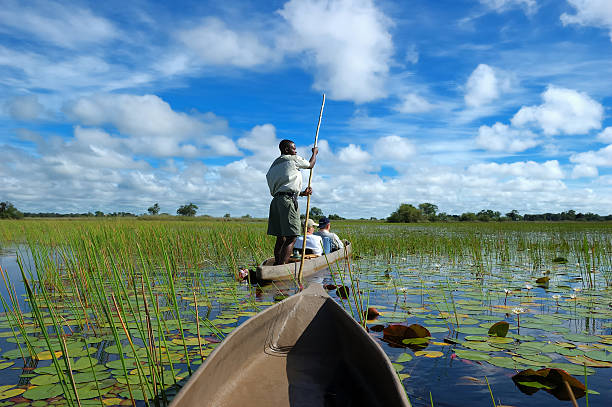
Unlike conventional game drives, where travellers explore the bush in safari vehicles, a mokoro excursion takes place close to the water. An experienced local guide, known as a poler, stands at the back of the canoe and uses a long pole to move it through shallow channels.
The experience is quiet, unhurried and especially rewarding for birdwatchers, photographers and travellers interested in discovering Africa’s wetlands.
A guided mokoro excursion can last a few hours or an entire day, depending on the location, water conditions and safari arrangements.
Where Is the Okavango Delta Located?
The Okavango Delta lies in northwestern Botswana, within the Kalahari Basin.
Unlike most major river systems, the Okavango River does not reach the ocean. Instead, its waters spread across an enormous inland delta before gradually evaporating or soaking into the ground.
The delta was recognised as a UNESCO World Heritage Site in 2014.
Quick Facts About Mokoro Safaris
| Feature | Description |
|---|---|
| Country | Botswana |
| Destination | Okavango Delta |
| Main gateway | Maun |
| Traditional transport | Mokoro canoe |
| Canoe operator | Local poler |
| Popular activities | Canoeing, birdwatching and guided walks |
| Typical duration | Half-day or full-day |
| Main habitats | Reeds, lagoons and flooded grasslands |
| Wildlife | Elephants, birds and antelope |
| Recommended season | May–September, depending on water levels |
What Is a Mokoro?
A mokoro is a narrow traditional canoe used to travel through the shallow waterways of the Okavango Delta.
Historically, mokoros were carved from large tree trunks.
Today, many tourism operators use fibreglass versions to reduce pressure on indigenous trees.
How Does a Mokoro Move?
Instead of using a motor, a poler stands at the back and pushes against the shallow lakebed with a long pole.
This traditional technique allows the canoe to move quietly through narrow channels.
Visitors sit low inside the canoe while enjoying the surrounding scenery.
Why Choose a Mokoro Safari?
A mokoro excursion provides a completely different perspective from an ordinary African safari.
The slow movement allows visitors to notice details that are easily missed during faster activities.
Mokoro Safari Versus Game Drive
| Experience | Mokoro safari | Game drive |
|---|---|---|
| Transport | Canoe | Safari vehicle |
| Main environment | Wetlands | Roads and tracks |
| Noise | Very quiet | Vehicle engine |
| Wildlife focus | Birds, frogs and wetland animals | Large mammals |
| Pace | Slow | Flexible |
| Main attraction | Peaceful water exploration | Wider wildlife search |
Both experiences complement one another.
Beginning Your Mokoro Adventure
Most day excursions traditionally begin with a transfer from Maun or a safari lodge to a suitable canoe departure point.
Some trips include road transport followed by a motorboat transfer.
Meeting Your Poler
Before departure, the guide explains how the canoe works.
Visitors receive instructions about sitting positions, movement and safety.
A properly fitted life jacket should be provided.
The poler then guides the canoe into the water.
Gliding Through Papyrus Channels
One of the most memorable parts of a mokoro safari is travelling through tall papyrus reeds.
These plants grow in shallow wetlands and create natural corridors.
What Does the Experience Feel Like?
The canoe moves quietly across the water.
Water lilies float beside the narrow channel.
Bird calls echo from nearby vegetation.
The guide may point out small animals hidden among the reeds.
Without a motor, visitors can appreciate the natural sounds of the delta.
Water Lilies and Wetland Plants
The Okavango Delta contains remarkable aquatic vegetation.
Water lilies are particularly attractive because of their floating leaves and delicate flowers.
Plants You May See
| Plant | Importance |
|---|---|
| Papyrus | Wetland habitat |
| Water lilies | Shelter for small aquatic animals |
| Reeds | Bird nesting areas |
| Grasses | Grazing vegetation |
| Aquatic plants | Food and shelter for wildlife |
Guides explain how these plants support the wider ecosystem.
Wildlife You Might Encounter
A mokoro safari provides opportunities to observe animals associated with wetlands.
However, wildlife encounters depend on season, habitat and animal movements.
Common Wildlife Possibilities
| Animal | Typical location |
|---|---|
| Red lechwe | Flooded grasslands |
| Elephant | Islands and waterways |
| Hippopotamus | Deeper channels |
| Nile crocodile | Riverbanks and lagoons |
| Reedbuck | Wetland vegetation |
| African fish eagle | Trees overlooking water |
| Kingfisher | Reeds and channels |
Large animal sightings are never guaranteed.
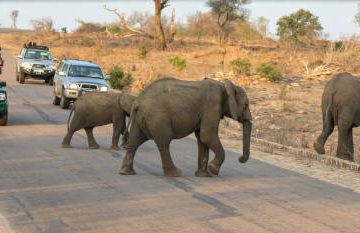
Elephants in the Okavango Delta
Elephants are among the delta’s most impressive animals.
They travel between islands, grasslands and woodland habitats.
Watching Elephants From a Canoe
Visitors may occasionally observe elephants feeding near water.
However, a mokoro should never be deliberately brought close to an elephant.
Experienced guides assess animal behaviour and maintain safe distances.
The quiet nature of canoe travel must never be used as an excuse to approach dangerous wildlife.
Hippopotamuses and Crocodiles
The Okavango Delta supports hippopotamuses and Nile crocodiles.
Both animals can be dangerous, particularly when approached unexpectedly.
Important Safety Considerations
Hippos may occupy deep channels and pools.
Crocodiles inhabit various aquatic environments.
Polers use local knowledge to select suitable routes and avoid dangerous encounters.
Visitors should remain seated, keep hands inside the canoe and follow instructions immediately.
Birdwatching From a Mokoro
Birdwatching is one of the greatest attractions of canoe travel.
The low position and quiet movement provide opportunities to observe birds around wetland vegetation.
Birds Worth Looking For
| Bird | Main attraction |
|---|---|
| African fish eagle | Powerful fishing raptor |
| Malachite kingfisher | Bright blue and orange colours |
| African jacana | Walking across floating vegetation |
| African darter | Swimming and diving |
| Goliath heron | Large wetland hunter |
| Pied kingfisher | Hovering above water |
| African pygmy goose | Colourful waterbird |
Binoculars are particularly useful for observing smaller species.
Tiny Frogs and Smaller Wildlife
Not every memorable sighting involves large animals.
The delta’s reeds and aquatic plants support small frogs, insects and other creatures.
What Makes Small Wildlife Interesting?
Reed frogs may rest on vegetation above the water.
Dragonflies patrol sunny channels.
Spiders and insects occupy sheltered plant surfaces.
Experienced guides can reveal fascinating details about these easily overlooked animals.
Guided Island Nature Walks
Some full-day mokoro excursions include a guided walk on a dry island.
These walks introduce visitors to the delta’s terrestrial habitats.
What Happens During the Walk?
The guide explains animal tracks, plants and signs of wildlife.
Visitors may encounter antelope or observe birds.
Walking near dangerous animals requires professional guidance.
Only participate when authorised guides consider the route safe.
Lunch During a Full-Day Mokoro Trip
Full-day excursions may include a packed lunch or picnic.
Visitors usually stop at an approved island or resting location.
Typical Lunch Arrangements
Meals depend on the operator.
Some packages provide sandwiches, fruit and drinking water.
Others arrange a prepared bush lunch.
Confirm dietary requirements when booking.
Never leave food waste or packaging behind.
Best Time of Year for Mokoro Safaris
The Okavango Delta has an unusual seasonal flood cycle.
Floodwaters originate in Angola and gradually spread southwards.
They often reach their greatest extent in parts of the delta during Botswana’s dry season.
Seasonal Mokoro Guide
| Period | General conditions |
|---|---|
| January–March | Rainy season, variable water access |
| April–May | Floodwaters begin expanding |
| June–August | Often excellent water conditions |
| September–October | Water levels vary by area |
| November–December | Hot with seasonal rainfall |
Water availability depends on the particular channel and annual flood conditions.
How Much Does a Mokoro Safari Cost?
Prices vary according to departure point, transport, trip duration and accommodation arrangements.
A community-operated excursion may cost less than a privately arranged lodge activity.
Main Cost Factors
| Expense | What to confirm |
|---|---|
| Canoe and poler | Included |
| Transport | Road or boat transfer |
| Guide | Included or separate |
| Lunch | Packed or provided |
| Conservation charges | Additional or included |
| Accommodation | Day trip or overnight |
| Equipment | Life jackets and other essentials |
Request a complete quotation before booking.
Is a Mokoro Safari Safe?
Mokoro excursions take place in an environment containing wild animals and unpredictable water conditions.
They therefore require careful organisation.
Essential Safety Rules
Wear a properly fitted life jacket.
Remain seated unless instructed otherwise.
Avoid sudden movements.
Never stand inside the canoe.
Keep equipment secured.
Follow the poler’s instructions.
Never enter the water without authorisation.
Avoid travelling during unsafe weather.
Choose experienced operators who understand the delta’s changing waterways.
What to Wear for a Mokoro Safari
Comfortable clothing is important because visitors remain seated for extended periods.
Recommended Packing List
Wear lightweight neutral-coloured clothing.
Carry a sun hat and sunscreen.
Bring binoculars and drinking water.
Use a waterproof bag for cameras and phones.
Pack a warm layer for cool mornings.
Insect repellent may be useful around wetland vegetation.
Photography Tips
Mokoro excursions provide beautiful photographic opportunities.
Reflections of reeds, water lilies and blue skies create attractive compositions.
Taking Better Photographs
Use a zoom lens for birds.
Keep your camera strap secure.
Avoid leaning over the canoe.
Never stand to improve a photograph.
Protect equipment from splashes.
A quiet approach can help capture natural wildlife behaviour.
Community-Based Mokoro Tourism
Mokoro guiding is an important source of income for communities around the Okavango Delta.
Local polers possess valuable knowledge of waterways, wildlife and seasonal conditions.
Why Community Tourism Matters
Direct employment supports local households.
Traditional guiding skills can be passed between generations.
Community-owned tourism programmes may help residents benefit from protecting natural resources.
Choosing responsible local operators contributes to sustainable tourism.
Suggested Full-Day Mokoro Itinerary
Morning: Depart for the Delta
Travel from your accommodation to an approved canoe departure point.
Meet your poler and receive a safety briefing.
Begin exploring the waterways.
Midday: Island Picnic
Stop at an authorised resting location.
Enjoy lunch and surrounding scenery.
A guided nature walk may be included when conditions permit.
Afternoon: Return Journey
Continue through peaceful channels.
Observe birds and wetland vegetation.
Return to the departure point for your transfer.
Why a Mokoro Safari Is Worth Experiencing
A mokoro safari reveals the Okavango Delta from a wonderfully different perspective.
Instead of searching for wildlife from a vehicle, visitors move quietly through beautiful waterways while discovering birds, plants and smaller animals.
The combination of traditional guiding knowledge, peaceful scenery and extraordinary wetland biodiversity makes the experience memorable.
For travellers exploring Botswana, a guided mokoro excursion offers an intimate introduction to one of Africa’s most remarkable natural ecosystems.


No comment