
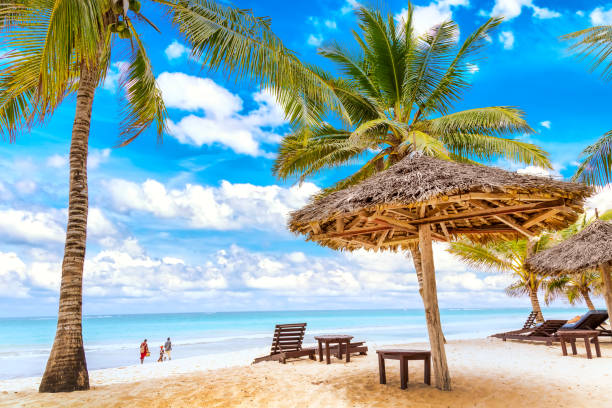
Diani Beach Beyond the Sand: Colobus Forests, Reefs and Shimba Hills Trips
Diani Beach in Kenya is famous for its white sand, turquoise Indian Ocean waters and beautiful coastal resorts. However, beyond the beach lies a fascinating world of endangered monkeys, tropical forests, colourful coral reefs and wildlife-filled hills.
Located in Kwale County, south of Mombasa, Diani offers much more than swimming and sunbathing. Visitors can explore coastal forests protecting rare primates, snorkel above coral gardens and enjoy wildlife safaris in nearby Shimba Hills National Reserve.
These attractions make Diani an excellent destination for travellers who want to combine beach relaxation with wildlife conservation, outdoor adventure and authentic Kenyan coastal experiences.
Where Is Diani Beach Located?
Diani Beach stretches along Kenya’s southern coastline, approximately 30 kilometres south of Mombasa.
The area is accessible through Ukunda Airport or by road from Mombasa.
Its location provides convenient access to marine attractions, forest conservation projects and inland wildlife reserves.
Quick Facts About Diani Beach
| Feature | Description |
|---|---|
| Country | Kenya |
| County | Kwale |
| Main gateway | Ukunda |
| Famous attraction | White sandy beach |
| Forest wildlife | Angolan colobus monkeys |
| Marine activities | Snorkelling and diving |
| Nearby reserve | Shimba Hills |
| Popular excursion | Kisite-Mpunguti Marine Park |
| Recommended stay | Three to five nights |
| Best for | Beaches, wildlife and nature |
Discovering Diani’s Coastal Forests
Diani was once surrounded by extensive coastal forest.
As tourism facilities, residential developments and roads expanded, some forest habitats became fragmented.
Today, remaining woodland patches provide important habitats for monkeys, birds, reptiles and other wildlife.
These forests create an interesting contrast with the busy beachfront.
Why Coastal Forests Matter
Trees provide food, shelter and movement routes for wildlife.
They also protect soil, support biodiversity and contribute to the coastal environment.
Conserving these habitats is particularly important because several species depend on increasingly fragmented forest landscapes.
Colobus Conservation: Protecting Diani’s Monkeys
Colobus Conservation is a nonprofit organisation established in 1997 to protect threatened primates and their habitats.
The organisation focuses particularly on the Angolan colobus monkey, a distinctive black-and-white primate found along Kenya’s southern coast.
Its work includes wildlife rescue, conservation education, forest restoration and reducing conflicts between people and monkeys.
What Makes Colobus Monkeys Special?
Angolan colobus monkeys have striking black-and-white fur and long tails.
They spend much of their time in trees, feeding primarily on leaves and other plant material.
Their specialised digestive systems help process leafy vegetation.
Visitors may occasionally observe them moving through branches above forest trails.
Visiting the Colobus Conservation Centre
The conservation centre offers guided primate eco-tours introducing visitors to local wildlife and habitat protection.
Tours typically include a guided nature walk and educational explanations about conservation activities.
Visitor Information
| Feature | Details |
|---|---|
| Location | Diani Beach Road area |
| Main attraction | Wild colobus monkeys |
| Experience | Guided primate eco-tour |
| Opening days | Monday–Saturday |
| Published visiting hours | 8:30 am–4:00 pm |
| Sunday tours | Normally unavailable |
| Booking | Recommended |
Confirm availability and current charges before visiting.
What Can Visitors Learn?
Guides explain threats facing monkeys, including vehicle collisions and habitat fragmentation.
They also introduce projects designed to protect movement routes between forest patches.
Wildlife sightings depend on animal movements and cannot be guaranteed.
Monkey Bridges and Road Safety
One of Diani’s most interesting conservation initiatives involves helping monkeys cross roads safely.
Colobus monkeys sometimes need to move between forest fragments separated by busy roads.
This exposes them to vehicle collisions.
How Monkey Bridges Help
Specially designed overhead crossings allow monkeys to travel between trees without descending onto the road.
These structures reduce some risks associated with habitat fragmentation.
Visitors may observe them while travelling through Diani.
The project demonstrates how practical conservation measures can protect wildlife alongside expanding tourism development.
Other Monkeys Around Diani
Diani’s forest habitats support several primate species.
Visitors may encounter vervet monkeys, Sykes’ monkeys and yellow baboons in appropriate areas.
Responsible Monkey Watching
Never feed monkeys.
Keep food securely stored.
Avoid approaching animals carrying young.
Maintain a safe distance.
Do not attempt to touch or photograph monkeys at extremely close range.
Feeding wildlife encourages dependence on people and can increase aggressive behaviour.
Exploring Diani’s Coral Reefs
Beyond the shoreline, Diani’s coastal waters contain coral reefs supporting numerous marine species.
These underwater ecosystems provide shelter and feeding habitats for tropical fish, sea turtles and invertebrates.
Snorkelling allows visitors to observe this marine environment without specialist diving qualifications.
Marine Life to Look For
| Marine life | Main attraction |
|---|---|
| Parrotfish | Colourful reef fish |
| Butterflyfish | Brightly patterned bodies |
| Angelfish | Tropical reef colours |
| Green sea turtle | Seagrass-associated marine reptile |
| Sea urchins | Spiny underwater animals |
| Reef corals | Living coral colonies |
| Sea stars | Marine invertebrates |
Marine sightings vary according to conditions and location.
Snorkelling Around Diani Beach
Local operators arrange snorkelling excursions to suitable reef areas.
Some trips use glass-bottom boats, allowing visitors to observe marine habitats without entering the water.
What Happens During Snorkelling?
Guides provide equipment and explain basic water safety.
Visitors enter approved areas where coral formations and tropical fish may be visible.
Water clarity depends on tides, rainfall, wind and sea conditions.
Beginners should choose supervised excursions appropriate to their swimming ability.
Kisite-Mpunguti Marine Park Excursions
Kisite-Mpunguti Marine National Park and Reserve lies farther south, near Shimoni and Wasini Island.
It protects coral reefs, marine habitats and coastal wildlife.
The marine park is one of the region’s most popular snorkelling destinations.
A Typical Day Trip
Travellers leave Diani in the morning and travel by road to Shimoni.
They board an organised boat excursion towards suitable snorkelling areas.
Depending on the operator, the itinerary may include dolphin watching and lunch near Wasini Island.
Boat schedules depend on weather and sea conditions.
Dolphin Watching Near Wasini
Dolphins inhabit the waters around the wider Kisite-Mpunguti seascape.
Visitors sometimes encounter them during boat excursions.
However, dolphin sightings are not guaranteed.
Responsible Dolphin Tourism
Choose operators who avoid chasing or surrounding dolphins.
Never attempt to feed them.
Maintain appropriate distances.
Avoid operators who pressure dolphins into close contact with swimmers.
Responsible wildlife viewing protects marine animals while providing enjoyable experiences.
Shimba Hills National Reserve
Shimba Hills National Reserve lies inland from Diani, approximately 30 kilometres from the Ukunda area.
The reserve protects coastal rainforest, rolling hills, open grassland and important wildlife habitats.
It provides an excellent alternative for travellers who want a safari experience without travelling far inland.
Why Visit Shimba Hills?
Shimba Hills is particularly famous for its rare sable antelopes.
These magnificent animals have dark coats, distinctive facial markings and long curved horns.
The reserve also supports elephants, buffaloes and numerous bird species.
Wildlife sightings depend on habitat and weather conditions.
Wildlife Found in Shimba Hills
| Animal | Viewing opportunity |
|---|---|
| Sable antelope | Grassland openings |
| African elephant | Forest and woodland |
| African buffalo | Grassland and forest edges |
| Bushbuck | Dense vegetation |
| Sykes’ monkey | Forest habitats |
| Leopard | Rarely observed |
| Various birds | Forest and open habitats |
A knowledgeable guide improves the chances of identifying animals in the reserve’s varied vegetation.
Hiking to Sheldrick Falls
Sheldrick Falls is among Shimba Hills’ most attractive natural features.
The waterfall descends through a forested landscape and can be reached by a guided walking trail when access is permitted.
What to Expect
The walk includes uneven paths and sections requiring reasonable fitness.
Visitors should wear sturdy shoes and carry drinking water.
Because the reserve contains dangerous wildlife, follow ranger instructions and never walk independently through restricted areas.
The waterfall is particularly attractive after rainfall.
Scenic Views From Shimba Hills
The reserve contains elevated viewpoints overlooking coastal forests and surrounding landscapes.
On clear days, visitors may enjoy distant views towards the Indian Ocean.
These viewpoints provide excellent opportunities for landscape photography.
Morning excursions often offer comfortable walking temperatures.
Best Time to Visit Diani
Diani can be visited throughout the year, although coastal weather influences outdoor activities.
Seasonal Travel Guide
| Period | General conditions |
|---|---|
| January–March | Warm, often relatively dry |
| April–May | Increased rainfall |
| June–October | Cooler conditions and seasonal winds |
| November–December | Warm with variable rainfall |
Snorkelling visibility depends on local sea conditions rather than the calendar alone.
Confirm marine excursions shortly before departure.
Suggested Three-Day Diani Itinerary
Day One: Colobus Forests
Visit Colobus Conservation for a guided eco-tour.
Learn about monkey conservation and forest protection.
Spend the afternoon relaxing along Diani Beach.
Day Two: Coral Reefs
Arrange a snorkelling excursion or a full-day Kisite-Mpunguti trip.
Observe marine wildlife and enjoy coastal scenery.
Return to Diani for dinner.
Day Three: Shimba Hills Safari
Depart early for Shimba Hills.
Enjoy a guided game drive and scenic viewpoints.
Include Sheldrick Falls if time, fitness and access conditions permit.
Return to Diani in the afternoon.
How to Reach Diani Beach
Travellers can fly to Ukunda Airport or Moi International Airport in Mombasa.
Road transfers connect both airports with Diani.
Visitors arriving from Nairobi may also use the Standard Gauge Railway to Mombasa before continuing by road.
Allow extra travelling time when crossing from Mombasa Island towards the south coast.
Responsible Tourism in Diani
Diani’s forests and reefs require careful protection.
Never feed monkeys or other wildlife.
Avoid touching or standing on living coral.
Do not collect shells or marine animals from protected habitats.
Use licensed guides and responsible boat operators.
Support community conservation projects and locally owned businesses.
Why Diani Beach Is Worth Exploring
Diani Beach offers far more than beautiful sand and warm ocean water.
Its coastal forests protect threatened monkeys, coral reefs support colourful marine life, and nearby Shimba Hills provides rewarding wildlife encounters.
Combining these experiences allows travellers to enjoy Kenya’s southern coast while learning about conservation.
For visitors seeking a beach holiday with meaningful wildlife activities, Diani provides a memorable balance of relaxation, adventure and natural beauty.



No comment