
Karen Blixen Museum and Karen’s Coffee Gardens: A Half-Day Nairobi Plan
Karen Blixen Museum and Karen’s Coffee Gardens offer one of Nairobi’s most enjoyable cultural experiences, combining colonial-era history, beautiful gardens, traditional Kenyan coffee and peaceful countryside surroundings. Located in the leafy suburb of Karen, these attractions provide visitors with an opportunity to explore Kenya’s literary heritage while enjoying a relaxing escape from the city’s busy streets.
The museum preserves the former home of Danish author Karen Blixen, whose famous memoir Out of Africa introduced international readers to life in colonial Kenya. Nearby, Karen Blixen Coffee Garden & Cottages welcomes travellers to landscaped gardens, restaurants and historic buildings associated with the area’s coffee-growing past.
For visitors with limited time in Nairobi, combining these attractions creates a rewarding half-day itinerary.
Where Are Karen Blixen Museum and Coffee Gardens Located?
Both attractions are situated in Karen, southwest of Nairobi’s city centre.
The museum stands near the Ngong Hills, while the Coffee Garden occupies part of the former coffee estate.
The two properties are separate attractions, located approximately one kilometre apart.
Quick Visitor Information
| Feature | Karen Blixen Museum | Coffee Garden |
|---|---|---|
| Location | Karen, Nairobi | 336 Karen Road |
| Main experience | History and culture | Dining and relaxation |
| Famous for | Out of Africa | Historic garden setting |
| Recommended duration | 1–2 hours | 1–2 hours |
| Admission | Museum ticket required | Restaurant purchases |
| Best activity | Guided house tour | Coffee or lunch |
Who Was Karen Blixen?
Karen Blixen was a Danish author born in 1885.
She moved to British East Africa in 1914 and became involved in managing a coffee plantation near Nairobi.
Her experiences shaped her writing and influenced how international audiences imagined East Africa.
Blixen wrote under the pen name Isak Dinesen.
Her best-known book, Out of Africa, was published in 1937.
The Story Behind Out of Africa
The memoir describes Blixen’s experiences on the coffee farm, her relationships and the surrounding landscape.
It also reflects the complicated social relationships of colonial Kenya.
Visitors should understand the book within its historical context, including inequalities associated with European settlement and African land ownership.
The History of Karen Blixen Museum
The museum occupies a farmhouse originally built in 1912 by Swedish engineer Åke Sjögren.
Karen Blixen and her husband acquired the property in 1917.
The house became the centre of a large coffee estate extending across thousands of acres.
Blixen remained there until returning permanently to Denmark in 1931.
Becoming a National Museum
After changing ownership several times, the property was presented to Kenya by the Danish government around independence.
It later became a museum under the National Museums of Kenya.
Public interest increased following the release of the Oscar-winning film Out of Africa in 1985.
Today, the house preserves furniture, household objects and agricultural equipment associated with its history.
Exploring the Historic Farmhouse
A guided museum visit introduces travellers to the rooms where Karen Blixen lived and worked.
The building retains the appearance of an early twentieth-century European farmhouse.
Its architecture reflects the lifestyle of colonial settlers living outside Nairobi.
What Can You See Inside?
Visitors can explore furnished rooms containing historical household objects.
Guides explain how the rooms were used and introduce the people associated with the property.
Some furniture dates from Blixen’s period, while other displays help recreate its historical atmosphere.
The museum’s collections provide valuable insight into domestic life, literature and farming.
Discovering the Old Coffee Farm
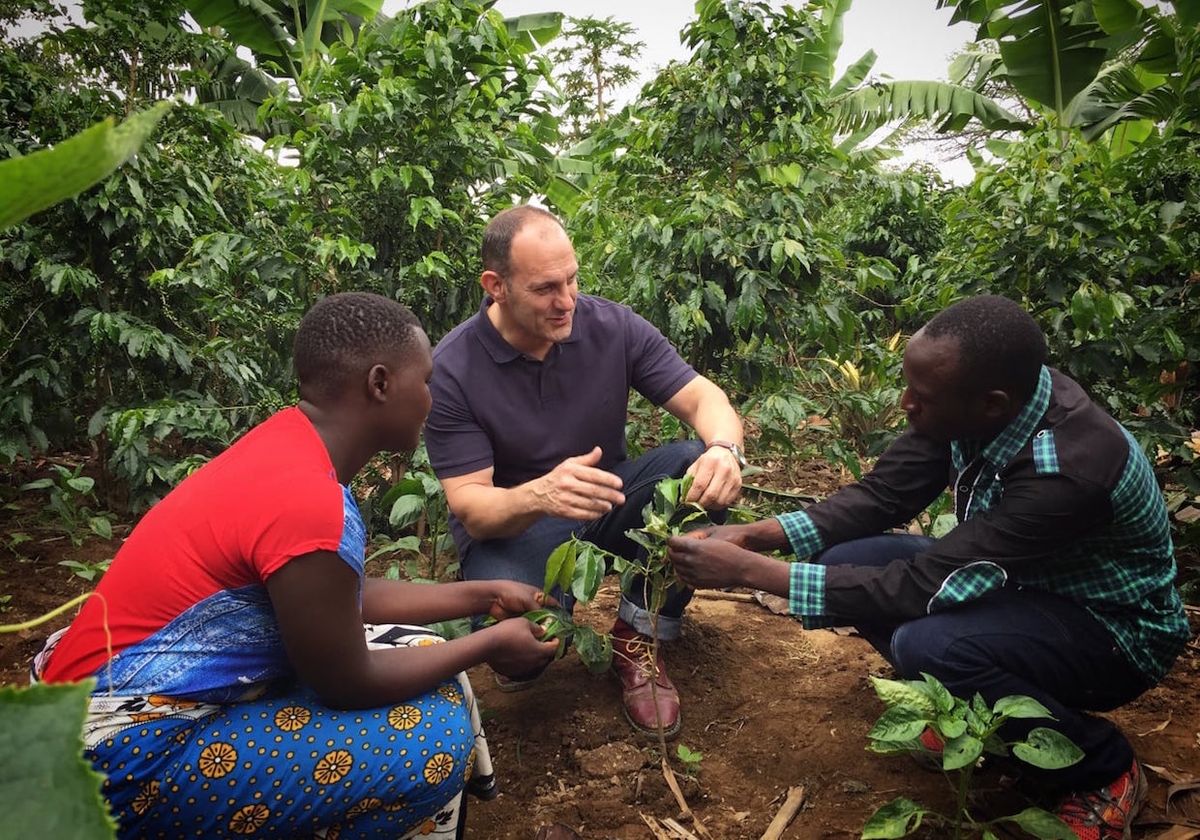
Coffee growing was central to Karen Blixen’s years in Kenya.
The estate once contained extensive plantations, processing facilities and agricultural equipment.
However, coffee production was challenging because of financial pressures and changing market conditions.
Historic Coffee Equipment
Outdoor displays include agricultural machinery connected with the estate’s past.
Visitors can observe equipment used during earlier farming periods.
These exhibits explain how coffee harvesting and processing once supported commercial farming around Nairobi.
They also provide an introduction to Kenya’s wider coffee industry.
Walking Through the Museum Gardens
The grounds surrounding the farmhouse provide a peaceful place for visitors to relax.
Large trees, lawns and carefully maintained vegetation create an attractive setting.
On clear days, the Ngong Hills form a beautiful background.
Nature and Birdwatching
The museum also has a nature trail where visitors may observe birds and small woodland animals.
Some trees are labelled for educational purposes.
The gardens offer opportunities for photography and quiet reflection.
Visitors should remain on approved paths and respect the historic property.
Karen Blixen Coffee Garden and Cottages
Karen Blixen Coffee Garden & Cottages is a separate hospitality property located along Karen Road.
It occupies part of the historic coffee estate and features mature trees, landscaped gardens and traditional buildings.
Unlike the museum, its main attractions are dining, accommodation and relaxation.
What Makes the Coffee Garden Special?
The property combines historic surroundings with contemporary hospitality.
Visitors can enjoy meals beneath trees or in comfortable indoor dining areas.
The peaceful environment is particularly attractive after exploring the museum.
Couples, families and small groups often choose the gardens for relaxed meals and celebrations.
Where to Enjoy Coffee and Lunch
The Coffee Garden offers several dining spaces with different atmospheres.
Dining Options
| Dining area | Experience |
|---|---|
| Garden Restaurant | Outdoor dining |
| Hattons Lounge | Relaxed poolside setting |
| Atrium Bar | Glasshouse atmosphere |
| Babette’s | Evening fine dining |
The Garden Restaurant generally opens from 11:00 am to 10:00 pm.
Hattons Lounge provides an option for earlier refreshments.
Opening arrangements may change during private events.
Enjoying Kenyan Coffee
Coffee is an important part of Kenya’s agricultural identity.
The country is recognised for producing distinctive Arabica coffee grown in highland regions.
A visit to Karen provides an appropriate opportunity to enjoy a freshly prepared cup.
What Coffee Should You Try?
Visitors may choose espresso, cappuccino, latte or freshly brewed black coffee.
Ask the restaurant about the origin of its available beans.
Coffee enthusiasts can discuss roasting styles, flavour and preparation methods with staff.
The experience connects the area’s agricultural history with modern Kenyan hospitality.
A Half-Day Nairobi Itinerary
The museum and Coffee Garden can comfortably fit into approximately four to five hours, excluding a long transfer from distant parts of Nairobi.
Suggested Morning Programme
| Time | Activity |
|---|---|
| 9:00 am | Arrive at Karen Blixen Museum |
| 9:15 am | Guided farmhouse tour |
| 10:15 am | Explore gardens and historic equipment |
| 11:00 am | Transfer to Coffee Garden |
| 11:15 am | Enjoy coffee and garden surroundings |
| 12:00 pm | Lunch |
| 1:00 pm | Depart |
This schedule leaves room for photography, conversation and a relaxed meal.
Karen Blixen Museum Opening Hours
The museum is managed by the National Museums of Kenya.
It is generally open throughout the year, including weekends and public holidays.
Visiting Hours
| Information | Details |
|---|---|
| Opening time | 8:30 am |
| Closing time | 5:30 pm |
| Opening days | Daily |
| Guided tours | Available during visiting hours |
| Museum fees | Depend on visitor category |
| Payment | Official electronic ticketing |
Museum admission is separate from restaurant spending.
Visitors should check the current entrance tariff before travelling.
How to Reach Karen From Nairobi
Karen is accessible by private vehicle, taxi and organised sightseeing transport.
The journey from central Nairobi generally takes 30–60 minutes, depending on traffic.
Travellers staying near Wilson Airport or Lang’ata may have shorter journeys.
Transport Tips
Arrange your return transport before departing.
Allow additional time during morning and evening traffic.
Use reliable transport providers.
Visitors with limited time may prefer a private driver who can combine both attractions.
Best Time to Visit Karen
Karen’s relatively green surroundings make it pleasant throughout the year.
Morning visits are especially suitable for exploring the museum before enjoying lunch.
Seasonal Conditions
| Period | General conditions |
|---|---|
| January–March | Often warm and relatively dry |
| April–May | Increased rainfall |
| June–September | Cooler conditions |
| October–December | Variable rainfall |
Carry a light jacket during cooler mornings and a small umbrella during rainy periods.
Photography at the Museum
The historic farmhouse provides attractive architectural photography opportunities.
Visitors can photograph the building’s exterior, landscaped gardens and surrounding scenery.
Interior photography may be restricted, so request permission before taking pictures.
Photography Tips
Use natural light around the garden.
Include the Ngong Hills when visibility allows.
Avoid disturbing guided tours.
Respect other visitors’ privacy.
Visiting With Children
The museum can be educational for families interested in history.
Children may enjoy exploring the gardens and examining old farming equipment.
However, younger visitors may find detailed historical explanations less engaging.
The Coffee Garden provides a relaxed environment for family meals.
Parents should supervise children around historic exhibits and restaurant facilities.
Other Attractions Near Karen
Visitors with additional time can explore other attractions around southern Nairobi.
The Giraffe Centre offers supervised giraffe-feeding experiences.
The Sheldrick Wildlife Trust provides educational visits involving rescued elephants, subject to advance booking.
Nairobi National Park offers game drives close to the capital.
These attractions require separate tickets and suitable travel arrangements.
Responsible Cultural Tourism
Karen Blixen Museum preserves an important chapter of Kenya’s history.
Visitors should approach colonial heritage with curiosity and respect.
The story includes literature, farming and architecture, but also questions about power, land and African experiences under colonial administration.
Respect museum instructions, protect exhibits and support knowledgeable local guides.
Why This Half-Day Experience Is Worth Visiting
Karen Blixen Museum and the nearby Coffee Garden combine history, architecture, nature and hospitality within one accessible Nairobi excursion.
The museum introduces visitors to the life of a famous author and the development of Kenya’s colonial-era coffee industry.
The surrounding gardens offer peaceful scenery, while the Coffee Garden provides an enjoyable place to relax over coffee or lunch.
For travellers seeking cultural experiences beyond wildlife safaris, this half-day itinerary provides an interesting and memorable introduction to Nairobi’s heritage.





No comment