
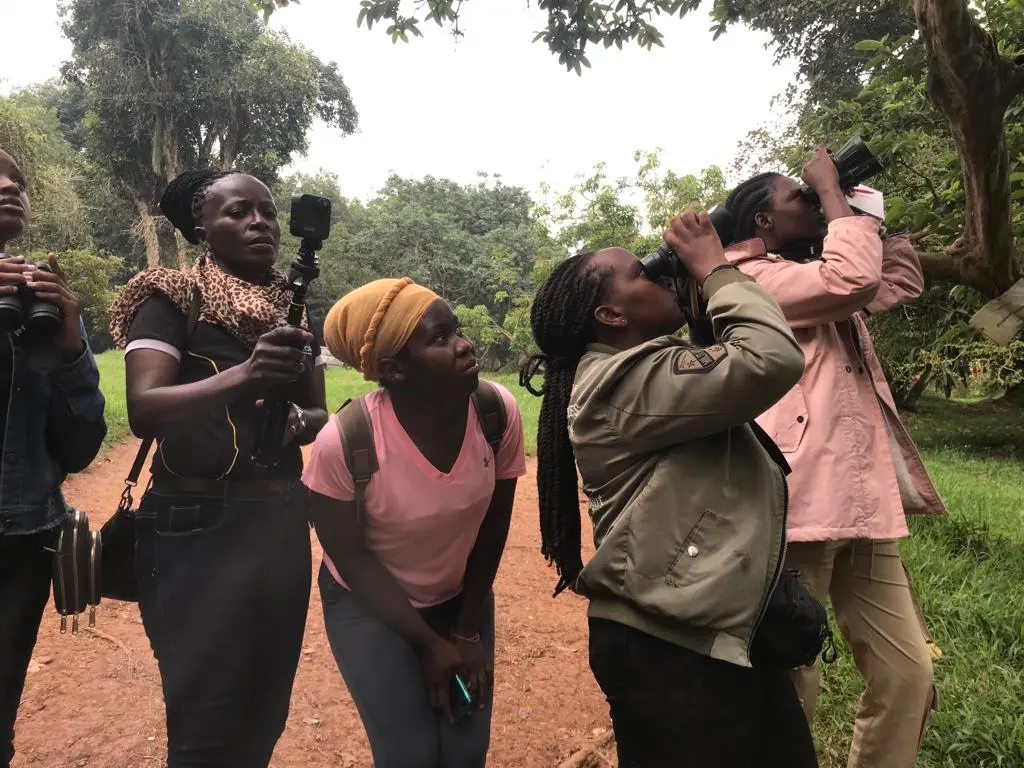
Nyamirambo Women’s Centre Walking Tour in Kigali
Nyamirambo Women’s Centre Walking Tour in Kigali offers one of Rwanda’s most rewarding cultural experiences. Instead of exploring the capital from a safari vehicle, visitors walk through lively neighbourhood streets with local guides, meeting residents, discovering traditional businesses and learning about everyday life in Kigali.
Located in Nyamirambo, one of Kigali’s oldest neighbourhoods, the Women’s Centre is a community organisation dedicated to supporting women through education, practical skills and economic opportunities. Its guided walking tours introduce travellers to local markets, traditional food, tailoring workshops, hair salons and cultural traditions.
For visitors interested in experiencing Rwanda beyond gorilla trekking and conventional sightseeing, this walking tour provides an opportunity to discover Kigali through the stories and experiences of its residents.
Where Is Nyamirambo Women’s Centre Located?
Nyamirambo Women’s Centre is situated in the Nyamirambo neighbourhood of Kigali, Rwanda’s capital.
The centre is located at House 22, KN 7 Avenue, near the junction with KN 132 Street.
Nyamirambo is known for its busy commercial streets, cultural diversity, restaurants and important Muslim heritage.
Quick Facts About Nyamirambo Women’s Centre
| Feature | Description |
|---|---|
| Country | Rwanda |
| City | Kigali |
| Neighbourhood | Nyamirambo |
| Established | 2007 |
| Main activity | Community walking tours |
| Typical duration | Approximately 2–3 hours, plus lunch |
| Difficulty | Easy to moderate |
| Languages | English, French and Kinyarwanda |
| Other experiences | Cooking and basket-weaving workshops |
| Recommended booking | In advance |
The History of Nyamirambo Women’s Centre
Nyamirambo Women’s Centre was established in 2007 by a group of 18 women living in the neighbourhood.
The organisation was created to address challenges affecting women, including limited employment opportunities, poverty and gender inequality.
Its founders recognised that education and practical training could help women develop greater economic independence.
How the Organisation Supports Women
The centre provides opportunities for women to develop professional and practical skills.
Its programmes have included sewing, literacy, language education and community awareness activities.
Women also participate in handicraft production and tourism services.
Income from organised visitor experiences supports the centre’s activities and employment opportunities.
This makes the walking tour an example of community-based tourism.
Why Visit Nyamirambo?
Nyamirambo offers a different atmosphere from Kigali’s modern business districts.
Its streets contain small shops, local restaurants, colourful fabrics, places of worship and family-run businesses.
The neighbourhood is particularly interesting because of its cultural and religious diversity.
What Makes the Experience Special?
The tour is led by guides who live in Nyamirambo or have grown up there.
They understand the neighbourhood’s history and can introduce visitors to places that might otherwise be overlooked.
Rather than simply observing buildings, travellers learn how residents work, socialise and maintain community traditions.
Starting the Walking Tour
The experience begins at Nyamirambo Women’s Centre.
Visitors receive an introduction to the organisation and its community activities.
Guides explain the route and introduce basic cultural information.
Learning Basic Kinyarwanda
The tour commonly includes a short introduction to the Kinyarwanda language.
Visitors may learn simple greetings and polite expressions.
Useful examples include:
| Kinyarwanda | English meaning |
|---|---|
| Muraho | Hello |
| Amakuru? | How are you? |
| Ni meza | I am fine |
| Murakoze | Thank you |
| Yego | Yes |
| Oya | No |
Learning a few local words makes conversations more enjoyable.
Exploring Nyamirambo’s Busy Streets
After the introduction, visitors begin walking through the neighbourhood.
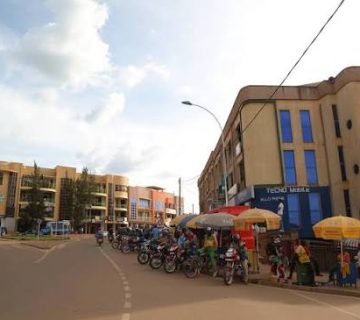
The route passes small businesses, residential areas and lively commercial streets.
Guides explain how people live and work within the community.
What Will You See?
Visitors may encounter food sellers, clothing shops, hair salons and traditional tailoring businesses.
The neighbourhood contains a mixture of old and newer buildings.
Walking provides opportunities to observe ordinary daily activities without rushing between attractions.
The exact route can change according to local conditions and arrangements.
Visiting a Traditional Hair Salon
A hair salon is among the interesting stops included in the centre’s established walking tour.
Hairdressing businesses are important sources of employment within Kigali’s neighbourhoods.
Visitors can learn about braiding techniques, hairstyles and the social role of local salons.
Understanding Hairdressing Traditions
Braiding is both a practical skill and a form of personal expression.
Different hairstyles require considerable time and experience.
Some visitors may have an opportunity to try a simple braid.
However, participation depends on the salon’s availability and the guide’s arrangements.
Discovering Local Tailoring Workshops
Nyamirambo contains numerous tailoring and fabric businesses.
Colourful African textiles are used to create dresses, shirts, skirts and other garments.
During the walking tour, visitors may enter a tailoring workshop to observe how clothing is made.
What Can You Learn?
Tailors explain how they measure fabric, prepare patterns and sew garments.
Visitors can discover the importance of tailoring as a small business.
Some workshops sell finished clothing or accept personalised orders.
Purchasing directly from local artisans can support community livelihoods.
Exploring Nyamirambo’s Religious Heritage
Nyamirambo has a significant Muslim community and contains several mosques.
These landmarks contribute to the neighbourhood’s distinctive identity.
The walking tour passes two mosques as part of its established route.
Respecting Religious Traditions
Visitors should dress modestly when approaching religious sites.
Avoid interrupting prayers or entering restricted areas.
Always ask permission before photographing worshippers.
Guides can explain how religious communities contribute to Nyamirambo’s social life.
Experiencing Traditional Rwandan Food
A highlight of the walking tour is the opportunity to enjoy a traditional meal.
The centre’s established programme concludes with lunch prepared and served in the home of a local cook.
This provides visitors with an introduction to Rwandan food and hospitality.
Foods You May Encounter
Traditional meals can include beans, vegetables, rice, potatoes and cooked cassava leaves.
Specific dishes depend on the menu and available ingredients.
Visitors with allergies or dietary restrictions should explain their requirements before booking.
Sharing a meal provides opportunities for informal conversation.
Learning About Cassava Leaves
One distinctive activity on the walking tour involves visiting a family compound where traditional food preparation can be demonstrated.
Visitors may observe the pounding of cassava leaves.
Cassava leaves are commonly used to prepare isombe, a popular Rwandan dish.
Why This Experience Matters
Food preparation introduces visitors to everyday household skills and cultural practices.
It also illustrates the time and effort involved in preparing traditional meals.
Demonstrations should always take place with the household’s consent.
Shopping at the Women’s Centre
The centre operates a shop selling products made by its artisans.
Visitors can find colourful handmade goods suitable for souvenirs and gifts.
Popular Products
Handmade handbags.
Colourful fabric accessories.
Clothing and textile products.
Small decorative items.
Handmade gifts.
Product availability changes according to production and stock.
Purchases support the organisation’s activities and participating artisans.
Basket-Weaving Workshops
The Women’s Centre also organises traditional sisal basket-weaving workshops.
Participants learn how natural fibres are prepared and woven into decorative objects.
What Happens During the Workshop?
An instructor introduces the cultural importance of basket weaving.
Visitors learn basic techniques before attempting a small handmade item.
The experience requires patience and attention to detail.
A traditional lunch is included in the centre’s published workshop programme.
This activity is separate from the standard walking tour and should be booked accordingly.
Traditional Rwandan Cooking Classes
Visitors interested in food can arrange a cooking class through the centre.
The experience includes purchasing ingredients from local markets and preparing traditional dishes.
Participants learn cooking techniques under the guidance of a local host.
The class offers a more practical experience than simply eating at a restaurant.
How Much Does the Walking Tour Cost?
Tour prices may change according to the programme, group arrangements and operating costs.
Visitors should request the current rate directly from Nyamirambo Women’s Centre.
The standard walking tour includes a traditional lunch according to the centre’s published description.
Booking Information
| Item | Details |
|---|---|
| Meeting point | Nyamirambo Women’s Centre |
| Address | House 22, KN 7 Avenue |
| Office opening | Monday–Saturday, 9 am–5 pm |
| Last Saturday monthly | Office opens at noon |
| Tour duration | Allow around half a day |
| Tour price | Confirm when booking |
| Guided languages | English, French and Kinyarwanda |
Tour departures should be arranged in advance rather than assumed to follow a fixed daily schedule.
What to Wear for the Tour
Nyamirambo’s streets contain slopes, steps and busy walking areas.
Comfortable shoes are recommended.
Lightweight clothing is suitable for Kigali’s generally mild climate.
Visitors should carry drinking water, sun protection and a small amount of local currency.
Modest clothing is appropriate when passing religious landmarks.
Photography During the Walking Tour
Nyamirambo provides attractive opportunities for street photography.
Colourful shopfronts, fabric displays and local businesses create interesting scenes.
However, visitors should ask permission before photographing residents.
Avoid interrupting business activities.
Never photograph children without appropriate consent.
Your guide can advise where photographs are welcome.
Combining the Tour With Kigali Attractions
The walking experience can form part of a wider Kigali itinerary.
Visitors may combine it with Kimironko Market, Kigali Genocide Memorial or an organised city tour.
However, the walking tour deserves sufficient time because conversation and community interaction are central to the experience.
Why Nyamirambo Women’s Centre Is Worth Visiting
Nyamirambo Women’s Centre provides a meaningful opportunity to experience Kigali beyond conventional tourist attractions.
Its walking tour introduces visitors to neighbourhood businesses, traditional food, local culture and community history.
More importantly, tourism revenue helps support education, employment and entrepreneurship among women.
For travellers interested in responsible tourism, the experience demonstrates how community-led activities can create connections between visitors and residents while contributing to local development.




No comment