
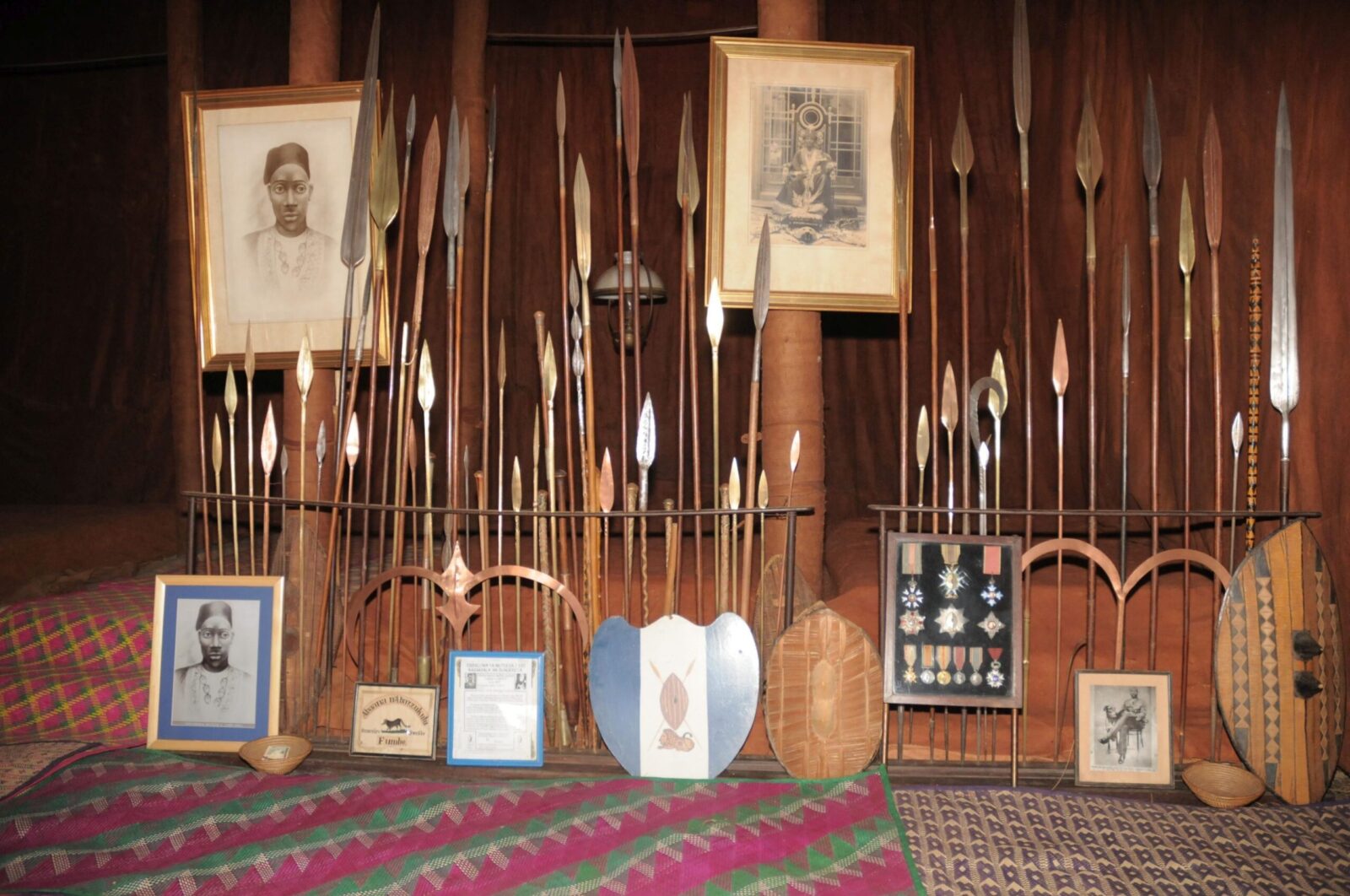
King’s Palace Museum in Nyanza
Inyambo Cows and Royal History
King’s Palace Museum in Nyanza is one of Rwanda’s most important cultural attractions, offering visitors an opportunity to discover the country’s royal history, traditional architecture and famous long-horned Inyambo cows. Located in Rwanda’s Southern Province, the museum preserves the heritage of the former Rwandan monarchy through reconstructed royal buildings, historical exhibitions and living cultural traditions.
Unlike wildlife parks, where visitors focus on animals in natural habitats, King’s Palace Museum introduces travellers to the customs, leadership and daily activities of Rwanda’s former royal court. The traditional thatched palace, modern royal residence and beautiful Inyambo cattle create an educational experience for visitors interested in African history.
For travellers exploring Rwanda beyond gorilla trekking, Nyanza provides a rewarding cultural stop between Kigali, Huye and Nyungwe Forest National Park.
Where Is King’s Palace Museum Located?
King’s Palace Museum is situated in Rukari, near Nyanza town in Rwanda’s Southern Province.
Nyanza lies approximately 85–90 kilometres south of Kigali, depending on the starting point and selected road.
The town was historically an important centre of Rwanda’s monarchy.
Today, visitors can explore the museum while enjoying the surrounding green hills and countryside.
Quick Facts About King’s Palace Museum
| Feature | Description |
|---|---|
| Country | Rwanda |
| Province | Southern Province |
| District | Nyanza |
| Location | Rukari |
| Main attraction | Traditional royal palace |
| Famous animals | Inyambo long-horned cattle |
| Modern royal residence | Built in 1932 |
| Museum opening | 2008 |
| Main activities | Guided tours and cultural learning |
| Recommended visit | 2–3 hours |
The History of Rwanda’s Royal Capital
Before the establishment of modern government institutions, Rwanda was ruled by kings known as Abami, with the singular title Mwami.
The royal court was traditionally mobile, moving between different locations.
Towards the end of the nineteenth century, Nyanza became the permanent royal capital.
King Yuhi V Musinga established his residence here during a period of growing European influence.
Why Nyanza Was Important
Nyanza became a centre of political leadership, cultural ceremonies and royal administration.
The surrounding landscape supported cattle keeping and agriculture.
Royal advisers, attendants and visiting community leaders gathered around the court.
The town remained closely connected to the monarchy until Rwanda’s political transformations during the early 1960s.
The Traditional Royal Palace
One of the museum’s main attractions is the reconstructed traditional royal residence.
The enormous thatched building has a rounded, beehive-like appearance.
Its construction reflects traditional Rwandan architectural techniques, using natural materials such as grass, reeds and wooden supports.
Exploring the Palace Interior
Visitors enter with a guide who explains how the royal household was organised.
The interior contains spaces associated with receiving visitors, sleeping and important household activities.
Traditional objects help illustrate daily life at court.
The building is a reconstruction rather than an untouched palace surviving from centuries ago.
However, it provides valuable insight into historical Rwandan architecture.
The Royal Milk and Beer Houses
Traditional royal households included buildings serving different ceremonial and domestic purposes.
At Nyanza, reconstructed structures illustrate the preparation and storage of milk and traditional beer.
Why Milk Was Important
Cattle and milk held considerable cultural importance in historical Rwanda.
Milk represented nourishment, wealth and the relationship between cattle keepers and their communities.
Special attendants were responsible for handling milk within the royal household.
Traditional Beer Preparation
Traditional beer was also important during social gatherings and ceremonies.
The museum explains the roles of attendants responsible for its preparation and storage.
These exhibits help visitors understand that royal life involved organised duties and specialised customs.
King Mutara III Rudahigwa’s Modern Palace
Beside the traditional structures stands the modern residence associated with King Mutara III Rudahigwa.
The building was constructed in 1932 during the colonial period.
Its architectural style differs considerably from the traditional thatched residence.
What Visitors Learn Inside
The modern palace contains exhibitions explaining Rwanda’s monarchy and political history.
Visitors can learn about royal leadership, colonial influence and changes during the twentieth century.
King Rudahigwa ruled from 1931 until his death in 1959.
His reign witnessed major religious, social and political changes.
The monarchy was subsequently abolished in 1961.
The exhibitions help explain this complicated historical transition.
Meet the Famous Inyambo Cows
The Inyambo cattle are among the museum’s most memorable attractions.
These magnificent animals are recognised by their enormous, gracefully curved horns and impressive appearance.
In traditional Rwanda, selected cattle represented royal prestige, prosperity and cultural identity.
What Makes Inyambo Special?
Inyambo are carefully selected and maintained for their distinctive physical appearance.
Their long horns create an elegant silhouette.
The cattle are generally calm when handled by experienced keepers.
Visitors can observe them in designated areas while learning about their historical importance.
The Tradition of Singing to Royal Cattle
One of the most fascinating aspects of the Inyambo experience is the relationship between cattle and their keepers.
Traditionally, selected attendants performed songs and pastoral poems in praise of the cattle.
These performances formed part of royal cattle culture.
Why Were the Cows Praised?
The poems celebrated qualities such as beauty, strength and impressive horns.
Cattle keeping was closely connected to wealth and social relationships.
At the museum, visitors may hear traditional cattle songs or observe special presentations when arranged.
However, a formal Inyambo parade is a separate activity and should not be assumed to occur during every ordinary visit.
Inyambo Cows and Rwanda’s Cultural Identity
Cattle have long occupied an important place in Rwandan society.
They were historically associated with wealth, marriage arrangements, social relationships and ceremonies.
The Inyambo tradition reflects the importance of cattle within royal culture.
Today, preserving these animals helps younger generations understand historical practices.
Why Cultural Preservation Matters
Traditional animal breeds and associated knowledge can disappear when farming systems change.
Maintaining the Inyambo herd protects a living aspect of Rwanda’s heritage.
The museum therefore preserves more than buildings and historical objects.
It also supports the continuation of cultural practices associated with cattle.
What Happens During a Guided Museum Tour?
A typical visit introduces travellers to the traditional palace, historical exhibitions and Inyambo cattle.
Guides explain the purpose of different buildings and describe the lives of former Rwandan rulers.
Highlights of the Experience
Exploring reconstructed royal residences.
Learning about Rwanda’s monarchy.
Observing traditional household arrangements.
Visiting the modern royal palace.
Seeing the Inyambo cattle.
Understanding royal cattle traditions.
Taking photographs in permitted areas.
The experience is educational and suitable for visitors interested in history and culture.
Visiting Hours and Entrance Fees
The Rwanda Cultural Heritage Academy publishes standard opening hours for national museums.
| Visitor information | Details |
|---|---|
| Opening days | Daily, except designated closures |
| Ordinary hours | 9:00 am–5:00 pm |
| Last Saturday monthly | Opens at noon |
| International adult admission | RWF 20,000 |
| African visitor adult admission | RWF 10,000 |
| Rwandan or resident adult | RWF 6,000 |
| Suggested duration | 2–3 hours |
Museums close on selected public observance dates, including 7 April, Christmas Day and New Year’s Day.
Fees may change, so confirm the current schedule before visiting.
Special Inyambo presentations may require separate arrangements.
Photography at King’s Palace Museum
The museum provides excellent opportunities for cultural and architectural photography.
The rounded traditional palace creates an attractive background.
The Inyambo cattle are particularly impressive because of their unusually long horns.
Photography Etiquette
Ask your guide before photographing indoor exhibitions.
Do not touch historical objects.
Keep a respectful distance from the cattle.
Avoid using flash where photography restrictions apply.
Always follow instructions from animal keepers.
Best Time to Visit Nyanza
King’s Palace Museum can be visited throughout the year.
Rwanda’s relatively dry periods, generally June to September and December to February, are convenient for exploring outdoor areas.
However, rainfall can occur during any month.
Morning visits often provide comfortable temperatures and attractive lighting.
Visitors travelling during weekends should confirm museum schedules and allow adequate time.
Combining Nyanza With Huye
Huye, formerly known as Butare, is another important cultural destination in southern Rwanda.
It is home to the Ethnographic Museum, which displays traditional objects, historical collections and exhibits about Rwandan society.
Suggested Cultural Day Trip
Begin with a morning visit to King’s Palace Museum in Nyanza.
Explore the traditional residence and Inyambo cattle.
Continue towards Huye for lunch and a visit to the Ethnographic Museum.
Return towards Kigali or continue your southern Rwanda itinerary.
Visiting the Royal Mausoleum
Near the museum, Mwima Hill contains an important royal mausoleum.
The site is associated with King Mutara III Rudahigwa, Queen Rosalie Gicanda and King Kigeli V Ndahindurwa.
It provides an additional opportunity to learn about Rwanda’s royal history.
Visitors should confirm access arrangements and follow appropriate etiquette.
Responsible Cultural Tourism
King’s Palace Museum is an important heritage attraction.
Visitors should respect historical exhibits, guides and cultural practices.
Avoid touching fragile objects or entering restricted spaces.
Support authorised local guides and community businesses.
When photographing the Inyambo cattle, follow the keepers’ instructions.
Responsible tourism helps preserve Rwanda’s cultural heritage for future generations.
Why King’s Palace Museum Is Worth Visiting
King’s Palace Museum in Nyanza offers a fascinating introduction to Rwanda’s royal history.
The reconstructed traditional residence reveals how the monarchy organised household life, while the modern palace explains important political changes.
The Inyambo cows provide a memorable connection to Rwanda’s pastoral heritage.
For travellers exploring southern Rwanda, the museum combines architecture, storytelling and living cultural traditions within one rewarding visit.
It is an excellent addition to journeys between Kigali, Huye and Nyungwe National Park, providing historical understanding beyond the country’s famous wildlife attractions.


No comment