
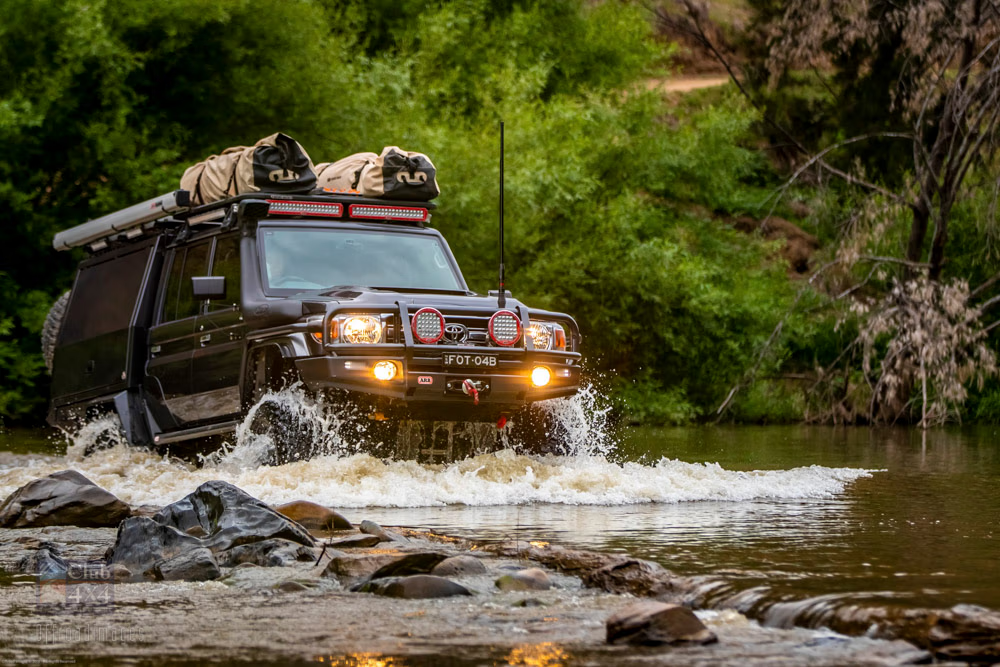
Vehicle Etiquette at River Crossings
Vehicle Etiquette at River Crossings: How Guides Should Park
Vehicle etiquette at river crossings is an essential part of responsible wildlife tourism in Kenya’s Maasai Mara National Reserve and Tanzania’s Serengeti National Park. Every year, thousands of safari visitors gather near the Mara River to witness wildebeest attempting to cross its crocodile-inhabited waters. While these crossings provide remarkable wildlife experiences, poorly positioned safari vehicles can disturb animals, obstruct movement routes and create unnecessary safety risks.
Wildebeest often hesitate before entering the river. They may gather along the banks for several hours, approach the water and then retreat. When safari vehicles occupy important approach routes, their presence can interfere with natural behaviour. Experienced guides must therefore understand where to park, how much space to leave and when to move away.
Responsible parking protects wildlife while allowing travellers to enjoy excellent viewing and photography opportunities. This guide explains the importance of vehicle positioning, the responsibilities of professional safari guides and the behaviour visitors should expect during Great Migration river crossings.
Why Vehicle Etiquette Matters at River Crossings
The Mara River is one of the most important natural obstacles encountered during the Great Wildebeest Migration.
Large herds move between northern Serengeti and the Maasai Mara in response to seasonal grazing conditions.
When animals approach the river, they encounter strong currents, steep banks, slippery rocks and Nile crocodiles.
These conditions already make crossings challenging.
Safari vehicles parked too close to approaching herds can create additional obstacles.
Main Problems Caused by Poor Parking
Blocking established wildlife movement routes.
Disturbing herds approaching the river.
Creating unnecessary crowding around crossing locations.
Restricting the views of other visitors.
Increasing the risk of vehicle accidents.
Damaging vegetation and riverbanks.
Encouraging irresponsible driving behaviour.
Good guiding requires balancing visitor expectations with wildlife protection.
Quick Facts About River Crossing Etiquette
| Feature | Recommended practice |
|---|---|
| Main destinations | Maasai Mara and northern Serengeti |
| Main crossing period | July to October |
| Vehicle positioning | Authorised viewing areas only |
| Wildlife approach routes | Must remain unobstructed |
| Parking distance | Follow location-specific regulations |
| Visitor behaviour | Remain inside the vehicle where required |
| Noise | Keep conversations and vehicle noise low |
| Photography | Use suitable lenses instead of approaching too closely |
| Main responsibility | Protect natural wildlife movement |
1. Guides Should Identify Wildlife Movement Routes
Before parking near a crossing location, guides should observe how wildebeest are approaching the river.
Large herds often follow established paths through surrounding grasslands.
Some groups gather on higher ground before descending towards the water.
Others move along the riverbank searching for suitable entry points.
A guide should avoid positioning the vehicle directly across these routes.
Why Open Approaches Are Important
Wildebeest may retreat if their route appears blocked or disturbed.
Vehicles can also separate animals from the main herd when parked in unsuitable locations.
An experienced guide studies herd movement before deciding where to stop.
The ideal viewing position allows animals to approach, enter and leave the river without interference.
2. Respect Official Parking Distances
One of the most important responsibilities of safari guides is following the parking distances established by wildlife authorities.
These distances vary according to the protected area and individual crossing location.
In Serengeti National Park, Tanzania National Parks Authority guidelines designate specific Mara River viewing points.
For example, published guidance identifies some crossing locations with minimum riverbank distances of 30 metres, while others require 40, 60, 80 or even 140 metres.
These distances are location-specific, not a universal rule.
Why Distances Differ
Riverbank conditions vary considerably.
Some sections contain steep slopes, while others have broader approaches.
Crossing points also differ in visibility, road access and available parking space.
Guides should follow current signs, official maps and ranger instructions rather than selecting their own preferred distance.
3. Never Park Between Wildebeest and the River
A safari vehicle should not create a barrier between migrating animals and their intended crossing location.
Wildebeest may approach a riverbank repeatedly before deciding to enter.
Vehicles positioned in front of the herd can restrict movement.
This may cause animals to retreat or search for alternative routes.
How Guides Should Respond
When wildebeest begin approaching, a guide should assess whether the vehicle is obstructing their movement.
If it is safe, legal and appropriate to reposition before the animals arrive, the guide should use an authorised location.
Once the herd is close, unnecessary movement may create additional disturbance.
The safest approach is to select a suitable position before the crossing becomes active.
4. Park Within Designated Viewing Areas
National parks and reserves establish viewing rules to protect wildlife and sensitive habitats.
In northern Serengeti, Mara River crossing guidelines identify authorised vehicle positions and maximum vehicle numbers for individual crossing points.
At some locations, vehicles must remain on one designated side of the river and face the prescribed direction.
Additional vehicles may be required to remain stationary in designated roads or parking areas.
These arrangements help control congestion and protect crossing routes.
Why Parking Anywhere Is Not Acceptable
Driving across unapproved grassland can damage vegetation and soil.
Repeated vehicle movements may create informal tracks, leading to erosion.
Riverbanks are especially vulnerable because their soils may be loose or waterlogged.
Responsible guides use authorised tracks and follow protected-area instructions.
5. Avoid Crowding Around Other Safari Vehicles
During peak migration months, several safari vehicles may arrive at the same crossing location.
Crowding can reduce viewing quality and increase pressure on wildlife.
Vehicles should not surround approaching herds or compete aggressively for the closest position.
Good Parking Manners
Professional guides should:
Leave sufficient room for other vehicles.
Avoid blocking established access routes.
Keep turning and reversing to a minimum.
Respect ranger instructions.
Avoid unnecessary engine revving.
Refrain from pushing into occupied viewing spaces.
Courtesy between guides improves the experience for everyone.
6. Keep Engines and Noise Under Control
Wildebeest are sensitive to disturbances in their surroundings.
Repeated engine revving, vehicle horns and excessive shouting can interrupt natural behaviour.
Once parked, guides should keep vehicle movement and noise to a minimum.
Engines may be switched off when conditions and safety procedures allow.
However, the guide must retain the ability to respond quickly if an emergency occurs.
What Visitors Should Avoid
Travellers should avoid shouting when the first animals approach the water.
Loud conversations may disturb wildlife and other visitors.
Music should not be played near crossing locations.
The best wildlife experiences often come from quiet observation.
7. Do Not Chase Herds Along the Riverbank
Wildebeest frequently move along the Mara River before crossing.
Some groups travel considerable distances in search of suitable locations.
Guides may be tempted to follow rapidly to secure a better viewing position.
However, pursuing animals too closely can interfere with their natural movement.
Why Chasing Is Harmful
Vehicles approaching animals from behind may increase pressure on the herd.
This can encourage rapid movement towards unsuitable areas.
Chasing also creates risks for passengers, wildlife and other vehicles.
Guides should travel on permitted tracks and approach viewing locations calmly.
8. Never Force a Crossing for Photographs
Some visitors expect to see wildebeest jumping into the river immediately.
However, crossings are unpredictable.
A herd may wait for hours before entering.
Other groups may retreat without crossing.
No guide should attempt to influence the animals by driving towards them, using a vehicle to push them forward or creating loud disturbances.
Photographers should understand that natural behaviour matters more than obtaining a dramatic image.
A responsible safari operator never guarantees that wildebeest will cross at a particular moment.
9. Respect Vehicle Limits at Crossing Points
Wildlife authorities may restrict how many safari vehicles can occupy a particular viewing location.
In Tanzania’s northern Serengeti, official Mara River crossing guidelines specify maximum vehicle numbers according to the designated point.
These limits help prevent excessive crowding.
The Mara Triangle in Kenya also operates wildlife-viewing rules intended to reduce vehicle congestion.
What Happens When Parking Is Full?
Guides should wait in authorised areas or select another suitable viewing location.
They should not create additional parking spaces by driving off designated routes.
If a ranger instructs vehicles to move, the guide must comply.
Protecting wildlife and visitor safety takes priority over securing a photograph.
10. Do Not Block Other Vehicles
Good safari etiquette also involves respecting fellow visitors.
A guide should avoid stopping where the vehicle obstructs the access or exit routes of others.
Parking across narrow tracks can create congestion and make emergency movement difficult.
Vehicles should leave enough space for authorised traffic to pass.
Sharing Viewing Opportunities
Professional guides understand that wildlife viewing is not a competition.
Where practical and permitted, visitors should have reasonable opportunities to observe the crossing.
However, moving vehicles repeatedly during active crossings can be more disturbing than remaining stationary.
Guides must balance courtesy with the need to minimise movement.
11. Remain Inside the Safari Vehicle
River-crossing areas can be dangerous.
Nile crocodiles inhabit the water, while lions and other wildlife may be present nearby.
Visitors should never leave their vehicle simply to obtain a closer photograph.
In Serengeti’s designated Mara River crossing areas, visitors are required to remain inside vehicles except in emergencies.
Why Walking Near Riverbanks Is Dangerous
Steep banks may collapse or become slippery.
Crocodiles can be difficult to detect.
Large wildebeest herds may suddenly change direction.
A professional guide should explain these risks before reaching the viewing area.
12. How Photographers Should Work With Guides
Wildlife photographers often request particular angles or positions.
A knowledgeable guide can help identify suitable locations while remaining within park regulations.
Photographers should use telephoto lenses rather than pressuring drivers to move closer.
A 100–400 mm zoom lens provides flexibility for photographing individual wildebeest and wider crossing scenes.
Fast shutter speeds of approximately 1/1000–1/2000 second can help freeze moving animals.
Why Patience Produces Better Photographs
A quiet, well-positioned vehicle allows photographers to concentrate on natural behaviour.
Constant repositioning may cause photographers to miss important moments.
Waiting patiently also provides opportunities to photograph animals gathering, hesitating and eventually crossing.
13. What Guides Should Do When a Crossing Begins
When wildebeest start entering the river, vehicle movement should generally be minimised.
Guides should remain in authorised positions and avoid blocking the animals.
Passengers should remain seated or safely positioned within the vehicle.
The driver should monitor both the wildlife and nearby vehicles.
Crossing Etiquette Checklist
| Situation | Appropriate guide response |
|---|---|
| Herd approaching | Keep movement routes open |
| Animals hesitating | Remain quiet and avoid interference |
| Crossing begins | Stay in the authorised position |
| Other vehicles arrive | Respect parking and access arrangements |
| Viewing area becomes full | Follow ranger instructions |
| Animals change direction | Avoid chasing or blocking them |
| Crossing ends | Leave calmly using permitted tracks |
14. Why Rangers Are Important During Crossings
Wildlife rangers help manage tourism activities around sensitive crossing locations.
They may direct vehicles, monitor visitor behaviour and enforce protected-area rules.
Their responsibilities include reducing disturbance and maintaining safe viewing conditions.
Guides and visitors should cooperate with ranger instructions.
A crossing site may also be temporarily closed to allow damaged vegetation to recover or because environmental conditions have become unsafe.
15. What Happens When Guides Break the Rules?
Protected-area authorities may penalise guides and operators who violate wildlife-viewing regulations.
Depending on the location and seriousness of the offence, consequences may include fines, removal from the reserve or restrictions on future entry.
For example, the Mara Conservancy has published rules addressing vehicle conduct, wildlife viewing and penalties.
Tourists should avoid encouraging guides to take unnecessary risks.
Choosing responsible operators supports better wildlife management.
16. How Travellers Can Encourage Responsible Guiding
Visitors influence safari behaviour through the expectations they communicate.
When booking, ask whether the operator follows official river-crossing regulations.
Choose guides who prioritise wildlife welfare and safe vehicle positioning.
If a crossing does not happen, remember that the decision belongs to the animals.
Questions to Ask Your Safari Operator
Before booking, consider asking:
Are your guides familiar with official Mara River viewing regulations?
How do you avoid blocking wildebeest?
Do you follow designated vehicle parking areas?
How do you manage crowded crossing locations?
What happens if animals move to another location?
Clear answers can help identify operators committed to responsible wildlife tourism.
Why Responsible Vehicle Parking Protects the Great Migration
The Great Migration depends on wildebeest moving naturally between seasonal grazing areas.
River crossings are already challenging because of currents, steep banks and crocodiles.
Poorly positioned vehicles can create additional obstacles that wildlife should not have to overcome.
Professional guides therefore have a responsibility to protect crossing routes, respect official parking distances and minimise disturbance.
For travellers visiting the Maasai Mara or northern Serengeti, responsible vehicle etiquette creates better opportunities to observe genuine wildlife behaviour.
A memorable crossing does not require the closest possible parking position.
It requires patience, a knowledgeable guide and respect for the animals moving through one of Africa’s most remarkable ecosystems.



No comment