
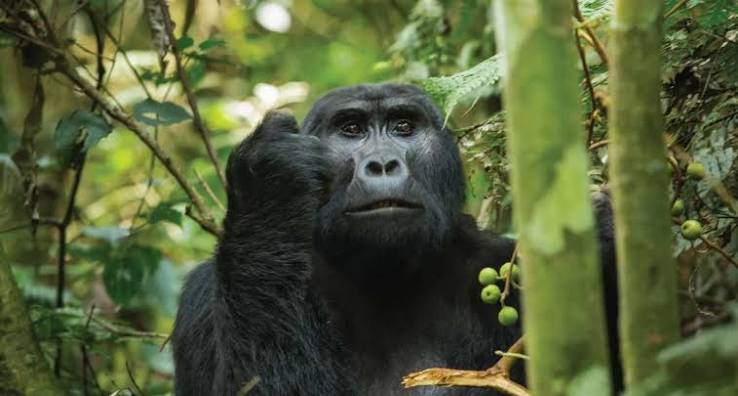
A Gorilla Trek Day in Bwindi, Hour by Hour
The alarm rings at 5:30 am. Outside your lodge, mist hangs over the hills surrounding Uganda’s Bwindi Impenetrable National Park. Birds are beginning to call, and somewhere inside the forest, mountain gorillas are waking up in their nests.
Today, you will walk into their natural habitat for one of Africa’s most memorable wildlife encounters.
Understanding a gorilla trek day in Bwindi helps travellers prepare for the early start, ranger briefing, forest hike and extraordinary hour with mountain gorillas.
Although every trek is different, most follow a similar structure. The main uncertainty is how long it takes to locate the assigned gorilla family.
This hour-by-hour guide explains what to expect from breakfast until you return to your lodge.
5:30–6:00 AM: Wake Up and Prepare
Your trekking day begins early.
Most lodges around Bwindi arrange breakfast before guests leave for the park headquarters.
The morning can feel surprisingly cool, especially in higher areas around Ruhija and Nkuringo.
Before leaving your room, check that everything you need is packed.
Essential Morning Checklist
- Gorilla trekking permit or booking confirmation.
- Passport or required identification.
- Waterproof hiking boots.
- Long trousers and a lightweight rain jacket.
- Drinking water and packed lunch.
- Camera with flash disabled.
- Gardening gloves for gripping vegetation.
- Personal medicines and necessary supplies.
Eat a proper breakfast because the hiking duration is unpredictable.
6:00–7:00 AM: Breakfast and Transfer
After breakfast, your safari driver transfers you to the designated trekking headquarters.
Bwindi has four main gorilla trekking sectors: Buhoma, Ruhija, Rushaga and Nkuringo.
Each has its own briefing arrangements and access routes.
Bwindi Trekking Sectors
| Sector | General Location |
|---|---|
| Buhoma | Northern Bwindi |
| Ruhija | Eastern Bwindi |
| Rushaga | Southern Bwindi |
| Nkuringo | South-western Bwindi |
Make sure your lodge is reasonably close to the sector where your permit is booked.
Travelling to the wrong headquarters can disrupt your trekking plans.
Your driver should confirm the reporting location and time the previous evening.
7:00–7:30 AM: Arrive at Park Headquarters
Visitors gather at the assigned registration point.
You may meet travellers from different countries, local porters and Uganda Wildlife Authority rangers.
Staff check permits and other required details.
This is also an opportunity to use the toilet and organise your belongings before heading into the forest.
If you have asthma, diabetes, knee problems or another condition affecting mobility, tell the ranger before group allocation.
The team may consider your limitations, although an easy route cannot be guaranteed.
7:30–8:00 AM: Meet Porters and Prepare Your Equipment
Porters are available at the trekking areas.
They can carry your backpack and assist with difficult sections of the walk.
Hiring a porter is useful even for reasonably fit visitors.
Bwindi contains steep slopes, slippery paths and dense vegetation.
A porter can reduce the strain of carrying equipment.
Confirm the hiring fee before departure.
Any additional tip is voluntary and normally given after the trek.
8:00–8:30 AM: Official Gorilla Trekking Briefing
The Uganda Wildlife Authority ranger explains the day’s procedures and conservation rules.
Visitors learn how to behave around mountain gorillas and what to do if a gorilla approaches.
The briefing also covers health precautions and photography.
Important Rules
| Rule | What Visitors Should Know |
|---|---|
| Group size | Maximum eight tourists per standard gorilla family |
| Viewing time | Maximum one hour |
| Viewing distance | Follow the current UWA and ranger requirement |
| Flash photography | Not permitted |
| Touching gorillas | Prohibited |
| Illness | Report contagious symptoms before trekking |
| Ranger instructions | Must be followed throughout |
Visitors are assigned to a habituated gorilla family.
Park staff may consider fitness and other practical factors when allocating groups.
8:30–9:30 AM: Begin the Forest Trek
The ranger leads the group towards the forest.
Some treks begin directly from the headquarters, while others involve a short vehicle transfer to a starting point.
Walking conditions change as you enter thicker vegetation.
The forest floor may contain exposed roots, muddy ground and fallen branches.
Steep slopes can make progress slow.
Your ranger sets the pace and coordinates with the tracking team.
What Is Happening Ahead of You?
Advance trackers have normally entered the forest earlier.
They use previous gorilla locations, nesting sites and fresh signs to locate the assigned family.
The trackers communicate updates to the ranger, helping the group follow the most suitable route.
9:30–10:30 AM: Follow the Gorilla Trail
By mid-morning, you may be walking through dense forest or climbing towards higher ground.
The forest contains many fascinating plants, insects and birds.
Your guide may point out signs of wildlife along the way.
Fresh gorilla nests, broken stems and feeding remains can indicate recent activity.
However, these clues do not guarantee the animals are immediately nearby.
The gorillas may have continued moving since the trackers last recorded their location.
Take breaks when necessary and drink water regularly.
10:30–11:30 AM: The Search Continues
On a moderate-length trek, you may now be approaching the gorillas.
The ranger communicates with the trackers and adjusts the route as required.
Excitement often increases when the group hears that the family has been located.
You may begin noticing freshly disturbed vegetation or distant gorilla sounds.
However, some groups will already have reached the gorillas, while others may still have several hours of walking ahead.
There is no guaranteed arrival time.
Around 11:30 AM: Prepare for the Encounter
This time is an example, not a fixed schedule.
When the gorilla family is close, the ranger asks visitors to prepare.
You may be instructed to leave backpacks with the porters at a suitable location.
Put on the face mask required by current park procedures.
Check that your camera flash is switched off.
The ranger explains where to stand and how to move around the family.
Remain quiet and follow instructions carefully.
11:30 AM–12:30 PM: Your One Hour With Mountain Gorillas
The moment you have been waiting for finally arrives.
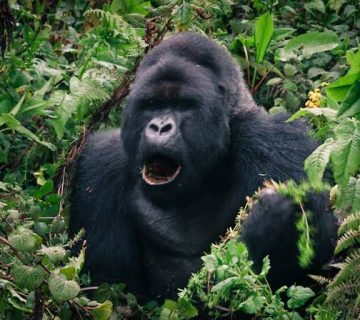
A large silverback may be resting among the vegetation.
Nearby, adult females feed on leaves while younger gorillas play or climb.
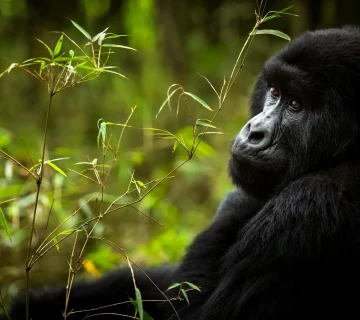
You are now observing mountain gorillas in their natural forest habitat.
What Might You See?
Visitors may witness:
- A silverback watching over his family.
- Mothers carrying or nursing infants.
- Young gorillas playing.
- Adults feeding on vegetation.
- Grooming and social interactions.
- Gorillas moving between feeding areas.
Every encounter is different.
Some families rest quietly, while others travel through the forest during the viewing period.
The standard observation time is limited to one hour from the start of the encounter.
Do not attempt to extend it.
12:30–1:30 PM: Begin the Return Journey
Once the viewing period ends, the ranger leads everyone away.
You collect your backpack and begin walking back.
The return journey may follow the same trail or a different route.
Descending steep slopes can be particularly difficult when the ground is wet.
Take your time and ask for assistance when needed.
Your porter may help you negotiate slippery sections.
Remember that reaching the gorillas is only half the physical journey.
1:30–2:30 PM: Lunch and Forest Walk
Depending on your route, the ranger may identify a suitable place for a packed lunch.
Food must be eaten away from the gorillas.
Do not leave rubbish or food scraps in the forest.
The walk back provides another opportunity to appreciate Bwindi’s wildlife and vegetation.
If the group has travelled a considerable distance, the return may take several hours.
Some trekkers finish earlier, while others remain in the forest until late afternoon.
2:30–3:30 PM: Return to the Starting Point
On many treks, visitors return to the headquarters or arranged collection point during the afternoon.
You may receive a gorilla trekking certificate as a souvenir.
This is also an opportunity to thank your ranger, trackers and porter.
If you wish to give gratuities, follow the agreed arrangements.
Your safari driver then transfers you back to your lodge.
For a particularly long trek, you may return considerably later.
3:30–5:00 PM: Relax at Your Lodge
After several hours in the forest, a warm shower and comfortable meal can feel especially welcome.
You may spend the afternoon reviewing photographs or sharing stories with fellow travellers.
Many visitors are surprised by how emotional the encounter feels.
Watching mountain gorillas interact naturally can leave a lasting impression.
If your trek was physically demanding, allow time to rest and rehydrate.
Avoid scheduling another strenuous activity immediately afterwards.
What if Your Trek Takes Much Longer?
Not every Bwindi gorilla trek fits the example timetable.
Some visitors locate gorillas after a relatively short hike.
Others spend many hours searching before reaching the family.
Possible Trekking Durations
| Trek Experience | What to Expect |
|---|---|
| Short trek | Gorillas relatively close to the starting point |
| Moderate trek | Several hours of walking |
| Long trek | Extended hiking through difficult terrain |
| Very long trek | Possible late-afternoon return |
These descriptions are illustrative rather than official difficulty categories.
Your assigned family’s location determines much of the day’s physical demand.
Can You Choose an Easier Trek?
You can explain your fitness level and mobility concerns during the briefing.
Park staff may take them into account when organising groups.
However, no particular gorilla family remains permanently close to the trailhead.
The animals move freely, making walking distances unpredictable.
Travellers with significant mobility limitations should discuss available assistance well before travelling.
What Makes a Successful Gorilla Trek?
A successful trek depends on preparation, patience and following conservation rules.
Arrive on time, bring suitable clothing and remain with your ranger.
Keep a realistic expectation of the walking conditions.
Most importantly, remember that mountain gorillas are wild animals, not performers.
The purpose of the encounter is to observe them respectfully without interrupting their natural behaviour.
A Day You Will Remember
A gorilla trek day in Bwindi begins long before visitors enter the forest.
From the early breakfast and ranger briefing to the challenging walk and unforgettable hour with mountain gorillas, every stage contributes to the experience.
Advance trackers, rangers and porters work together to help visitors reach the assigned family while protecting the animals.
The exact timetable may change, but the anticipation and reward remain extraordinary.




No comment