
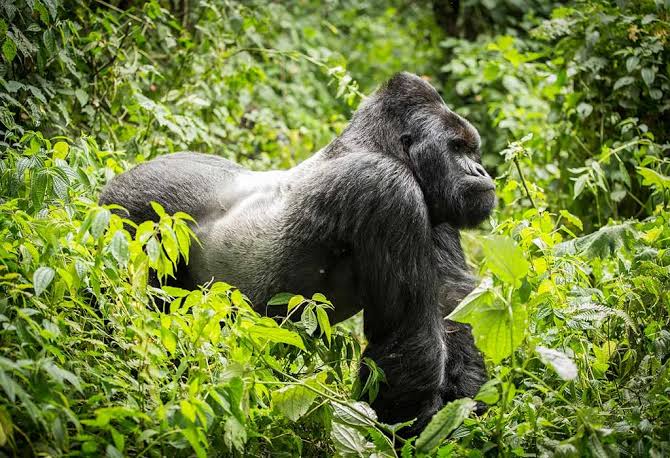
Gorilla Trekking With Asthma, Diabetes or a Bad Knee
Imagine standing at the entrance to Uganda’s Bwindi Impenetrable National Park, ready to begin a mountain gorilla trek. Around you, travellers adjust their hiking boots while rangers explain the day’s route. For some visitors, the excitement comes with an important concern: will a medical condition make the experience too difficult?
Gorilla trekking with medical conditions such as asthma, diabetes or knee problems is possible for some travellers, provided their condition is well managed and they receive appropriate medical advice.
However, gorilla trekking is physically demanding. Trails can be steep, muddy and slippery, while the forests of Uganda and Rwanda lie at elevations that can make exercise feel harder.
The key is careful preparation, honest communication and realistic expectations. This guide explains what travellers should consider before booking and how experienced guides and porters can help.
1. Can You Go Gorilla Trekking With a Medical Condition?
Having asthma, diabetes or a painful knee does not automatically prevent someone from participating in gorilla trekking.
However, suitability depends on the severity and stability of the condition, physical fitness, treatment requirements and the anticipated terrain.
A traveller with well-controlled asthma may manage a trek successfully, while another with frequent breathing difficulties may face unacceptable risks.
Similarly, diabetes management or a knee problem requires an individual assessment.
General Health Considerations
| Condition | Main Concern | Preparation |
|---|---|---|
| Asthma | Breathing difficulties during exertion | Medical review and prescribed inhalers |
| Diabetes | Blood glucose changes during exercise | Monitoring, medication and food planning |
| Knee pain | Slips, falls and painful descents | Assessment, supportive footwear and porter assistance |
| Reduced stamina | Exhaustion and difficulty keeping pace | Gradual fitness preparation and realistic route planning |
Always discuss the proposed trek with a qualified healthcare professional before making a non-refundable booking.
2. How Difficult Is Gorilla Trekking?
Mountain gorillas live in forests where walking conditions can change significantly.
Some treks involve relatively short approaches, while others require several hours of hiking.
Gorilla families move naturally, meaning their locations cannot be guaranteed in advance.
Visitors may encounter muddy ground, exposed roots, steep slopes and thick vegetation.
What Makes Trekking Challenging?
The main difficulties include uneven terrain, changing weather, altitude and unpredictable walking distances.
A trek may feel manageable on the outward journey but become more demanding during the return.
This is particularly important for travellers with knee problems or reduced exercise tolerance.
Even an apparently short trek can involve difficult sections.
3. Gorilla Trekking With Asthma
Travellers with well-controlled asthma may be able to trek safely after medical assessment.
However, prolonged walking, cold air, altitude and physical exertion can trigger symptoms in some individuals.
The Virunga Mountains of Rwanda and Uganda’s Mgahinga area include high-elevation trekking terrain.
Parts of Bwindi also involve substantial climbing.
Preparing for the Trek
Before travelling, ask your clinician to review your asthma control and treatment plan.
Carry prescribed reliever medication where it can be reached immediately.
If your clinician recommends an inhaler spacer or additional treatment, bring it.
Do not depend on a porter to carry emergency medication that you may need urgently.
Inform your ranger about your condition before departing.
If you develop unexpected wheezing, chest tightness or breathlessness, stop and follow your personal asthma action plan.
Severe breathing difficulty requires urgent medical assistance.
4. Can High Altitude Make Asthma Worse?
Altitude can make physical activity more demanding because less oxygen is available with increasing elevation.
Some people experience greater breathlessness or reduced stamina.
Cold, dry air can also aggravate asthma symptoms in susceptible travellers.
However, asthma does not affect everyone identically at altitude.
A person whose asthma is well controlled may tolerate exertion better than someone experiencing recent attacks.
The most important step is obtaining individual medical guidance before trekking.
Travellers should not assume that an inhaler alone makes strenuous mountain walking safe.
5. Gorilla Trekking With Diabetes
Many people living with diabetes can enjoy physically active holidays.
However, gorilla trekking requires additional planning because exercise, delayed meals and changes in routine can affect blood glucose.
The length of the hike may be unpredictable.
Travellers may also be some distance from medical facilities.
Essential Diabetes Preparations
- Discuss the trek and possible medication adjustments with your diabetes care team.
- Carry blood glucose testing equipment.
- Keep fast-acting carbohydrates readily accessible.
- Pack additional snacks and drinking water.
- Protect insulin and other supplies from unsuitable temperatures.
- Tell your guide how to recognise and respond to low blood glucose.
- Carry identification explaining your condition.
Medication changes should follow your clinician’s advice rather than a general travel recommendation.
6. How Can Trekking Affect Blood Sugar?
Long walks can change the body’s energy requirements.
For travellers using insulin or medications that can cause hypoglycaemia, physical exertion may increase the risk of low blood glucose.
However, stress, illness and other factors can also cause glucose levels to rise.
Monitoring is therefore important.
Practical Diabetes Trekking Plan
| Before Trekking | During Trekking | After Trekking |
|---|---|---|
| Check blood glucose | Monitor as advised | Continue checking |
| Eat according to your plan | Carry fast-acting sugar | Eat and recover |
| Confirm medication needs | Drink water regularly | Watch for delayed lows |
| Inform your guide | Stop if symptoms develop | Review any unusual readings |
Do not skip necessary medication or meals simply to avoid delaying the group.
Forest trekking should be organised around safe diabetes management.
7. What About Food During Gorilla Trekking?
Visitors normally carry water and a packed lunch or snacks.
These can be consumed during appropriate breaks away from the gorillas.
Eating and drinking are not permitted during the close gorilla-viewing encounter.
For a traveller with diabetes, this distinction is important.
Tell your ranger about your medical needs before the trek begins.
If treatment for low blood glucose becomes necessary, your health takes priority. Inform the ranger immediately so you can receive care away from the gorillas where possible.
Never delay treatment of a suspected severe low blood glucose episode.
8. Gorilla Trekking With a Bad Knee
Knee problems are common concerns among travellers planning gorilla trekking.
Steep descents can place substantial strain on knees, even when climbing uphill feels manageable.
Wet soil, roots and uneven paths increase the risk of slipping.
A previous injury, arthritis or persistent pain may affect stability.
How to Prepare
Consult a clinician or physiotherapist to assess whether trekking is appropriate.
If advised, strengthen the muscles supporting your knees through suitable exercises.
Practise walking on uneven ground and gentle hills before travelling.
Wear hiking boots with reliable grip.
Trekking poles may help with balance, while a porter can provide assistance on difficult sections.
However, none of these measures guarantees that a painful or unstable knee will tolerate the route.
9. Why Walking Downhill Can Be Harder
Many travellers focus on the uphill climb when assessing trek difficulty.
Yet descending steep slopes may be equally challenging.
Walking downhill requires controlled movements that place substantial loads on the knees.
Mud can make foot placement unpredictable.
For travellers with existing knee problems, the return journey therefore deserves particular attention.
Tell your guide if downhill walking is painful or unstable.
The guide may recommend shorter steps, additional assistance or a slower pace.
10. How Porters Help Travellers With Limited Fitness
Porters are available at many gorilla trekking locations in Uganda and Rwanda.
They can carry backpacks and provide practical support while walking.
A porter may help steady a traveller when crossing muddy or uneven sections.
Hiring one also provides income for neighbouring communities.
However, porters are not medical professionals.
They cannot determine whether trekking is safe for someone with serious breathing, blood glucose or mobility concerns.
11. Can You Be Carried to See Gorillas?
Some trekking areas offer arranged carrying assistance using a specialised stretcher-like chair and a team of local porters.
These services are sometimes described as sedan-chair arrangements.
They may help travellers with significant mobility limitations participate in a gorilla trek.
However, availability, equipment, staffing and suitability vary between locations.
Arrangements should be discussed and confirmed well before travel.
Carrying assistance cannot be assumed to provide access to every gorilla family or route.
It also does not eliminate all medical or safety risks.
12. Can You Request an Easier Gorilla Trek?
Visitors can explain their fitness levels and mobility concerns during the ranger briefing.
Park staff may consider this information when allocating trekking groups.
However, an easier route cannot be guaranteed.
Gorillas move freely, and their position can change overnight.
A family that was relatively close to the starting point yesterday may be farther away today.
Useful Requests Before Trekking
| Request | Possible Benefit |
|---|---|
| Explain your medical condition privately | Helps staff understand limitations |
| Ask about a less demanding group | May improve route suitability |
| Hire a porter | Reduces carrying effort |
| Request additional rest breaks | Helps manage exertion |
| Confirm carrying assistance in advance | Supports mobility planning |
| Discuss emergency arrangements | Improves preparedness |
If park staff cannot safely accommodate your needs, it may be necessary to postpone or decline the trek.
13. Uganda vs Rwanda: Which Is Easier?
Both countries offer outstanding mountain gorilla experiences.
However, neither destination is universally easier.
Bwindi contains several trekking sectors with different terrain, while Mgahinga involves mountainous forest.
Rwanda’s Volcanoes National Park also includes steep terrain at substantial elevation.
| Factor | Uganda | Rwanda |
|---|---|---|
| Gorilla trekking parks | Bwindi and Mgahinga | Volcanoes National Park |
| Terrain | Forest slopes and uneven trails | Mountain slopes and forest paths |
| Altitude concerns | Vary by sector | Often substantial |
| Porters | Available at trekking locations | Available |
| Easier group requests | May be considered | May be considered |
| Guaranteed easy trek | No | No |
Choose the destination based on individual needs, medical advice and the support arrangements that can be confirmed.
14. What Should You Pack?
Travellers managing medical conditions should prepare a personal trekking kit.
Essential items may include prescribed medication, monitoring equipment, water and suitable snacks.
Keep important medicines accessible rather than buried inside luggage.
Practical Packing Checklist
- Waterproof hiking boots.
- Rain jacket and long trousers.
- Walking pole or approved trekking aid.
- Personal prescription medicines.
- Asthma reliever inhaler if prescribed.
- Diabetes testing equipment and fast-acting sugar if needed.
- Drinking water and packed food.
- Emergency contact and medical information.
- Small backpack with essential supplies.
Pack only what you can comfortably manage or arrange porter assistance.
15. When Should You Avoid or Postpone Trekking?
Sometimes postponing a trek is the safest decision.
Examples include poorly controlled asthma, recent severe breathing attacks, recurrent unexplained low blood glucose, an actively injured knee or a condition that makes walking unstable.
A contagious respiratory illness is also a reason not to trek because human infections can threaten mountain gorillas.
Seek medical assessment rather than trying to push through significant symptoms.
If you become unwell during the trek, tell your ranger immediately.
Never continue solely because the permit was expensive or the gorillas are believed to be nearby.
16. Why Booking Early Helps
Travellers with particular mobility or health requirements benefit from early planning.
An experienced safari operator can explain available trekking sectors, porter arrangements and local facilities.
Early communication also allows time to ask the park authority about special assistance.
However, a tour operator cannot provide medical clearance or promise an easy trek.
Travellers should obtain advice from their own healthcare professional and confirm relevant accessibility arrangements before paying for services.
Planning a Safe Gorilla Trek
Gorilla trekking with asthma, diabetes or a bad knee can be possible, but every traveller’s circumstances are different.
A well-controlled condition, suitable physical preparation and reliable support can make a substantial difference.
The most important steps are seeking medical guidance, informing the park team about relevant needs and preparing for unpredictable terrain.
Porters, appropriate equipment and careful pacing can help, but they cannot remove every risk.


No comment