
Rubondo Island National Park: Tanzania’s Hidden Chimp Reserve
Rubondo Island National Park sits alone in the southwestern corner of Lake Victoria, a forested island in Tanzania that most safari itineraries skip entirely, which is exactly why the travelers who do make the crossing tend to come back talking about it. This guide covers what makes Rubondo Island National Park genuinely different from Tanzania’s mainland parks: an unusual chimpanzee population that was deliberately introduced rather than native, some of the best sport fishing on the lake, and the practical details of getting there.
Key Highlights
- An entire 237-square-kilometer island in Lake Victoria, part of a 456.8-square-kilometer park that includes 11 smaller islets
- Home to around 40 chimpanzees descended from 17 individuals deliberately released here between 1966 and 1969
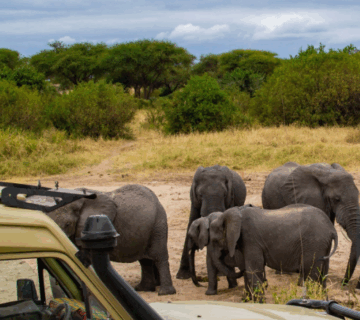
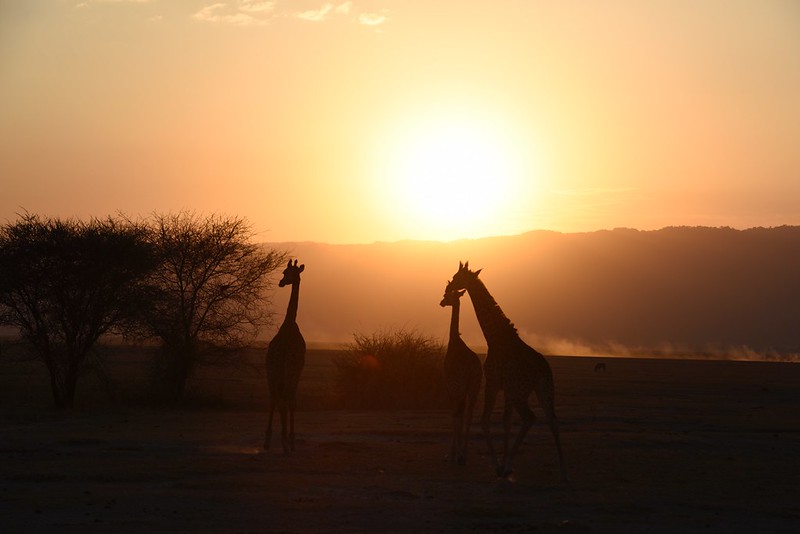
- Also carries introduced elephants and giraffes, species that would never naturally reach an island like this on their own
- Some of Lake Victoria’s best Nile perch sport fishing, alongside chimp tracking and birding
- Genuinely remote: reached by a drive from Mwanza followed by a boat crossing, which keeps visitor numbers low

Tanzania’s Hidden Chimp Reserve
An Island Built by Deliberate Design
Rubondo Island became a game reserve in 1965 specifically to provide a protected sanctuary for animals, and it earned full national park status in 1977. Before that, roughly 400 Zinza people lived here farming banana plantations; they were resettled to the mainland and neighboring islands during the late 1960s as the island’s purpose shifted toward conservation. That history matters because it explains something unusual about Rubondo: much of what lives here now was put there on purpose, not simply left in place.
Why the Chimpanzees Aren’t Native
Between 1966 and 1969, the German conservationist Bernhard Grzimek and the Frankfurt Zoological Society released 17 chimpanzees onto Rubondo in stages, rescued and confiscated animals with nowhere else safe to go. That founding population has grown to roughly 40 individuals today, all descended from those original 17, which makes Rubondo Island National Park one of the few places in East Africa where you can track a genuinely wild-living chimp community that exists purely because conservationists decided an isolated island would make a good sanctuary. Alongside the chimps, the same reintroduction era brought African elephants, giraffes, and roan antelope and black rhino, though the roan and rhino populations have since gone extinct on the island, along with suni antelope, mantled guereza colobus monkeys, and confiscated grey parrots.
Wildlife on Rubondo Island
Introduced Giants Alongside Native Residents
Seeing elephants and giraffe on an island in the middle of Lake Victoria is genuinely disorienting the first time, since neither species would ever have reached Rubondo naturally, and both now move through forest and grassland habitat that looks nothing like the open plains most travelers associate with them. Native wildlife rounds out the picture: vervet monkeys, sitatunga, hippos, genets, and harnessed bushbuck were already here before the reintroduction program began, giving the island a genuine mix of original and transplanted species found almost nowhere else on a single reserve.
The Grzimek Legacy Behind the Island
Bernhard Grzimek is best known internationally for his work championing the Serengeti, including the influential documentary and book “Serengeti Shall Not Die,” but Rubondo Island represents a quieter, less famous side of that same conservation career: the belief that an isolated island could function as a living laboratory for reintroducing species under real protection from poaching and habitat loss. Rubondo has never drawn anything like the attention the Serengeti gets, but the same conservation philosophy runs through both places.
Forest, Grassland, and a Lake Victoria Climate
Around 80 percent of Rubondo is mixed evergreen and semi-deciduous forest, with grassland and acacia woodland filling in the rest, and the climate stays mild year-round, roughly 19 to 26 degrees Celsius, with rain falling in two peaks, around December and again between April and May. That forest cover is exactly what makes chimp tracking here work despite the island’s modest size, dense enough to support a real forest ecosystem rather than just scattered trees.
Activities Beyond Chimp Tracking
Some of Lake Victoria’s Best Sport Fishing
Rubondo has a genuine reputation among anglers for Nile perch fishing, with the lake’s deep water around the island producing some of the more serious catches reported anywhere on Lake Victoria. It is a real draw in its own right, enough that some visitors come primarily for the fishing and treat the chimps and birding as a bonus rather than the other way around. Catch-and-release is the standard practice among licensed operators on the island, and boats typically head out early to fish the cooler morning hours before the day’s other activities.
Birding, Canoeing, and Boat Trips
The island’s shoreline and surrounding waters are consistently good for birding, with fish eagles, herons, and egrets working the rocky shorelines and open water, and canoe or boat excursions around the smaller islets add a slower, water-level way to see the park beyond the forest interior. Combined with game drives and guided walks, it adds up to a genuinely varied few days for a single small island.
Planning Your Visit
Getting There From Mwanza
Most visitors reach Rubondo Island National Park by driving roughly 220 kilometers from Mwanza to Kasenda or Nkome, then crossing by boat, a trip of about one to one and a half hours depending on lake conditions. Fly-in options exist too, with a guide meeting arriving visitors at the airstrip for the onward boat transfer, which cuts the overland time considerably for travelers short on days.
What It Costs
Park permit fees run roughly 80 to 100 US dollars per person, subject to periodic revision by Tanzania National Parks, while full guided packages that bundle chimp tracking, accommodation, and meals typically range from 300 to 600 US dollars per night, with multi-day packages, a common five-day itinerary among them, running from roughly 1,800 to 2,800 US dollars per person depending on group size and accommodation standard. Confirm current rates with your operator, since permit pricing here is revised more variably than at Tanzania’s better-known parks.
Where to Stay
Accommodation on the island is deliberately limited, running from a single upscale tented camp built specifically around chimp tracking and fishing trips down to more basic park-run bandas for travelers on a tighter budget. Because Rubondo sees so few visitors on any given day, availability rarely becomes a real constraint the way it can at Tanzania’s busier northern parks, but booking is still worth confirming well ahead given the small number of beds on the island overall.
Best Time to Visit
The driest windows outside the two rainy peaks, roughly late December through February and June through September, are the easiest months for chimp tracking and game drives, since forest trails stay firmer and the island’s dirt tracks are less prone to washing out. Sport fishing is less season-dependent and productive across most of the year, which is part of why anglers treat Rubondo as a viable trip regardless of when the rest of a Tanzania itinerary is timed.
Why So Few Travelers Make It Here
Rubondo’s remoteness is precisely what keeps it uncrowded: no paved road runs directly to a lakeside gate, and reaching the island always involves a genuine boat crossing rather than a quick drive-in stop on a standard northern circuit itinerary. For travelers who have already done Serengeti and Ngorongoro and want something that feels genuinely off the beaten path rather than a repackaged version of the same experience, that inconvenience is the entire point.
Frequently Asked Questions
Is Rubondo Island worth the detour from Tanzania’s main safari circuit?
For travelers who want a genuinely different experience after the Serengeti and Ngorongoro, yes. It trades big-cat density for an unusual mix of chimp tracking, introduced megafauna, and lake-based activities you won’t find on the northern circuit.
Are the chimpanzees on Rubondo easy to track?
Tracking success varies with the season and how far the community has ranged, similar to any wild chimp tracking activity, though guides know the island’s forest well given its relatively contained size compared with mainland forest parks.
Can you see the Big Five on Rubondo Island?
No. Rubondo has elephants but no lions, leopards, or Cape buffalo in meaningful numbers, and both black rhino and roan antelope introduced here have since gone extinct on the island. It is a primate, birding, and fishing destination rather than a Big Five park.
How many days should I spend on Rubondo?
Two to three days lets you fit in chimp tracking, a game drive, and some fishing or birding without rushing the boat transfer on either end. Serious anglers often stay longer.
Can I combine Rubondo Island with a northern-circuit Tanzania safari?
Yes, though it adds real travel time. Most itineraries route through Mwanza specifically to reach Rubondo, either as an extension before or after Serengeti and Ngorongoro, rather than a same-day combination given the distances involved.
Recommended Safaris
Rubondo Island National Park pairs well with a wider Tanzania itinerary built around the northern circuit. See our Gorilla Trekking Uganda page if you are combining primate tracking across multiple countries, and our guide to Bwindi Impenetrable National Park for how Uganda’s chimp and gorilla experiences compare with what Rubondo offers. Travelers building a longer East Africa trip should also look at the 7 Days Serengeti and Bwindi Gorillas itinerary and the 15-Day Ultimate East Africa Group Safari, both of which can be adapted to include a Lake Victoria detour. When you are ready to plan a Rubondo Island trip, get in touch with our team and we will help you work out the Mwanza logistics and boat transfer.

No comment