
Stargazing Near Ngorongoro Crater: What You Can See at Night
Ngorongoro Crater’s rim sits far from major cities and their light pollution, at an elevation that puts travelers closer to genuinely dark, star-filled skies than almost anywhere else on a typical Tanzania itinerary. Understanding what you can actually see, and how to make the most of a night under these skies, adds a rewarding dimension to a Ngorongoro visit beyond the daytime game drive.
Why Ngorongoro’s Skies Are Especially Dark
The crater rim’s remote location, far from significant artificial lighting, combined with its elevated position above much of the surrounding atmospheric haze, creates genuinely excellent conditions for naked-eye stargazing that many lower-elevation, more populated safari destinations simply can’t match.
The Milky Way as the Headline Attraction
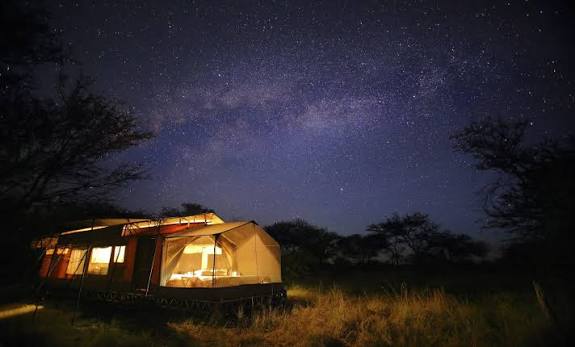
On clear, moonless nights, the Milky Way’s dense band of stars becomes vividly visible from Ngorongoro’s rim, a sight many travelers from heavily light-polluted home cities have genuinely never witnessed with the naked eye before, making this alone worth timing your visit around darker lunar phases.
Southern Hemisphere Constellations Worth Knowing
Travelers from the Northern Hemisphere gain access to distinctly southern constellations from Ngorongoro, including the Southern Cross, a genuinely different night sky than what’s visible from most of North America, Europe, or northern Asia, adding novelty value beyond simple star density.
Best Timing Around the Lunar Cycle
Planning your Ngorongoro visit around a new moon or its surrounding days significantly improves stargazing conditions, since even a partial moon’s brightness can wash out fainter stars and the Milky Way’s more subtle detail, making lunar calendar awareness genuinely worth checking before booking.
Seasonal Considerations for Clear Skies
Tanzania’s dry season generally offers more reliable clear skies for stargazing than the rainier months, when cloud cover can obscure otherwise excellent viewing conditions, making dry season timing doubly valuable for travelers prioritizing both daytime game drives and nighttime sky viewing.
What Lodges Offer for Stargazing
Many Ngorongoro rim lodges have recognized this appeal and now offer dedicated stargazing decks, telescopes, or guided astronomy sessions, and travelers with genuine interest should specifically ask about these offerings when selecting accommodation for their stay.
Planets Visible to the Naked Eye
Depending on timing, Venus, Jupiter, Mars, and Saturn are often visible to the naked eye from Ngorongoro’s dark skies, appearing notably brighter and more distinct than from most urban locations, and a basic sky map app helps identify exactly what you’re seeing on any given night.
Bringing the Right Equipment
While naked-eye viewing already delivers a remarkable experience, travelers with genuine astronomy interest should consider packing compact binoculars, which meaningfully enhance detail on the Milky Way’s star clusters and the moon’s surface when it is visible.
How Cold Ngorongoro Nights Actually Get
Ngorongoro’s elevated rim position means nighttime temperatures drop considerably below daytime warmth, and stargazing sessions genuinely require warm layers, hats, and gloves regardless of how mild the afternoon felt, a detail first-time visitors sometimes underestimate.
Combining Stargazing With a Campfire Evening
Many lodges pair stargazing opportunities with an evening campfire, creating a genuinely atmospheric combination that rewards travelers willing to stay up past a typical early safari bedtime for this distinctly different kind of Ngorongoro experience.
Photography Considerations for Night Skies
Astrophotography enthusiasts should bring a sturdy tripod and a camera capable of long exposures, since Ngorongoro’s dark skies offer genuinely excellent conditions for capturing detailed Milky Way images that simply aren’t achievable from light-polluted locations back home.
How This Compares to Other Tanzania Stargazing Spots
While the Serengeti’s even more remote plains offer comparably dark skies, Ngorongoro’s combination of accessibility, established lodge infrastructure, and genuine darkness gives it a practical edge for travelers wanting excellent stargazing without sacrificing comfort.
Guided Astronomy Sessions Worth Seeking Out
Some properties offer guides with genuine astronomy knowledge who can identify constellations, explain visible celestial objects, and share cultural or scientific context, transforming a passive sky-gazing session into a genuinely educational evening activity.
What First-Timers Are Often Surprised By
Travelers experiencing genuinely dark skies for the first time often describe being surprised by just how many stars become visible, far beyond what any city or suburban sky ever revealed, a moment many describe as unexpectedly emotional and memorable.
Balancing Stargazing With an Early Game Drive Schedule
Since Ngorongoro’s crater floor game drives typically require an early departure, travelers should balance late-night stargazing enthusiasm against getting adequate rest, perhaps limiting extended sky-watching to nights before a later planned start.
Weather Apps and Checking Conditions in Advance
Checking current cloud cover forecasts for your specific travel dates, rather than relying purely on general seasonal patterns, helps set realistic expectations about whether conditions will support genuinely clear stargazing during your particular stay.
Stargazing as Part of a Broader Northern Circuit Itinerary
Travelers combining Ngorongoro with Serengeti time can enjoy excellent stargazing at both locations, giving dedicated astronomy enthusiasts multiple opportunities across a single broader Tanzania itinerary rather than a single isolated night.
Why This Activity Requires No Extra Cost
Unlike many specialized safari activities, basic naked-eye stargazing costs nothing beyond simply stepping outside after dark, making it one of the most accessible, rewarding additions to any Ngorongoro stay regardless of your overall trip budget.
How Local Guides Discuss the Night Sky
Some Ngorongoro guides weave local and cultural perspectives on the night sky into their commentary, offering a dimension beyond pure astronomy that many travelers find adds genuine richness to the stargazing experience.
Setting Realistic Expectations for Cloudy Nights
Even during generally favorable seasons, occasional cloud cover can limit visibility on any given night, and travelers should approach stargazing with the same flexible mindset applied to wildlife sightings, a wonderful bonus rather than a guaranteed outcome.
Bringing a Red-Light Flashlight
A flashlight with a red-light setting preserves night vision far better than standard white light, a small but genuinely useful piece of equipment for serious stargazers moving around camp after dark without disrupting their eyes’ adjustment to darkness.
Why Darkness Itself Is Part of Ngorongoro’s Conservation Value
The same remoteness and lack of development that preserves Ngorongoro’s wildlife habitat also preserves its dark skies, connecting stargazing appreciation to the broader conservation story that makes the entire destination worth protecting.
Final Thoughts on Adding Stargazing to Your Visit
A Ngorongoro trip built purely around daytime game drives misses a genuinely remarkable dimension of the destination, and travelers who make time for at least one dedicated night sky session consistently describe it as an unexpected highlight of their broader Tanzania journey.
How Altitude Affects the Viewing Experience
Ngorongoro’s rim elevation, sitting well above the surrounding lowlands, places stargazers above a meaningful portion of the atmosphere’s dust and moisture, contributing measurably to the clarity and depth of the night sky visible from lodge decks and viewpoints.
What Shooting Stars and Satellites You Might Spot
Beyond fixed stars and planets, patient observers at Ngorongoro often spot occasional meteors and slowly moving satellites crossing the sky, small but genuinely exciting additions to an already rewarding night of observation.
How Long to Spend Stargazing for a Genuine Experience
Allowing your eyes at least twenty minutes to fully adjust to darkness before expecting the best possible view meaningfully improves what you’re able to see, making a longer, unhurried session more rewarding than a brief five-minute glance outside.
Involving Children in the Stargazing Experience
Families traveling with children often find stargazing at Ngorongoro genuinely captivates younger travelers who may otherwise tire of daytime game drives, offering a low-key, screen-free evening activity that works well across a wide age range.
How This Adds to the Overall Value of Your Stay
Since naked-eye stargazing costs nothing extra and requires no special booking, it effectively adds a full bonus activity to whatever accommodation package you’ve already arranged, genuine added value without additional trip expense.
Comparing Ngorongoro’s Skies Across the Year
While dry season generally offers the clearest, most reliable conditions, some travelers specifically time visits around the shorter rains for the dramatic cloud formations that occasionally part to reveal especially striking star fields between weather systems.
How Guides Frame the Experience for Guests
Thoughtful lodge staff sometimes introduce stargazing as a deliberate closing activity to the day, transitioning guests from the excitement of a crater floor game drive into a quieter, reflective evening that many describe as a meaningful contrast.
What to Do if Clouds Roll In
Travelers facing an unexpectedly cloudy night shouldn’t view this as a wasted opportunity, since many properties offer alternative evening programming, and clear skies often return within a night or two during a multi-night Ngorongoro stay.
A Final Word on Making Time for the Night Sky
Amid a packed daytime safari schedule, deliberately protecting even thirty unhurried minutes for stargazing turns an easily overlooked opportunity into one of the more quietly memorable parts of a Ngorongoro stay.
Planning Your Ngorongoro Stargazing Experience
Ngorongoro’s dark, remote skies offer a genuinely remarkable stargazing experience alongside its famous daytime wildlife. All in Africa Safaris can recommend lodges with strong stargazing offerings for your Ngorongoro stay, or you can get in touch to plan the details of your trip.


No comment