
Kenyas Rift Valley Lakes: A 7-Day Birding Road Trip
Kenyas Rift Valley is one of Africas rewarding places for anyone who loves wild areas beautiful views and amazing birds. It runs through a series of lakes surrounded by walls, open grasslands, forests and hills that have volcanoes. This area has a lot of kinds of places to live for animals and birds and you can get to many of them by driving just a short distance. A seven-day trip gives you time to visit several big lakes without feeling rushed while still having time for quiet mornings nice drives and surprises with animals.
Kenyas Rift Valley Lakes: A 7-Day Birding Road Trip takes you to some of the places in Kenya for bird watching. The route feels exciting and easy to reach. From the edges of Lake Nakuru to the fresh water wetlands of Lake Naivasha and the quiet beauty of Lake Bogoria each day shows you a new kind of place. You might start the day with flamingos on a lake. End the same afternoon watching birds of prey flying over the hills.
Day 1: Nairobi to Lake Naivasha
Your trip starts in Nairobi with a start heading toward the Great Rift Valley. As the city is behind you the land changes quickly. The road goes up to places where you can look down at the valley. Distant hills, farms, rocks and volcanoes make a first impression of the area.
Lake Naivasha is a place to start because the fresh water there has a lot of birds. The lake and the plants around it bring in fish eagles, pied kingfishers, herons, egrets, weavers, cormorants and many more. The birds are often very active near the edge of the lake during the times of the day like early morning and late afternoon.
Explore Lake Naivashas Shoreline
Spend the afternoon looking around the lake, where the reeds and the trees give homes for birds. A trip on a boat can help you see the birds that live on the water. African fish eagles are special often sitting above the water before diving for food.
Look at the trees well as the lake. Birds can show up anywhere. Moving slowly can help you find birds that you might miss if you are in a hurry. Stay near Naivasha in the evening. Get ready for another early morning.
Day 2: Lake Naivasha and Hells Gate
Start your day, near Lake Naivasha before going to Hells Gate National Park. The park is known for its cliffs and hot areas but the birds there are also very special. Open fields, rocky cliffs, small bushes and trees create places where many kinds of birds live.
Watch Raptors above the cliffs as you walk through the park. Raptors fly high in the morning air while smaller birds glide through bushes and grass below.
Hells Gate gives you a chance to see how wildlife and land work together. Zebras and gazelles cross the plains while birds search for food nearby making the scene feel very East African.
After the walk return to Naivasha for the night. Keep going to your next stop depending on how fast you like to travel.
Day 3: Lake Nakuru National Park
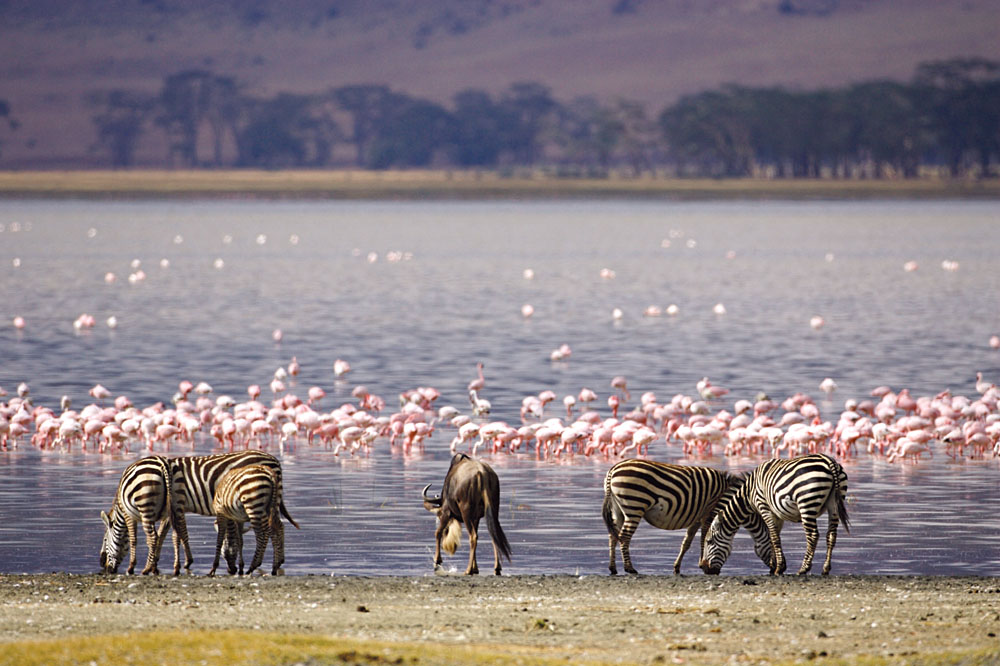
On day three drive to Lake Nakuru National Park, one of Kenyas famous wildlife areas. Lake Nakuru is known for flamingos but the number of flamingos changes with water level, food and weather.
Lake Nakurus surroundings are more than flamingos. Wood, grass rocks and wetlands hold hornbills, kingfishers, starlings, raptors, sunbirds, herons and many other birds. The park also has rhinos, giraffes, buffaloes and other mammals.
Give yourself time around the lake.
A full day lets you visit parts of the park not just the lakeshore. Early morning drives are best because it is cooler and many animals and birds are active.
Take time to look for birds that eat on the ground in spaces. Then move to the edges of woods and tall trees. Birding is more productive when you switch between habitats of staying on one species or spot.
Day 4: Lake Nakuru to Lake Bogoria
Day four takes you north toward Lake Bogoria. The road becomes more rugged as it follows the Rift Valley with cliffs and volcanic land that make a striking view.
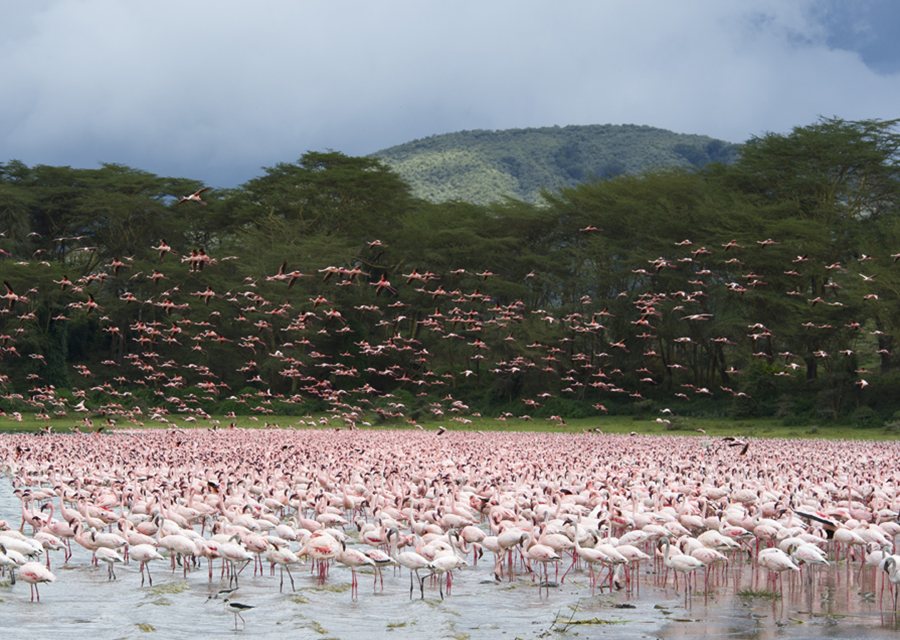
Lake Bogoria is famous for springs, geysers and flamingos. The lakes alkaline water supports life that feeds flamingos so large gatherings appear when conditions are good.
Experience Bogorias wild landscape.
Spend time at viewpoints and along the shore watching flamingos feed or move across shallow water. Seeing hundreds or thousands of birds against the hills can be unforgettable.
Do not focus on the lake. The nearby bush and rock area also hold birds that like places. Depending on the season you may see bee‑eaters, wheatears, starlings, raptors and other species that love conditions.
Stay near Lake Bogoria or in the surrounding area so you can enjoy the land without rushing the trip.
Day 5: Lake Bogoria to Lake Baringo
Continue north toward Lake Baringo, a water lake that feels different from the alkaline lakes to the south. The change in scenery is one of the parts of the journey because the land keeps changing as you drive.
Lake Baringo is known for birds. Its mix of water, rocky shores, acacia wood, wetlands and nearby villages gives many chances to spot birds.
Discover Baringos bird diversity.
A guided boat trip can help you reach spots around the lake while saving travel time. Fish eagles, kingfishers, herons, egrets, cormorants and other water birds can be seen near the shore.
The surrounding woods can be just as rewarding. Look carefully for hornbills, rollers, woodpeckers, sunbirds and other small birds. Baringo rewards patience so leave time in your schedule, for exploration instead of trying to see every species in one morning.
Day 6: A Day Around Lake Baringo
Give Lake Baringo a full day before starting the return journey. The early morning is the time to explore the woodland and shoreline habitats when the air is cool and the temperatures are still comfortable.
This is a day to focus on bird species that you might have missed earlier in the trip. Take time to learn bird calls watch their behavior and study how they feed. A bird sitting quietly in a tree might seem like a sight at first.. With careful observation you may notice special markings or habits that make the moment stand out.
Enjoy the Landscape Between Sightings
One of the things about a Rift Valley road trip is that birding does not have to happen nonstop. Take time to appreciate the views—the lake, the cliffs, the dry country and the quiet rural scenes. The drive itself becomes part of the adventure.
Having a good local guide makes a difference. They can recognize bird calls. Know where certain species are usually found. Conditions change with the seasons so local knowledge helps you adjust your plans based on what’s actually happening on the ground.
Day 7: Return Toward Nairobi
Your final day begins with one chance to bird in the early morning around Lake Baringo before you begin the drive back to Nairobi. Depending on your departure time you can make a quick stops along the way to keep watching for birds.
The return journey lets you reflect on how much the landscape has changed over the seven days. You’ve traveled through freshwater wetlands, alkaline lakes, grasslands, forests, volcanic areas and dry-country habitats. Each place brought birds and different experiences.
Planning Your Rift Valley Birding Adventure
Kenyas Rift Valley Lakes: A 7-Day Birding Road Trip works best when you balance your ambitions with flexibility. Seven days can cover major spots but you should not expect to see every bird. Weather, water levels, seasonal movements and local conditions all affect what you see.
Bring binoculars, a field guide, walking shoes, sun protection, light clothes and plenty of drinking water. A camera with a telephoto lens can help, but you don’t need expensive gear to enjoy the trip. A notebook is just as useful for writing down locations, behaviors and bird calls you hear.
The dry season usually offers road conditions and good wildlife viewing.. The wet season can bring greener scenery and more bird activity. Before you go check the conditions in the parks and plan your route around the areas you want to explore most.
More Than a Birding Trip
Kenyas Rift Valley Lakes: A 7-Day Birding Road Trip is more than a checklist of birds. It allows you to experience one of Kenya’s diverse landscapes at a thoughtful pace. You can watch flamingos feeding in water hear kingfishers along a freshwater shore follow raptors flying over ancient cliffs and wake up to birdsong beside a Rift Valley lake.
The best memories often come from moments. A fish eagle calling from a tree, in the distance a flock suddenly rising from the water or a colored bird appearing beside the road—these small instances can stay with you for years.
Kenyas Rift Valley Lakes: A 7-Day Birding Road Trip is an invitation to slow down pay attention and let the landscape guide your journey. With seven days, amazing lakes and many chances to stop and look the Rift Valley can turn a regular road trip into a lasting celebration of Kenya’s birds and wild places.

No comment