
The Ultimate 14-Day East Africa Birding Safari Itinerary
East Africa is a place for anyone who wants to see birds in lands that feel alive from sunrise to sunset. Uganda, Kenya, Tanzania and Rwanda offer a mix of forests, wetlands, lakes, grasslands, mountains and savannas. Each area has its special group of birds. A good plan can take you from the papyrus channels of Uganda to the plains of Kenya and the busy lands of northern Tanzania. This makes for a trip for bird photographers or anyone seeing African birds for the first time.
The Ultimate 14-Day East Africa Birding Safari Itinerary brings together the spots in the region while giving you enough time to enjoy the views. This trip is about variety. Of spending two weeks looking for birds in just one place you will move through different habitats. This means you can find species at every step. The result is a safari of movement new finds and great moments where you can see how birds live in the African landscape.
Days 1 and 2: Begin in Uganda
Uganda is a place to start because it has so many different types of homes for birds. After you land in Entebbe you can spend your afternoon looking at nearby wetlands, gardens and woods. Take things slow. After a trip you will want to rest while you get used to the sounds and colors of Uganda.
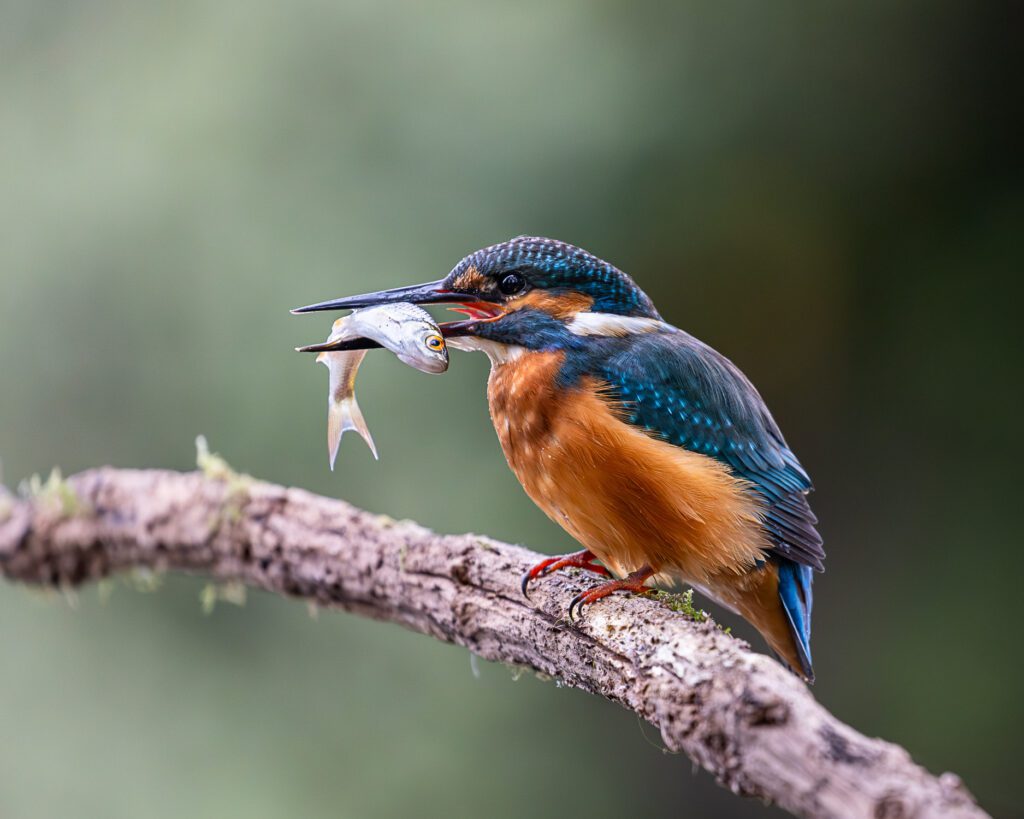
The morning you can head to Mabamba Swamp. This is one of the spots in Uganda to find the famous shoebill. Going through the wetland in a canoe lets you get close to the papyrus channels and marshes. The shoebill might be why you are there. You can also find African jacanas, kingfishers, herons, egrets and other birds that live in wetlands. It is a moment when the mist clears and the first light hits the water.
Allow time for observation
Do not try to count every bird you see in one morning. Instead give yourself time to watch what the birds do. Watching a bird eat, call, fly clean its feathers or play with another bird creates a better memory than just seeing a bird, for a second and moving on.
Days 3 and 4: Forest Birding in Uganda
Travel toward the forests of Uganda. The scenery shifts sharply. The drive becomes part of the adventure as farm fields turn into dense trees and rolling hills. If your path goes near Kibale or other nearby forest spots you will find chances to spot forest birds.
Forest birding needs patience. Many birds hide in leaves. Turacos, hornbills, barbets, sunbirds, flycatchers and other bright birds may burst out between branches. Early mornings are best because bird activity peaks before the day gets hot.
A skilled local guide changes the experience. Guides know bird calls, feeding spots, nesting places and seasonal shifts that are hard to find. They also show you how to move carefully through areas and share deeper forest knowledge.
Days 5 and 6: Cross Into Kenya
From Uganda head to Kenya and the lands near Lake Nakuru or the Great Rift Valley. The change is dramatic. Forests turn into plains, cliffs, wetlands and salty lakes where many water birds gather.
Lake Nakuru is a highlight when water levels bring flamingos and other aquatic birds. Pelicans, storks, herons, egrets and hawks also add to a sunrise. The nearby national park lets you see birds with animals.
The Rift Valley is great for photos with views and shifting light. Sunrise turns a lake’s surface; afternoon casts long shadows on the plains. Even if a specific bird is missing the scenery still offers sights.
Days 7. 8: Maasai Mara Birding
Move south to the Maasai Mara. Open grassland gives a new birding feel. The Mara is known for animals. Birds also deserve focus. Birds of prey stand out with bateleurs, tawny eagles, long‑crested eagles and many vultures hunting across the land.
Look beyond the mammals
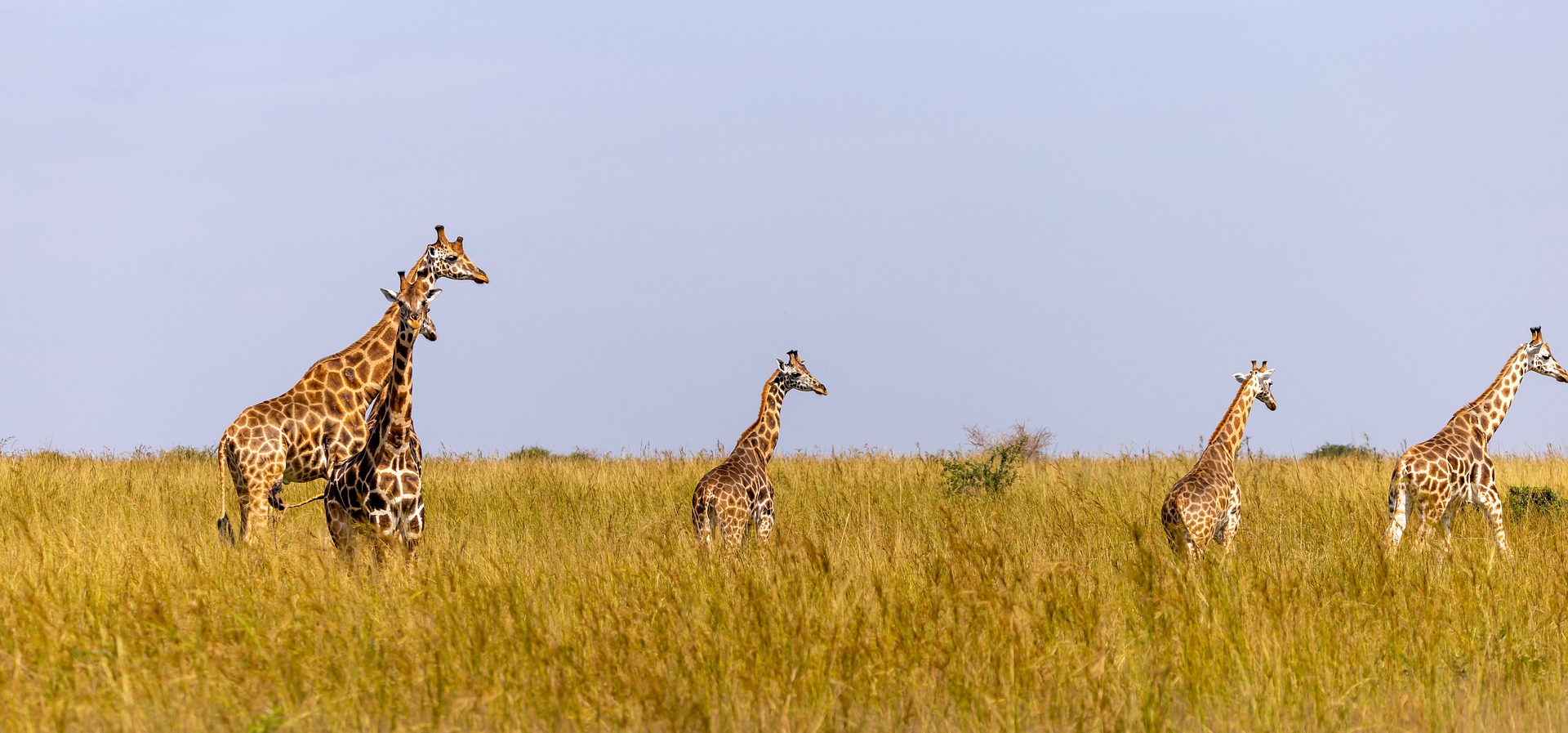
The vehicle can lure you to watch only lions, elephants and big beasts. Try to avoid that urge. Peek at tree tops fence posts, dead branches and the sky. Secretarybirds roam the grass rollers dart across the land and small birds add color to the scene.
Maasai Mara shows a point: habitats belong to animals and people who rely on them. Healthy grasslands hold food chains. Careful tourism helps the economy and keeps these precious lands safe.
Days 9 and 10: Enter Northern Tanzania
Go into Tanzania and visit the wildlife‑rich lands near the Serengeti. The Serengeti is an African ecosystem and its huge plains hold many birds.
Big hawks often scout the grass. Ground birds roam the ground. In spots and seasons you may see ostriches, kori bustards, hornbills, starlings, vultures, eagles and many tiny birds.
The Serengeti loves those who pause. Rather than drive nonstop from one sight to another take your time. Birds show up by moving and making noise. A far shape can turn into an eagle when you look through the binoculars. A splash of blue can reveal a roller on a branch. These little moments are the parts of the trip.
Days 11 and 12: Ngorongoro and Lake Manyara
The trip goes to Ngorongoro Conservation Area. Highlands and crater lands give chances for animals and birds. Moving up and down changes plants and bird groups. The crater floor shows wetlands, grass and forest slopes.
From Ngorongoro, head to Lake Manyara. This spot is nice because many habitats sit in one area. Forest, wetland, grass and lake all bring different species.
**Make every habitat count**
Keep binoculars close while moving and between stops. The best birds often appear near a road, a camp or a quiet forest patch. Birding does not need a spot. A quick pause, by a tree can bring a memorable sight.
Days 13. 14: Finish With Reflection and Discovery
Your final days can be used to explore another Tanzanian habitat or return toward your departure point depending on your flight schedule. Keep the morning flexible where possible. A relaxed walk around accommodation grounds can produce species you overlooked earlier in the journey.
The Ultimate 14-Day East Africa Birding Safari Itinerary should finish with breathing room to appreciate what you have experienced. Fourteen days can bring hundreds of observations across countries but the real reward lies in the diversity of encounters. You may remember the silhouette of a shoebill in Uganda, the flight of a raptor over the Maasai Mara flamingos gathering across a Rift Valley lake or the distant call of a forest bird in the early morning.
Practical Tips for Your East Africa Birding Safari
preparation can make the journey more comfortable and productive. Carry binoculars, spare batteries, memory cards, comfortable clothing, a lightweight rain jacket, sun protection and a field guide suited to East Africa. A camera with a versatile telephoto lens is useful. You do not need the most expensive equipment to enjoy the experience.
Plan for starts because many birds are most active during the first hours of daylight. Temperatures can also change significantly between lowland plains and highland destinations layered clothing is practical. Keep your equipment protected from dust and unexpected rain during long drives between parks.
Importantly travel with patience and respect for wildlife
Avoid crowding animals follow park regulations and listen to your guide when approaching habitats. Good birding should leave the environment undisturbed.
The Ultimate 14-Day East Africa Birding Safari Itinerary offers an opportunity to experience the region through its birds while discovering the landscapes that sustain them. From Ugandas wetlands and forests to Kenyas Rift Valley and grasslands onward to Tanzanias vast plains and crater landscapes every stage brings a new perspective.
The journey can change the way you see Africa. A small sunbird perched on a flowering branch can become as memorable as a wildlife encounter. A distant eagle can make you stop and watch the sky. A quiet wetland can reveal a community of life if you give it enough time.
By the end of fourteen days you will have more than a long species list. You will have witnessed habitats, changing landscapes, remarkable behavior and the daily survival of birds, across one of the worlds richest wildlife regions. That is what makes The Ultimate 14-Day East Africa Birding Safari Itinerary such an adventure: every morning brings another reason to look up listen carefully and keep exploring.



No comment