
Drone Photography and Birding: What’s Allowed in East Africa
Bird photography has changed a lot because of drones. A camera in the sky can show wetlands from above show birds moving across areas and take amazing pictures that would be impossible from the ground. For photographers visiting East Africa this tool opens up creative options. But flying a drone near wildlife is very different from taking pictures of birds with a camera. You need to think about aviation laws rules for areas, privacy, safety and the well-being of the animals you want to photograph.
Learning the rules before you go can help you avoid problems, fines losing your equipment or having your trip ruined. Rules are different in each country. Getting permission from a civil aviation authority does not automatically mean you can fly a drone in a national park or wildlife reserve. In places you also need special approval from the group that looks after the protected area. The best way is to check every place you plan to visit and get written permission before you start flying your drone.
Understanding Drone Rules Before Your Birding Trip
The thing to know is that a drone is an aircraft under aviation rules. Its small size does not mean it is not covered by aviation laws. Depending on the country you might need to register it get an operating license have a pilot license get insurance get permission to bring it in or get approval for certain areas.
Kenya, Uganda, Tanzania and Rwanda all have rules for aircraft but the steps are different in each country. Kenyas Civil Aviation Authority has rules for unmanned aircraft systems. Uganda has Civil Aviation Unmanned Aircraft Systems Regulations in its laws. Rwanda needs drone registration and an activity permit with rules for remote pilots.
Tanzania is very clear. The Tanzania Civil Aviation Authority says all drone activities need approval and a permit whether the purpose is for fun, business, research or government work. Non-residents must complete import, registration, operator registration and operations-permit steps before flying.
This means you should never think that a small drone can just be put in your bag and flown when you arrive. Laws can change, so check with the aviation authority a little before your trip.
Drone. Birding: Whats Allowed in East Africa
The answer depends a lot on where you’re flying. A drone that is allowed in one country may need registration or permission in another. In the same country the rules can change between regular land, airports, cities, wetlands, private conservancies and national parks.
For instance Tanzanias aviation authority says drones can be used in parks only if there is extra permission from the park authorities. So national parks are not automatically open for recreational drone photography.
Rwanda also needs planning. The Rwanda Civil Aviation Authority says drone pilots need a registered UAS, a pilot license and an activity permit or permission before they can fly. The authority also tells pilots to show their activity permit to police and officials before they take off.
These rules matter for bird photographers because many of the bird areas in East Africa are protected places. A nice wetland, forest area, crater, lake edge or grassland may look perfect, for taking pictures from the air. Just because you can get there does not mean you are allowed to use a drone there.
National Parks and Protected Areas Require Extra Care
Wildlife areas need a lot of care. Birds react to sound and movement. The presence of a drone can mess up how birds feed, nest, roost or breed. A drone might look like it is doing nothing while it hovers above a group of birds but flying much can make birds leave their homes or feel a lot of stress.
This is a deal around nests and breeding colonies. Raptors, waterbirds, cranes, herons, storks and other birds can be very sensitive when they are nesting. A good photographer should never fly a drone in a way that makes birds change how they act.
Before you go to a park ask the park managers if drones are allowed and how you can use them. You might need a wildlife permit or a park permit even if you already have permission to fly. In some places you might also need a permit for filming.
Tanzania is an example of this. The aviation authority there says that national parks need permission. This is a lesson for everyone: getting permission to fly a drone is not the thing as getting permission to be near wildlife.
Respecting Birds Should Come Before Getting the Shot
The best bird photographs do not need you to scare the bird. You should never use a drone to chase a bird into the air just to get a photo.
Do not fly a drone directly at birds. Do not circle birds over and over drop down above them or follow birds for a long time. Never use a drone to push a bird from water or bushes just to make the bird easier to photograph.
Nesting birds need more care. If your drone makes adult birds leave their nest the photo is not worth the trouble. The same goes for feeding areas and places where birds sleep. If the birds look scared move your drone away. Stop flying.
You can still take aerial photos without getting too close to wildlife. Taking shots of wetlands, forests, shorelines, grasslands and bird habitats can tell a great story without bothering the animals.
Keep Aviation Safety in Mind
Wildlife photography can take you to places where you might forget about aviation safety. Airports, airstrips, helicopter paths, military bases, government buildings and busy spots often have rules. You must also watch out for planes.
Tanzania is an example again. They require permission to fly within 10 kilometers of an airport and have rules near sensitive spots.
Places where people go to see birds often have airstrips for safari planes. You might be taking photos of flamingos by a lake. Then suddenly hear a small plane coming. A drone in the air can be a danger to aviation.
Always check the airspace before you take off. Keep your eyes on your drone when you need to stay within the height limits and do not fly in bad weather. Do not think a sky looks empty and safe.
Plan Your Permissions Before You Travel
Good drone photography starts weeks before you leave home. Make a list of every country, park, reserve, wetland and private area where you want to fly your drone.
For every place find out who owns the land and who runs the aviation rules. Find out if you need to register your drone get an import permit or have insurance and other permits.
Tanzania tells people who do not live there to start the drone permit process least three weeks before they arrive. Rwanda also requires you to register and get permission before you start flying.
Keep copies of your permits on your phone and, on paper. If park staff or local police ask for your papers you should be able to show them away.
Responsible preparation also means knowing what to avoid when a flight is technically legal. Wildlife photography has a dimension that goes beyond regulations.
Think about the purpose of every flight
If you are documenting habitat loss, wetland restoration, bird populations or landscape conservation aerial photography can provide information. If you simply want an angle of a bird that can already be photographed safely from the ground Drone Photography may offer little benefit.
For Birding situations a long telephoto lens remains the better choice. It allows you to work from a distance without introducing aircraft into the animals environment. A 400mm, 500mm or 600mm lens can produce images while leaving the birds behavior largely undisturbed.
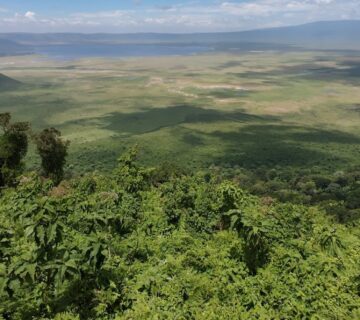
Drones are often most useful for landscape storytelling. An aerial view of a papyrus wetland can show the scale of a habitat. A high authorized shot of a lake can reveal how waterbirds gather along its shoreline. A broad image of grassland can demonstrate why an ecosystem supports many species.
Use the Technology as a Conservation Tool
There is a side to responsible aerial photography. When used with authorization Drone Photography can help people understand landscapes that are difficult to appreciate from ground level.
A single aerial image can show the relationship between wetlands, farms, settlements, forests and water bodies. Conservation organizations can use imagery for habitat mapping, monitoring, research, restoration planning and public education. Photographers can also use their work to encourage appreciation for fragile ecosystems.
The best aerial wildlife images often tell a story. Of focusing entirely on one bird show the habitat that allows that bird to survive. Of chasing an eagle across the sky document the forest, river or wetland that supports its food supply.
That approach can make Drone Photography more meaningful while reducing pressure on animals.
Drone. Birding: Whats Allowed in East Africa
East Africa offers opportunities for Birding but those opportunities come with responsibility. Regulations exist to protect airspace, people, property, wildlife and sensitive environments. Following them allows you to enjoy photography technology without creating unnecessary risks.
Before every trip check aviation requirements and confirm rules with the specific protected area you plan to visit. Do not rely on a permit, advice from another photographer or assumptions based on what was allowed during a previous visit. Tanzanias aviation authority has already noted that Drone Photography rules and regulatory requirements are subject to procedures while Rwanda continues to maintain and update its UAS framework.
Importantly remember why you are there. East Africas wetlands, forests, lakes, mountains and savannas support Birding that deserves careful treatment. A photograph should preserve a moment without damaging the moment itself.
With preparation, patience and respect for both aviation and wildlife rules your drone can become a storytelling tool. You can capture landscapes from a perspective document important habitats and create images that encourage people to value East Africas extraordinary Birding. The goal is not simply to get the shot. It is to return knowing that Drone Photography left the birds their habitat and the people around you, with the same respect you found when you arrived.
No comment