
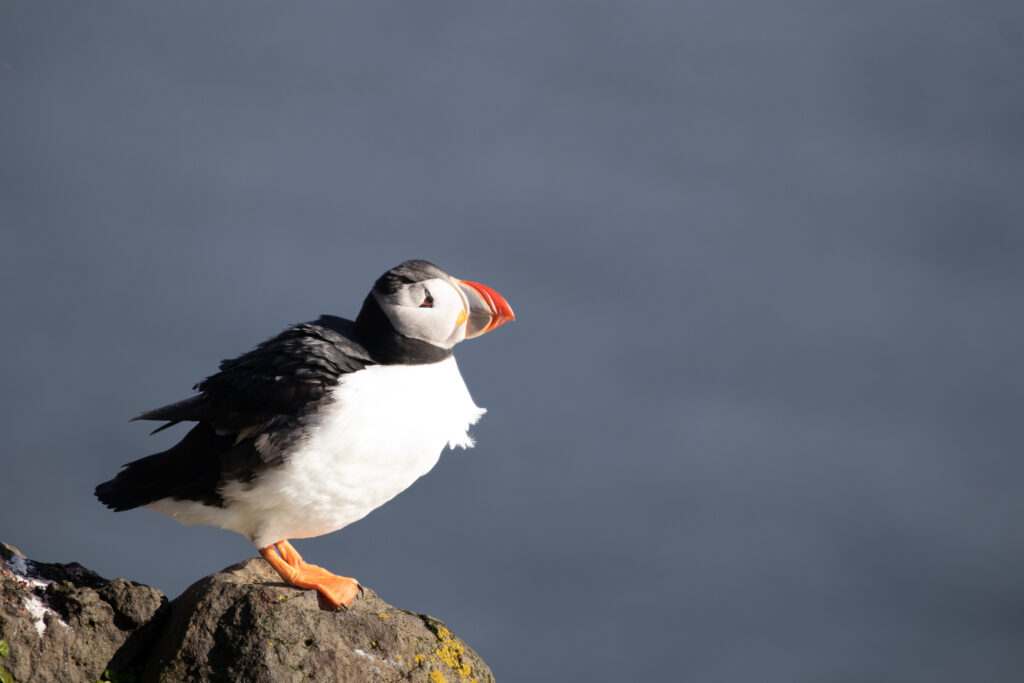
Storytelling Through Bird Photography: Lessons from the Field
Bird photography can do more than just take a picture of what a bird looks like. A good photo can show movement feelings, a home, a struggle or beauty. It can even show how wildlife and people live together. In East Africa, where forests, wetlands, lakes, savannas and mountains hold many different birds every photo can be a part of a big story. Storytelling Through Bird Photography: Lessons from the Field starts with learning to see more than the bird and finding out what the moment tells us about nature.
Seeing More Than the Bird
A great wildlife photo often starts before you even pick up your camera. You have to watch. You must watch how the bird moves, where the bird eats, what the bird reacts to and how the bird acts with the world around it. A shoebill standing still in the papyrus tells one story. That same shoebill stretching its wings over a wetland tells a different story. The difference comes from the setting the timing and being patient.
This way of working changes how you do bird photography. Of always looking for a close-up face you start looking for scenes that explain a life. A weaverbird carrying grass to a nest shows how hard it is to raise babies. An African fish eagle holding a fish shows how hard it is to survive. A sunbird moving from flower to flower shows how the bird and the plants need each other.
Your camera becomes a tool to help you pay attention. You start to see things that most people might miss in the landscape. The way the light hits, where the bird sits the shape of a tree branch how water moves and even the empty space around the bird can change what the photo says.
Let the Environment Speak
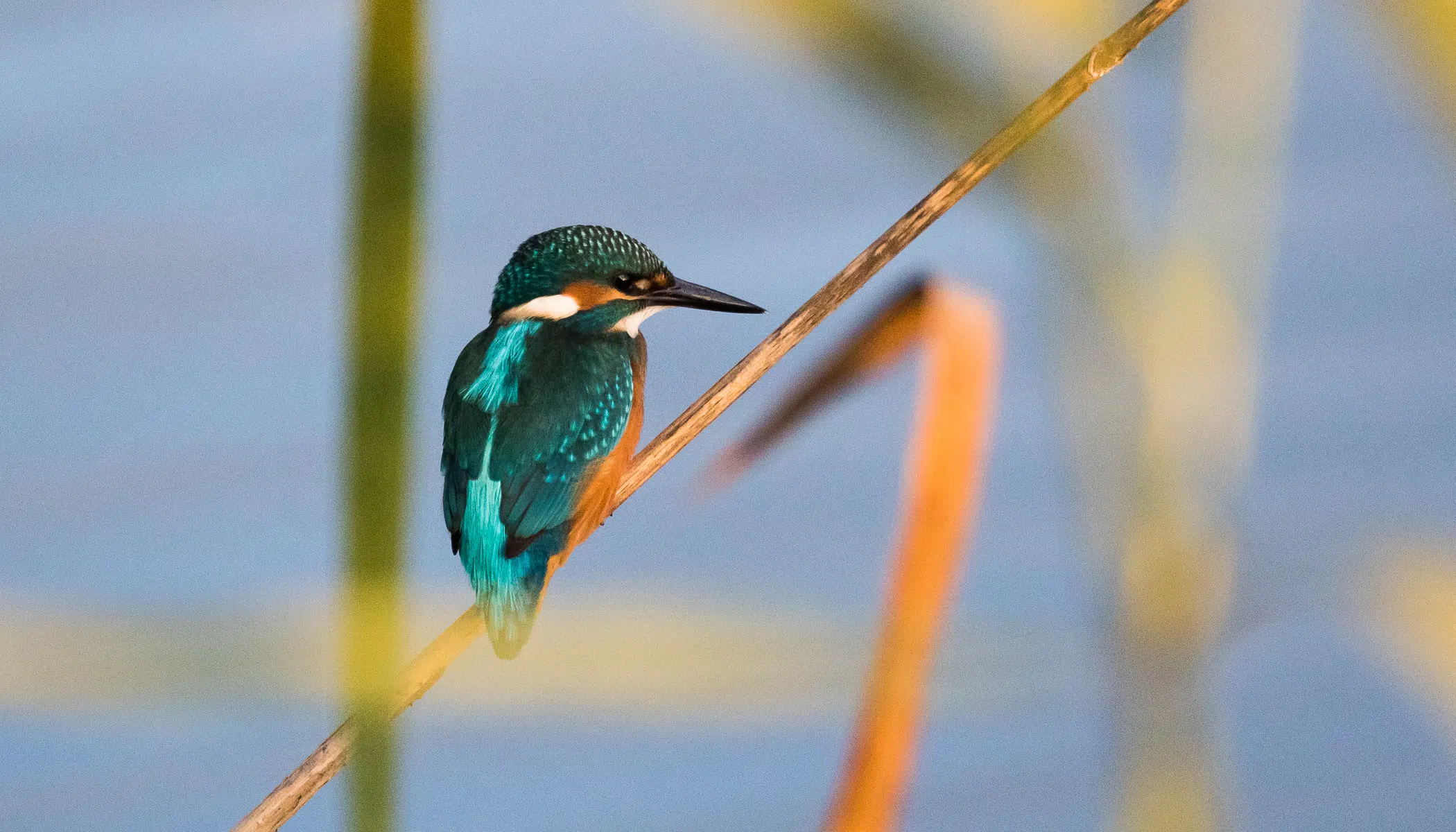
The home of a bird is an important part of wildlife storytelling. A bird alone against a background can make a pretty portrait but showing the surroundings helps people understand the life of the bird.
Think about a grey crowned crane in the grassland a pied kingfisher floating over a lake or a turaco hiding in thick forest leaves. The setting gives us facts. The setting tells people where the bird lives and makes the photo feel real.
When you are doing bird photography in Uganda, Rwanda, Kenya or Tanzania do not try to cut out the world from every shot. Wide photos can be very strong because the wide photos show how birds and their homes are tied together. A photo of flamingos on a Rift Valley lake can show how big the area is, how they move and why wetlands are so important, in one shot.
Patience Creates Better Stories
Wildlife rarely follows your schedule. Birds may remain hidden for minutes before suddenly appearing in an open branch. A kingfisher may dive once. Disappear. A bird in flight may give you a few seconds to react.
Patience is therefore one of the valuable skills you can develop. Storytelling Through Bird Photography: Lessons from the Field teaches a field principle: the best image often comes after the moment when you were tempted to leave.
Of moving constantly from one location to another spend time observing a promising area. Watch where birds land and identify patterns. If a particular branch is being used repeatedly position yourself carefully. Wait. Your chances of capturing natural behavior increase when the bird becomes comfortable with your presence.
Patience also helps you avoid forcing a photograph. You do not need to chase every bird. Sometimes the strongest decision is to remain and allow the scene to unfold naturally.
Anticipate the Moment
Good bird photographers learn to predict behavior. This does not mean knowing exactly what will happen. It means recognizing clues.
A bird preparing to fly may lean forward adjust its wings or change its posture. A bird about to feed may focus intensely on its target. Parents returning to a nest often follow routes. Once you recognize these signs you can prepare your focus, shutter speed and composition before the action begins.
Anticipation gives you an advantage because birds move faster than reactions. If you wait until the wings are already open you may miss the expressive part of the movement. Watching carefully allows you to react before the action reaches its peak.
Light Gives the Story Emotion
Light can completely change the feeling of a bird photograph. Early morning light can create textures and gentle shadows while evening light can produce warmth and dramatic silhouettes. Overcast conditions can reveal feather patterns without harsh contrast.
The direction of light also matters. Front lighting can reveal color and detail clearly. Side lighting can emphasize feathers, texture and shape. Backlighting can create outlines and glowing edges around wings.
You should also learn to work with conditions. Bright midday sunlight may produce highlights but it can still create interesting images when you focus on behavior, movement or unusual compositions. Clouds can soften the scene. Bring out colors that harsh sunlight might hide.
Storytelling Through Bird Photography: Lessons from the Field is about understanding that technical perfection does not always create emotional impact. A unconventional image can be memorable when it captures a genuine moment.
Use Composition With Purpose
Composition should support the story than distract from it. Give a flying bird space to move into. Position a feeding bird so the viewer can see what it is approaching. Use branches, reeds, reflections and vegetation to create layers.
Negative space can also be useful. A small bird surrounded by an expanse of sky or water can communicate isolation, freedom or scale. A bird hidden behind leaves can suggest the secretive nature of forest species.
Try orientations as well. A vertical frame may work well for a perched bird while a horizontal frame can show a bird moving through its habitat. Do not assume that every photograph needs the bird centered in the frame.
Tell Stories With Sequences
One photograph can be powerful. A sequence can communicate much more. Consider photographing a bird during and after an action. A kingfisher perched above the water, diving, striking the surface and returning to its perch creates a narrative.
The same technique works with birds. You might document nest construction, feeding, courtship, incubation and fledging over time. These images can become a record of behavior, than a collection of isolated portraits.
Sequences also encourage you to slow down. Of asking whether you captured one perfect photograph you begin asking whether you documented something meaningful.
Respect the Subject
Being a photographer is very important. You should never stress out birds just to get a shot. Do not get too close to nests do not mess with breeding groups do not block the paths where birds eat and do not keep making birds fly out of their hiding spots.
A photograph is never more important than the health of the animal. Keep a distance and follow the rules for conservation, park laws and advice from experts.
This is very important in places like wetlands and tropical forests. Many species need these homes and if you keep disturbing them it can change how they eat and raise their young.
Work With Local Knowledge
Local guides can change how you see a place. Local guides often know where birds move, where they eat, where they nest and the quiet bird calls that you might miss. Importantly local guides can help you approach wildlife in a way that is safe and kind.
Listening to people who live in these lands makes your bird photography much better. You will start to see that a wetland is not a pretty background. A wetland can support communities provide water protect nature and give birds a vital place to live.
That deeper understanding will change what you choose to photograph and how you tell people about your bird photography.
Photograph With a Purpose
Before you click the button ask yourself what you want people to see. Is the bird photography about beauty? Is it about how the bird acts? Is it about the habitat, survival or saving nature? Is it about how two species live
Having a purpose makes your bird photography more consistent. Storytelling Through Bird Photography: Lessons from the Field feels more real when every photo tells a part of the story about wildlife and the land.
You can also write notes after you spend time in the field. Write down where you were, what you saw, the weather, strange bird behavior and anything new you learned. These notes will help you later when you write captions, articles or teach others.
Your bird photography then becomes more than files on a memory card. Your bird photography becomes a record of what you saw and felt.
Turn Field Moments Into Conservation Stories
Bird photography plays a part in saving nature because people care more about the birds and places they can actually see. A great photo can show a bird to someone who has never even been to Africa. A photo of a home that’s in danger can help people understand why the environment is changing.
The best conservation photos do not try to exaggerate. They show the truth in an respectful way. A healthy wetland, a bird eating its food or a community protecting the land can show hope. Photos of environments can start talks about what we need to fix.
Your work can help people learn without sounding like you are lecturing them. Let the photo show why the bird and its habitat are important. Give people the facts and tell them how they can help conservation.
Keep Learning in the Field
Every trip teaches you something. You might find that your shutter speed was too slow to catch a bird flying or that your lens was too heavy for a walk. You might find that you are too slow to react and miss the birds.
Treat these moments as lessons. Look at your photos after every trip to see what worked. Look at the focus the way you set up the shot the light and the timing. Then pick one thing to get better at during your next trip.
You do not need the expensive camera to tell a good story. Learning about bird behavior and being patient will help you more than buying new gear.
The field is your classroom. Spend time outside. Listen to the birds. Study the habitats. Watch how birds act before you take a photo. Learn from guides and people who work in conservation. Let your mistakes teach you.
The Story Continues Beyond the Photograph
A bird photograph can stay in a persons mind because it makes them curious. Someone might see a shoebill in a papyrus wetland. Wonder where it lives. Another person might see a turaco in the rainforest. Want to learn about the trees. A photo of a bird feeding its babies can make people think about how hard it’s to raise young ones.
That is the power of Storytelling Through Bird Photography: Lessons from the Field. You are not just taking pictures. You are recording moments that show how life works.
When you get home look at your bird photography with a question. Do not just ask, “Is this photo sharp?” Instead ask, “What is this photo telling me?”
Maybe it tells people that wetlands are worth saving. Maybe it shows how patience it takes to survive. Maybe it catches a moment that no one else saw. Whatever the message your photo can carry that story away from where you took it.
Bird photography is very rewarding when you slow down and just watch. The best photos often come from mornings, strange bird behavior or waiting a long time. Storytelling Through Bird Photography: Lessons from the Field wants you to photograph with curiosity and respect.

No comment