
Camera Gear for Rainforest Birding: A Buyers Guide
I find that rainforest birding gives some of the wildlife moments in East Africa. Thick plants, striking light, misty dawns and quick birds challenge my eye and my camera gear. When a Great Blue Turaco slips behind leaves a bright sunbird darts among blossoms or a rare forest bird shows up for only a moment I can capture a photo that stays in my memory if I have the right gear.
The challenge is that rainforest settings are tough. Light can shift fast under the trees moisture can harm my gear and birds hide among branches and leaves. I need camera gear that works well in light and is light enough to carry on forest paths. The best setup is not always the costly camera or longest lens. It is the gear that fits my photography style my comfort and the situations I will meet.
Understanding the Rainforest Photography Challenge
Before I spend money on gear I should think about what makes rainforest photography different from taking pictures of birds in grassland or wetlands. The forest canopy blocks most of the sunshine leaving shadows and uneven light. When the sky is bright the ground under the trees can stay very dark.
Birds also move fast. A tiny bird might sit on a branch for a second before flying deeper into the plants. My camera must have autofocus, good high‑ISO ability and enough zoom so I can snap a picture without getting too close.
Humidity is another worry. Moist air can seep into bags, camera bodies and lenses if I am careless. Rain can appear quickly on forest trips. My gear must stay protected even if my camera has some weather‑sealing.
Choosing the Right Camera Body
A mirrorless camera is a good option for rainforest bird photography because many models have quick autofocus, detailed sensors and good performance at high ISO. A camera that catches moving subjects accurately can help than one with the highest megapixel count.
I look for a camera that has continuous autofocus and good subject detection. Bird‑detection autofocus is handy when branches and leaves clash with the bird. Still technology does not replace skill. Thick plants can confuse autofocus so I must still learn how to pick focus zones and change them fast.
Good low‑light ability is also important. I may need ISO 1600, 3200 or higher when I take pictures under canopy. A camera that keeps images clean, at ISO lets me use faster shutter speeds.
Picking a Lens for Forest Birds
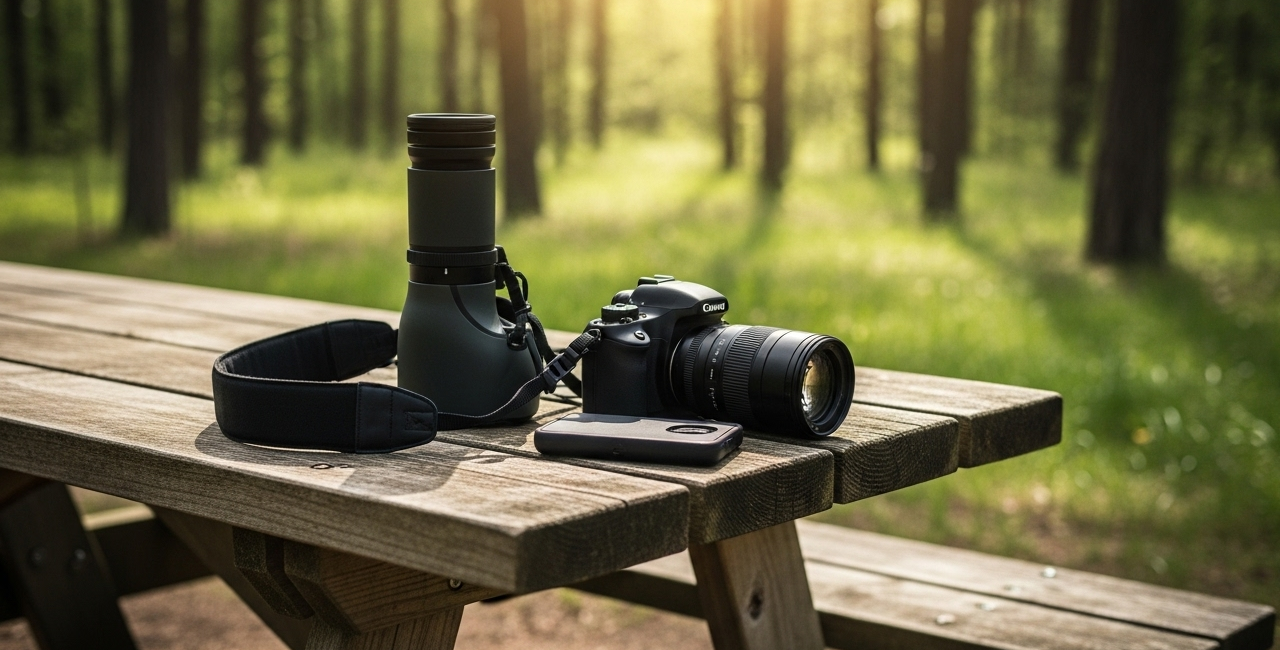
You need to think about picking a lens because forest birds are often hard to get close to. A telephoto lens helps you fill the frame while you stay a distance away from the wildlife. For people taking photos a 100-400mm, 200-600mm or a similar zoom lens gives you a good mix of reach and flexibility.
A zoom lens is very handy because the distance to a bird can change fast. At 600mm you might get a shot of a far away bird but that same focal length might be too much if a bird suddenly shows up right near your path. A zoom lens lets you change your view without having to swap lenses.
Fast prime lenses can give you image quality and work well in low light but those lenses can be heavy and cost a lot of money. If you are always shooting in forests and you have the money, a bright telephoto prime lens is a great thing to buy. However for people a good zoom lens offers a better balance of reach, flexibility, weight and cost.
Aperture and Shutter Speed Matter
A wide aperture lets more light hit your sensor, which’s a big help under the thick forest canopy. A wide aperture can also make the background look soft so the bird stands out from the leaves.. You should not always use the widest aperture you have.
If a bird sits at an angle its head and body might be at distances from your camera. Using a narrower aperture can give you more depth of field and keep the important parts of the bird sharp. Try out settings like f/5.6, f/6.3 or f/8 depending on your lens. How much light you have.
Shutter speed is just as important. For a bird sitting still 1/800 second might be fine. A bird that moves a lot might need 1/1600 second or even faster. If you want to stop the movement of wings you might need 1/2000 second or more. It is usually better to raise your ISO than to use a shutter speed that’s too slow and ends up with a blurry photo.
Protecting Your Equipment From Rain and Humidity
You should include weather protection in your photography budget. A waterproof camera cover can keep your gear safe during rain showers and a rainproof backpack or dry bag adds more safety.
Silica gel packets are cheap and great for keeping moisture out of your camera bag. Put a packets in the spots where you keep your lenses, batteries and other gear. Always carry microfiber cloths too because raindrops and condensation can ruin your image quality quickly.
One good habit is to avoid changes in temperature. If you walk from a air-conditioned car into a warm and humid forest moisture might form on your equipment. Give your camera time to get used to the air if you can when moving between very different places.
Keep Your Camera Accessible
Forest photography is about being fast. Your camera should be. Very easy to grab. If you have a setup that’s too hard to unpack when a bird shows up you will miss the moment.
Use a camera strap, a harness or a carrying system that feels right for your body when you walk. Keep your important lens on your camera when you can. Keep your batteries and memory cards in a spot that stays dry.
Support Equipment Without Carrying Too Much
Tripods are good but thick forest trails can make them hard to use. A monopod can help support telephoto lenses while being much easier to carry through bushes. Some photographers just shoot handheld because it lets them react fast when birds pop out from behind branches.
Image stabilization can make shooting handheld a lot easier. If your camera and your lens both have stabilization learn how those systems work together. Stabilization helps stop camera shake. It will not freeze a bird that is moving. You still need an enough shutter speed for birds that are active.
A beanbag can be helpful if you are shooting from a car or a set spot. A beanbag gives you support without the bulk of a tripod and works well when you are shooting near the edge of the forest.
Essential Accessories for Rainforest Birding
Memory cards and batteries need thought than people think. Carry least one extra battery and enough storage for a whole day of shooting. Taking photos in a burst can fill a memory card very fast especially when you are shooting birds in flight.
A portable power bank is helpful for trips if your camera can charge through USB. A small flashlight or headlamp is also good, for when you start or need to find your gear before the sun comes up.
Lens cleaning supplies are a must. A blower, a brush and a microfiber cloth can get rid of dust and moisture without hurting the glass. Do not wipe dirty surfaces too hard because small bits of grit can scratch the coatings.
Think About Weight Before Buying
A professional telephoto lens might take amazing pictures. However carrying kilograms of gear up steep forest hills can make you very tired. When you are tired it is harder to stay focused stay patient and move fast.
Pick a setup that you can carry easily for hours. A light camera body with a telephoto zoom might get you more great photos than a heavy professional system that you do not even want to carry.
Building a Practical Photography Kit
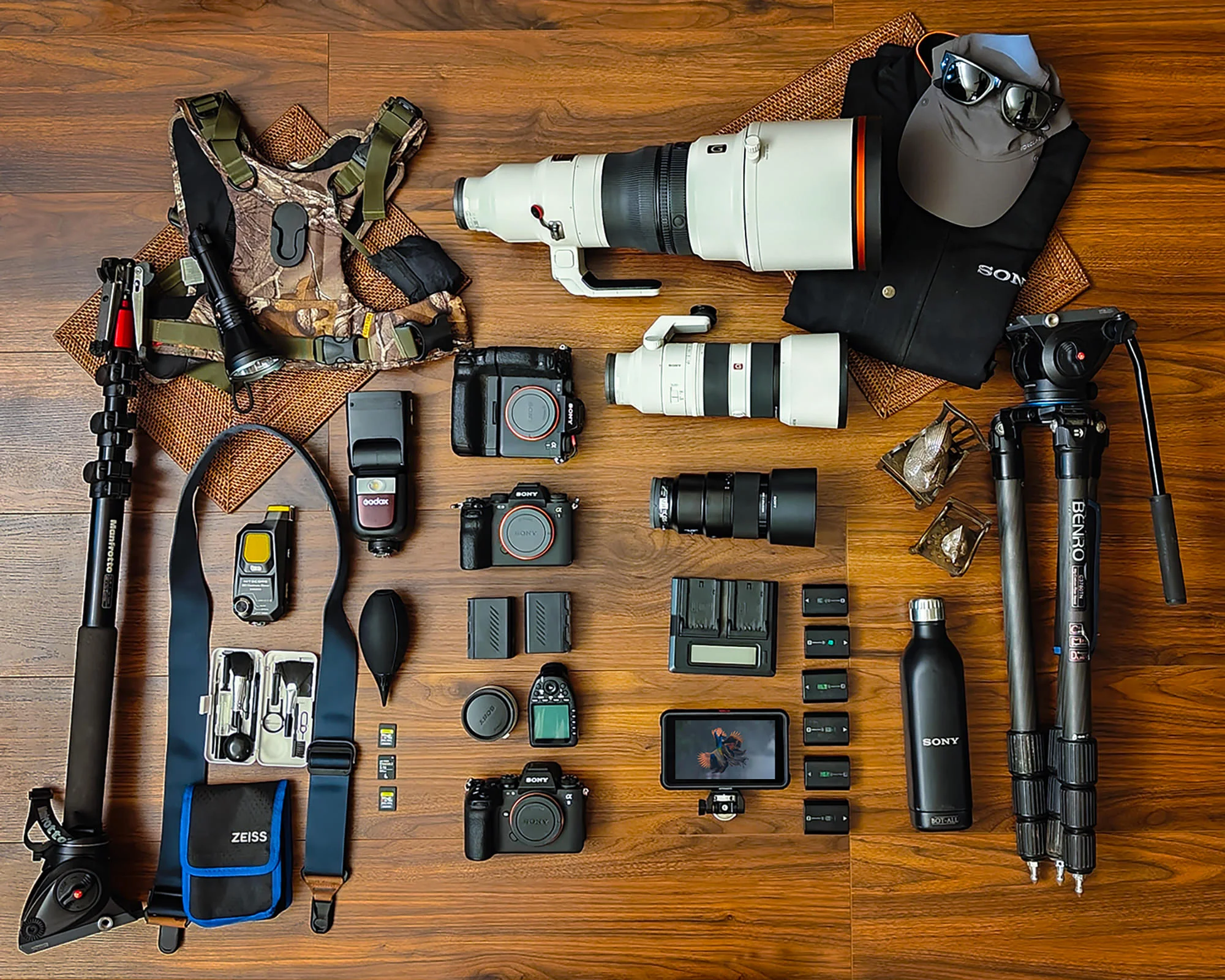
When you plan Camera Gear for Rainforest Birding: A Buyers Guide, think about your system instead of just one pricey item. A smart setup might include a mirrorless or DSLR camera, a 100-400mm or 200-600mm telephoto zoom, batteries some memory cards, a waterproof cover, microfiber cloths and a comfy camera bag.
If you do not have money spend it on your lens and your ability to shoot in low light. A good telephoto lens with a mid-range camera can take wonderful photos. You can always buy a camera body later as you get better at photography.
For people who have done this for a time Camera Gear for Rainforest Birding: A Buyers Guide might also include a second camera body, a faster telephoto lens and a shorter lens for birds that fly close to you. Having a camera means you do not have to swap lenses when it is wet and it helps you react fast to different birds.
Photograph Responsibly in Forest Habitats
Your gear should always help you be a wildlife photographer. Do not chase birds, mess with nests break plants or play much bird sound to get their attention. Give birds plenty of space so they can act like themselves.
Rainforests are places and every quiet moment can remind you why we must protect them. A photo feels more special when it shows a real moment without bothering the animals.
Let Patience Improve Your Images
The best rainforest photos usually come from waiting. You might. Watch an empty branch for twenty minutes before a bird shows up. Stay sharp. Listen for bird calls wings flapping leaves moving or sounds in the trees.
Try to watch the forest before you lift your camera. Often the best photo comes from seeing where birds like to eat, rest or move through the trees. Your gear works better when you understand how birds act.
Preparing for Your Next Forest Adventure
Camera Gear for Rainforest Birding: A Buyers Guide should help you make choices rather than making you spend too much money. The best kit is one that works well handles weather is easy to carry and takes photos in bad light.
Before you go on your trip test every piece of your gear. Practice changing your settings without looking from the bird. Check your batteries clear your memory cards clean your lenses and make sure your rain cover fits right.
Most of all remember that the camera is one part of the trip. Rainforest birding is about slowing down listening and enjoying moments that last a few seconds. If you have the gear and good habits you can go home with photos that show the beauty and mystery of East Africas forests.
Camera Gear for Rainforest Birding: A Buyers Guide is really, about being ready. The best part is when that readiness meets a lucky moment. When a bright colorful bird pops out from the leaves in light you want to be ready. Your gear should help you act naturally with confidence and respect.

No comment