
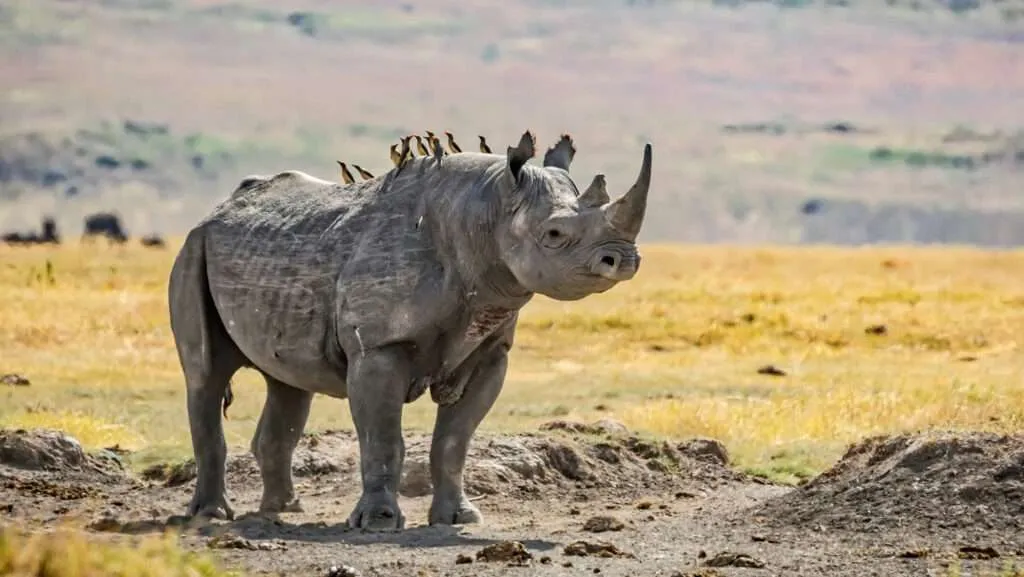
Anti-Poaching Efforts and Their Role in Bird Conservation
Across East Africa birds are the noticeable signs that wild places are still alive. A fish eagle calling above a lake a shoebill standing quietly in a papyrus wetland or a flock of crowned cranes moving across a grassland can turn a landscape into something unforgettable. These moments depend on habitats and safe conditions. When illegal hunting, trapping and wildlife trafficking threaten areas birds can suffer along with larger animals. Anti‑Poaching Efforts and Their Role in Bird Conservation deserve attention because protecting wildlife from illegal exploitation also protects the ecological systems that birds need to survive.
Poaching is often linked to elephants, rhinos and other large mammals yet birds are also targets. Some species are captured for the pet trade and others are hunted for meat, feathers, traditional uses or commercial collection. Birds that gather in numbers become especially vulnerable because their predictable movements make them easier to find. Wetland species may also face pressure when people enter protected areas to collect wildlife or exploit resources illegally. When birds are not the main target the disturbance caused by poaching activities can affect feeding, nesting and breeding. Bird Conservation suffers when poaching occurs.
Habitat protection is essential
A protected area cannot stay safe just because it has a map boundary. Rangers, local communities, conservation organisations and government authorities all play roles in keeping wildlife secure. When illegal activity happens again and again birds may leave feeding grounds, sites or traditional movement routes. This can slowly lower the quality of a habitat, when the vegetation itself looks unchanged. Bird Conservation depends on this safety.
Effective protection starts with patrols. Rangers who know the landscape can spot signs of entry, snares, traps, camps and other activities. Their presence can discourage poachers before wildlife is harmed. In areas where birdsre especially vulnerable patrol teams can also watch nesting colonies, wetlands, forest edges and other important habitats. Modern conservation programmes combine field knowledge with technologies such as GPS tracking, camera traps, communication systems and geographic mapping to make patrols more efficient. Anti‑Poaching Efforts rely on these tools.
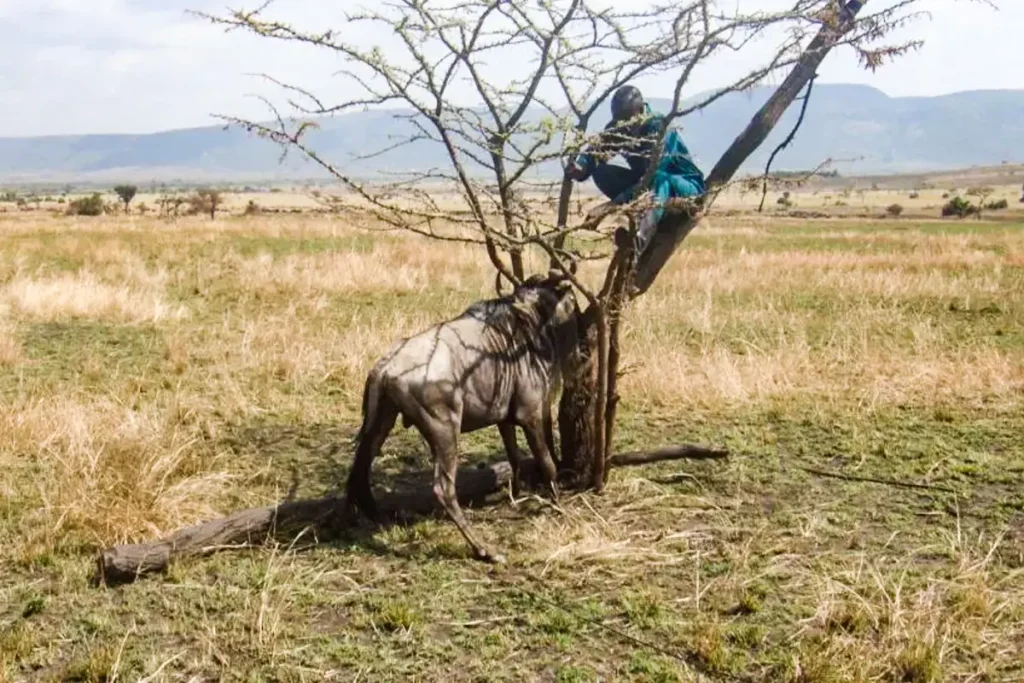
Rangers often work under conditions
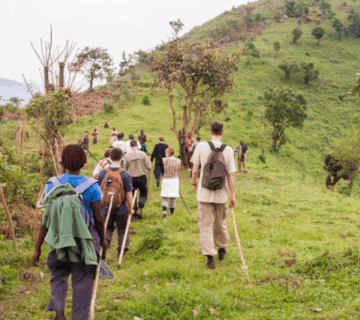
They may spend hours walking through forests, wetlands, savannas and remote valleys where communication and transport are limited. Their work requires patience, physical strength, local knowledge and commitment. When a ranger stops a trap from being set or removes one before an animal meets it the result may never appear in a photograph or headline.. Such actions can save wildlife that would otherwise disappear unnoticed and Bird Conservation benefits from their courage.
Bird Conservation benefits a lot from this protection. A ranger who protects a wetland from activities may be safeguarding feeding areas for hundreds of waterbirds. A patrol through a forest may protect sites used by rare species. Preventing hunting around a woodland can give birds the quiet conditions they need during breeding seasons. Protection, at ground level therefore creates benefits that stretch throughout an ecosystem.
The Hidden Threat of Bird Trapping
Bird trapping is a problem because it can take birds out of wild populations fast. Beautiful birds and rare birds may attract collectors while small birds such as songbirds can be caught for trade or private ownership. Sometimes young birds are taken from nests leaving adult birds to raise their young.
Bird trapping can also hurt birds that seem common. Taking birds from a population can change breeding habits and lower the number of adult birds able to reproduce. The problem is worse when bird trapping targets species that already live in certain places or have few numbers. For birds that live in certain forests, wetlands or mountains removing even a few birds can cause long lasting damage.
Stopping bird trapping needs more than catching the people who do it. Conservation teams must know where bird trapping happens why people do it and how birds move through the land. Better information can help authorities use their resources on the places that have the most pressure. Public awareness can also reduce the desire for birds that have been illegally captured.
Community Participation Makes Protection Stronger
Local communities are key for conservation. People who live near areas understand their land better than outside organisations. They know the seasons, how birds move, where water is, farming practices and where illegal activity may happen. When communities join conservation information reaches authorities faster. Protection becomes more effective.
Community conservation must also deal with realities. If families rely a lot on nature for food or money simply telling them to stay from protected areas may not solve the problem for long. Conservation programmes can help families have income through responsible tourism, guiding, farming, crafts, beekeeping and other activities that reduce pressure on birds.
Community birding programmes can be very valuable. When local residents make money by guiding visitors to see birds birds become an economic asset that depends on birds staying alive. A wetland with shoebills can support guides, boat operators, accommodation providers and others when tourism is managed responsibly. The living bird becomes more valuable than a captured bird.
Technology and Better Wildlife Protection
Technology is changing how conservation teams deal with wildlife crime. GPS devices can help coordinate patrols and watch protected areas. Camera systems can provide proof of activity in places that are hard to watch all the time. Mobile communication lets rangers share information fast when suspicious activity is spotted.
Bird monitoring also benefits from technology. Digital records can help researchers know where birds occur, when numbers change and which habitats need protection. Birdwatchers and conservation groups can add observations that reveal breeding sites or seasonal movements. When these records are combined with ranger reports and scientific surveys conservation managers see a picture of changing conditions.
However technology works best when trained people use it well. A camera cannot replace a ranger who knows what is happening on the ground. A database cannot protect a colony without people willing to act on the data. Successful conservation depends on combining tools with local knowledge, research, strong laws and consistent enforcement.
Tourism Can Support Protection
Responsible tourism can give another source of support, for wildlife protection. Visitors who travel to see birds give money to economies through lodging, transport, guiding, park fees, food and other services. When part of this money supports conservation tourism can give a reason to protect natural habitats.
Bird tourism is especially promising because it can go beyond national parks. Important birds may live in community forests, wetlands, lakeshores and smaller protected areas. A planned birding route can share income among many communities while encouraging people to keep habitats and stop illegal activity.
Visitors also have a role to play. Choosing guides, following park rules avoiding disturbing nests and refusing to buy wildlife products all send a clear message. Tourism should reward living birds and healthy ecosystems of activities that exploit them.
Building a Safer Future for Birds
The future of African bird species depends on the choices we make today. Protecting birds means caring for forests, wetlands, grasslands, mountains and lakes and also stopping use of those places. Anti-Poaching Efforts and Their Role in Bird Conservation is especially important when conservation teams realise that each protected habitat shelters smaller species.
The success of conservation is usually counted by statistics, patrols, arrests, restored habitats and population surveys. Those numbers matter,. The true reward appears in simple moments. It is the sight of birds returning to a wetland that was badly damaged. a nest that lasts another breeding season, guide who earns a living by protecting the wildlife that visitors travel to see,community that chooses conservation because it sees a future in preserving its heritage.
Every Protected Bird Counts
Birds link parts of an ecosystem. They move seeds keep insect numbers in check pollinate plants, recycle nutrients and give food to wildlife. Their presence also signals health. When bird numbers fall the warning may reveal ecological problems.
Anti-Poaching Efforts and Their Role in Bird Conservation must be seen as part of a promise to keep ecosystems healthy. Protecting wildlife from hunting and trapping gives birds a safer chance to eat, breed, migrate and raise their young. It also makes the landscapes that people rely on stronger.
Conservation is not a season and no one organization can do it alone. Rangers need help communities need opportunities researchers need trustworthy information and visitors must make responsible choices. When these actions combine, protected areas become homes for wildlife and stronger hopes for future generations.
Anti-Poaching Efforts and Their Role in Bird Conservation remind us that even the smallest act of protection can lead to an outcome. Removing a trap, reporting activity protecting a nesting site supporting a local guide or choosing responsible tourism can make a difference. Across East Africa every bird that remains wild is part of a living heritage. Anti-Poaching Efforts and Their Role, in Bird Conservation give tomorrows generation the chance to hear the calls witness the same flights and experience the same remarkable diversity that makes African landscapes unforgettable.

No comment