Sunbirds of the Albertine Rift: Tiny Jewels of the Forest
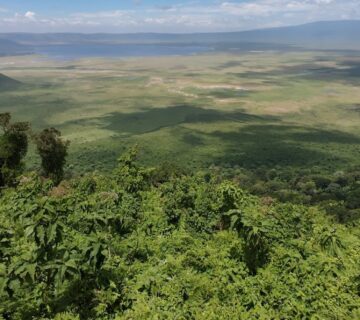
The Albertine Rift is a really special place in Africa. It has a lot of mountains and forests where animals and plants have changed over time in many ways. If you look closely, you can see tiny birds moving around the flowers and trees. At first they might be hard to notice. Once you see them, you will never forget them. Sunbirds of the Albertine Rift are very pretty and full of energy. Their feathers move around delicately and are very good at living among the flowers. This story is about these birds and the places they live.
The Albertine Rift is very good for different kinds of animals and plants. It has forests, bamboo, and wetlands where many birds can be found, and some of these birds cannot be found elsewhere in the world. This area includes parts of Uganda, Rwanda, Burundi, the Democratic Republic of the Congo, and Tanzania. One of the things about this place is the sunbirds. They love flowers. Are always moving around them. This makes the forest an interesting place even when it seems quiet.
A World Built for Sunbirds
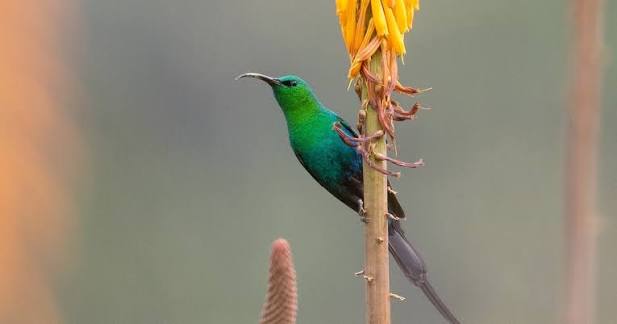
Sunbirds are one of the interesting kinds of birds in Africa. They have beaks that are shaped like curves, which helps them eat a sweet drink called nectar from flowers. Their long tongues also help them get food from deep inside the flowers. They are small so they can move quickly through the trees and bushes. They also have good eyesight, which helps them find flowers, insects, and safe places to rest.
Small Birds With Remarkable Adaptations
Sunbirds do not just eat nectar from flowers. They also eat insects and other small animals especially when they are feeding their babies. This helps them survive when there are not flowers around. Insects are also important for the birds because they give them protein, which’s necessary for them to be healthy.
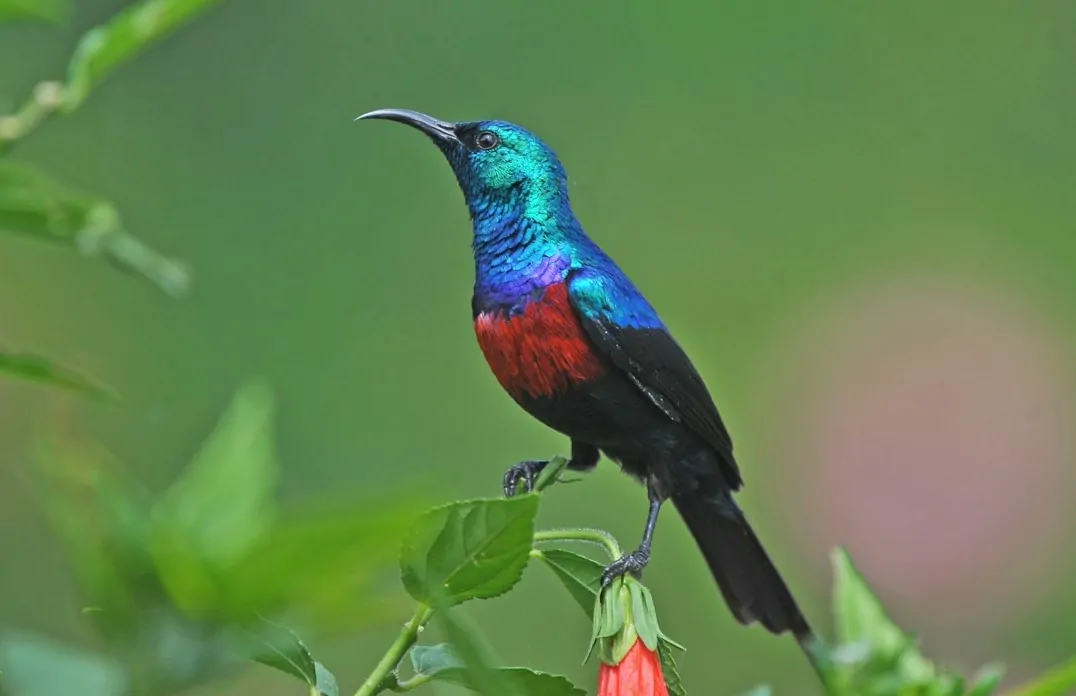
Some male sunbirds are very colorful with feathers in green, blue purple red and gold. These colors look very bright in the sunlight and less bright in the shade. The female sunbirds are usually less colorful which helps them hide when they are taking care of their eggs or babies.
This difference, between the female sunbirds is important because it shows how they behave. The male sunbirds use their colors and songs to attract attention while the female sunbirds need to hide to keep their babies safe. So what looks like beauty is actually a way for the sunbirds to survive. Sunbirds of the Albertine Rift are really creatures.
Forest Flowers and Feathered Visitors
The connection between sunbirds and flowering plants is one of the beautiful links in the Albertine Rift. As sunbirds go to flowers to get nectar pollen can stick to their bills and feathers before being taken to another flower. In this way the birds help with pollination while looking for food.
This connection is especially important in forest areas where plant species rely on animals to move pollen between flowers. Sunbirds are therefore more than bright birds in the forest. They are part of an ecological system where plants and animals depend on each other.
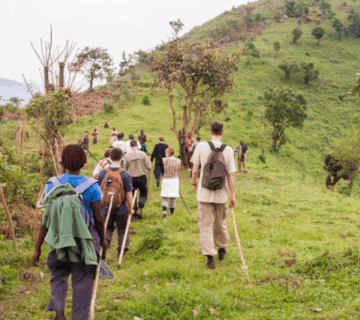
Walking through an Albertine Rift forest can show this connection in moments. A sunbird might hover near a flower sit on a branch or go behind leaves before coming a few meters away. The experience makes you want to slow down and watch closely because these birds do not usually make movements.
Sunbirds of the Albertine Rift: Jewels of the Forest shows this quiet beauty. Their small size makes their achievements more impressive. They travel through plants find food that is spread out protect their space care for their young and deal with changing seasons all in areas where survival needs constant attention.
A Rich Variety of Sunbirds
The Albertine Rift has a range of sunbirds including species that live in forests at the edges of forests in highland areas and in gardens. Some of the unforgettable ones are the Rwenzori double-collared sunbird, the Regal sunbird, the Purple-breasted sunbird the Blue-headed sunbird and several other species that live in different elevations and places.
The Regal sunbird is especially linked to the highland forests of the area. Its bright look shows the variety of the mountain environment. The Rwenzori collared sunbird is another bird that lives in highland areas connected closely to the cool forests and plants of the Rwenzori Mountains and nearby regions.
Beauty Changes With Elevation
Elevation has an effect on where sunbirds live. As you go from forests to higher mountain areas, temperature, plants, when flowers bloom and food sources change. Different sunbird species live in these areas based on how they’re built and what they need.
This makes birdwatching in the Albertine Rift very special. A change in height can bring you groups of birds. A trail in the forest at one height might have birds that you would not find higher up the mountain. Each place has its own set of colors, sounds and movements.
For anyone visiting Uganda or Rwanda this variety adds another layer to the trip. A visit to the forest is not a chance to see famous animals or big views. Looking closely at the plants can show a world of small animals living among the leaves.
The Quiet Drama of Daily Life
Sunbirds may be small. Their lives are full of action. Males create areas where they live and may use songs and shows to get a partner or stop males from coming near. Females choose where to build their nests making small hanging homes from plants and other things.
The nests can be very detailed. Their small shapes protect eggs and young and the places where they are built help keep them safe from danger and bad weather. Watching a sunbird bringing materials to the nest can show how much effort goes into raising the generation.
Taking care of young is another job. Adult birds have to find food over and over come back to the nest and give it to the babies before leaving. Insects become very important during this time because young birds need protein well as energy.
These everyday moments are easy to miss. They tell an important story. The forest is always active when people do not see much movement. A branch that moves a little might mean a bird is feeding. A soft sound might show a sunbird hidden in the leaves. Waiting often turns a path into a special wildlife moment.
Protecting the Forests They Call Home
The future of sunbirds is tied to the future of the forests. Losing homes, farming, cutting down trees, climate change and other problems can change the plants and insects that birds rely on. When flowers go away birds lose places to eat. When forests break into pieces birds have fewer safe places to feed, nest and move.
Keeping the Albertine Rift means paying attention to the whole environment. Saving the forests helps birds, plants, insects, animals and people together. National parks, forest reserves places where communities protect the land and caring tourism all help keep homes safe.
There is also value in protecting natural areas. Gardens with flowers can give food to sunbirds especially near forest villages and places to stay. Keeping plants of cutting every bit of natural growth can make good places, for eating and nesting.
Finding Inspiration in Small Things
The book Sunbirds of the Albertine Rift: Jewels of the Forest shows us that nature has a lot of amazing things that are really small. A sunbird does not have to be as big as an eagle or as strong as an elephant to be special. What makes it special is the job it does in the forest how it interacts with flowers. How it survives in tough places.
When people visit the Albertine Rift seeing a sunbird can be a moment that they remember for a time after their trip is over. It might be a glimpse of a shiny green bird next to a path. It might be a bird eating quietly among flowers in the mountains. Maybe you will hear the sunbird before you see it. These experiences are great for people who’re curious and patient.
The best way to appreciate sunbirds is to take your time. Bring binoculars walk quietly look at flowers. Watch the edges of clearings in the forest. Early morning is a time to see birds because they are active and the forest is filled with their calls.
This experience can change the way you look at the world around you. At first the forest might look like a wall of green but it is actually a community of living things that are all connected. Flowers give sunbirds food insects give them protein sunbirds help plants by carrying pollen and trees give them a place to live. Every small thing that happens is part of a story.
Sunbirds of the Albertine Rift: Jewels of the Forest tells this story through some of Africas most beautiful and elegant birds. They remind us that taking care of the environment means protecting everything from the trees to the smallest flowers and the tiny sunbirds that depend on them.
The Albertine Rift is a place that deserves our attention because its forests are home to a huge variety of life. Sunbirds are one of the beautiful reasons to take a closer look. They encourage us to slow down listen and notice things that we might otherwise miss. Their bright feathers and delicate movements teach us a lesson: even the smallest creatures can play a big role in keeping nature healthy.
When you leave the forest after seeing one of these birds you might remember the mountains, the trees and the colors of the landscape.. You might also remember one tiny sunbird moving between flowers carrying a small part of the forests story, with it. That is the power of the sunbird and it is one of the many reasons why the Albertine Rift is a place worth protecting for future generations.