African Grey Parrot: Tracking a Threatened Species
The African Grey Parrot is an amazing bird that lives deep in the forests of Central and West Africa. It has feathers that’re not super colorful, but it is really smart and can imitate sounds, which makes it very well known in Africa.
The African Grey Parrot has been living among people in the forest for some time, but now its future looks bleak. People are cutting down trees, catching the birds illegally, and selling them, which is hurting the Grey Parrot population a lot.
The story of the African Grey Parrot is not just about this one bird
it is about the forests, the people, and how we can protect the wildlife. If we want to hear the African Grey Parrot calling from the trees in the future, we need to make some choices. Learning about the problems the African Grey Parrot faces can help us support conservation efforts.
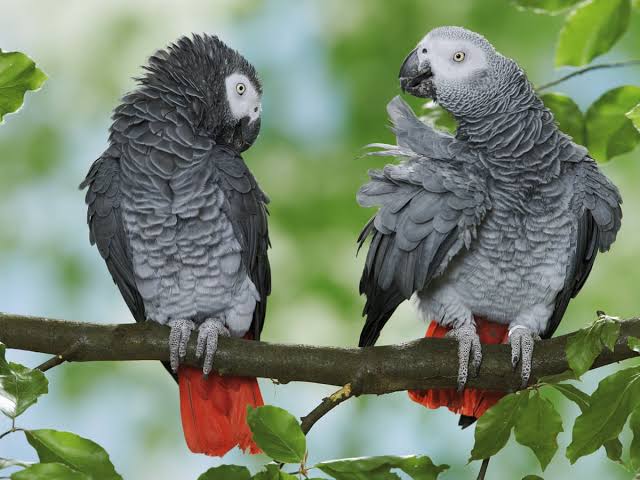
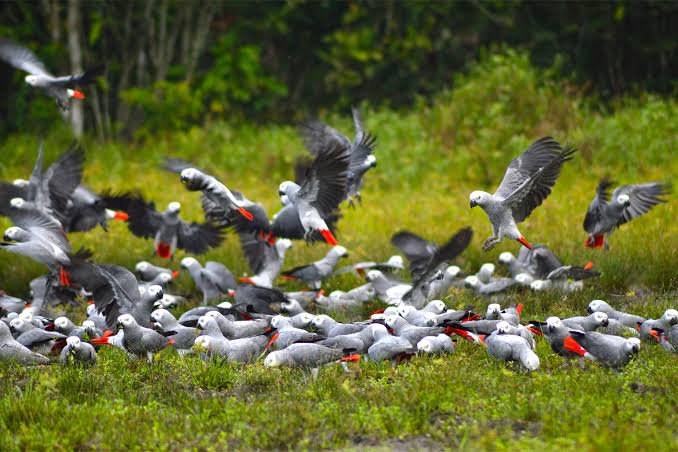
The African Grey Parrot is a large bird with grey feathers, a red tail, and pale marks on its face. Its appearance helps it blend in with the forest so it can move around without being seen. The red tail is really noticeable when the birds fly together.
The African Grey Parrot lives in forests, woodlands, and areas with big trees that provide food and places to nest. The African Grey Parrot eats fruits, seeds, nuts and flowers. It helps spread seeds around the forest.
The African Grey Parrot is very smart
Can learn to make many different sounds, including human speech. In the wild, the African Grey Parrot uses its sounds to talk to its friends,, warn them of danger and find each other in the forest.
A wild African Grey Parrot lives in a social world. The African Grey Parrot gathers with its friends to eat and sleep. They make a lot of noise calling to each other. The African Grey Parrot has relationships, with its friends and its mate and they can stay together for a long time.
The African Grey Parrot builds its nest in trees
which means that the African Grey Parrot needs old forests to survive. When people cut down trees the African Grey Parrot has fewer places to build its nest and that can make it hard for the African Grey Parrot to have babies.
This shows us that to protect the Grey Parrot we need to protect its home too. We need to save the forests where the African Grey Parrot lives, eats and raises its young.
Why The Numbers Of African Grey Parrots Have Gone Down
African grey parrots are in trouble because of what people have done to their homes and groups. When we cut down trees to grow food get wood build roads and make homes it hurts the African grey parrots. They need areas of forest to live but when we cut down trees it breaks up their homes and takes away places where they can find food and have babies.
Another big problem is when people catch grey parrots and sell them. People like grey parrots because they are smart look nice and can talk like humans. When we catch them in the wild it can hurt the groups they live with and take away grown birds that have babies.
The trip from the forest to a home can be very bad for the birds
They might be packed tightly handled roughly not given enough food get too thirsty and get hurt. A lot of birds do not survive this trip. For every bird that gets to a home it can affect the whole group of birds in the wild and the environment they came from.
The whole world has come together to help protect grey parrots. They are on a list that says we cannot sell them across borders without permission. They are also on a list of animals that’re in danger.
These rules are important
They are not enough to keep African grey parrots safe. We also need to make sure people follow the rules protect their homes be responsible when we visit and get the local community involved. We need to make choices when we think about buying animals that might have been taken from the wild.
The Forest Is The Best Place To Protect African Grey Parrots
One of the ways to help African grey parrots is to take care of the forests where they live. When we save the forests we save more than the parrots. We also save monkeys elephants that live in the forest, duikers, hornbills, turacos, insects, reptiles, amphibians and thousands of kinds of plants.
When the forests are healthy the African grey parrots can find food. Have babies. The forests also help keep the air clean protect the water stop soil from washing and support people who live near the forests.
Local Communities Are Very Important For Conservation
We cannot save the grey parrots without the help of the people who live near their homes. These communities know a lot, about the forests and the animals that live there. They know when the seasons change, when the animals move, which trees are important where the water is and how to use the resources.
When we work with the communities and give them a reason to help they can take care of the African grey parrots too. Education can also help them see that it is better to have living parrots than to catch them and sell them for a money.
Visiting these places can also help. When we travel to see the grey parrots and other animals we can support the local guides, hotels, conservation projects and protected areas. This can show that it is worth keeping the forests intact because they are valuable.
Tracking The Grey Parrot Through Conservation
The work that is being done with the African Grey Parrot: Tracking a Threatened Species is really about watching these birds very closely. The people who take care of the environment need to know where the African Grey Parrots are living how they move around where they have their babies and what things are hurting them.
The people who do research in the field use different methods to learn about the African Grey Parrots. They do surveys they listen to the sounds the birds make they watch them.
They use other scientific ways to understand what is happening to the population.
It is not easy to keep track of the African Grey Parrots because they can fly through areas of forest and they spend a lot of time high up in the trees.
New technology is helping us learn more about how to protect the African Grey Parrots. We can use equipment to hear the birds making noise and we can use pictures from space to see what is happening to the forest.
We can also ask the people who live near the forest to help us learn more about the animals that live there and what things might be hurting them.
Every time we learn something about the African Grey Parrots it helps us understand them better. If we know where the African Grey Parrots are living we can figure out what places are important for them to live and we can try to protect those places.
What You Can Do To Help The African Grey Parrots
You do not have to go to the rainforest to help the African Grey Parrots. The choices you make can still make a difference. One simple thing you can do is not buy Grey Parrots or other animals that were taken from the wild if you are not sure they were taken legally and in a way that is fair to the animals.
If you have a Grey Parrot as a pet you should learn about where it came from and make sure it was taken from the wild in a way that is legal and fair. You should never buy an animal from someone who cannot tell you where it came from or who cannot show you the papers.You can also help the African Grey Parrots by giving money to groups that are working to protect the forests in Africa and stop people from taking animals from the wild. When you travel you should choose to go with tour groups that respect the laws about animals and help take care of the environment.
Learning about the African Grey Parrots is also very important. If you tell people about the problems that the African Grey Parrots are facing it might help reduce the number of people who want to buy them. If people understand what happens when animals are taken from the wild they are more likely to make choices .