
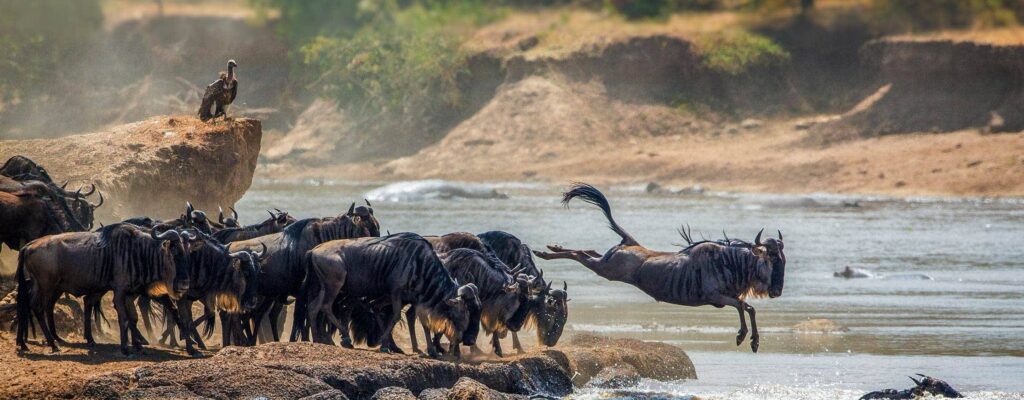
3 Days Serengeti Wildlife Safari
Overview
Experience one of Africa’s greatest wildlife destinations on this 3 Days Serengeti Wildlife Safari. Explore the endless plains of Serengeti National Park, a UNESCO World Heritage Site renowned for its abundant wildlife, spectacular landscapes, and the world-famous Great Migration. Enjoy thrilling game drives in search of the Big Five and witness the incredible diversity of animals that call the Serengeti home.
Whether you are visiting during the Great Migration or any other time of the year, the Serengeti offers exceptional wildlife viewing and unforgettable safari experiences.
Safari Highlights
- Scenic drive through the Ngorongoro Highlands
- Extensive game drives in Serengeti National Park
- Opportunity to spot the Big Five
- Great Migration viewing depending on the season
- Search for lions, leopards, cheetahs, and hyenas
Detailed Itinerary
Day 1: Arusha to Serengeti National Park
After an early breakfast, depart Arusha and drive towards Serengeti National Park via the scenic Ngorongoro Conservation Area. Along the way, enjoy breathtaking views of the highlands before descending into the vast Serengeti plains.
Arrive at the park in time for lunch before embarking on an afternoon game drive. Explore the Seronera area, one of the best wildlife viewing regions in the park, where you may encounter lions, elephants, giraffes, buffaloes, zebras, wildebeests, and a variety of antelope species.
As the sun sets over the plains, head to your lodge or camp for dinner and overnight.
Accommodation Options
Budget: Seronera Public Campsite
Mid-range: Serengeti Heritage Camp
Luxury: Serengeti Serena Safari Lodge
Meals: Lunch and Dinner
Day 2: Full Day Safari in Serengeti National Park
After an early breakfast, set out for a full day of wildlife viewing with packed lunch.
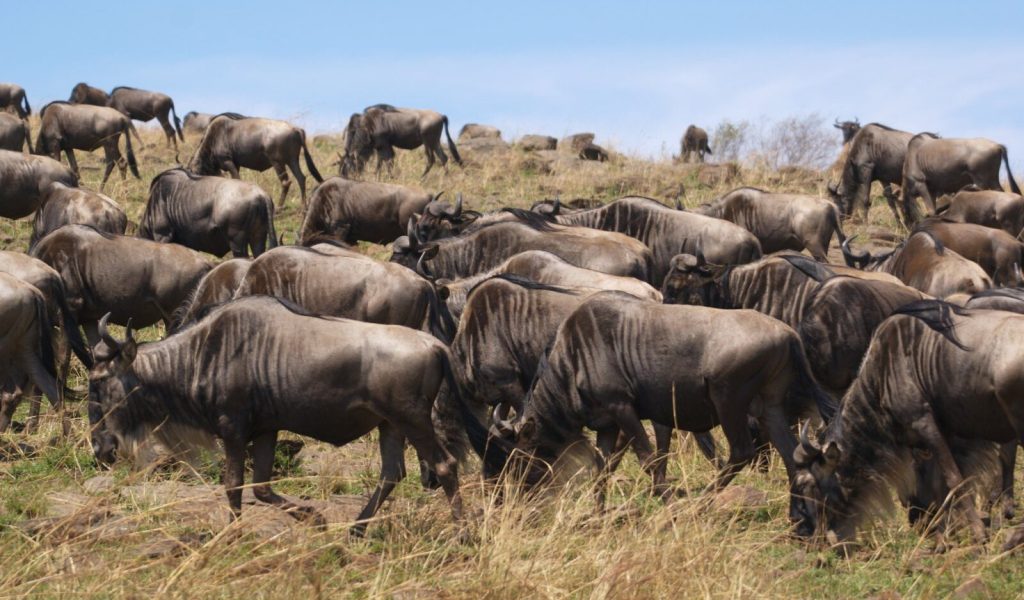
Explore different areas of the Serengeti in search of the Big Five and other remarkable wildlife. Depending on the season, you may witness the Great Migration as thousands of wildebeests and zebras move across the plains in search of fresh grazing.
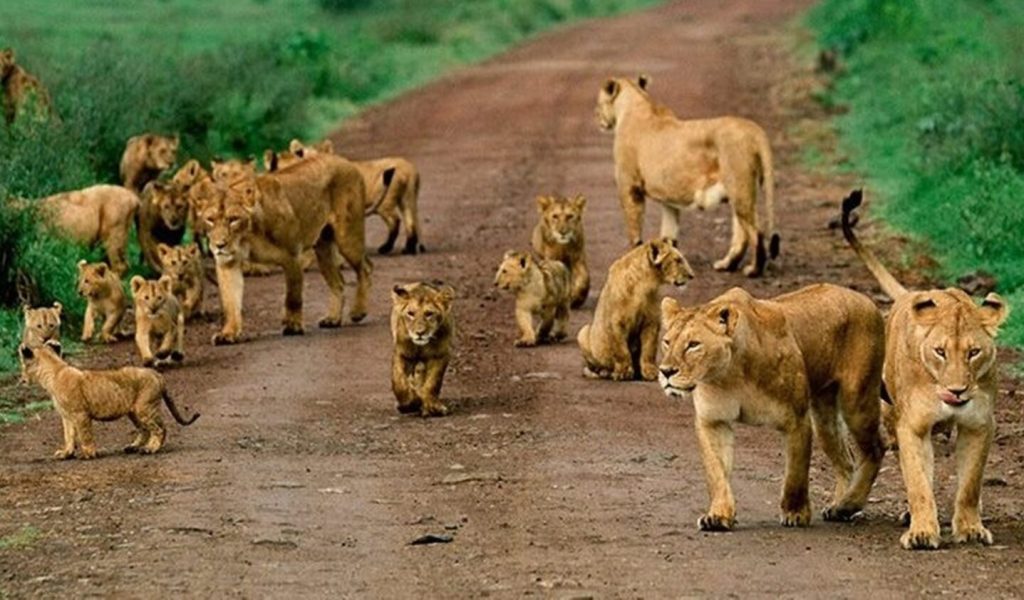
The Serengeti is also home to large populations of lions, cheetahs, leopards, spotted hyenas, elephants, hippos, crocodiles, and more than 500 bird species.
Enjoy a picnic lunch at a designated site before continuing your afternoon game drive.
Return to your accommodation for dinner and overnight.
Accommodation
As Above
Meals: Breakfast, Lunch and Dinner
Day 3: Morning Game Drive and Return to Arusha
Enjoy an early morning game drive when wildlife is most active. This is an excellent opportunity to spot predators returning from their nightly hunts and herbivores grazing across the open plains.
After breakfast, begin your journey back to Arusha through the Ngorongoro Conservation Area, enjoying the beautiful scenery along the way.
Arrive in Arusha in the late afternoon, where you will be transferred to your hotel or Kilimanjaro International Airport for your onward journey.
Meals: Breakfast and Lunch
Optional Activities
- Hot air balloon safari over the Serengeti
- Champagne bush breakfast
- Guided wildlife photography safari
- Visit to a Maasai village
- Sundowner experience
- Bird watching excursion
- Nature walk in designated areas
- Cultural tour in Mto wa Mbu
- Olduvai Gorge archaeological visit
- Ngorongoro Crater extension
- Luxury bush dinner experience
- Scenic flight over the Serengeti
Best Time to Visit
The Serengeti offers outstanding wildlife viewing throughout the year. The dry season from June to October provides excellent opportunities to spot wildlife around water sources, while the Great Migration moves through different parts of the ecosystem depending on the month. From December to March, visitors can witness the calving season in the southern Serengeti, while the dramatic river crossings usually occur between July and September in the northern Serengeti.
Tour Includes
- Travel in a 4×4 car
- Professional guide
- Park fees
- Accommodation
- Meals
- All Activities In Itinerary
Tour Excludes
- Alcoholic drinks
- Laundry
- Tips
- Shopping
- Insurance
- Anything not included per itinerary
A Focused Serengeti Introduction
This three-day itinerary offers a concentrated introduction to the Serengeti, Tanzania’s most famous park, giving genuine time for multiple game drives without extending into a longer multi-park circuit.
This length suits travelers with limited time who specifically want the classic Serengeti experience, vast plains, resident predators, and in season, migration wildlife, without adding further destinations.
Practical Notes
Most nationalities can apply for a Tanzania e-visa online before travel. A yellow fever certificate is required for entry if arriving from a country with risk of transmission. Travel insurance covering wildlife or trekking activities and medical evacuation is strongly recommended.
Tanzanian shillings are useful for everyday purchases, tips and markets, while US dollars printed after 2009 are widely accepted for park fees, conservation fees and lodge bills.
Because lodge and permit availability tightens considerably during the June to October peak season, we recommend booking this itinerary at least three to four months in advance for travel during that window.
Tipping is customary though not compulsory. Your driver-guide is typically tipped at the end of the full trip, scaled to group size and length of stay, and we’re glad to advise on typical ranges when you book.
A private 4×4 safari vehicle with a pop-up roof and an experienced English-speaking driver-guide accompanies you throughout this itinerary.
Extending This Trip
This three-day Serengeti itinerary can be extended to include Ngorongoro Crater, Tarangire, or additional Serengeti days for travelers who decide partway through planning that they want more time in Tanzania’s northern circuit.
Because the Serengeti alone offers enough variety across its different regions, central, western corridor, and northern, to fill considerably more than three days, some travelers choose to extend within the park itself.
Wildlife and the Great Migration in the Serengeti
The Serengeti’s vast, open plains support one of the last great terrestrial wildlife migrations on earth, as roughly two million wildebeest, zebra and gazelle move in a broadly circular pattern through the ecosystem each year, following the rains in search of fresh grass. Depending on the season, this can mean vast herds spread across the southern plains during calving season, dramatic river crossings in the west and north, or smaller, more dispersed groups elsewhere in the park — so the exact experience varies considerably by month. Beyond the migration, the Serengeti’s year-round resident wildlife, including some of Africa’s largest lion prides and healthy cheetah and leopard populations, makes it a rewarding destination regardless of when the herds themselves are present.
Wildlife Density in the Ngorongoro Crater
The Ngorongoro Crater, the world’s largest intact volcanic caldera, contains an estimated 25,000 large mammals within its roughly 260-square-kilometre floor, a natural enclosure formed when a volcano larger than Kilimanjaro collapsed in on itself some two to three million years ago. Because the crater walls largely confine the resident wildlife year-round, sighting rates for lion, elephant, buffalo, hippo and the crater’s small but present population of black rhino are exceptionally high regardless of season, making it one of the most reliable single-day game drives in Africa. The descent into the crater floor along a steep access road, followed by a full day exploring the grassland, swamp and forest habitats within, is typically treated as its own dedicated day on a Tanzania itinerary.
Elephants and Baobabs at Tarangire
Tarangire National Park is known for two distinctive features: some of the largest elephant herds in Tanzania, with family groups sometimes numbering in the hundreds gathering along the Tarangire River during the dry season, and a landscape studded with ancient, swollen baobab trees that can live for well over a thousand years. The Tarangire River is the area’s only permanent water source through the dry months, which concentrates wildlife along its banks and makes June through October a particularly productive period for game viewing here. The park also supports species less commonly seen elsewhere in northern Tanzania, including fringe-eared oryx and gerenuk, alongside large pythons that are more frequently spotted here than in other parks in the region.
Climbing Routes on Mount Kilimanjaro
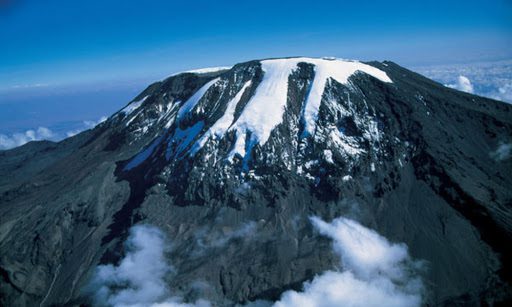
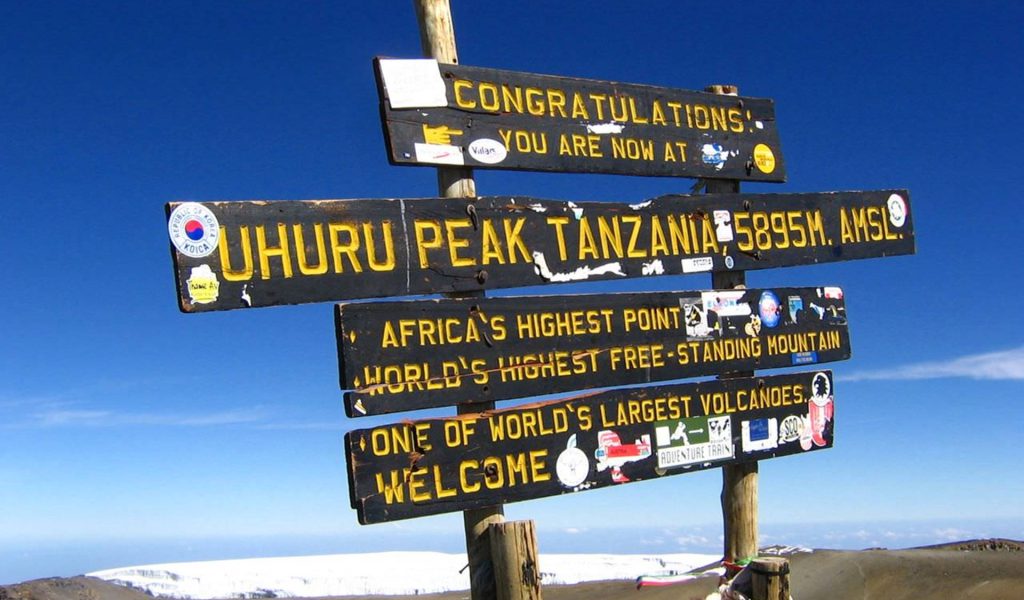
Mount Kilimanjaro, Africa’s highest peak at 5,895 metres, can be climbed via several established routes that vary in scenery, traffic and acclimatisation profile. The Marangu route, the only one with hut-based rather than tented accommodation, is the shortest but also has one of the lower summit success rates due to its fast ascent profile; Machame, nicknamed the Whiskey Route, is more scenic and allows better acclimatisation over a longer itinerary; and Lemosho, the longest of the popular routes, offers the most gradual ascent and correspondingly higher success rates. Regardless of route, the climb passes through five distinct ecological zones, from cultivated farmland through rainforest, moorland and alpine desert to the arctic summit zone, a transition unlike almost any other trek in the world.
Safari Vehicles and Getting Around
Most game drives are conducted in a 4×4 safari vehicle with a pop-up roof, allowing you to stand for unobstructed photography and viewing while remaining shaded from direct sun. On itineraries that combine several parks across a wide area, internal flights on light aircraft are often used to cut down long road transfers, particularly between remote parks like Kidepo Valley or across the wider Serengeti-Mara ecosystem, while road transfers between closer parks allow more scenery and a chance to pass through local towns and villages along the way. Your guide-driver typically stays with you for the full ground portion of the trip, providing continuity and increasingly detailed local knowledge as the days progress.
Choosing Accommodation on Safari
Safari accommodation ranges from simple tented camps with shared facilities to luxury lodges with private plunge pools, and the right choice depends more on personal priorities than on the quality of wildlife viewing available at each level. Mid-range lodges and permanent tented camps generally strike a good balance of comfort, character and value, often built with open-sided common areas that let you watch wildlife from the dining area or deck without needing to leave camp. Because many of the best-located properties have limited rooms, especially inside national parks rather than on their boundaries, booking accommodation early is often more time-sensitive than booking the safari itself, particularly for travel during peak dry-season months.
Wildlife Photography Tips
Early morning and late afternoon light, when the sun sits low and animals are most active, consistently produces the strongest wildlife photographs, which is part of why most game drives are scheduled around dawn and dusk rather than the middle of the day. A telephoto lens in the 100-400mm range covers most safari situations, though a wide-angle lens is worth having for landscape shots and for scenes where wildlife is close enough to include the surrounding habitat. Resting a camera on a beanbag across the vehicle’s window frame, rather than relying purely on handheld shots, noticeably improves sharpness, especially in the low light typical of early morning game drives.
Conservation Fees and Community Impact
Park entry fees, gorilla and chimpanzee permits, and conservancy fees paid by visitors form a direct funding stream for anti-poaching patrols, habitat protection and, in many areas, a formal revenue-sharing arrangement with communities living along park boundaries. This model has been credited with turning former poachers into park employees and guides in several of the region’s protected areas, and with funding schools, clinics and water projects in communities that once had little direct incentive to protect neighbouring wildlife. Choosing a safari that keeps permit and park fees intact, rather than one built around discounted or informal access, is one of the more concrete ways a traveller supports this system.
Get Your Tailored 3 Days Serengeti Wildlife Safari
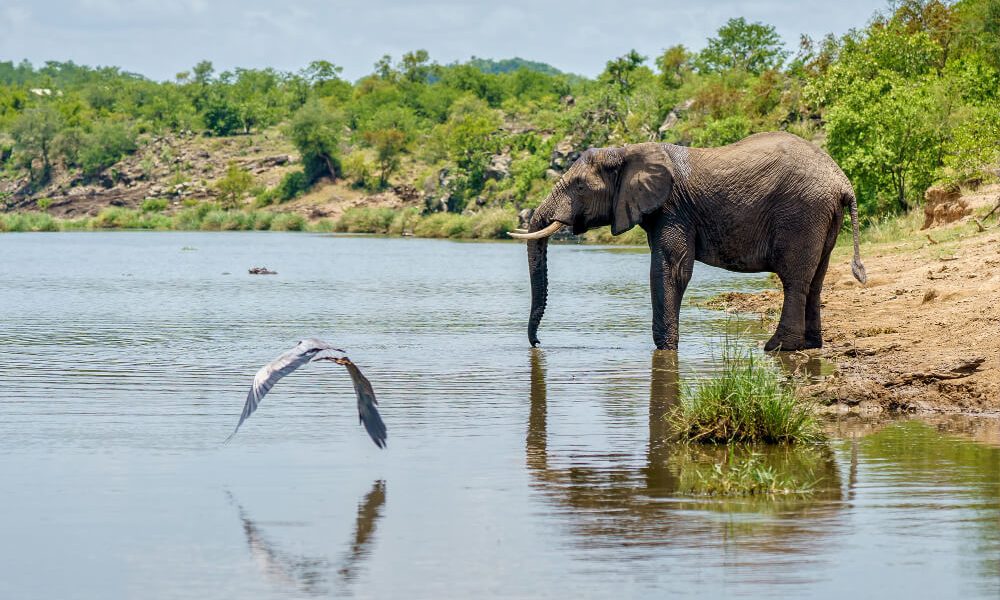
10 Days Tanzania Adventure
A comprehensive circuit through Tanzania’s northern parks for travellers with time to see the full picture.
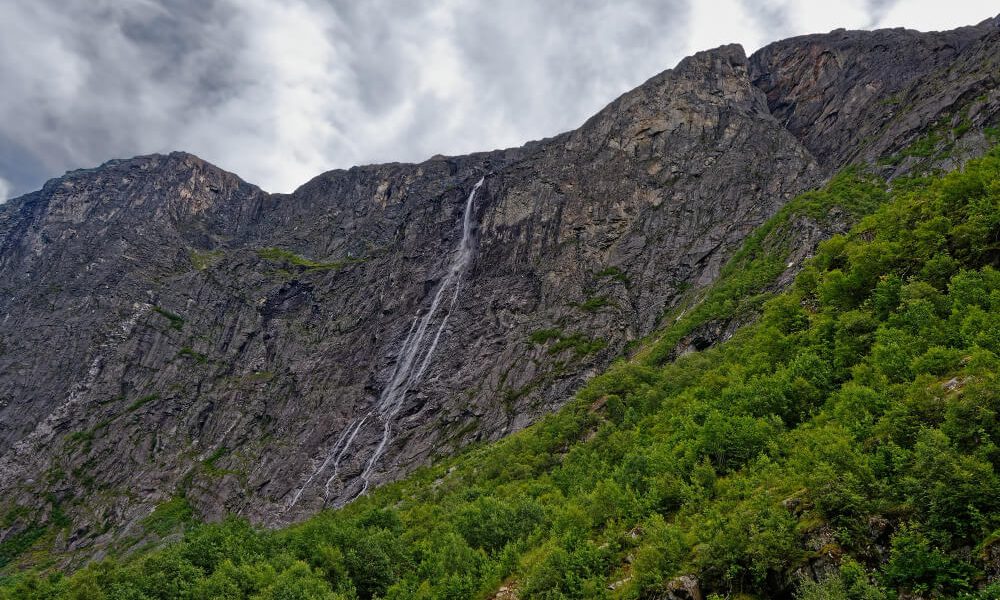
8 Days Kilimanjaro Trekking Adventure
A dedicated Kilimanjaro summit itinerary with a well-paced acclimatisation schedule.
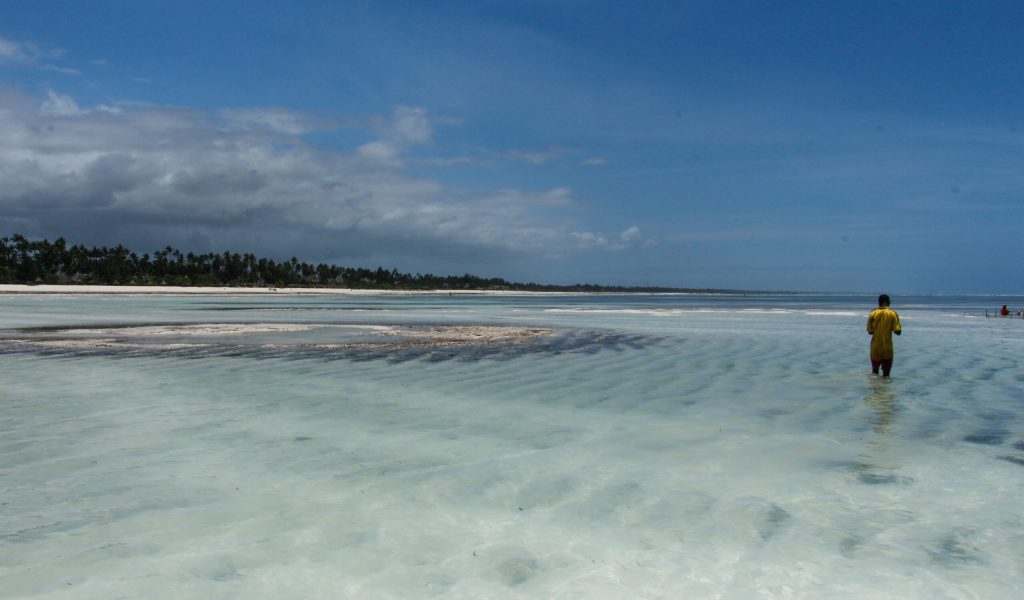
6 Days Spectacular Zanzibar
A relaxed week on Zanzibar’s beaches, with Stone Town history and marine activities included.
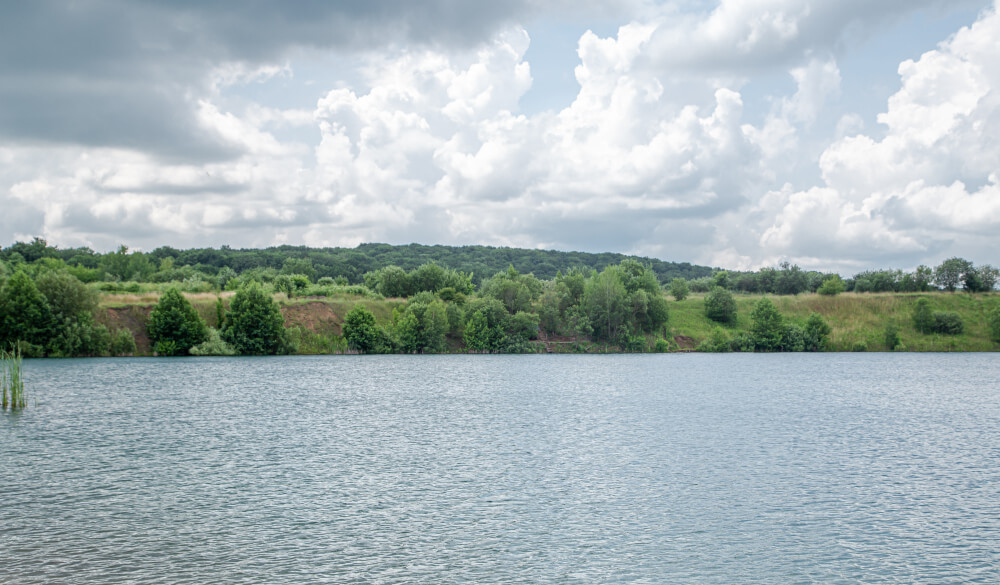
8 Days Serengeti, Ngorongoro & Zanzibar
The classic northern circuit paired with a closing beach stay on Zanzibar.
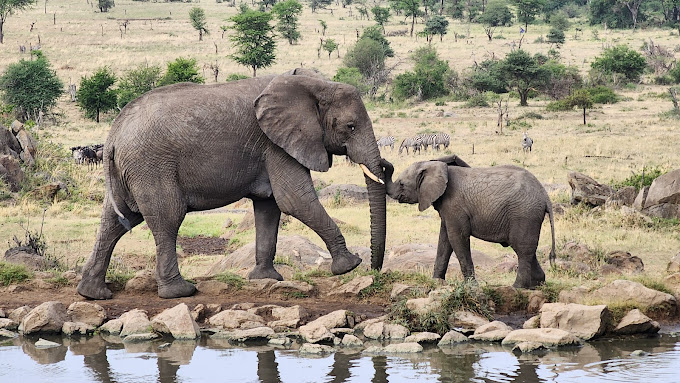
5 Days Serengeti & Ngorongoro
A focused five days covering Tanzania’s two most iconic wildlife destinations.
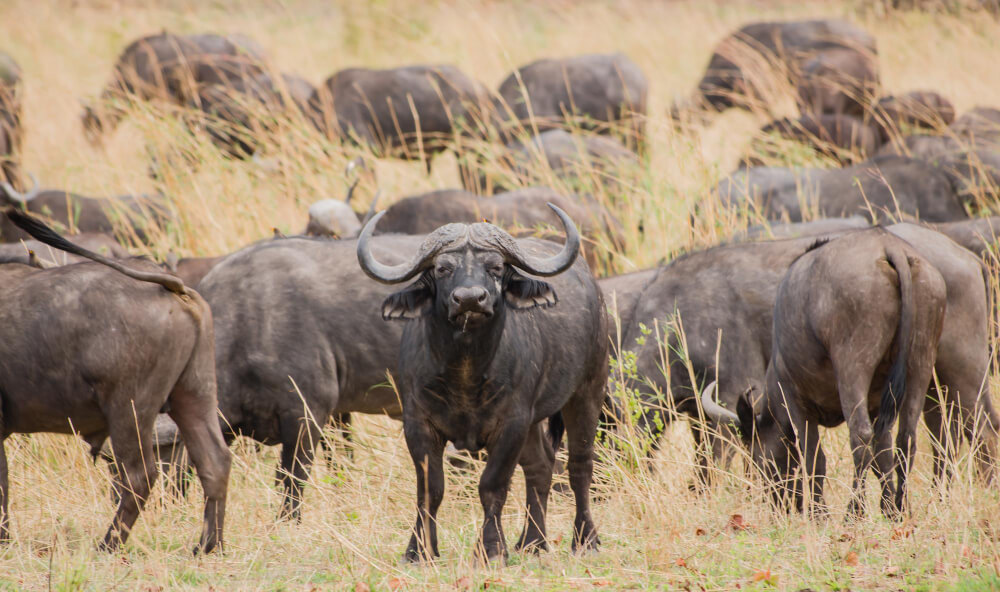
3 Days Serengeti Wildlife Safari
A concise introduction to the Serengeti for travellers with a short window of time.
9-Day Tanzania-Uganda Safari
A cross-border itinerary combining Tanzania’s northern circuit with Uganda’s primate trekking.
10 Day Ultimate Tanzania Safari
An in-depth circuit through Tanzania’s flagship northern parks with a well-paced itinerary.
7 Days Epic Northern Tanzania Safari
A full week across the northern circuit’s key wildlife areas.
8 Day Kilimanjaro Hiking Safari
An alternative Kilimanjaro route itinerary for climbers seeking a different trekking experience.
6 Days Ngorongoro, Serengeti & Tarangire
All three of Tanzania’s flagship northern circuit parks in a single well-paced week.
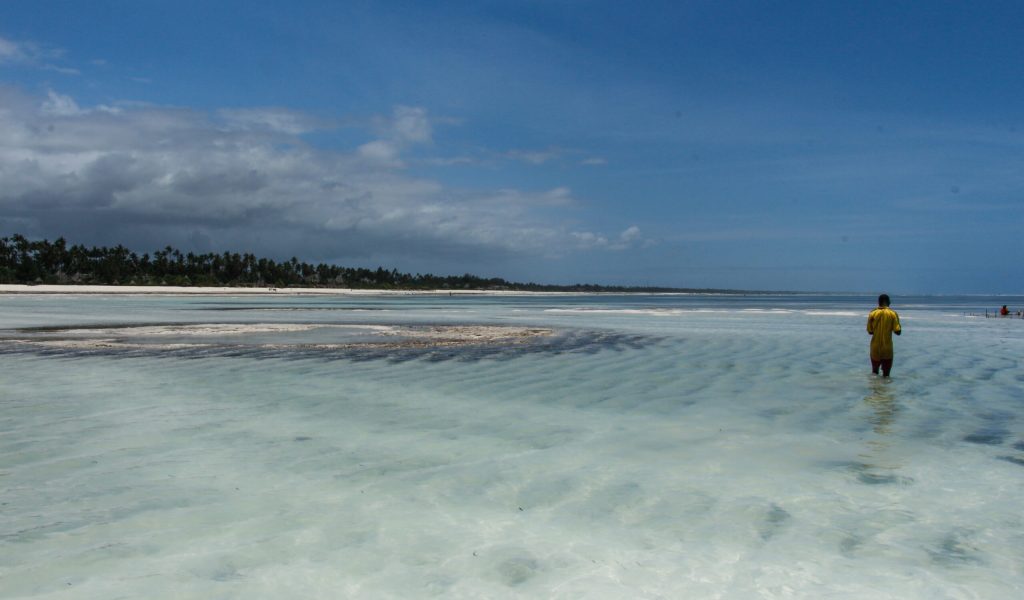
6 Day Zanzibar Stone Town & Snorkeling
Stone Town history paired with snorkelling and beach time on Zanzibar.