African Wild Dog: Are Any Packs Left in Uganda’s Parks?
For decades, the answer to this question was a heartbreaking “no.” African wild dogs, also known as painted wolves or painted dogs, were declared locally extinct in Uganda around the nineteen sixties. A combination of habitat loss, human-wildlife conflict, disease from domestic dogs, and extermination campaigns that branded them as vermin wiped out their populations completely.
For years, if you asked a Ugandan ranger whether you would see wild dogs in the parks, they would shake their heads. These animals just were not there anymore.
But things are changing.
The Brief Answer: Not Yet, But Soon
Right now, there are no established, breeding packs of African wild dogs roaming freely in Uganda’s national parks. However, that is about to change in a big way.
In June two thousand and twenty five, eight African wild dogs arrived at Entebbe International Airport from a conservation facility in South Africa. They are now being cared for at the CTC Conservation Centre in Mpigi District, a fully licensed wildlife breeding and education facility run by Ugandan conservationist Thomas Price.
And here is the exciting part: one of the females is highly pregnant. If all goes well, Uganda will have its first wild dog pups born on home soil in over six decades.
This is a fully Ugandan-led initiative, working closely with the Ministry of Tourism, Wildlife and Antiquities and the Uganda Wildlife Authority. The long-term goal is to establish a captive breeding population and eventually reintroduce these dogs into suitable wild habitats across the country.
What About Wild Sightings in the Parks?
You might have heard whispers of wild dog sightings in recent years. Occasionally, tourists or rangers report fleeting glimpses of painted dogs in remote corners of parks like Murchison Falls or Kidepo Valley. Some of these reports are genuine, but they are almost always lone individuals or small groups that have wandered across borders from neighbouring countries like South Sudan or Kenya. These are not stable packs. They come, they go, and they rarely stay long enough to establish territory.
The truth is that Uganda’s wild dog population remains functionally extinct. The last confirmed breeding pack in the wild was recorded in the nineteen sixties, and since then, no pups have been born naturally in the country’s parks.
But the arrival of these eight dogs in two thousand and twenty five marks the first serious, structured effort to bring them back. This is not a random import or a short-term publicity stunt. This is the beginning of a long, carefully planned reintroduction programmed.
Why Were They Lost in the First Place?
To understand why this return matters, you have to understand what went wrong. African wild dogs were once widespread across Uganda. They roamed the savannahs, woodlands, and open plains in large packs, hunting alongside lions and leopards. But as human populations grew, so did conflict.
Farmers shot and poisoned them, believing the dogs were a threat to livestock. Diseases like rabies and canine distemper, carried by domestic dogs, swept through wild populations with devastating speed. And as Uganda’s protected areas shrank, the dogs lost the vast open spaces they needed to hunt. Wild dogs are pack hunters, they rely on teamwork and stamina to chase down prey over long distances. A fragmented landscape with too many roads, fences, and villages simply does not work for them.
By the time conservationists realised how dire the situation had become, it was too late. The dogs were gone.
What Makes the Painted Dog Special?
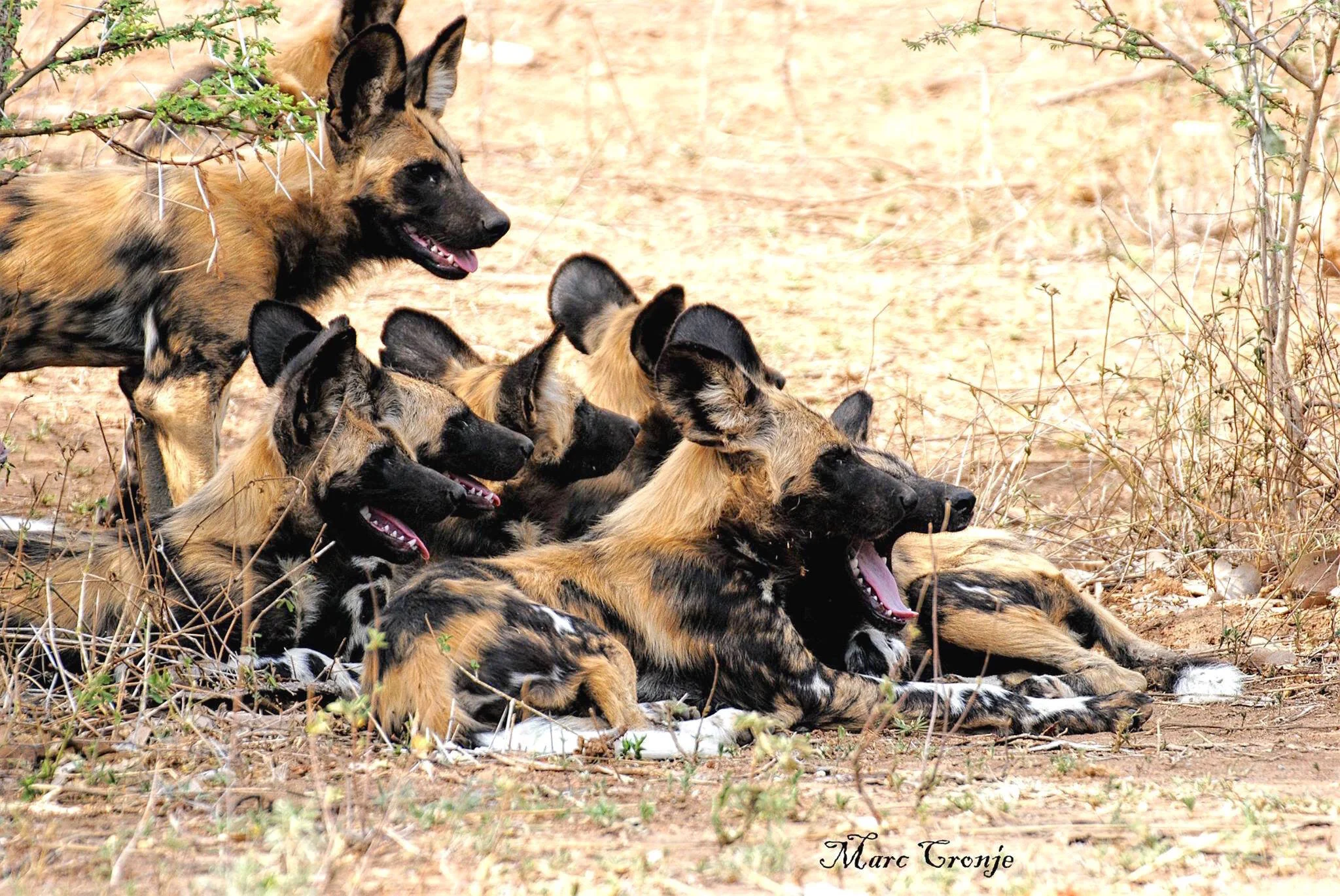
If you have never seen an African wild dog in person, it is hard to describe just how striking they are. Each dog has a unique coat pattern, a patchwork of black, white, brown, and yellow that looks like it was splashed on by an artist in a hurry. Their ears are large and rounded, their legs are long and slender, and their tails are tipped with white like a paintbrush dipped in snow.
But their appearance is only half the story. These are among the most social animals on the planet. Wild dog packs are incredibly tight-knit. They hunt together, eat together, and raise their pups as a community. Dominant pairs lead the pack, but every member has a role, from babysitting the young to nursing injured packmates back to health. Their cooperation is legendary. They are efficient hunters with a success rate of up to eighty percent, far higher than lions or leopards.
Losing them from Uganda was not just a biodiversity loss. It was the loss of a unique and irreplaceable piece of the country’s wild heritage.
What Happens Next?
The eight dogs currently at the CTC Conservation Centre are not yet ready for the wild. They are being acclimatised, monitored, and studied. The pregnant female is being given extra care and nutrition to ensure a healthy delivery. Once the pups are born and the packs are stable, the Uganda Wildlife Authority will work with conservation partners to identify suitable release sites.
Kidepo Valley National Park is a strong candidate. It is remote, vast, and supports healthy populations of prey species like antelope and gazelle. It also borders South Sudan, where small wild dog populations still exist, meaning any released dogs could potentially connect with neighbouring packs.
Other parks like Murchison Falls and Queen Elizabeth are also being assessed, but reintroduction is a delicate process. It takes years of planning, community engagement, and careful monitoring.
Why This Matters for Tourism
This is where tourism comes in. African wild dogs are a major draw for wildlife tourists. In countries like Botswana, Zimbabwe, and Tanzania, travellers spend thousands of dollars to see painted dogs in the wild. They are considered a “bucket list” species, right up there with gorillas and the Big Five.
For Uganda, which already attracts visitors for its mountain gorillas, chimpanzees, and tree-climbing lions, wild dogs could add another reason to visit. They would spread tourism beyond the well-trodden gorilla trekking routes and into the savannah parks, bringing income to local communities and justifying the costs of conservation.
But tourism is not just about money. It is about value. When travellers come to see wild dogs, they send a clear message: these animals are worth more alive than dead. That shifts local attitudes. A farmer who once saw a wild dog as a threat might start seeing it as an asset, because tourists pay for the privilege of watching it hunt.
A Long Road Ahead
Let us be honest. The return of wild dogs to Uganda will not happen overnight. It will take years, maybe decades, before we see stable, self-sustaining packs roaming Kidepo or Murchison Falls. There will be setbacks. Some dogs will die. Some releases may fail. The journey is long and uncertain.
But the fact that we are having this conversation at all is remarkable. For over sixty years, the painted dog was a ghost in Uganda’s parks. A memory. A photograph in an old field guide. Now, for the first time in living memory, pups are about to be born on Ugandan soil.
And that is worth celebrating.
Final Thoughts
So, are there any packs left in Uganda’s parks? Not yet. But there will be. And when you finally stand in the middle of Kidepo Valley, watching a pack of painted dogs lope across the savannah, their coats a blur of colour against the dry grass, you will not be thinking about the years of planning, the flights from South Africa, or the debates in conservation meetings. You will just be grateful. Grateful that someone decided these dogs mattered. Grateful that Uganda chose to bring them home.And that is the kind of story tourism is really about. Not just the animals we see, but the hope they carry with them