Murchison Falls South Bank: The Overlooked Side of Uganda’s Top Park
There is a certain allure to the famous and the familiar. When travelers think of Murchison Falls National Park, their minds inevitably conjure images of the mighty Nile River forcing its way through a narrow gorge, the thunderous roar of water plunging into the frothing depths below, and the classic safari vistas of the northern bank where elephants and buffalo roam the savannah in plain sight. This is the Murchison Falls that graces postcards, that fills itineraries, and that draws thousands of visitors each year. But there is another side to this magnificent park, a side that is quieter, wilder, and infinitely more intimate. The south bank of Murchison Falls is the overlooked sibling, the lesser-visited expanse that offers a safari experience fundamentally different from its more famous counterpart. Here, the crowds are few, the roads are rough, and the wildlife encounters feel personal and unscripted. For the traveler who seeks solitude, raw wilderness, and a deeper connection to the landscape, the south bank of Murchison Falls is a revelation waiting to be discovered.
A Tale of Two Banks
The Nile River, in its eternal journey from Lake Victoria to the Mediterranean, divides Murchison Falls National Park into two distinct halves, each with its own character and appeal. The northern bank is the face of the park that most visitors know. It is accessible, well-developed, and home to the majority of the park’s accommodation and tourist infrastructure. The roads are well-maintained, and the game drives are predictably excellent, with large herds of elephants, giraffes, and buffalo grazing against the backdrop of the river. It is a classic African safari experience, and for good reason, it is justifiably popular.
The southern bank, in stark contrast, is a world apart. It is rugged, remote, and deliberately underdeveloped. The road network is minimal, and the few tracks that exist are often challenging, requiring a sturdy four-wheel-drive vehicle and a sense of adventure. There are no luxury lodges here, no bustling reception areas, and no souvenir shops. What the south bank offers instead is a pristine wilderness that feels as though it has been untouched by time. The game viewing is different, more intimate, and often surprisingly rewarding. It is a place where you can drive for hours without seeing another tourist vehicle, where the wildlife is wild and wary, and where the sounds of the bush are uninterrupted by the hum of engines. The south bank is not for everyone, but for those who venture across the river, it offers a safari experience that is increasingly rare in our crowded world.
The Game Drive Experience on the South Bank
The game drives on the southern bank of Murchison Falls are a study in contrast to the northern side. While the north is characterized by open savannah that stretches to the horizon, the south bank offers a more diverse and undulating landscape. The terrain here is a mosaic of rolling hills, wooded savannah, and riverine forests, creating a habitat that supports a different array of wildlife and offers constantly changing views. The game viewing is perhaps less predictable, but this only adds to the sense of discovery. You never know what you might encounter around the next bend, and every sighting feels like a gift rather than a guarantee.
The south bank is home to many of the same species that inhabit the northern side of the park, but the dynamics of the population are different. Elephants are a common sight, and the herds here are often smaller and more skittish, having learned to be wary of human presence. Buffalo are also abundant, and you may be lucky enough to see the rare and elusive giant forest hog, a species that is more commonly associated with the dense forests of central Africa. Lions are present on the south bank, though they are less frequently seen than on the north, adding an element of anticipation to every drive. The open areas also support a healthy population of antelopes, including the graceful Uganda kob, the speedy oribi, and the elegant bushbuck. For the discerning wildlife enthusiast, the south bank offers the chance to see these species in a setting that feels wilder and more authentic.
The Birdlife of the Southern Side
If the game viewing on the south bank is rewarding, the birdlife is nothing short of spectacular. The diverse habitats, ranging from savannah to riverine forest, attract a remarkable variety of bird species, making it a paradise for birdwatchers. The river itself is a magnet for waterbirds, and you are almost guaranteed to see the majestic African fish eagle perched on a branch overlooking the water, its distinctive call echoing across the river. The prehistoric-looking shoebill stork is another sought-after sighting, and the south bank’s quieter channels offer better opportunities for spotting this elusive bird than the busier northern areas.
The forested areas along the river are home to a different suite of species, including the colorful green-backed woodpecker, the striking black-and-white-casqued hornbill, and the elusive forest robin. The savannah areas attract species like the secretary bird, which strides across the plains in search of snakes, and the striking Abyssinian ground hornbill, a large and distinctive bird that is a speciality of the region. The diversity of habitats on the south bank means that a single game drive can yield a staggering variety of sightings, making it a must-visit destination for any serious birder. The relative peace and quiet of the area also means that you can stop and listen to the birds without the distraction of other vehicles, creating a more immersive and rewarding birdwatching experience.
The Road Less Traveled
One of the defining characteristics of the south bank experience is the journey itself. The roads on this side of the park are unpaved, rough, and often challenging, requiring patience, skill, and a reliable four-wheel-drive vehicle. The main road that runs along the river is known as the Buligi Track, and it offers a spectacular drive with stunning views of the Nile. There are also several smaller tracks that branch off into the interior of the park, leading to remote waterholes and hidden valleys where wildlife gathers. Driving these roads is an adventure in itself, a journey through a landscape that feels vast and untamed.
The road conditions mean that the south bank is largely inaccessible during the peak of the rainy season, when the tracks become impassable mud baths. However, during the dry season, the south bank opens up, offering a safari experience that is both thrilling and rewarding. The sense of isolation and self-reliance that comes from navigating these rough roads is part of the appeal. You are not being ferried from one sighting to the next; you are actively exploring, making your own discoveries, and forging your own path through the wilderness. It is a reminder that the best adventures often require a little effort and a willingness to step off the beaten path.
A Different Kind of River Experience
The Nile River is the heart of Murchison Falls National Park, and any visit to the park would be incomplete without a river experience. While the majority of visitors take boat trips from the Paraa landing site on the northern bank, the south bank offers its own unique perspective on the river. The boat cruise from the south bank is a quieter and more intimate experience, as there are far fewer boats operating on this side of the river. The views are just as spectacular, and the wildlife sightings are often equally rewarding, but the atmosphere is one of peace and solitude rather than bustling activity.
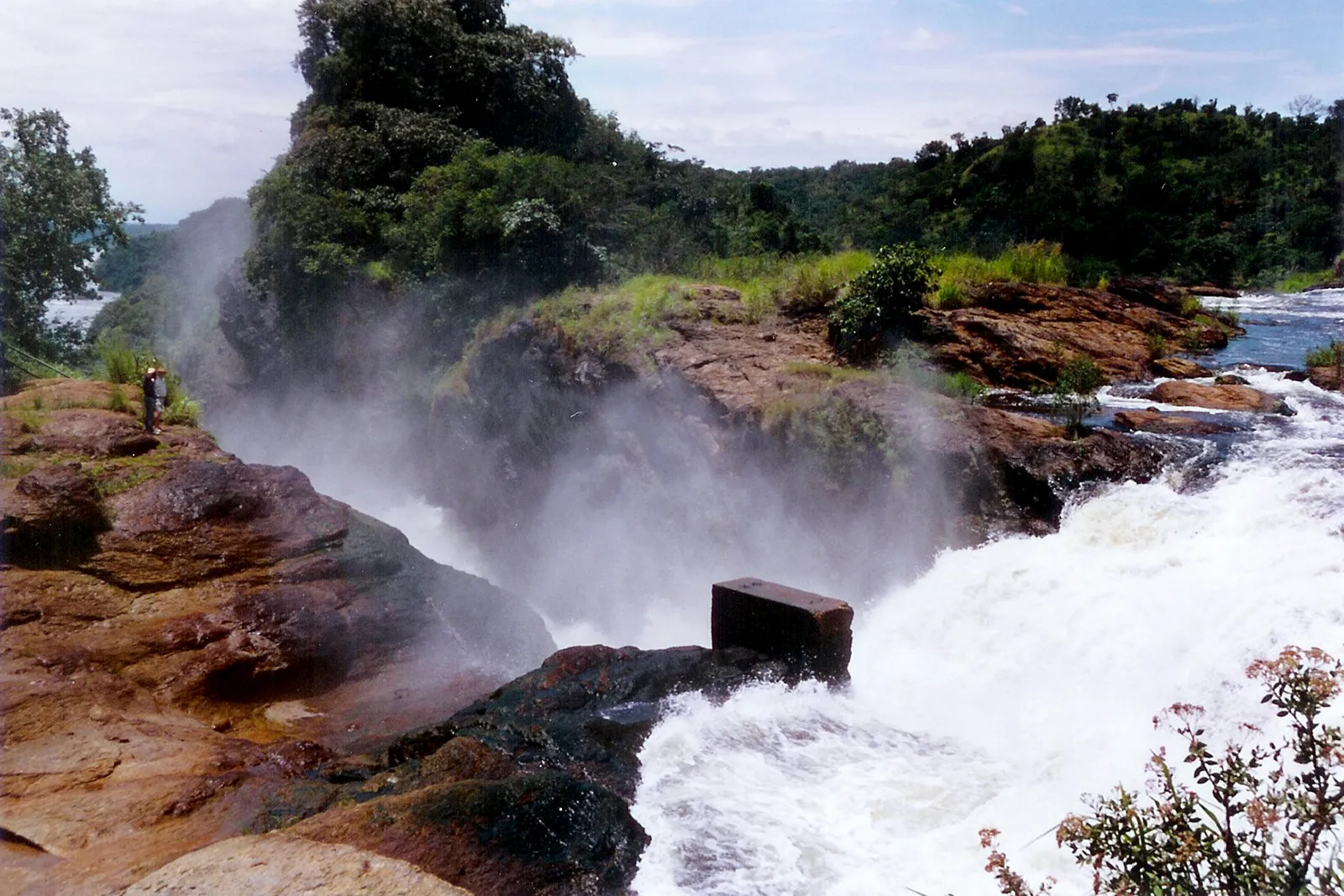
A boat cruise on the south bank takes you upstream towards the base of the falls, offering a dramatic close-up view of the Nile as it forces its way through the narrow gorge. The spray from the falls creates a cool mist that is a welcome relief from the heat, and the sheer power of the water is awe-inspiring. Along the way, you will see hippos wallowing in the shallows, crocodiles basking on the sandbanks, and a wealth of birdlife along the riverbanks. The experience of cruising on the Nile, surrounded by the beauty of the Murchison Falls wilderness, is one of the most memorable experiences Uganda has to offer, and doing it from the quieter south bank adds an extra layer of magic.
The Views from the Top
Perhaps the most spectacular viewpoint in the park is found on the south bank. The hike to the top of the falls, starting from the south side, offers a breathtaking perspective of the Nile as it thunders through the gorge. The trail winds up through the rocks, and as you ascend, the roar of the water grows louder, building the anticipation. When you finally reach the top, the view is nothing short of spectacular. You stand at the very edge of the falls, looking down into the churning water below and across the vast expanse of the Murchison Falls National Park. The sheer power and beauty of the scene are overwhelming, and it is a moment that will stay with you forever.
The top of the falls is also an excellent place to see wildlife. The spray from the falls attracts a variety of birds, and you may see the elusive rock hyrax basking on the boulders. Elephants and buffalo are also frequently seen in the area, coming to drink from the water below. The viewpoint on the south bank is far less crowded than the one on the north, allowing you to soak in the experience without the jostling of other tourists. It is a place to sit, to reflect, and to appreciate the raw power and beauty of one of Africa’s greatest natural wonders.
The Accommodation and Logistics of the South Bank
The accommodation options on the south bank of Murchison Falls are limited, reflecting the area’s focus on wilderness over luxury. This is not a place for those seeking five-star amenities; it is a place for those who want to be close to the wild. There are a few basic lodges and campsites that offer comfortable accommodation in a rustic setting, with the emphasis on simplicity and immersion in nature. The lodges are often family-run, with a friendly and personal touch that is missing from the larger, more impersonal establishments on the north bank. Staying on the south bank means waking up to the sounds of the bush, sleeping under a canopy of stars, and feeling the pulse of the wilderness all around you.
For those who are truly adventurous, camping is also an option on the south bank. There are designated campsites that allow you to pitch your tent in the middle of the bush, with nothing but the sounds of the wild for company. This is the ultimate wilderness experience, offering a connection to the natural world that is impossible to achieve in a more developed setting. However, it is important to be prepared. The south bank is remote, and facilities are minimal. You will need to bring your own supplies, including food, water, and fuel, and you will need to be self-sufficient. This is not a destination for the faint-hearted, but for those who are willing to embrace the challenges, the rewards are immense.
The Importance of Conservation and Community
The south bank of Murchison Falls is not just a tourist destination; it is a vital area for conservation and community development. The park is home to a significant population of wildlife, including several endangered species, and its protection is essential for the survival of these animals. The Uganda Wildlife Authority, the government body responsible for managing the park, works tirelessly to combat poaching and to ensure that the park’s resources are managed sustainably. The south bank, with its relative isolation, provides a sanctuary for wildlife away from the pressures of mass tourism. It is a place where animals can roam freely and where the natural rhythms of the ecosystem can continue undisturbed.
The local communities living around the park also play a crucial role in its conservation. Many of these communities are involved in the tourism industry, providing services like guiding, accommodation, and cultural experiences. This creates a direct economic link between the health of the park and the prosperity of its neighbours, giving them a powerful incentive to protect the wildlife and the habitat. The community-based tourism initiatives in the area are a model for how conservation and development can work together, demonstrating that it is possible to protect the environment while improving the lives of the people who live alongside it. By visiting the south bank, travelers are not just enjoying a safari; they are supporting a system that benefits both nature and people.
The Best Time to Explore the South Bank
The best time to visit the south bank of Murchison Falls is during the dry seasons, which generally run from December to February and from June to August. During these months, the roads are dry and passable, the vegetation is less dense, and the wildlife is more concentrated around the remaining water sources. The weather is pleasant, with warm days and cool nights, creating ideal conditions for game drives and outdoor activities. The dry season also offers the best views of the falls, as the water levels are lower and the spray is less obscuring.
The rainy seasons, from March to May and from September to November, bring a different kind of beauty to the south bank. The landscape turns lush and green, and the birdlife is at its most active, with many species breeding during this time. However, the roads can become impassable, and some areas of the park may be inaccessible. The boat cruises to the falls may also be affected by high water levels. For travelers with a sense of adventure and a willingness to take on the challenges of the wet season, the south bank can offer a unique and rewarding experience. However, it is essential to be flexible and to plan carefully, as the weather can be unpredictable.
A Final Word on the Overlooked Side
Murchison Falls National Park is one of Uganda’s greatest treasures, a place of dramatic landscapes, abundant wildlife, and breathtaking beauty. But the park is more than just its famous highlights. The south bank, the overlooked side, offers a safari experience that is deeper, more intimate, and more personal. It is a place to escape the crowds, to challenge yourself, and to connect with the wild in a way that is increasingly difficult to find. The rewards are not always easy to come by, but they are all the more precious for the effort they require. The south bank is a reminder that the most profound travel experiences often lie just off the main road, waiting to be discovered by those who are willing to venture a little further.
For the traveler who seeks more than just a checklist of sights, who craves a sense of discovery and a deeper connection to the natural world, the south bank of Murchison Falls is an essential destination. It is a place to slow down, to look more closely, and to appreciate the wild beauty of Africa in its purest form. The memories of the sun setting over the Nile, the sight of a herd of elephants against the hills, and the silence of the wilderness at night will stay with you long after you have crossed the river back to the other side. The south bank is not just the overlooked side of Uganda’s top park; it is its hidden heart.