Katonga Wildlife Reserve: Sitatunga, Hippos and Zero Crowds
There is a special kind of magic that happens when you step into a wilderness that feels untouched and undiscovered. The air is quieter, the sounds of nature are more distinct, and every sighting feels like a personal gift rather than a scheduled event. This is the essence of Katonga Wildlife Reserve, a hidden sanctuary in western Uganda that offers a safari experience fundamentally different from the well-trodden circuits of more famous national parks. Here, the crowds are non-existent, the primary mode of transport is your own two feet or a silent canoe, and the star attractions are among the most elusive and fascinating creatures in Africa.
A Reserve Shaped by History and Resilience
Katonga Wildlife Reserve, spanning approximately 207 square kilometers, was first gazetted as a game reserve in 1964. Its original purpose was to serve as a vital corridor for migrating wildlife moving between western Uganda and neighboring countries like Tanzania and Sudan. It was a passageway for herds and a sanctuary for a diverse array of life. However, the reserve’s history is not without its challenges. The political instability of the 1970s and 80s took a heavy toll, with commercial and subsistence poaching decimating wildlife populations. The land also suffered from encroachment by cultivators and cattle grazers, which further degraded the habitat and pushed animals out.
It was a period of significant loss. Once-thriving populations of zebras, topi, and eland disappeared from the landscape. The reserve, which had been a symbol of natural abundance, was pushed to the brink. However, the story of Katonga is one of recovery and resilience. In 1996, it was officially designated as a Wildlife Reserve under the newly formed Uganda Wildlife Authority, signaling a renewed commitment to its protection. A landmark moment came in 2014 when authorities successfully evicted all encroachers, reclaiming the land for wildlife. To actively boost the recovering animal populations, a significant translocation project was undertaken in 2015, introducing impalas and zebras to the reserve. This rewilding effort has been remarkably successful, with the impala population now thriving and numbering around three hundred individuals. The rehabilitation of Katonga is a testament to the power of dedicated conservation and the resilience of nature when given a chance to heal.
The Elusive Sitatunga: Katonga’s Crown Jewel
The true star of Katonga Wildlife Reserve is the sitatunga, a semi-aquatic antelope that seems to have stepped out of a mythical story. These animals are notoriously shy and are among the most difficult antelope species to spot in Africa, making any sighting an extraordinary and memorable event. Unlike their savannah-dwelling cousins, sitatungas have evolved to thrive in swampy environments. Their long, splayed hooves are perfectly adapted to walk on the soft, floating vegetation of papyrus swamps without sinking, a remarkable adaptation that allows them to move with surprising grace through their watery home.
Katonga’s extensive wetland system along the Katonga River provides the perfect habitat for a viable population of these elusive antelopes, making it one of the best places in East Africa to see them. Spotting a sitatunga requires patience and a bit of luck, as they are masters of concealment, often submerging themselves in the water until only their nostrils are visible to escape predators. The best chances for an encounter are during the early morning or late afternoon along the Sitatunga Trail, gliding silently in a canoe along the papyrus-lined channels where they come to feed. Seeing one of these ghost-like animals emerge from the reeds is a moment of pure safari magic, a reward for the intrepid traveler who ventures off the beaten path.
A Wilderness Explored by Foot and Canoe
What truly sets Katonga apart from other safari destinations is the complete absence of a vehicle road network within its boundaries. There are no game drive vehicles, no dusty convoys, and no engines disturbing the peace. The reserve is designed to be explored in the most intimate way possible: on foot or by canoe. This creates a profoundly different safari experience, one that is immersive, quiet, and deeply connected to the natural world. Instead of observing wildlife from the elevated, distant perspective of a car, you become a participant in the ecosystem, walking the same paths as the animals, smelling the earth, and hearing the subtle rustles and calls that go unnoticed from a vehicle.
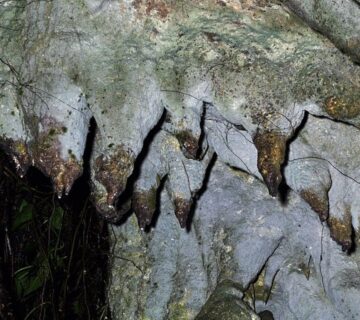
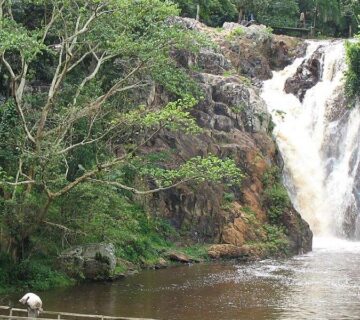
Guided nature walks are the primary activity here, led by experienced and knowledgeable Uganda Wildlife Authority rangers. There are several well-developed trails, each traversing different habitats and offering unique encounters. The Sitatunga Trail, as the name suggests, offers the best chance of spotting the reserve’s signature antelope, winding through savannah and along the river’s edge. The Kyeibale Trail is a circular hiking route that takes you through scrubland and forests, past intriguing rock formations, while the Kisharara Trail leads through savannah to the wetland canal, following the river and its tributaries through varied ecosystems.
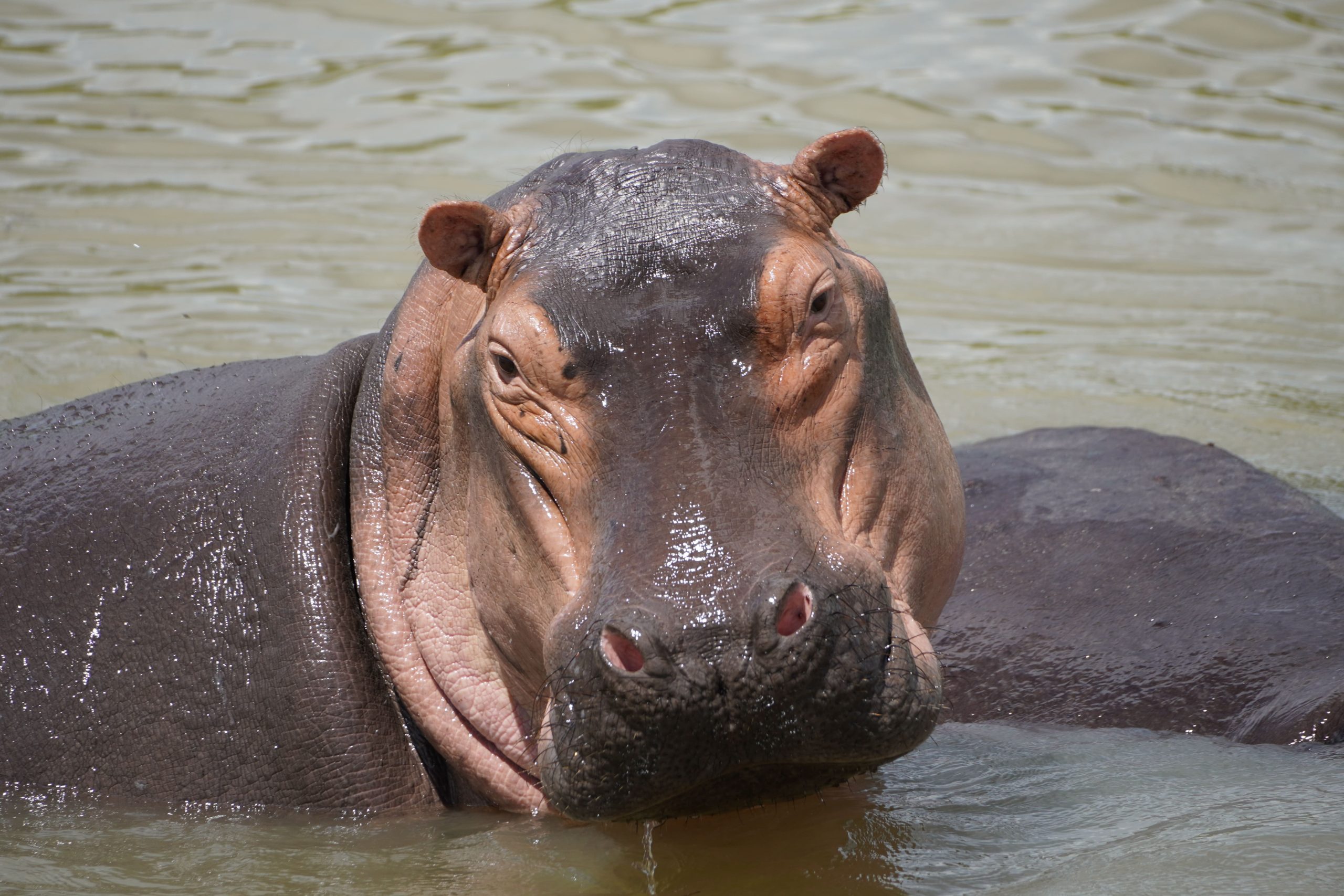
For a completely different perspective, a canoe safari on the Katonga River is an absolute must. This is perhaps the most distinctive and memorable activity Katonga has to offer. Paddling silently through papyrus channels and open water, you are at eye level with the water and its inhabitants. This is where you are most likely to encounter the reserve’s hippo population, which can be a thrilling experience as they surface nearby with a snort and a splash. The canoe also provides exceptional birdwatching opportunities, as many waterbirds are less wary of a silent paddle boat than they are of people on foot. The sensation of drifting through this pristine wilderness, with only the sound of your paddle dipping into the water and the calls of birds around you, is an experience that stays with you long after you have left.
Beyond the Big Names: A Diverse Ecosystem
While the sitatunga and hippos may be the headline acts, Katonga is home to a surprising diversity of wildlife that makes every excursion a journey of discovery. The reserve’s varied habitats, ranging from open savannah and grasslands to dense papyrus swamps and riverine forests, support a rich tapestry of life. Among the larger mammals that have returned to the reserve are zebras, bushbucks, waterbucks, and the ever-energetic warthogs. The introduced impala herds have flourished and are now a common sight, adding to the savannah experience. For those with a keen eye, the reserve also harbors smaller primates like the black-and-white colobus monkeys and vervet monkeys, which can be spotted swinging through the trees along the riverbanks.
The Katonga River itself is a lifeline for the ecosystem, attracting a magnificent array of birdlife. The reserve is a birdwatcher’s paradise, with over 300 recorded species that include both forest and swamp specialists. You might spot the striking African fish eagle perched high above the water, the colorful malachite kingfisher darting along the riverbanks, or the prehistoric-looking shoebill stork, a sought-after sighting for any serious birder. The papyrus gonolek, a bird endemic to papyrus swamps of central Africa, is another special find for those exploring the wetland areas. The abundance of birds, from the great blue turaco to the long-toed lapwing, adds layers of color and sound to the Katonga experience, making it a destination that appeals to wildlife enthusiasts of all kinds.
A Sanctuary of Solitude
One of the most compelling reasons to visit Katonga Wildlife Reserve is the profound sense of solitude it offers. In an age where popular tourist destinations are often overcrowded, with queues for every viewpoint and trails teeming with visitors, finding a place where you can truly feel alone in nature is a rare and precious gift. Katonga provides exactly that. Because it lacks the big-ticket draw of a mountain gorilla trek or the large predator populations of other parks, it remains blissfully off the mainstream tourist radar. On any given day, you might be the only visitor in the entire reserve, sharing the vast landscape only with the wildlife and the dedicated rangers.
This lack of crowds completely transforms the quality of your experience. The silence is profound, allowing you to hear the subtle sounds of the bush. There is no rush to compete for a viewing spot, no pressure to move on to the next item on an itinerary. You can linger at a sighting for as long as you wish, soaking in the moment without interruption. Walking through the savannah with a ranger, with no other human presence in sight, creates a feeling of discovery that is reminiscent of the great explorers of a bygone era. It is an intimate, personal connection with the wild that is increasingly hard to find in our modern, hyper-connected world.
The Perfect Time to Visit
The timing of your visit to Katonga can significantly influence your experience, and like most of Uganda, the reserve has distinct wet and dry seasons. The dry seasons, which generally run from December to February and then again from June to August, are considered the best times for wildlife viewing. During these months, the vegetation is less dense, making it easier to spot animals, and the wildlife tends to congregate around remaining water sources like the Katonga River. Trails are also drier and more accessible for walking safaris, and canoeing conditions are generally pleasant.
The wet seasons, from March to May and September to November, bring a different kind of beauty to the reserve. The landscape transforms into a lush, vibrant green, and birdlife is at its most active, with many species breeding during this time. However, the trails can become muddy and more challenging to navigate, and some areas may become inaccessible. Regardless of the season, early mornings and late afternoons are the prime times for game viewing, as animals are most active during the cooler parts of the day, and the soft golden light makes for beautiful photography. Each season offers a unique perspective, and the choice ultimately depends on whether you prioritize easier walking conditions and concentrated wildlife viewing or the vibrant beauty of the lush rainy landscape.
A Note on Logistics and Ethical Travel
Visiting Katonga requires a bit more planning than a standard safari, but this is part of its charm. The reserve is accessible by road from Kampala via Mbarara, a journey of approximately four to five hours that takes you through some of Uganda’s beautiful rolling countryside. The reserve headquarters, located at the small trading center of Nkongwe, serve as the starting point for all activities. Accommodation options within the reserve are limited, reflecting its untouched nature. You can find comfortable tented camps and basic lodges that offer a rustic but fulfilling experience, as well as designated campsites for those who prefer to sleep under the stars.
It is crucial for visitors to arrange their activities, including guided walks and canoe safaris, in advance through the Uganda Wildlife Authority headquarters. This ensures that rangers are available to lead you safely through the reserve. As a responsible traveler, it is also important to remember that you are a guest in a fragile ecosystem. Following the guidance of your ranger, maintaining a respectful distance from wildlife, and adhering to leave-no-trace principles are essential to preserving Katonga for future generations. The reserve’s resurgence is a story of hope, and by visiting and supporting it, you are contributing directly to its continued conservation.
A Unique Chapter in the African Story
Katonga Wildlife Reserve offers a unique chapter in the grand African safari narrative. It is a place where the echoes of a difficult past are fading, replaced by the sounds of a recovering wilderness. It offers an antidote to the conventional safari, stripping away the luxury and the crowds and replacing them with authenticity and connection. Here, you are not a spectator in a vehicle, but a traveler on foot, navigating the terrain with your senses fully engaged. The elusive sitatunga, the wallowing hippos, and the chorus of birds are not just attractions; they are the characters in a living landscape that you are privileged to witness. For the traveler who seeks a deeper, more personal encounter with Africa’s wild heart, a place where solitude is abundant and every sighting feels like a secret, Katonga is an invitation to step into a world of profound peace and beauty, a world that is waiting to be rediscovered.