Tanzania vs Uganda Chimpanzee Trekking: Mahale vs Kibale Compared
Introduction to Two Distinct Experiences
Choosing between chimpanzee trekking in Tanzania’s Mahale Mountains and Uganda’s Kibale National Park is not a simple matter of comparing prices or success rates. These two destinations offer fundamentally different experiences that cater to different types of travelers. Uganda’s Kibale National Park is renowned as the Primate Capital of the World, offering high success rates, excellent infrastructure, and a straightforward trekking experience that appeals to first-time visitors and families. Tanzania’s Mahale Mountains, by contrast, offers one of Africa’s most remote and exclusive wildlife encounters, where reaching the chimpanzees is as much an adventure as seeing them. Understanding these differences is essential for making the right choice for your safari.
Where They Are Located and How to Get There
The most striking difference between these two destinations is their accessibility. Kibale National Park is located in western Uganda, approximately a five-hour drive from Kampala or Entebbe, and can be reached by road with relative ease. The park has well-maintained roads and established tourism infrastructure, making it a convenient stop on a wider Ugandan safari circuit. Many travelers combine Kibale with gorilla trekking in Bwindi Impenetrable National Park or game drives in Queen Elizabeth National Park.
Mahale Mountains National Park is a different story entirely. Located in western Tanzania on the eastern shore of Lake Tanganyika, Mahale is one of the most remote national parks in Africa. Access requires a charter flight on a small aircraft to a local airstrip, followed by a boat journey across the lake to the park itself. The park has no roads, and all travel within it is done on foot. This remoteness is both a challenge and a major attraction, offering visitors a sense of true wilderness that few places on Earth can match. For travelers with limited time or those looking for a more straightforward experience, Kibale is the clear winner. For adventurers seeking exclusivity and seclusion, Mahale is unmatched.
Chimpanzee Populations and Trekking Success
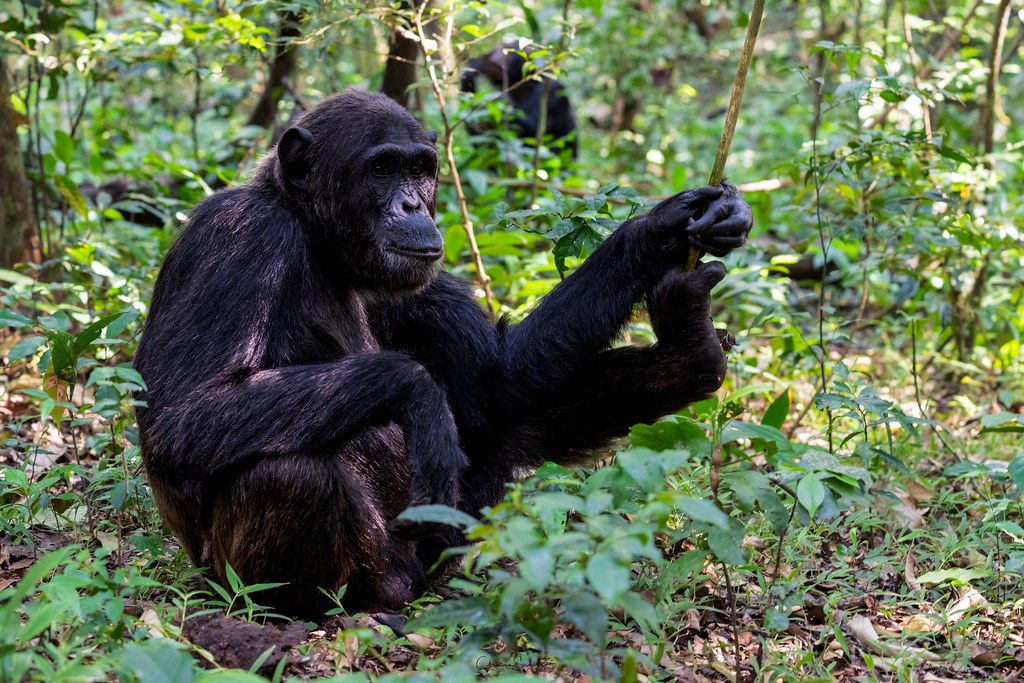
Both destinations offer excellent chimpanzee viewing, but the nature of the experience differs. Kibale National Park is home to the highest concentration of chimpanzees in East Africa, with over 1,500 individuals living in its forests. There are 13 habituated chimpanzee communities available for trekking, and the success rate for sightings is exceptionally high, often exceeding 95 percent. This reliability makes Kibale the preferred choice for travelers who want the greatest possible chance of seeing chimpanzees.
Mahale has a smaller population of habituated chimpanzees, with encounter rates estimated at 85 to 90 percent. However, the experience in Mahale is often more intimate. The smaller number of visitors means groups are smaller, and the encounters can feel more personal. One traveler described observing a courtship ritual between a male and female chimpanzee, noting the thrill of watching them at close range with only a handful of other people present. Mahale’s chimpanzees are also among the best-studied populations in Africa, adding a layer of scientific significance to the experience.
The Terrain and Physical Demands
The physical demands of chimpanzee trekking vary considerably between these two locations. Kibale’s terrain is relatively gentle, with moderate hills and well-maintained forest trails. The trek to find chimpanzees can take anywhere from 30 minutes to several hours, depending on where the chimps were located that day. Most travelers with a reasonable level of fitness can manage the walk, and porters are available for hire to assist those who need extra help. This accessibility makes Kibale suitable for families with older children and less experienced hikers.
Mahale is a much more physically demanding destination. The Mahale Mountains rise to over 8,000 feet, and treks often involve steep climbs through dense forest. In some seasons, treks can last a full day. The terrain is challenging, and a good level of fitness is essential. Trackers run ahead to locate the chimpanzees and then radio back to the base, so trekkers can be directed to the nearest point. However, the difficulty is part of what makes the experience so rewarding for adventurous travelers. Anyone considering Mahale should be prepared for strenuous hiking in humid conditions.
Standard Trekking vs Habituation Experiences
Both Kibale and Mahale offer different ways to experience chimpanzees. The standard chimpanzee trek in Kibale involves finding a habituated group and spending one hour observing them. This is the most common experience and suits most travelers. Kibale also offers a unique Chimpanzee Habituation Experience, where visitors can spend up to four hours with a chimpanzee community, observing their behavior alongside researchers. This deeper experience is ideal for those who want to learn more about chimpanzee social dynamics.
Mahale is primarily known for its habituation experiences, where visitors observe chimpanzees that are in the process of becoming accustomed to human presence. This can result in longer and more intimate encounters, though the experience is less predictable than a fully habituated trek. The wilder nature of the Mahale experience is part of its appeal for seasoned wildlife travelers.
Costs and Permits
Permit costs are an important factor in planning a chimpanzee trek. Uganda’s Kibale National Park charges approximately $250 per person for standard chimpanzee trekking permits, with the habituation experience priced slightly higher at around $300. These fees support conservation efforts and community development projects in the area.
Tanzania’s Mahale Mountains National Park charges lower permit fees, typically between $100 and $150 per person. However, the overall cost of a Mahale trip is considerably higher due to the logistics involved. Charter flights to the remote airstrip, boat transfers, and accommodation at exclusive lodges add significantly to the total. All-inclusive packages at Mahale often exceed $800 to $1,200 per day. For budget-conscious travelers, Kibale offers much better value, while Mahale represents a premium, once-in-a-lifetime investment.
Accommodation and Facilities
Kibale offers a wide range of accommodation options, from budget campsites to mid-range lodges and luxury eco-lodges near Kanyanchu, the park’s main trekking hub. The area has developed tourism infrastructure, with restaurants, shops, and other amenities available in nearby Fort Portal.
Mahale’s accommodation is limited but spectacular. The most famous lodge is Greystoke Mahale, a beautiful camp on a white sand beach on Lake Tanganyika, with the forested mountains rising behind it. The camp offers just a handful of rooms, ensuring an exclusive experience. Activities beyond chimpanzee trekking include kayaking, swimming, forest walks, and dhow trips on the lake. The setting is extraordinary, but the limited accommodation means booking well in advance is essential.
Combining with Other Safari Activities
One of Kibale’s major advantages is its proximity to other outstanding attractions. Travelers can combine chimpanzee trekking with gorilla trekking in Bwindi Impenetrable National Park, game safaris in Queen Elizabeth National Park, or birdwatching in the Bigodi Wetland Sanctuary. This makes Kibale an excellent base for a comprehensive Ugandan itinerary.
Mahale is more isolated. While the park itself offers a range of activities, including hiking to sacred peaks and exploring the lake, combining Mahale with other Tanzanian parks like the Serengeti or Ngorongoro Crater requires significant travel time and expense. For travelers who want to see a wider range of East African wildlife, Kibale is the more practical choice.
Best Time to Visit
Both destinations can be visited year-round, but seasonal considerations affect the experience. The dry seasons, from December to February and June to August, offer the best trekking conditions in both countries, with less mud and easier hiking. In Kibale, the wet seasons are also manageable, and the lush forest can be spectacular, though trails become slippery and sightings can be more challenging. Mahale’s remoteness makes weather conditions more critical, as heavy rain can make the forest trails treacherous and even affect access.
Who Should Choose Which Destination
Kibale National Park is the ideal choice for most travelers. It offers high success rates, moderate physical demands, good value for money, and the ability to combine with other activities. It is particularly well-suited for first-time safari-goers, families with children over 12, and travelers with limited time or budget.
Mahale Mountains National Park is for the adventurous traveler seeking an exclusive, off-the-grid experience. It is best for those who have already experienced more accessible safari destinations, who are physically fit, and who are willing to invest time and money for a truly remote wilderness encounter. The journey to Mahale is challenging, but for those who make it, the reward is one of Africa’s most intimate wildlife experiences.
Conclusion: Making Your Choice
Choosing between Mahale and Kibale ultimately comes down to what you value most in a travel experience. If you prioritize reliability, accessibility, and value, Kibale is the clear winner. If you are drawn to remoteness, exclusivity, and adventure, Mahale offers something truly special. Both destinations provide unforgettable encounters with chimpanzees, but they do so in ways that are fundamentally different. Understanding these differences is the key to planning a chimpanzee trekking experience that matches your expectations and creates memories that will last a lifetime.