Chimpanzee Tool Use Explained: What It Tells Us About Intelligence
A Moment That Changes Everything
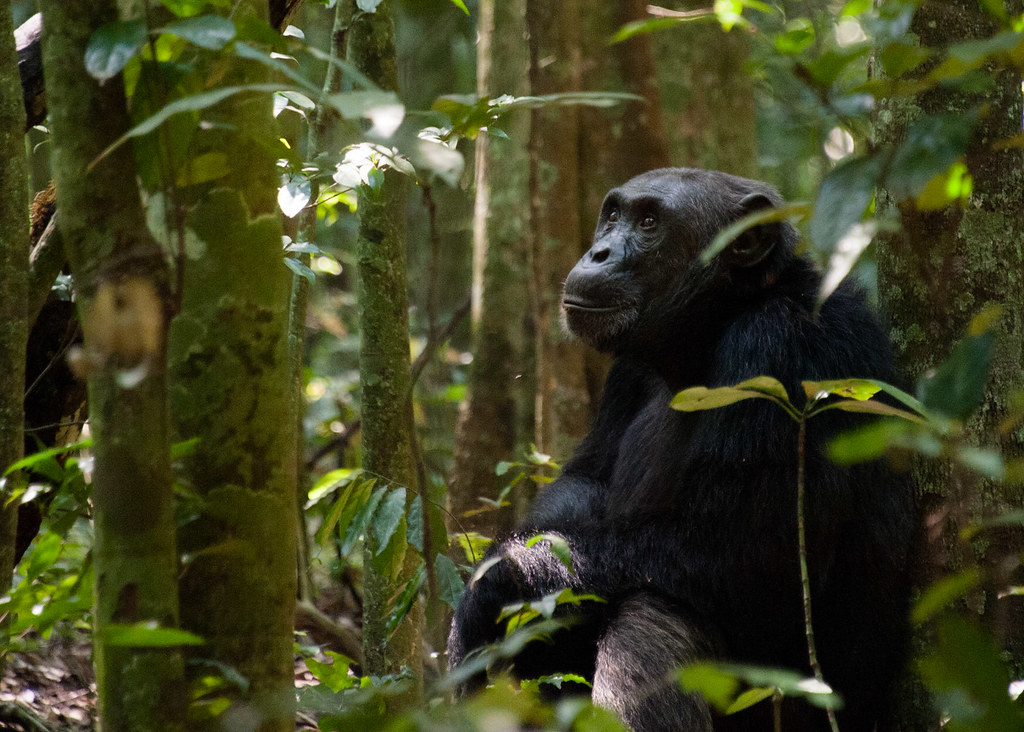
The first time I watched a chimpanzee use a tool, I wasn’t watching a nature documentary. I was sitting in a forest in Uganda, watching a wild chimp carefully select a slender branch, strip its leaves, and poke it into a termite mound. She didn’t just grab any stick. She tested it, bent it, adjusted her grip. Then she waited. When she pulled it out, termites were clinging to it, and she ate them with the calm satisfaction of someone who had done this a thousand times before. That moment changed how I think about intelligence. Not because the chimp was doing something humans can’t do. But because she was doing something humans do—using tools, planning ahead, learning from others—in a way that felt deeply familiar. The more I learned about chimpanzee tool use, the more I realized that these behaviors are not just clever tricks. They reveal something profound about the evolution of intelligence itself and about our own place in the natural world.
The Toolkit of the Wild Chimpanzee
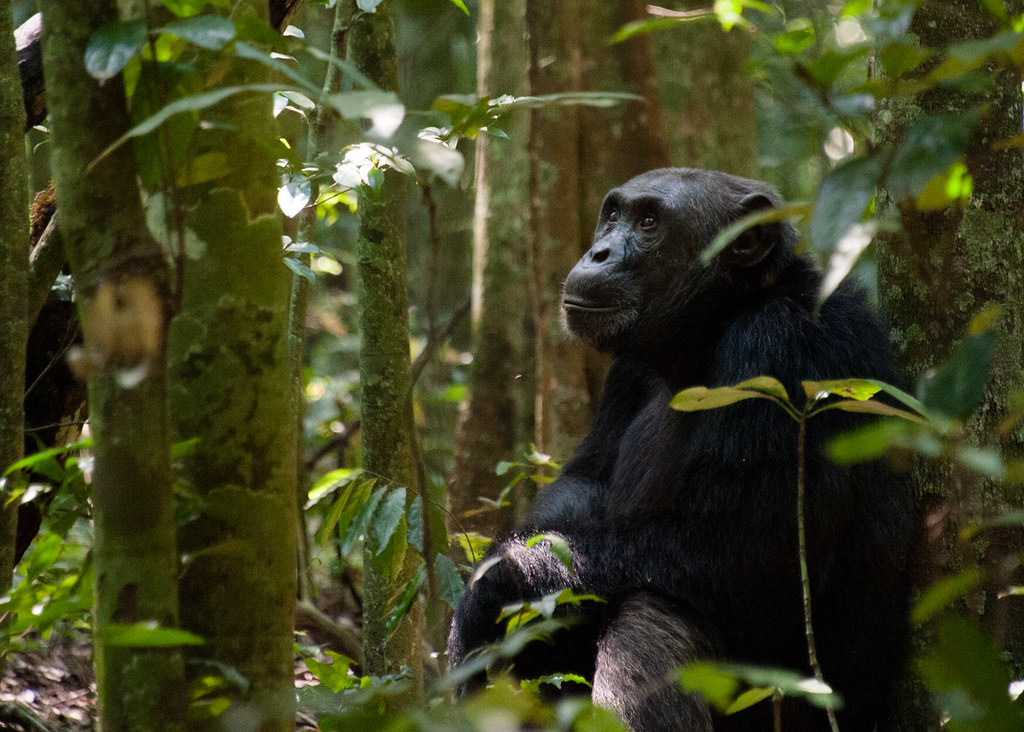
Chimpanzees are the most accomplished tool users in the animal kingdom, apart from humans. They use tools for foraging, hunting, hygiene, comfort, and even communication. The range of their tool use is extraordinary and varies across different populations in Africa. Some groups use stone hammers and anvils to crack open hard-shelled nuts, a behavior that requires careful selection of raw materials and considerable skill. Others fashion fishing probes from herbaceous plants to extract termites from underground nests, a technique known as termite fishing. Some chimpanzees in Central Africa use multiple tool types in sequence, first using a woody puncturing stick to create a tunnel, then a flexible fishing probe to extract the insects. This sequential use of different tools for a single task is rare in the animal kingdom, and it requires the chimpanzee to mentally represent multiple future steps. Tool use is not limited to foraging either; chimpanzees use leaves as sponges to drink water, branches to pound open beehives, and leafy twigs as fans to swat insects away from their faces. In some communities, they use sticks to groom each other’s fur, showing that tools serve social purposes too. Across different populations, distinct cultural traditions emerge, with some groups using tools that others do not, which is a clear sign that these behaviors are learned and passed down through generations.
What Tool Use Reveals About the Chimp Mind
The most remarkable thing about chimpanzee tool use is not the tools themselves. It is what they reveal about the cognitive abilities behind them. When researchers studied chimpanzees in the Goualougo Triangle, they documented individuals transporting multiple fishing probes to termite nests, sometimes carrying several tools at once. This behavior suggests that the chimpanzees anticipate that a single probe might not last through an entire foraging bout or that they might need to share with others. They also transport specific tool types based on availability and necessity, bringing tools from locations that are out of sight of the nest. This is not reflex; it is foresight. Chimpanzees also demonstrate remarkable flexibility in their tool use. They adjust their hand grips based on the task at hand, using power grips for pounding actions and more delicate intermediate grips for precision work. Adults are particularly skilled at this, choosing the right grip for the right job. This flexibility reflects a sophisticated understanding of cause and effect, showing that the chimpanzees are not just following instinct but are actively thinking about what they are doing.
Learning and Social Transmission
Tool use in chimpanzees is not innate; it takes years to master. Young chimpanzees learn by observing others, and researchers have identified a behavior called “peering,” where immature chimpanzees closely watch adults at close range. This peering functions primarily to acquire information rather than to get food. It increases with the complexity of the task, suggesting that harder skills require more careful observation. The process of learning is gradual, with young chimps starting with simple manipulations and slowly building up to the full sequence of actions required for complex tool use. It takes about fifteen years or more for young chimps to reach adult levels of proficiency. They observe others, practice, make mistakes, and gradually improve. The biomechanical aspects of tool use develop relatively early, with chimps able to manipulate sticks by age two. But the cognitive aspects take much longer, especially when tasks involve hidden foods like larvae inside logs. Extracting larvae requires not just manual skill but also understanding that the food exists even when you cannot see it. The role models for learning change throughout development, with young chimps learning from multiple tolerant individuals, and a supportive social environment is key to acquiring and retaining complex tool traditions.
What This Tells Us About Human Evolution
Chimpanzees are our closest living relatives, and their tool use offers a window into our own evolutionary past. The fact that chimpanzees can plan, learn, and flexibly use tools suggests that the cognitive foundations for human technology were already present in our last common ancestor, which lived about six to eight million years ago. This does not mean that chimpanzees have human-like minds. But it does mean that the building blocks of human intelligence—planning, social learning, and causal reasoning—are not uniquely human. They evolved gradually, building on capacities that were already present in our distant ancestors. What makes humans different is not just our ability to use tools but the complexity of our technology, its cumulative nature, and the powerful feedback loop between tool use and brain evolution. However, the roots of that process can be seen in every chimpanzee carefully selecting the right stick, adjusting her grip, and fishing for termites with patient skill.
Thought
When I think about that chimpanzee in Uganda, I do not just see an animal using a tool. I see a mind at work. A mind that plans, learns, and adapts. A mind that is different from ours but also deeply similar. Chimpanzee tool use is not just a fascinating behavior. It is a reminder that intelligence is not an all-or-nothing trait. It is a spectrum, and we share it with our closest relatives. In their careful choices, their patient learning, and their flexible problem-solving, we can see the faint echoes of our own cognitive journey. The next time you watch a chimpanzee using a tool, pay close attention. You are not just watching an animal. You are watching a process that took millions of years to evolve, and you are watching it happen right in front of you. It is a humbling and inspiring experience that deepens our appreciation for the natural world and our place within it.