How Mountain Gorillas Communicate Without Speaking
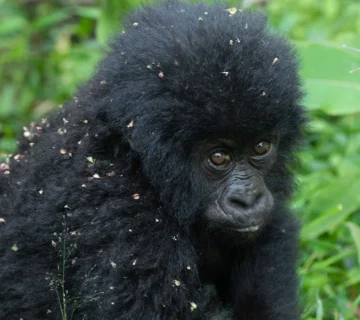
The first time I heard a gorilla laugh, I thought I was imagining it. We were trekking in Bwindi. A baby gorilla was tumbling down a small slope — not falling, just rolling on purpose, over and over, like kids do when they’re bored and entertaining themselves.His mother watched for a minute. Then she made a sound.
Not a grunt. Not a hoot. Something softer. A rhythmic, breathy sound. “Hmm hmm hmm hmm.”The baby looked up. Made the same sound back. Then climbed onto her back.The ranger next to me whispered, “She’s laughing.”
I stared at him. “Gorillas laugh?”He smiled. “They laugh. They cry. They argue. They apologize. They just don’t use words. That moment changed how I watch gorillas.
Before that, I saw them as animals. Magnificent, intelligent, endangered animals. But still… animals. After that, I started seeing them as beings. With personalities. With relationships. With a language I couldn’t speak, but could sometimes understand. Here’s what I’ve learned since.
The 25 Sounds You’ve Never Heard
Researchers have documented about 25 distinct gorilla vocalizations.
That’s not a lot compared to humans. We have thousands of words. But gorillas don’t need thousands. They live in small, stable family groups. They know each other. They don’t need to discuss the weather or debate politics.
They just need to say:
“Danger.”
“Food here.”
“Come closer.”
“Back off.”
“I’m happy.”
“I’m annoyed.”
“Where is my baby?”
“Stop that.”
Here are the ones you’re most likely to hear during a trek.
Grunt. The most common sound. Short. Low. Means “I’m here” or “everything is fine.” Gorillas grunt constantly while moving, eating, resting. It’s like a GPS ping. Everyone knows where everyone else is.
Barks. Sharp. Loud. A warning. Something is wrong. Maybe another gorilla group is nearby. Maybe there’s a leopard. Maybe a tourist got too close. When a silverback barks, everyone freezes.
Roars. Deep. Long. This is aggression. A silverback who roars is about to do something. Back away slowly.
Screams. High-pitched. Usually from females or juveniles. They’re scared, hurt, or panicking. A baby separated from its mother will scream. It’s heartbreaking to hear.
Hooting. A series of rising sounds. “Hoo hoo hoo hoo.” Gorillas hoot when they’re excited or curious. New food source. Strange object. Interesting tourist. Hooting often leads to chest beating.
Chest beats. Not a vocalization, but it’s communication. Loud. Carries for over a kilometer. Means “I’m here, I’m big, don’t try anything.” Silverbacks chest-beat to warn other males. Females do it too, but rarely. Juveniles practice — it sounds like someone hitting a cardboard box.
Belches. Yes, belches. Deep, rumbling belches. This sounds gross, but it’s actually a contentment sound. Gorillas belch when they’re relaxed, eating, resting. It means “all is well.” If you hear belching, the gorillas are comfortable with you nearby.The ranger told me something I’ll never forget.”If a silverback belches near you, he’s not being rude. He’s saying he trusts you.”I’ve never heard trust described that way before.
The Laugh (And Why It Matters)
I mentioned the laugh earlier. Let me tell you more about it.It’s not like human laughter. Louder. More breathy. A series of quick, soft exhalations. “Hmm hmm hmm hmm.”
Gorillas laugh when they’re playing. When they’re tickled. When something unexpected happens.Researchers have even recorded gorillas laughing in their sleep. Dreaming about something funny, maybe.But here’s what really got me.Gorillas laugh differently depending on who they’re with.
A baby laughing at its mother sounds one way. A juvenile laughing with a sibling sounds another way. A silverback laughing at something — rare, but it happens — sounds almost… warm.
The ranger told me about a silverback named Mishaya. Famous in Bwindi. Known for his temper.One day, a baby in his group was trying to climb a tree. Kept slipping. Kept trying. Fell several times.Mishaya watched for a while. Then walked over. Sat down. Watched the baby struggle some more.
And then, according to the ranger, he made the laughing sound.A silverback. Laughing at a clumsy baby.”That gorilla had a sense of humor,” the ranger said. “I’m sure of it.”I don’t know if gorillas have humor the way we do. But I know what I want to believe.
The Silent Language (What You Won’t Hear)
Not all gorilla communication makes noise.
Most of it is quiet. Subtle. Easy to miss if you’re not paying attention.
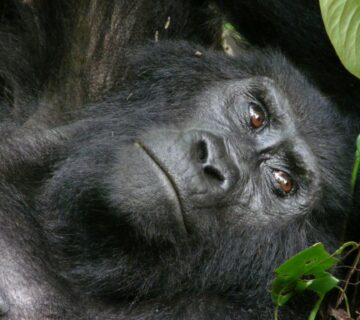
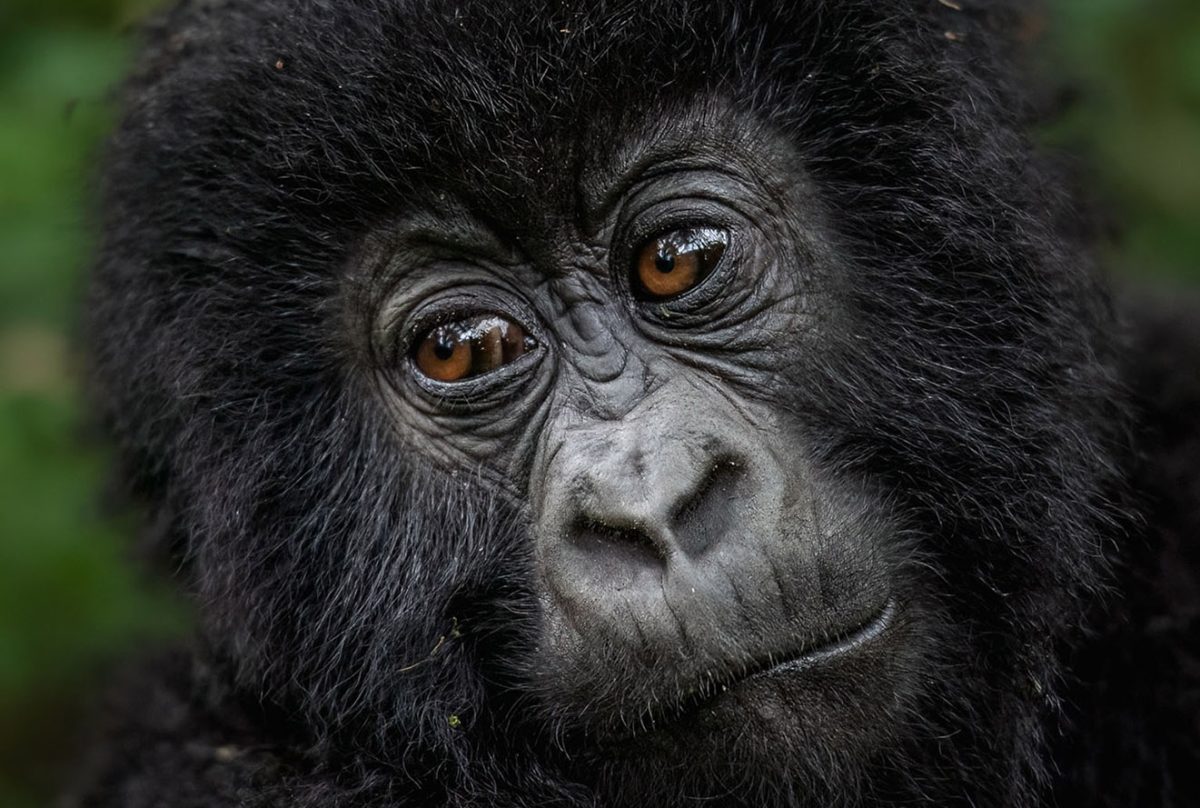
Eye contact. In gorilla world, staring is rude. A direct stare is a challenge. It means “I’m watching you and I don’t trust you.” That’s why guides tell you to look away, look down, avoid eye contact. You’re not being submissive. You’re being polite.
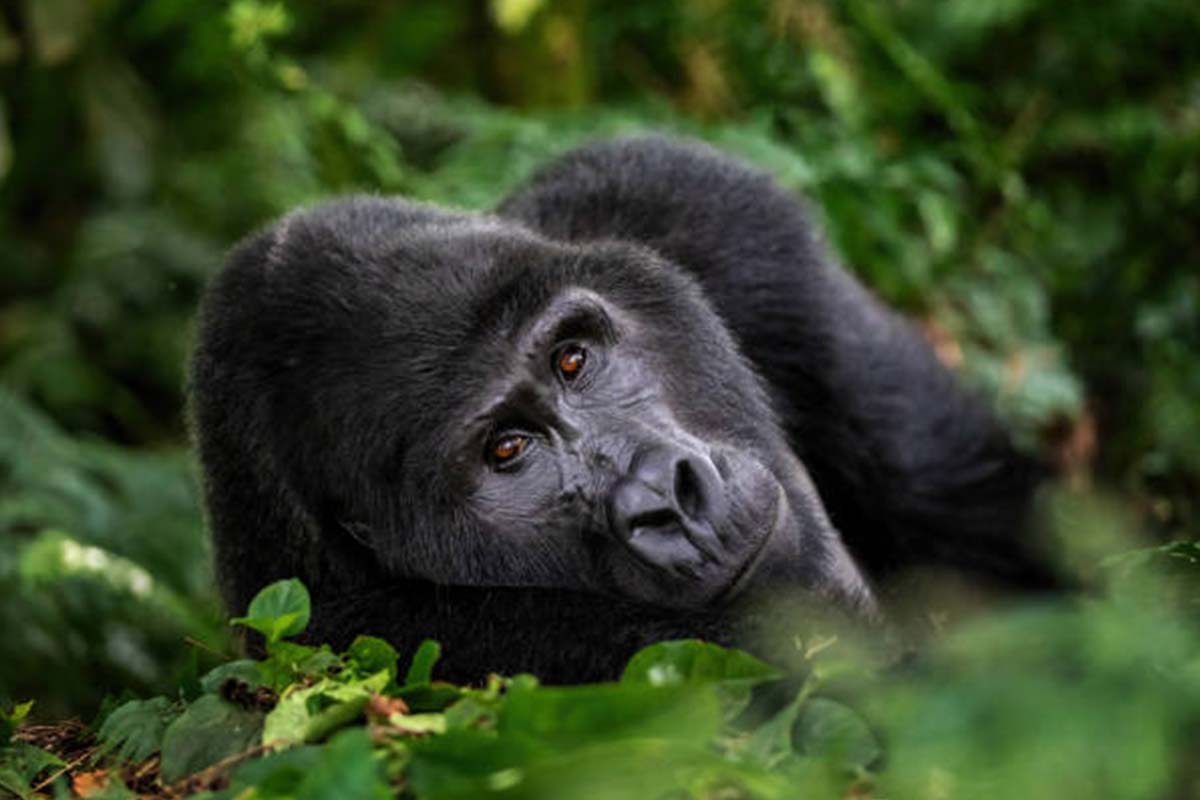
The silverback’s gaze. This is different. A silverback can stare at you without aggression. He’s not challenging. He’s just… watching. Assessing. Deciding whether you’re a threat. When a silverback stares at you, don’t move. Don’t stare back. Just be still. He’ll look away when he’s satisfied.
Body posture. A gorilla who stands tall, chest puffed, weight on back legs — that’s a display. He’s showing you how big he is. A gorilla who sits down, hunches slightly, looks away — that’s submission. He’s saying “you’re in charge.”
Touching. Gorillas touch constantly. Mothers groom babies. Silverbacks rest hands on females. Juveniles wrestle. Touching is reassurance. It means “we’re together, we’re safe, we’re family.”
The arm reach. A silverback will sometimes reach an arm toward a younger gorilla. Not grabbing. Just reaching. It means “come here” or “stay close.” It’s gentle. Protective. I’ve seen it happen. It looks exactly like a human parent reaching for a child.
Positioning. Where a gorilla sits or stands in relation to others matters. The silverback is always in the center or at the front — protecting. Mothers stay close to babies. Juveniles play at the edges. If a gorilla moves between you and another gorilla? That’s a statement. “This is my family. You don’t cross this line.”
The Argument (And the Apology)
Gorillas fight.Not often. But sometimes.Two silverbacks competing for dominance. A female annoyed at a juvenile who won’t stop pulling her fur. A mother correcting her baby.These arguments are loud. Barks. Roars. Chest beats. Sometimes actual physical fights — chasing, hitting, biting.
But here’s what surprised me.They apologize.After a fight, the gorillas don’t just ignore each other. They reconcile.The winner approaches the loser. Makes soft grunts. Grooms the loser’s fur. Touches them gently.
The loser responds with submissive postures. Looks away. Stays low.Within minutes, they’re eating side by side. The fight is over. They don’t hold grudges.Researchers call this “affiliative behavior.” I call it making up.I know humans who aren’t that good at apologizing.
The Mother-Baby Language (The Most Important One)
A gorilla baby is completely dependent on its mother for years.They need to communicate constantly. Silently. Instantly.Here’s how they do it.
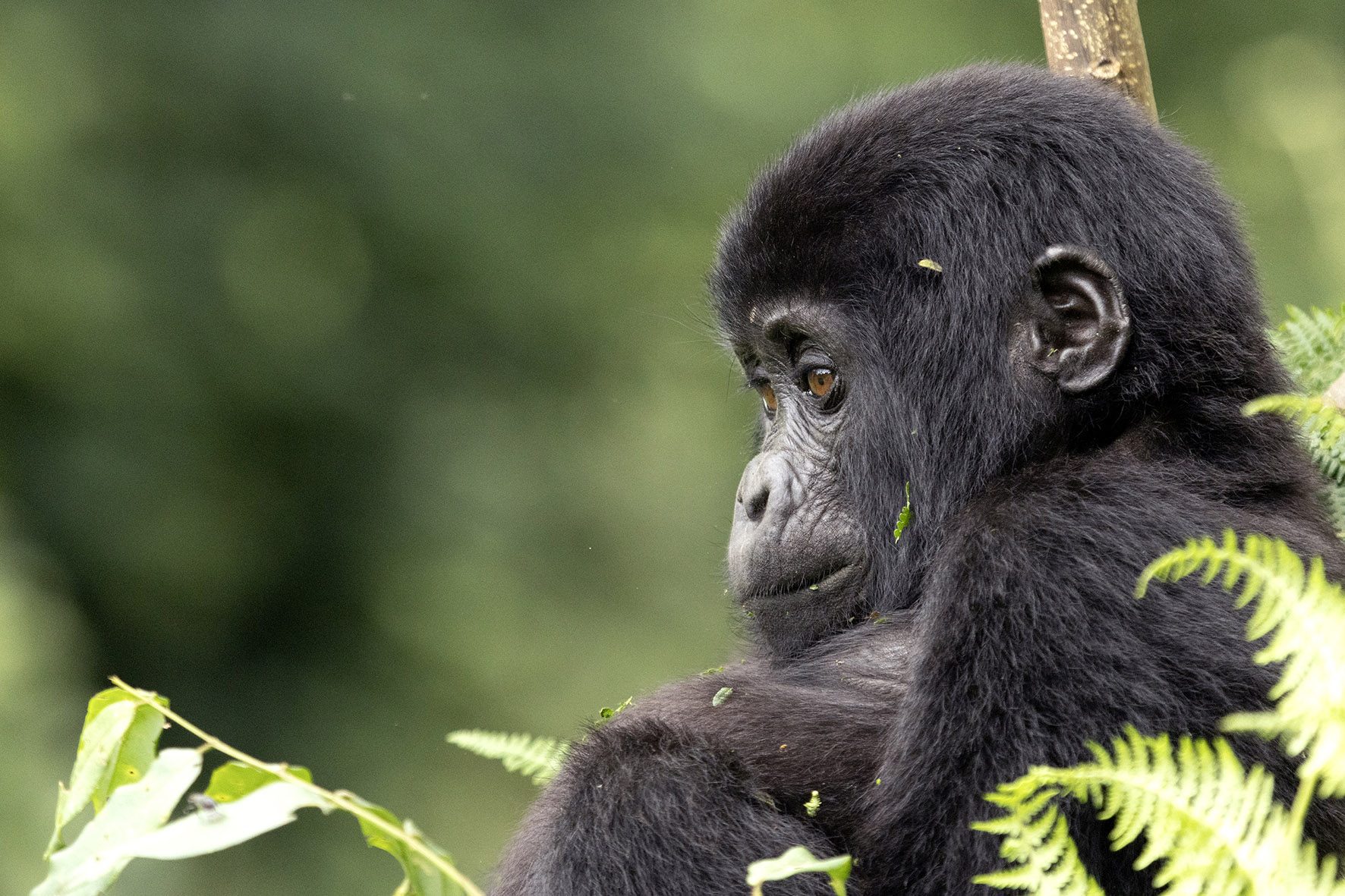
The stare. A baby stares at its mother’s face. The mother looks back. They hold eye contact. It’s not a challenge — it’s connection. The baby is saying “I see you.” The mother is saying “I see you too.”
The reach. Baby reaches an arm toward mother. Mother pulls baby closer. No sound needed.
The back ride. Older babies ride on their mother’s backs. They hold on with tiny hands. The mother reaches back occasionally to steady them. That touch says “I know you’re there. Hold tight.”
The cry. If a baby gets separated, even for a moment, it cries. A high-pitched, insistent sound. The mother responds immediately. Drops whatever she’s doing. Retrieves the baby. Grooms it. Calms it.
The weaning protest. When a mother starts weaning a baby — pushing it away from nursing — the baby throws tantrums. Whines. Pushes. Follows the mother everywhere. The mother ignores it patiently. This goes on for months.
I watched a mother once wean her baby. The baby kept reaching for her. She kept gently pushing the arm away. This happened maybe twenty times in an hour.The baby finally gave up. Sat nearby. Pouted.The mother reached over and groomed the baby’s head. Not giving in. Just… acknowledging.”Being a gorilla mom is hard work,” the ranger whispered.I believed him.
What the Silverback Says Without Words
The silverback is the leader. The protector. The decision-maker.
He doesn’t bark orders constantly. Most of the time, he’s quiet. Still. Watching.
But when he communicates, everyone listens.
Standing. When a silverback stands up — fully upright, not on all fours — that’s a signal. Something has his attention. The rest of the group looks. They wait.
Moving. When the silverback starts walking in a certain direction, the group follows. Not because he told them to. Because that’s how it works. He leads. They trust.
Positioning. If a silverback moves to the front of the group, facing outward, he’s scanning for danger. The females and babies stay behind him. He’s the shield.
A single grunt. Not a series. Just one. Short. Low. That’s “stop.” Everyone stops. Chewing stops. Playing stops. Moving stops. Then he grunts again. “Go.” And they go.
Sitting down. When the silverback sits, the group rests. He’s decided it’s safe. Everyone relaxes. Belches start. Babies tumble around. Mothers groom.
I asked a ranger once how the silverback makes decisions.”His family trusts him,” the ranger said. “They watch him. They wait. When he moves, they move. When he stops, they stop. That’s not force. That’s respect.”He paused.”Humans could learn something from that.”
How Gorillas Talk to Other Species
Gorillas don’t just communicate with each other.
They communicate with other animals too.
Warning other gorilla groups. The chest beat carries over a kilometer. It means “I’m here. This is my territory. Stay away.” Other groups hear it. They adjust their movements accordingly.
Talking to birds. Gorillas don’t “talk” to birds exactly. But birds listen to gorillas. When gorillas are calm and feeding, birds relax. When gorillas alarm-call — barks, roars — birds flee. They’ve learned that gorilla alarm calls mean danger is near.
Responding to other animals. Gorillas react to the alarm calls of other species. If monkeys start screaming about a leopard, gorillas notice. They become alert. They move away from the sound.And here’s something interesting.Gorillas have different responses to different animals.Leopard alarm? Everyone freezes. Silverback positions himself between the group and the threat.
Elephant nearby? They move away slowly. No panic. Just… respect.Human approaching? They’ve learned to recognize guides. Familiar voices, familiar smells. They don’t alarm-call for rangers. They do for unfamiliar tourists.They know who belongs. And who doesn’t.
What Tourists Do Wrong (Without Realizing It)
Most tourists don’t mean to upset the gorillas.
But they communicate in ways gorillas don’t understand.
Direct eye contact. I mentioned this earlier. Tourists stare because they’re amazed. The gorilla sees a challenge. The ranger has to step in.
Loud whispers. You think you’re being quiet. But that stage whisper — “Oh my god look at the baby!” — travels. Gorillas hear it. It makes them nervous.
Sudden movements. Reaching for a camera. Standing up too fast. Swatting a fly. Gorillas are prey animals. Sudden movements trigger their predator-detection instincts.
Pointing. Tourists point at gorillas. Gorillas don’t point. They don’t understand what the outstretched arm means. It confuses them.
Laughing. Not the gorilla laugh. Human laughter. Loud. Sharp. Gorillas don’t understand it. Some interpret it as aggression.
Here’s the rule I follow now.
Watch like you’re invisible.
Move slowly. Speak in a normal low voice, not a whisper. Avoid eye contact. Don’t point. Don’t laugh loudly. Just… be. Sit quietly. Let the gorillas forget you’re there.
When they forget you, they stop performing. They start being themselves.That’s when you see the real communication. The mothers and babies. The silverback’s quiet signals. The soft grunts and belches of a family at peace.
The Honest One
We want gorillas to communicate like us. They don’t. They don’t have words. They don’t have names. They don’t discuss the past or plan for the future. But they laugh. They argue. They apologize. They protect their babies. They trust their leaders. They comfort each other after a fight.
That’s not hum
an communication. But it’s not nothing.When I sat in the forest watching a gorilla mother groom her baby — the baby’s eyes half-closed, the mother’s fingers moving gently through the fur — I didn’t need words.Everything she needed to say was right there.
I love you. I’m here. You’re safe. No sound needed. Maybe that’s the lesson.We spend so much time talking. Arguing. Explaining. Texting. Posting. Commenting.Gorillas just… exist together. They communicate when they need to. The rest of the time, they’re quiet.
I’m not saying we should live like gorillas. But I’ve spent hours in that forest, in the silence between their sounds, and I’ve never felt more connected to another living thing.You don’t always need words.Sometimes you just need to sit still. Watch. Listen to the grunts and the belches and the soft breath of a sleeping baby.That’s enough.That’s everything.