Why Only About 1,000 Mountain Gorillas Remain (And What’s Actually Working to Save Them)
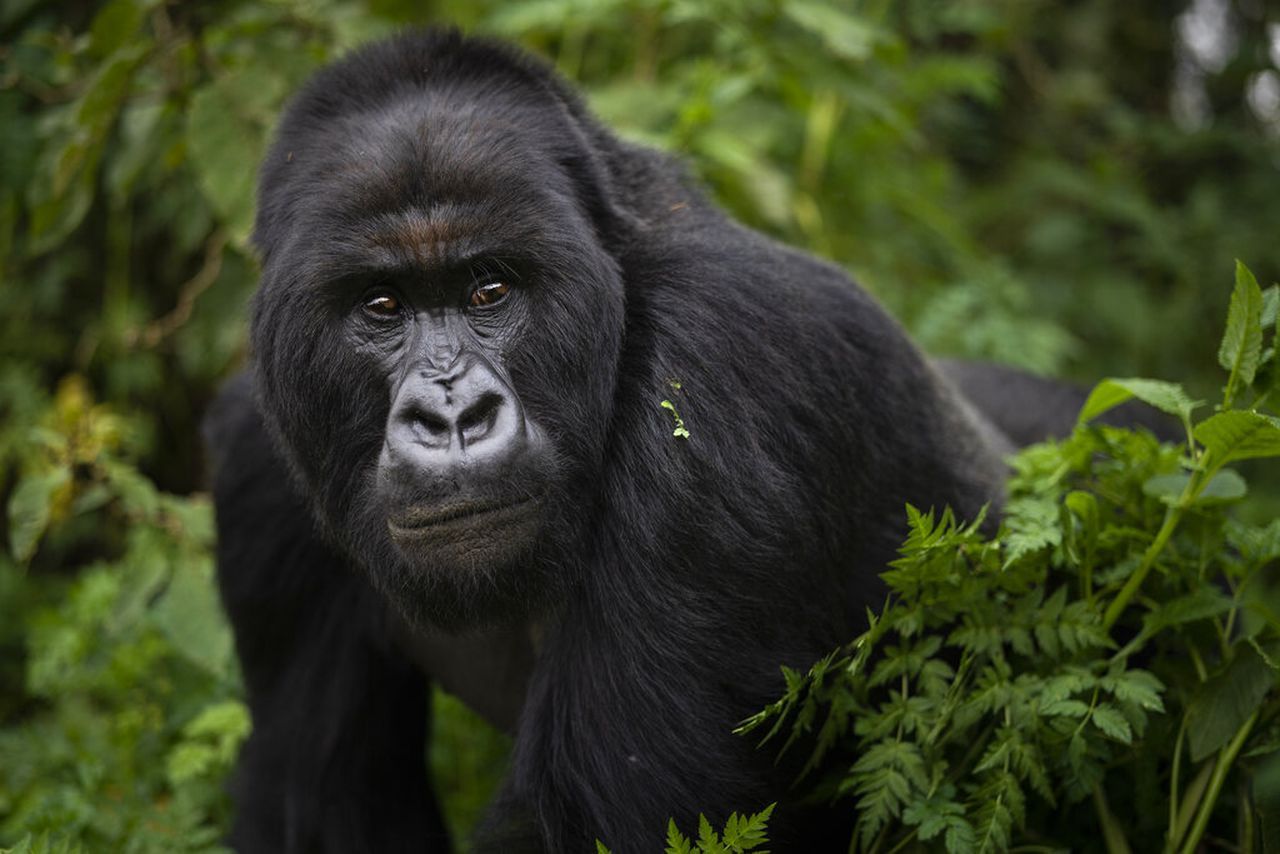
The first thing that hits you when you see a mountain gorilla in the wild isn’t how huge they are. It’s how familiar they feel.
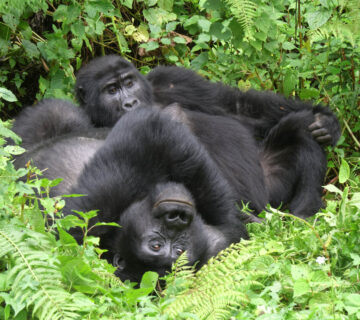
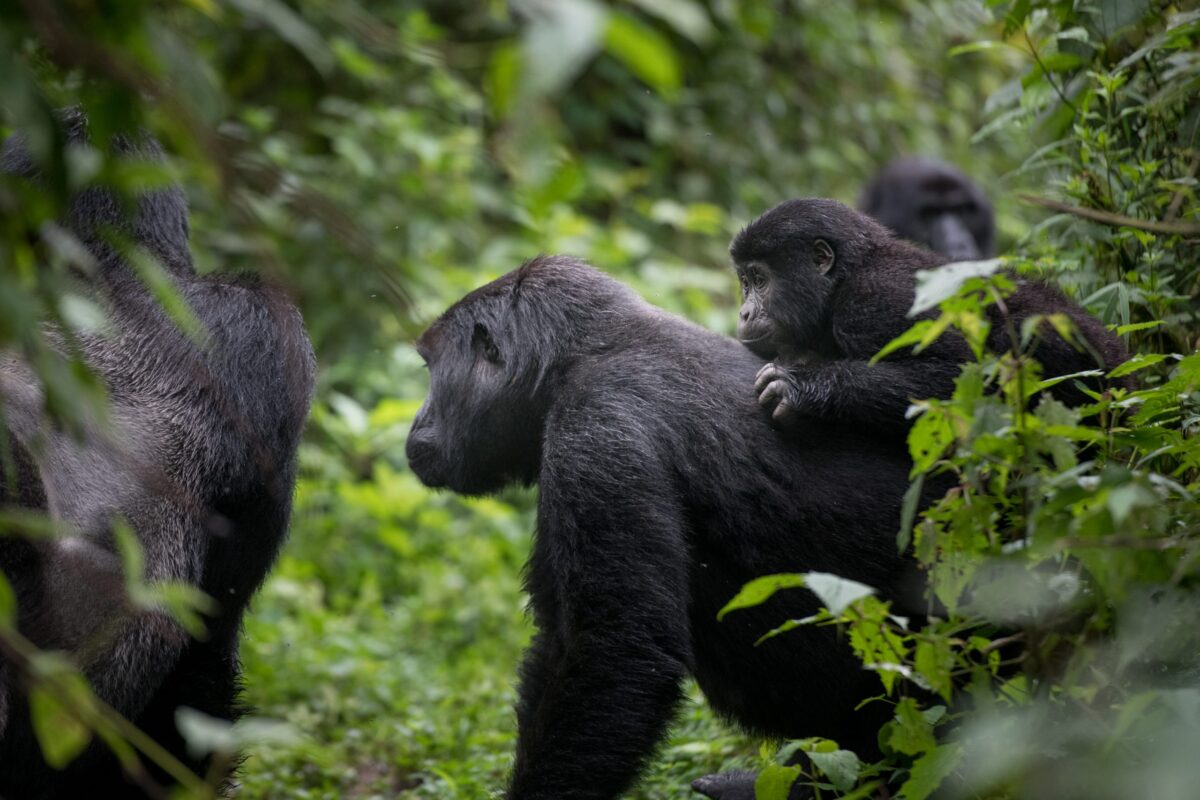
You watch a mama gorilla pull her baby closer. A little one stumbles through the bushes, totally goofing around. A massive silverback just sits there, calm as anything, keeping an eye on his whole family. For a second, it doesn’t feel like you’re watching animals. It feels like you’ve stumbled into someone’s living room.Then your guide drops a number that stops you cold.“There are only about 1,000 mountain gorillas left on the entire planet.”That number sounds impossible.
These guys are famous. They’ve been in documentaries, magazines, travel shows—you name it. People fly from halfway around the world just to see them. Most visitors figure there must be tens of thousands roaming around Africa’s forests.Nope.Not even close.Mountain gorillas are among the rarest creatures on Earth. And there was a time when experts honestly thought they’d be gone for good.
How Close They Came to Disappearing
It’s weird to think about now, especially when gorilla trekking is one of Africa’s biggest tourist draws.But a few decades ago? Things looked bleak.The forests gorillas depended on were shrinking. Human communities around the parks kept growing. More land meant more farms, more houses, less forest. Every year, the gorillas had less room to eat, move, and raise their kids.
Then there was poaching.Here’s the sad irony: most poachers weren’t even after gorillas. They set snares for antelopes, wild pigs—stuff you can eat or sell. But gorillas would wander into those same traps.Some lost hands. Others got horrific wounds.Many just died.When your entire population is already tiny, every single loss is a gut punch.
The Threat Nobody Thinks About
Ask most people what endangers gorillas, and they’ll say poachers.
Almost nobody says “the common cold.”But disease is one of the biggest dangers they face right now.Gorillas share something like 98% of our DNA. That closeness means they catch a lot of the same illnesses we do.Your mild flu? That could wipe out a gorilla family.No joke.That’s why the guides are so strict on treks. Keep your distance. If you’re sick, stay home. Rangers monitor gorilla health constantly.It might feel like overkill. But the gorillas need protecting from us just as much as we need protecting from the forest.
Why They Can’t Bounce Back Overnight
Another reason there are so few? Gorillas are slow breeders.
A female has one baby at a time. That kid depends on her for years.Unlike rabbits or mice that crank out litters, gorillas pour everything into raising each young one. You see it in how tight their families are—moms and babies, siblings playing, the silverback watching over everyone.It’s beautiful. But it’s also a huge problem if you’re trying to recover a population.Even under perfect conditions, numbers creep up at a snail’s pace.There’s no fast fix.
The Unsung Heroes
Every successful gorilla trek happens because of people you’ll never meet.Before sunrise, trackers head into the forest to find the gorilla families.Rangers patrol park borders to stop illegal activity.Veterinarians check on gorilla health and rush to help when someone gets hurt.
Researchers spend years just watching and learning.Local communities help protect the forest because they’ve learned that conservation actually benefits them.These people turned a hopeless situation around.Thanks to them, gorilla numbers are growing instead of falling.
The Tourist Dollars That Changed Everything
People are often shocked by the price of a gorilla permit.
“Why so expensive??”Then you get to the forest, and it makes sense.
That permit isn’t just a ticket. Part of it pays ranger salaries. Part funds conservation. Part covers vet care. Part goes to local communities near the parks.Every visitor is literally paying to protect gorillas.Without tourism, most of this work wouldn’t exist.Every permit sold is a vote for gorillas having a future.
Why You Get Only One Hour
Guides get asked this all the time: “Why only one hour with the gorillas?”
Simple answer: this isn’t about us.Imagine strangers showed up at your house every single day and stayed for hours. You’d get stressed out.The one-hour rule keeps gorillas relaxed and lets them live their normal lives.
Same logic behind the eight-person rule. Only eight visitors per gorilla family per day. Fewer people means less noise, less stress, less chance of passing on a cold.Also? It makes the experience way better.When you’re sitting quietly in the jungle watching a gorilla family just be a family, you don’t want a crowd around you.
Some Actual Good News for Once
Conservation stories are usually depressing.Species gone. Forests destroyed. Animals vanishing.Mountain gorillas are different.They’re proof that conservation can actually work.
Experts once thought these animals were doomed. Now their numbers are going up.Slowly. But up.That didn’t happen by accident. It happened because governments, nonprofits, locals, rangers, scientists, and travelers all pulled in the same direction.
But Don’t Pop the Champagne Yet
Even with all the progress, things are still fragile.
A thousand animals is nothing. One bad disease outbreak. More pressure on the forests. New threats nobody saw coming.The work never stops.Every ranger patrol. Every conservation project. Every traveler who follows the rules. Every permit bought.All of it matters.
So Here’s the Takeaway
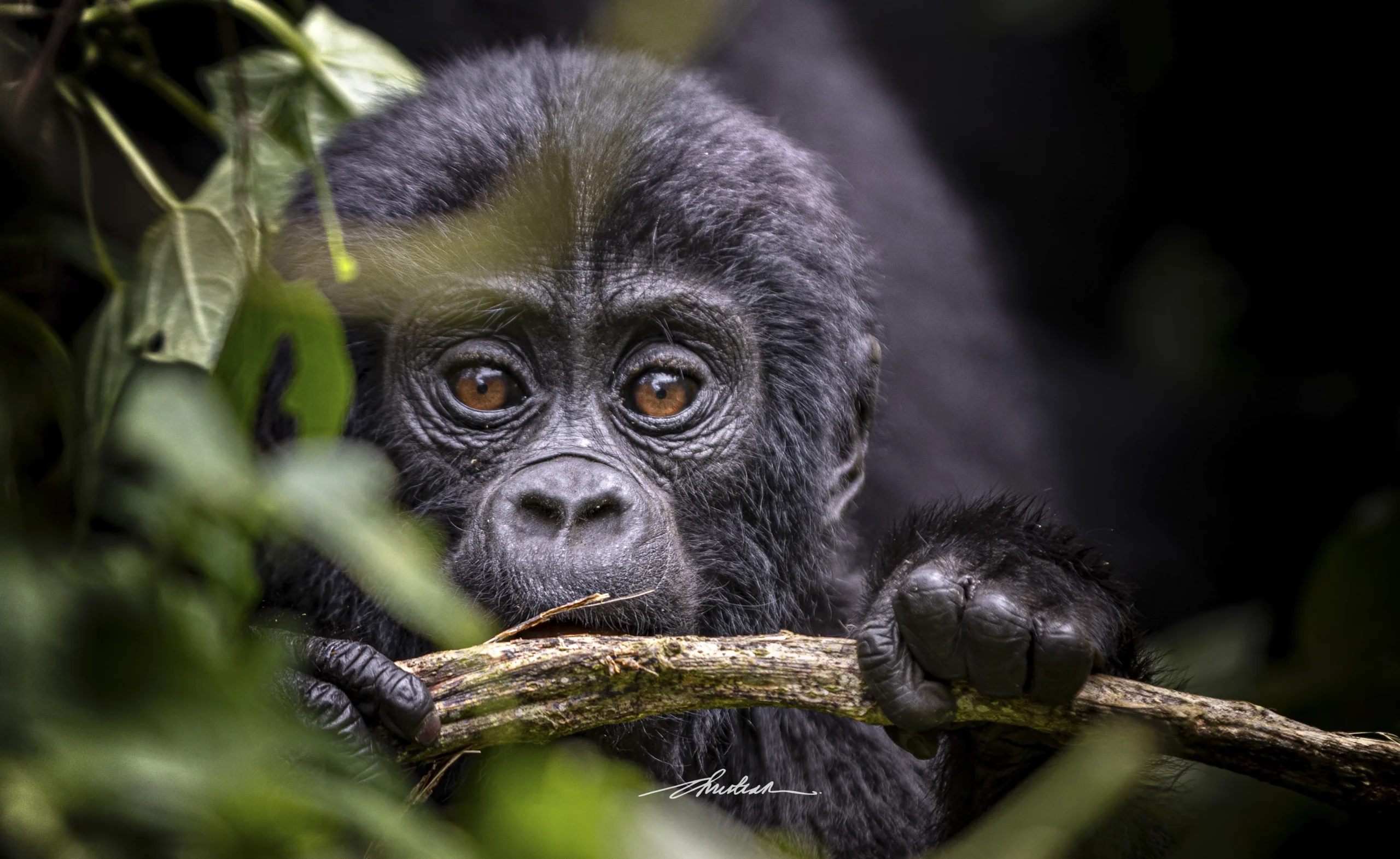
Next time you see a photo of a mountain gorilla, remember: you’re looking at one of the rarest great apes on Earth.Only about 1,000 remain.That number tells two stories. One is about how close they came to extinction. The other is about what happens when people decide a species is worth saving. And if you ever get lucky enough to visit Uganda, Rwanda, or Congo and spend an hour with a gorilla family, you’ll understand instantly why so many people have given their lives to protect them. Once you’ve looked into a mountain gorilla’s eyes in the wild? You can’t not care about what happens next.