How Gorilla Permit Allocation Works: Booking System & Waitlists Explained
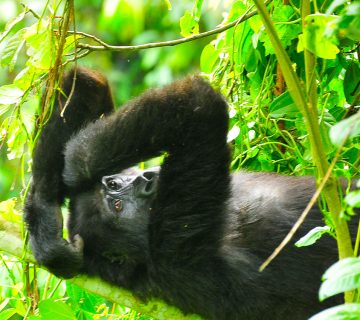
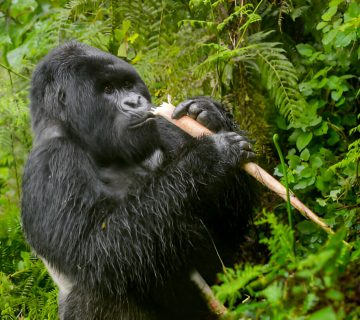
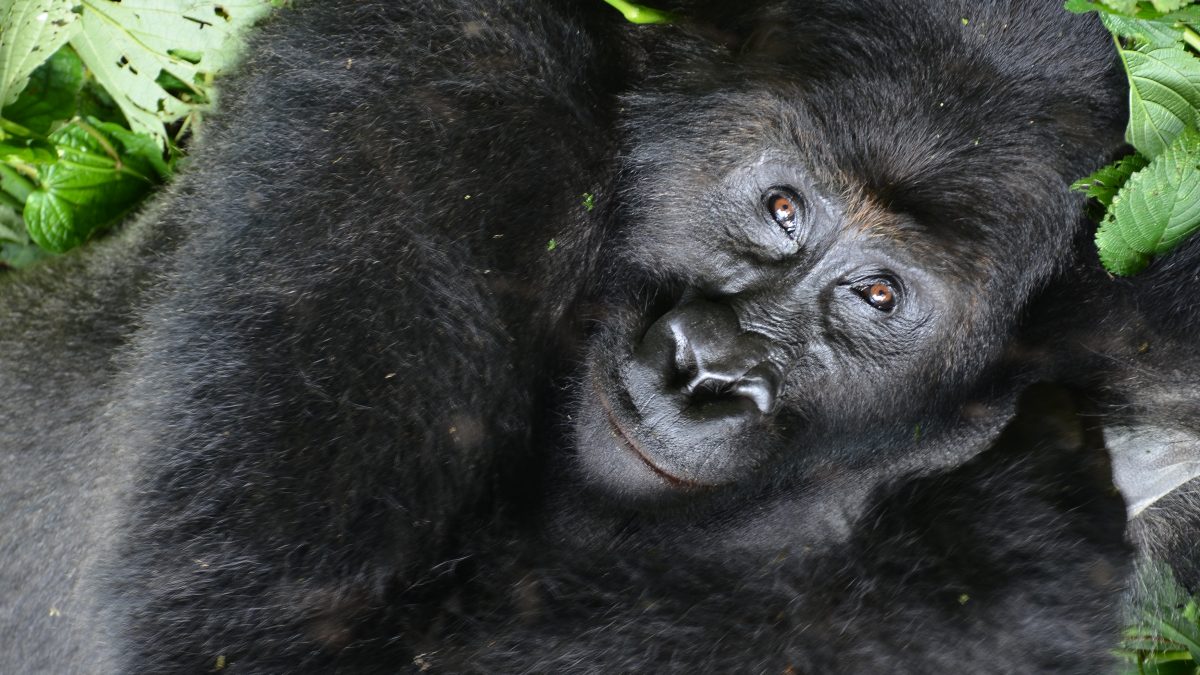
Gorilla trekking in Uganda, Rwanda, and the Democratic Republic of Congo is one of the most iconic wildlife experiences on the planet. Each year, thousands of travelers from around the world travel to East and Central Africa with the hope of encountering mountain gorillas in their natural habitats. These magnificent primates are critically endangered, and their habitats are fragile and limited to the dense tropical forests of the Virunga Massif and Bwindi Impenetrable Forest. Because of the ecological sensitivity and conservation priorities, access to gorilla trekking is strictly controlled through a permit system.
The gorilla permit system is designed to balance the growing global interest in gorilla tourism with the need to protect these primates and their habitats. Understanding how the permit allocation works, the process of booking permits, and navigating waitlists is crucial for anyone planning a gorilla trekking safari. This detailed guide explores every aspect of gorilla permit management, from allocation rules and seasonal demand to practical strategies for securing your permit and making the most of this once-in-a-lifetime experience.
Planning your trek without knowing the intricacies of the permit system can lead to frustration, last-minute cancellations, or even missing your opportunity entirely. By learning how permits are allocated, how to use waitlists effectively, and what factors influence availability, travelers can prepare in advance, ensuring a seamless and fulfilling gorilla trekking adventure.
The Gorilla Permit System: Protecting Primates Through Regulation
Gorilla permits are the official authorization required to trek mountain gorillas in the wild. They are issued by the respective national wildlife authorities: Uganda through the Uganda Wildlife Authority (UWA), Rwanda via the Rwanda Development Board (RDB), and the Democratic Republic of Congo through the Institut Congolais pour la Conservation de la Nature (ICCN). These authorities are responsible for both wildlife conservation and tourism management, ensuring that trekking activities are sustainable and do not negatively impact gorilla populations.
The permit system is fundamentally a conservation tool. Mountain gorillas are sensitive to human disturbance, and excessive human contact can lead to stress, behavioral changes, and increased risk of disease transmission. As a result, the number of permits issued per gorilla group per day is strictly limited, typically allowing only 8 to 12 trekkers to visit a group on any given day. This careful limitation ensures that gorillas are not overwhelmed by human presence while allowing a meaningful experience for trekkers.
Permits are highly regulated, non-transferable, and specific to both the date and trekking location. This means a permit booked for the Nkuringo sector of Bwindi cannot be used in the Buhoma sector, and reselling or exchanging permits is strictly prohibited. The strict rules around permits underscore their importance in conservation efforts and the need for travelers to plan carefully and book in advance.
Fees for gorilla permits vary by country, reflecting both conservation needs and tourism policy. Rwanda generally has the highest fees, followed by Uganda, and the DRC is usually the most affordable option. The revenues generated from these permits are reinvested directly into conservation programs, anti-poaching patrols, community support initiatives, and park management, providing tangible benefits to the ecosystems and communities that host the gorillas.
How Gorilla Permits Are Allocated
Permit allocation is a structured process that combines conservation priorities with tourism demand management. In most parks, permits are allocated on a first-come, first-served basis, but there are additional considerations to ensure even distribution among trekking sectors and to avoid overburdening certain gorilla groups. Each sector of a national park may have multiple habituated gorilla families, and permits are divided to ensure that no single group is exposed to excessive human traffic.
For example, Bwindi Impenetrable Forest in Uganda is divided into multiple sectors, including Buhoma, Nkuringo, Rushaga, and Kisoro. Each sector has a set number of habituated gorilla families, and each family is limited to a small number of visitors per day. Similarly, Volcanoes National Park in Rwanda has multiple habituated gorilla groups in different areas, and ICCN manages permits for DRC’s Virunga National Park with similar constraints.
Permits are typically available for sale six to twelve months in advance, depending on the park and season. This early allocation allows travelers to plan effectively and also provides park authorities with predictable tourism flows, which is essential for managing both conservation resources and community engagement programs.
Booking Your Gorilla Permit: Step-by-Step
The booking process for a gorilla permit is straightforward but requires careful planning. Travelers have three main avenues for booking: directly through the official national park websites, through accredited safari operators, or via certified travel agencies. Each route has advantages. Booking through a safari operator can offer additional flexibility and guidance, especially in peak seasons when permits sell out quickly. Direct booking through national authorities may provide a slightly lower cost but requires precise coordination and early planning.
The process begins with selecting the preferred trekking date and the park sector. Travelers then specify the number of permits required and proceed with full payment. Once the payment is confirmed, the permit is officially issued and reserved under the traveler’s name. It is essential to book early, especially for peak tourist months from June to September and December to February, as permits can sell out within days.
In addition to trekking permits, some parks also offer gorilla habituation experiences, where visitors spend more time with gorillas to observe their behavior and social interactions. These special permits are even more limited and often require booking many months in advance, making early planning absolutely essential for such experiences.
Understanding Gorilla Permit Waitlists
Due to limited availability, waitlists play an important role in the gorilla permit system. If your preferred date is fully booked, national park authorities or safari operators can place you on a waitlist. Being on a waitlist does not guarantee a permit, but it positions you in line for any cancellations or additional allocations that may become available.
Waitlists are usually processed on a first-come, first-served basis, and some operators actively monitor cancellations and communicate promptly with waitlisted clients. In some cases, national authorities may release additional permits during low-demand periods, or allow flexible operators to allocate permits that would otherwise remain unused. Proactive communication with your tour operator significantly improves the chances of converting a waitlist placement into a confirmed permit.
For travelers, understanding the waitlist system is critical. Flexibility in dates, sectors, or even park selection can increase the likelihood of securing a permit. Being on a waitlist is not a failure; it is a strategic option to access gorilla trekking during high-demand periods without missing the opportunity entirely.
Seasonal Demand and Permit Availability
Seasonality has a profound impact on gorilla permit availability. Peak tourism periods typically coincide with the dry seasons, when trekking conditions are easier, trails are more navigable, and wildlife visibility is at its best. These periods include June to September and December to February. During these months, permits can sell out six to twelve months in advance, especially for popular sectors and habituated gorilla families.
Conversely, the rainy seasons—March to May and October to November—see lower tourist traffic. While trails can be slippery and trekking more physically challenging, these months often offer better opportunities for last-minute bookings or securing permits for less-visited sectors. Travelers willing to navigate the rain can enjoy fewer crowds, unique photographic opportunities, and the same close encounters with gorillas at potentially lower costs.
Strategic planning is essential. Booking permits three to six months in advance is recommended for off-peak seasons, while peak season bookings may require almost a year of lead time. Additionally, being flexible with sector choice or trek start times can increase the likelihood of securing permits even during busy months.
Factors Influencing Gorilla Permit Allocation
Several key factors influence how permits are allocated and when they become available. The primary factor is conservation: limiting daily visitors to reduce human impact on gorilla groups. Secondary factors include sector capacity, gorilla habituation schedules, weather conditions, and national tourism strategies.
Gorilla habituation schedules are particularly important. Gorillas are not static, and groups move through their forest territories, sometimes entering areas that are temporarily restricted for trekking. Park authorities monitor gorilla movements carefully and adjust permit allocations to align with conservation priorities and minimize disturbance.
National tourism strategies also play a role. Authorities may intentionally distribute permits across multiple sectors to promote economic benefits for different local communities, ensure equitable revenue distribution, and reduce environmental stress on heavily trafficked areas.
Practical Tips for Securing a Gorilla Permit
Work with an accredited safari operator or agency—operators often have direct access to permit blocks and real-time availability updates. They can advise on alternative trekking sectors and help with waitlist management.
Book early for peak seasons—don’t rely on last-minute opportunities, as permits are strictly limited and highly sought after.
Consider off-peak trekking dates—lower demand in the rainy seasons can provide more availability, fewer crowds, and unique forest photography opportunities.
Stay in touch if on a waitlist—operators often notify waitlisted travelers immediately if a cancellation occurs, and prompt communication is critical.
Be flexible in trekking location or sector—less popular sectors often have permits available even during peak months, offering equally rewarding gorilla encounters.
Additionally, travelers should be physically prepared for the trek, understand park rules, and carry essential trekking gear, as permits are only part of the preparation needed for a safe and memorable gorilla encounter.
The Role of Permit Fees in Conservation
Permit fees are more than just access costs—they are a critical component of gorilla conservation. Revenue from permits funds anti-poaching patrols, park management operations, community development programs, and scientific research. In Rwanda, the high permit fees contribute significantly to both gorilla protection and local livelihoods. Uganda’s fees also provide substantial support for conservation activities and community engagement. In the DRC, revenues from Virunga National Park permits are crucial for protecting one of the most vulnerable populations of mountain gorillas in the world.
By purchasing a permit, travelers are directly supporting the survival of these endangered primates and the health of the forest ecosystems they inhabit. This link between tourism and conservation is one of the reasons the permit system is strictly regulated and monitored.
Conclusion
Gorilla permit allocation is a carefully managed system designed to balance tourism demand with the need to protect critically endangered primates and their habitats. Understanding the booking process, the role of waitlists, and seasonal variations is essential for anyone planning a gorilla trekking experience. By planning ahead, being flexible, and working with accredited operators, travelers can secure permits and enjoy one of the most extraordinary wildlife experiences on Earth.
A gorilla trekking permit is not just a ticket—it is a contribution to the preservation of mountain gorillas, their habitats, and the communities that coexist with them. With careful planning and informed choices, your encounter with these incredible primates will be safe, memorable, and meaningful, ensuring that future generations can also witness the wonder of gorilla trekking in East and Central Africa.