KIDEPO VALLEY NATIONAL PARK – WHY IT IS RATED AFRICA’S WILDEST PARK
Kidepo Valley National Park stands as one of the most remote, dramatic, and untouched safari destinations on the African continent, earning a reputation that consistently places it among the wildest parks in Africa. Located in the far northeastern corner of Uganda, where the country meets South Sudan and Kenya, this park represents a frontier landscape where wilderness dominates and human presence remains minimal. Its geographic isolation, combined with vast open plains and rugged mountain backdrops, creates an environment that feels far removed from the structured safari circuits of East Africa.
Unlike more frequently visited parks such as Queen Elizabeth National Park or Murchison Falls National Park, Kidepo Valley National Park offers a raw and immersive experience where wildlife roams freely across expansive ecosystems with little disturbance. The park’s defining features include the seasonal Kidepo River, the wildlife-rich Narus Valley, and the dramatic landscapes framed by distant mountain ranges. This combination of remoteness, biodiversity, and scenic beauty has solidified Kidepo’s status as a destination for serious safari enthusiasts seeking authenticity.
A Detailed Study of Kidepo Valley National Park
Geographic Isolation and the True Meaning of Wilderness
Kidepo Valley National Park’s reputation as Africa’s wildest park begins with its extraordinary remoteness. Situated hundreds of kilometers from Kampala, the journey to the park is long and often challenging, involving hours of travel through rural landscapes, semi-arid plains, and sparsely populated regions. This isolation has historically limited mass tourism, allowing the park to retain its pristine condition and unspoiled ecosystems.
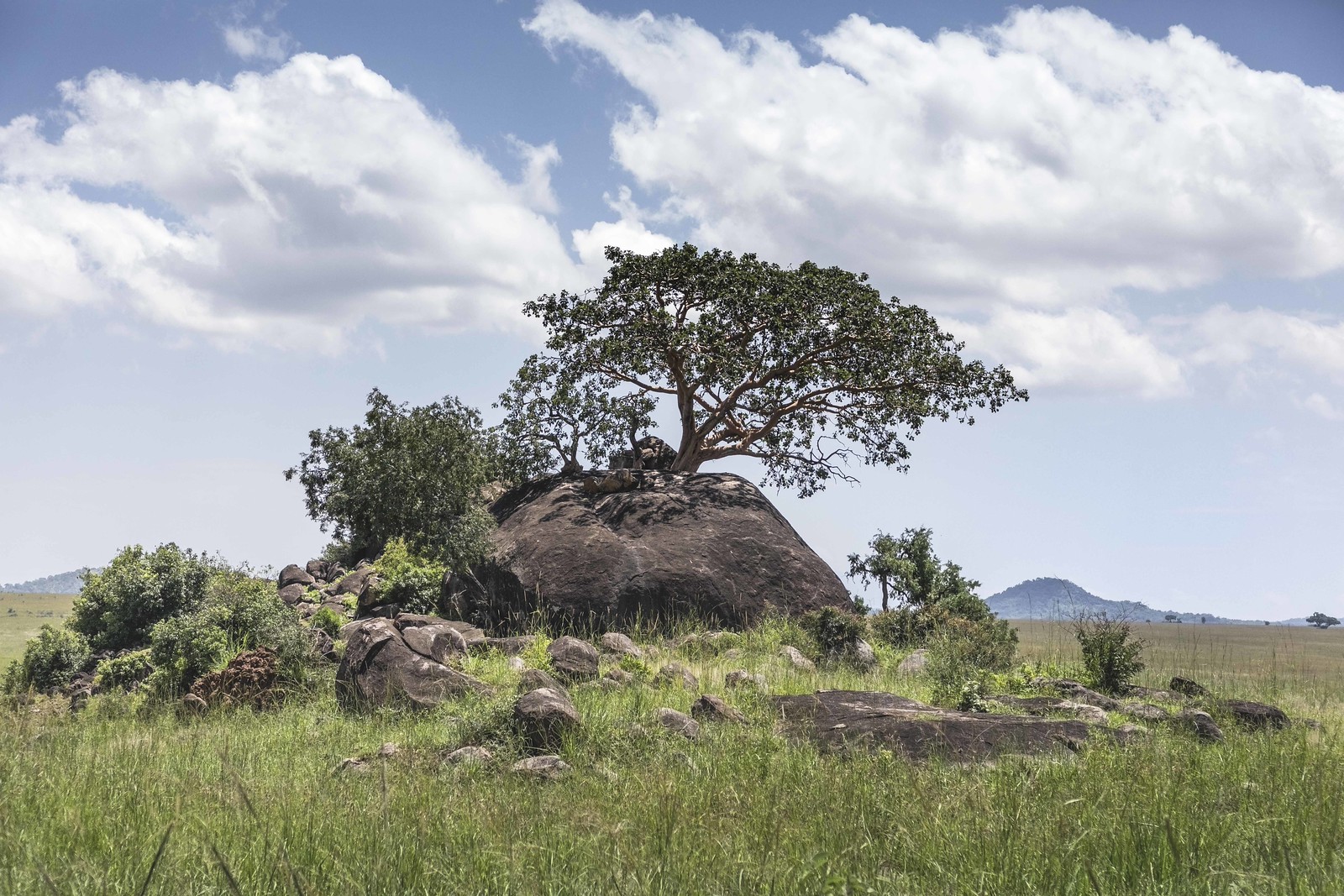
The sense of arrival in Kidepo is unlike any other in Uganda. As travelers descend into the park, they are met with sweeping views of golden savannah stretching toward the horizon, punctuated by rocky kopjes and distant mountains such as the Morungole Mountains. The absence of crowds, traffic, and extensive infrastructure enhances the feeling of entering a true wilderness, where nature exists on its own terms.
This remoteness also plays a critical role in conservation. With fewer human settlements and less agricultural pressure, wildlife habitats remain largely intact. Migration corridors are preserved, predator-prey relationships function naturally, and ecosystems operate with minimal external interference. In many ways, Kidepo Valley National Park represents what much of Africa’s savannah once looked like before widespread development.
Landscape Diversity and Dramatic Scenery
Kidepo Valley National Park is not only wild but visually striking, offering some of the most dramatic landscapes in East Africa. The park’s terrain is defined by a combination of open grasslands, seasonal riverbeds, acacia woodlands, and rocky outcrops. These varied environments create a mosaic of habitats that support a wide range of species.
The Narus Valley, located in the southern section of the park, is the ecological heart of Kidepo. Unlike the more arid northern regions, Narus retains water for much of the year, making it a focal point for wildlife. Herds of buffaloes, elephants, and antelopes gather here, attracting predators and creating dynamic wildlife interactions. The valley’s green vegetation contrasts sharply with the surrounding dry plains, offering both scenic beauty and excellent game viewing opportunities.
In contrast, the Kidepo Valley itself, dominated by the seasonal Kidepo River, presents a harsher and more rugged landscape. During the dry season, the riverbed becomes a wide expanse of sand, dotted with palm trees and bordered by rocky hills. This stark environment adds to the park’s sense of isolation and rawness, reinforcing its reputation as a wilderness destination.
Exceptional Wildlife Diversity and Rare Species
Kidepo Valley National Park is home to one of the most diverse arrays of wildlife in Uganda, including several species that are not commonly found in other Ugandan parks. The park supports over 75 mammal species, ranging from large herbivores to elusive predators.
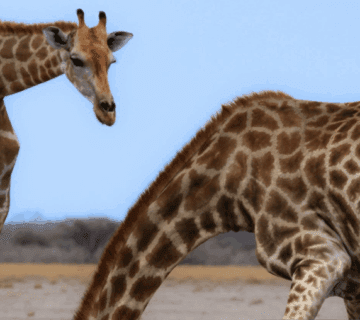
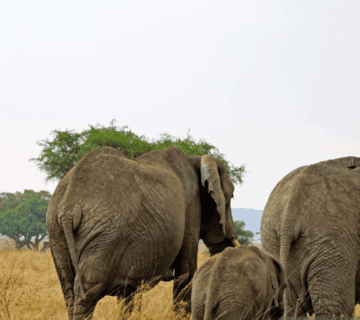
Large herds of buffaloes dominate the plains, often numbering in the hundreds, while elephants move across the landscape in search of water and food. Zebras and giraffes add to the visual richness of the savannah, creating classic safari scenes against the backdrop of distant mountains.
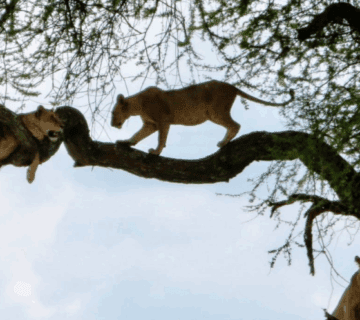
What truly sets Kidepo apart is the presence of rare and region-specific species such as cheetahs and bat-eared foxes, which are rarely seen elsewhere in Uganda. Predators are well represented, with lions frequently observed resting on rocky outcrops or hunting in the open plains. Leopards, though more elusive, are also present, contributing to the park’s balanced predator-prey ecosystem.
The abundance and diversity of wildlife, combined with the park’s open landscapes, make Kidepo one of the best places for uninterrupted game viewing. The absence of crowds allows for extended sightings and a more intimate connection with nature.
Birdlife and Ornithological Significance
Kidepo Valley National Park is also a significant destination for birdwatching, with over 470 recorded bird species. Its location at the intersection of different ecological zones allows it to host a mix of East African and northern species, some of which are not found elsewhere in Uganda.
Bird species such as ostriches, secretary birds, and various raptors thrive in the park’s open habitats. The combination of savannah, wetlands, and riverine environments supports both resident and migratory birds, making Kidepo a year-round birding destination.
The presence of dry-country species further enhances the park’s uniqueness, offering opportunities for birders to expand their species lists with sightings that are difficult to achieve in other regions.
Cultural Heritage and the Karamojong People
The human dimension of Kidepo Valley National Park is deeply rooted in the traditions of the Karamojong People, who inhabit the surrounding regions. These pastoralist communities are known for their resilience, cultural richness, and strong connection to cattle herding.
Cultural visits provide insight into traditional lifestyles, including homestead structures, social organization, and daily routines centered around livestock. The Morungole Mountains are also home to the Ik people, one of Uganda’s smallest and most unique ethnic groups, whose culture and history add another layer of depth to the region.
These cultural interactions enhance the safari experience by offering a broader understanding of how human communities coexist with wildlife in challenging environments.
Activities and Safari Experiences
Kidepo Valley National Park offers a range of safari activities that emphasize exploration and immersion. Game drives are the primary activity, particularly in the Narus Valley, where wildlife concentrations are highest. Early morning and late afternoon drives provide the best opportunities for observing predators and large herbivores.
Guided nature walks allow visitors to experience the park on foot, gaining a deeper appreciation of its ecosystems, plant life, and smaller প্রাণিজ species often overlooked during game drives. These walks are conducted with armed rangers, ensuring safety while enhancing the sense of adventure.
Cultural visits to Karamojong communities and hikes into the Morungole Mountains provide additional layers of experience, combining wildlife viewing with cultural exploration and physical activity.
Accessibility and Travel Logistics
Reaching Kidepo Valley National Park requires careful planning due to its remote location. The journey from Kampala can take up to two days by road, depending on the route and conditions. Alternatively, domestic flights offer a quicker option, landing at airstrips within or near the park.
While the distance may seem challenging, it is precisely this remoteness that defines the Kidepo experience. The journey itself becomes part of the adventure, passing through diverse landscapes and cultural regions that highlight the richness of northeastern Uganda.
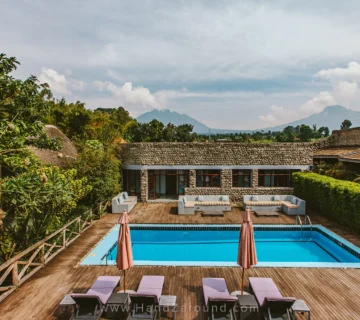
Accommodation within the park ranges from basic campsites to mid-range lodges and luxury safari lodges, all designed to blend with the natural environment and provide unobstructed views of the surrounding wilderness.
Seasonal Patterns and Best Time to Visit
Kidepo Valley National Park can be visited throughout the year, but the dry seasons from June to September and December to February are generally considered the best times for wildlife viewing. During these periods, animals concentrate around water sources, particularly in the Narus Valley, making sightings more predictable.
The wet seasons transform the landscape into a lush and vibrant environment, with green grasslands and flowing rivers. While wildlife may be more dispersed, the scenery becomes exceptionally beautiful, and birdwatching opportunities increase.
Seasonal variations add to the park’s dynamic character, ensuring that each visit offers a slightly different experience depending on the time of year.
Why Kidepo Is Africa’s Wildest Park
Kidepo Valley National Park earns its title as Africa’s wildest park through a combination of factors that are increasingly rare in modern safari destinations. Its geographic isolation, vast and untouched landscapes, exceptional wildlife diversity, and strong cultural heritage create an environment where nature remains dominant and largely unaltered.
For travelers seeking an authentic and immersive safari experience in Uganda, Kidepo offers something truly extraordinary. It is a place where the rhythms of the wild continue uninterrupted, where the horizon stretches endlessly, and where every encounter feels genuine and unscripted. This is not just a safari destination; it is a journey into the heart of Africa’s last great wilderness.