What Can an American Do While Traveling in Africa?
For many Americans, Africa first appears as a powerful image — sweeping savannahs, elephants crossing dusty plains, and sunsets that seem to stretch forever. But the continent quickly reveals itself to be far more complex and dynamic than any single picture can convey. Africa is not one destination. It is a vast mosaic of cultures, languages, ecosystems, and histories that invite exploration on every level.Traveling from the United States to Africa is not simply about crossing an ocean. It is about stepping into landscapes that feel both ancient and immediate, familiar and entirely new. So what can an American truly do while traveling in Africa? The possibilities are immense, and each journey unfolds differently.
Discover the Magic of the African Safari
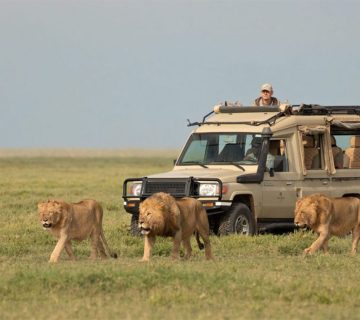
For many American travelers, a safari is the gateway to Africa. Destinations like the Maasai Mara in Kenya, the Serengeti in Tanzania, Kruger National Park in South Africa, and Amboseli beneath the shadow of Mount Kilimanjaro offer wildlife encounters that feel cinematic in scale. Lions rest in golden grass. Elephants move in quiet family formations. Giraffes stride across open plains with elegant ease.Unlike many wildlife parks in the United States, Africa’s safari landscapes feel boundless. There are no visible fences separating animals from the horizon. Game drives begin at dawn, when the air is cool and the world seems suspended in stillness. The rhythm of safari life encourages patience. You learn to wait, to observe, to listen.For Americans accustomed to busy schedules and constant connectivity, safari becomes a lesson in slowing down and reconnecting with nature.
Trek Through Rainforests to Meet Mountain Gorillas
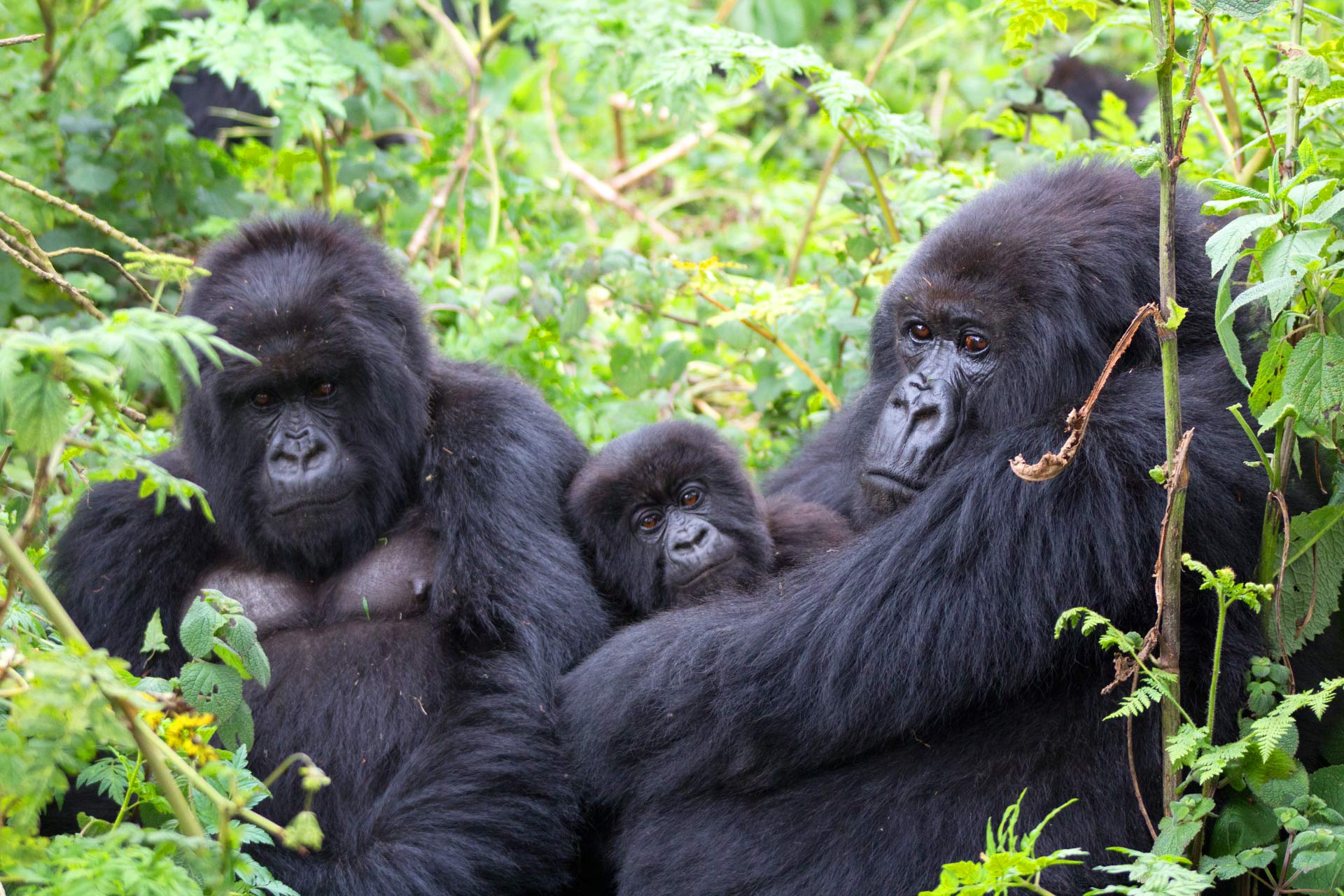
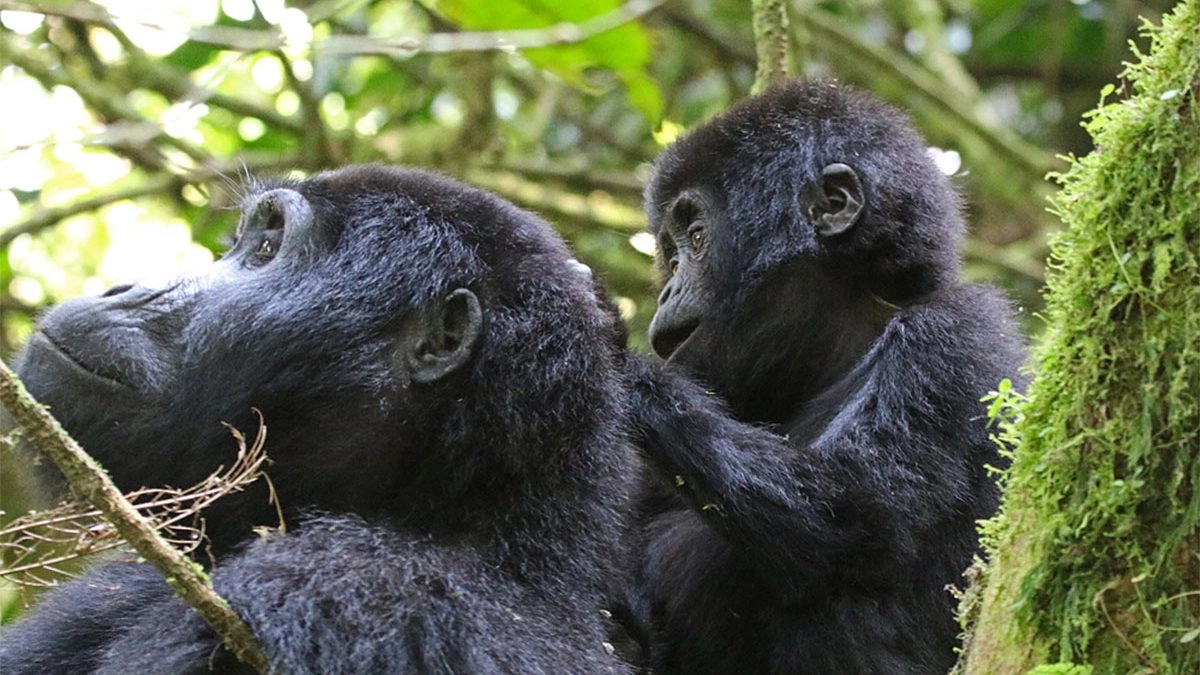
In Uganda and Rwanda, American travelers can experience one of the most intimate wildlife encounters on Earth: mountain gorilla trekking. Hiking through dense rainforest in places like Bwindi Impenetrable National Park or Volcanoes National Park requires stamina and determination. The forest is alive with bird calls and shifting light.Then, suddenly, you are standing just meters away from a gorilla family. A mother cradles her infant. Juveniles tumble in playful wrestling matches. A silverback watches with calm authority. The experience is regulated, respectful, and deeply emotional.Many Americans describe this hour in the forest as transformative. It shifts the idea of wildlife from distant observation to shared presence.
Climb Iconic African Mountains
For adventurous Americans, Africa offers some of the world’s most inspiring climbs. Mount Kilimanjaro in Tanzania draws trekkers from across the globe, offering a non-technical route to the highest point on the continent. The journey moves through rainforest, moorland, alpine desert, and icy summit.Mount Kenya offers rugged beauty and dramatic peaks, while Uganda’s Rwenzori Mountains — often called the Mountains of the Moon — present glacial valleys and surreal alpine vegetation.Climbing in Africa feels different not just because of altitude, but because of context. You are surrounded by cultures, wildlife, and ecosystems that add layers of meaning to every step.
Relax on Tropical Coastlines
Africa surprises many Americans with its beach destinations. Zanzibar’s turquoise waters and historic Stone Town blend relaxation with culture. The Seychelles offer powdery sand framed by granite boulders. Kenya’s Indian Ocean coast combines palm-lined beaches with Swahili heritage. In South Africa, Cape Town’s coastal scenery merges mountain drama with ocean views.For travelers who love Florida, California, or Hawaii, Africa’s beaches provide a fresh alternative — less commercialized in many areas, rich with local flavor and tradition.
Explore Ancient and Living History
Africa is the birthplace of humanity, and its historical depth reshapes how many Americans understand the world. In Egypt, the pyramids stand as monumental reminders of ancient engineering and civilization. In Ethiopia, rock-hewn churches carved from stone reflect centuries of spiritual devotion.In West Africa, coastal forts linked to the transatlantic slave trade carry particular emotional weight for African American travelers. Visiting these sites becomes an act of remembrance and reconnection, offering space for reflection and understanding.Africa’s history is not confined to museums. It lives in music, oral storytelling, architecture, and daily rituals.
Experience Vibrant Modern Cities
One of the most common surprises for Americans is Africa’s urban energy. Cities such as Nairobi, Kigali, Accra, Johannesburg, and Cape Town are centers of innovation, creativity, and entrepreneurship. Technology hubs are growing rapidly. Art galleries showcase contemporary African voices. Music festivals pulse with global influence.Cafés serve locally grown coffee that rivals any in the world. Designers reinterpret traditional fabrics into modern fashion statements. The youthful population brings ambition and vision.Traveling through these cities challenges outdated assumptions and reveals a continent moving confidently into the future.
Taste the Diversity of African Cuisine
Food becomes a journey of its own. In East Africa, grilled meats and fresh tropical fruits dominate markets. Ethiopia offers communal meals built around injera bread and richly spiced stews. North African cuisine blends Mediterranean and Middle Eastern influences in fragrant tagines and couscous dishes. West Africa introduces bold flavors through rice dishes and savory soups.Meals are often shared, and conversation flows easily. For Americans, culinary exploration becomes an intimate way to understand culture and community.
Seek Adventure Beyond Wildlife
Africa’s appeal extends beyond safari vehicles. Americans can raft the Nile River in Uganda, sandboard down Namibia’s towering dunes, or dive with sharks off South Africa’s coast. Hot-air balloon rides over the Serengeti offer sunrise views that feel almost unreal.Even quieter adventures carry magic. Canoeing through Botswana’s Okavango Delta or walking with local guides across open plains creates moments of stillness and connection.Africa accommodates luxury seekers, backpackers, photographers, families, and solo explorers alike.
Engage in Responsible and Meaningful Travel
Many Americans today seek travel that aligns with personal values. Africa offers opportunities for conservation-focused tourism and community-based experiences. Gorilla permits support anti-poaching efforts. Safari lodges employ local staff and contribute to regional development.Responsible travel ensures that tourism benefits wildlife and communities. By choosing ethical operators and respecting local customs, Americans can enjoy transformative experiences while contributing positively.
A Journey That Expands Perspective
Perhaps the most meaningful thing an American can do while traveling in Africa is to arrive with curiosity. The continent defies simple narratives. It is not defined solely by wildlife or hardship. It is a place of innovation, resilience, artistry, and profound natural beauty.Travel in Africa often reshapes expectations. It invites reflection. It encourages connection. It reveals both differences and shared humanity.An American can climb mountains, track wildlife, relax on pristine beaches, explore ancient civilizations, and immerse in dynamic cities — all within one extended journey. But beyond the activities lies something deeper: perspective.Africa offers not just adventure, but understanding. And for many American travelers, that understanding becomes the most valuable souvenir of all.