Can You Eat What You Catch on Fishing Trips?
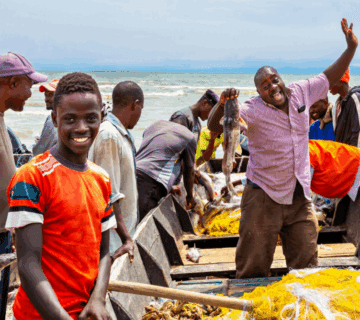
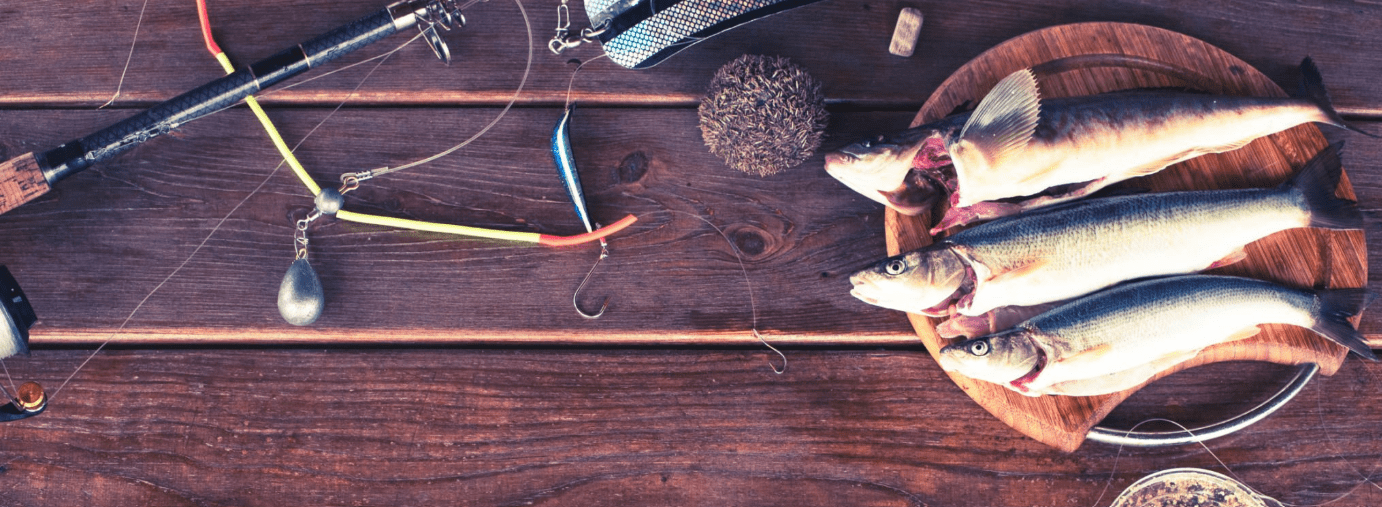
Fishing is more than just a hobby—it’s a way to connect with nature, challenge yourself, and even put food on the table. But one question many anglers ask is: Can you eat what you catch on fishing trips? The answer isn’t always straightforward. It depends on factors like location, fish species, water quality, and local regulations. In this article, we’ll explore the joys and challenges of eating your catch, how to ensure it’s safe, and why this practice can be deeply rewarding.
The Thrill of Eating Your Catch
There’s something incredibly satisfying about cooking and eating a fish you’ve caught yourself. It’s a direct connection to nature, a testament to your skills, and often a healthier alternative to store-bought seafood. However, not every fish is safe to eat, and some require careful preparation.
Benefits of Eating What You Catch
Freshness & Flavor – Freshly caught fish tastes better than anything you’ll buy in a supermarket.
Sustainability – Responsible fishing helps reduce over-reliance on commercial fisheries.
Cost-Effective – A successful fishing trip can provide free, high-quality protein.
Skill Development – Learning to clean, prepare, and cook fish enhances self-sufficiency.
Factors to Consider Before Eating Your Catch
Before you fire up the grill, consider these crucial factors:
1. Local Fishing Regulations
Many regions have strict rules about which fish are safe to eat and how many you can keep. Always check:
Size limits
Catch limits
Seasonal restrictions
2. Water Quality
Fish absorb contaminants from their environment. Avoid eating fish from polluted waters, especially near industrial areas or agricultural runoff zones.
3. Fish Species
Some fish are more prone to toxins (e.g., mercury in large predatory fish like tuna or swordfish). Others, like tilapia and trout, are generally safer.
4. Proper Handling & Storage
Improper handling can spoil your catch. Follow these steps:
Keep fish cold (on ice or in a cooler).
Clean quickly to prevent bacterial growth.
Cook thoroughly to kill parasites.
Safe vs. Unsafe Fish to Eat
Here’s a quick comparison of commonly caught fish and their safety levels:
Table 1: Safe vs. Risky Fish to Eat
| Safe to Eat | Potentially Risky | Reason |
|---|---|---|
| Rainbow Trout | Shark | High mercury levels |
| Catfish | King Mackerel | Bioaccumulation of toxins |
| Tilapia | Tilefish | Contaminants in fatty tissues |
| Salmon (wild-caught) | Bluefish | PCB contamination risks |
Table 2: Best Cooking Methods for Different Fish
| Fish Type | Best Cooking Method | Why? |
|---|---|---|
| Trout | Grilling or Pan-Frying | Enhances natural flavors |
| Catfish | Deep-Frying | Crispy texture, neutralizes mud taste |
| Salmon | Baking or Smoking | Preserves healthy fats |
| Bass | Grilling with Herbs | Reduces fishy odor |
How to Ensure Your Catch Is Safe to Eat
1. Research Your Fishing Spot
Check local advisories on water contamination.
Avoid areas with industrial pollution or algae blooms.
2. Follow Proper Cleaning Techniques
Remove guts quickly to prevent spoilage.
Rinse with clean water.
3. Know the Signs of Freshness
Clear eyes (not cloudy)
Firm flesh (not mushy)
Fresh, ocean-like smell (not overly fishy)
4. Cook to the Right Temperature
Fish should reach 145°F (63°C) internally.
Freezing certain fish beforehand can kill parasites.
The Ethical & Environmental Impact
Eating what you catch aligns with sustainable fishing practices, but it must be done responsibly:
Avoid overfishing – Follow catch limits.
Respect endangered species – Release protected fish.
Minimize waste – Use as much of the fish as possible (e.g., making stock from bones).
Inspirational Takeaways
Fishing isn’t just about the thrill of the catch—it’s about understanding ecosystems, respecting nature, and nourishing yourself. When done right, eating what you catch on fishing trips can be one of the most rewarding experiences. It teaches patience, responsibility, and gratitude for the food we consume.
So next time you reel in a fish, ask yourself: Can I eat this? If the answer is yes, savor the moment—you’ve earned it.
Why Uganda’s Freshwater Lakes Genuinely Suit This Question
Lake Victoria and the Nile offer genuinely clean freshwater fishing away from industrial pollution common in many coastal areas. This makes eating your catch a realistic option on most Uganda fishing trips. All in Africa Safaris can arrange fishing excursions with this exact experience in mind.
What Nile Perch Offers Anglers Specifically
This prized freshwater catch grows to genuinely impressive sizes and provides firm, mild-flavored meat well suited to grilling. It remains one of the most sought-after fish among visiting anglers on Uganda’s waters.
Why Local Lodges Often Prepare Your Catch for You
Many fishing lodges along the Nile and Lake Victoria will clean and cook your catch the same evening. This genuinely simplifies the entire process for travelers unfamiliar with fish preparation.
How Tilapia Fits Into a Typical Fishing Safari
Beyond Nile perch, tilapia is genuinely common across Ugandan waters and considered one of the safer, more consistently mild-tasting catches for a shoreline meal.
Why Local Guides Know Which Waters Are Genuinely Safe
Experienced fishing guides understand which stretches of river or lake offer the cleanest water and best catch quality. All in Africa Safaris works with guides who know these specific conditions well.
What Makes a Fishing Safari Different From Standard Wildlife Viewing
Beyond the catch itself, time spent quietly on the water often produces genuine wildlife sightings, hippos, crocodiles, and waterbirds, that a standard game drive wouldn’t offer.
Why Catch-and-Release Still Matters Even When Eating Is an Option
Responsible anglers keep only what they’ll genuinely eat and release the rest. This practice helps preserve healthy fish populations for future visitors and local communities alike.
How Seasonal Timing Affects Fishing Success
Dry season months generally offer clearer water and more predictable fishing conditions. Wet season fishing remains possible but genuinely requires more local knowledge to find productive spots.
Why Combining Fishing With a Broader Uganda Safari Makes Sense
A fishing excursion pairs naturally with a Murchison Falls boat cruise or a Nile-side lodge stay. All in Africa Safaris can build fishing into a broader Uganda wildlife itinerary.
What Equipment You Genuinely Need to Bring
Most lodges provide rods and basic tackle, though serious anglers often bring their own preferred gear. Confirming what’s included before your trip avoids unnecessary packing.
Why Sport Fishing Permits Sometimes Apply
Certain protected waters within national parks require a specific fishing permit alongside standard park entry. Confirming this requirement ahead of time avoids disappointment on arrival.
What Makes Murchison Falls a Genuine Fishing Destination
The Victoria Nile below the falls holds a genuine reputation among anglers for large Nile perch catches. Its combination of scenery and fishing quality makes it a popular choice for a dedicated fishing day.
Why Early Morning Fishing Genuinely Produces Better Results
Fish activity tends to peak in cooler early hours before the heat of midday sets in. Guides typically schedule fishing excursions to start at dawn for exactly this reason.
How to Handle a Catch You Don’t Plan to Eat
Quick, careful release with wet hands and minimal handling time genuinely improves a fish’s chance of survival after being caught. This matters for both conservation and ethical fishing practice.
Why Group Fishing Trips Suit Families Well
Unlike more physically demanding safari activities, fishing genuinely welcomes a wide range of ages and experience levels, making it a relaxed shared activity for traveling families.
Why Boat-Based Fishing Genuinely Beats Shore Fishing Here
Much of Uganda’s best fishing water sits along deeper channels only accessible by boat. A guided boat excursion genuinely reaches spots shore-based fishing simply can’t cover.
What to Expect From Lodge-Prepared Fish Dinners
Most lodges offer simple grilling or frying with local spices, letting the fish’s natural flavor come through. This straightforward preparation style suits the genuinely fresh quality of same-day catches.
Why This Activity Rewards Patience Over Skill
Even experienced anglers face quiet stretches without a bite. Treating the wait as part of the experience, rather than a frustration, genuinely improves how enjoyable the outing feels overall.
Why Confirming Catch-and-Keep Rules Beforehand Matters
Some lodges and park sections operate strict catch-and-release policies regardless of species. Confirming this with your operator before the trip avoids any confusion about what you can actually take back to eat. All in Africa Safaris can clarify current rules for your specific fishing location.
How Weather Affects a Day of Fishing
Sudden rain or strong wind can genuinely change water clarity and fish behavior within hours. Flexible scheduling, rather than a fixed single window, gives you a better shot at good conditions.
Why This Activity Suits Travelers Wanting a Slower Day
Compared to a full day of game drives, fishing offers a genuinely relaxed pace built around quiet observation. It’s a welcome contrast for travelers midway through a busier safari itinerary.
Why a Successful Trip Still Means Something Without a Catch
A quiet day on the water, surrounded by birdlife and scenery, remains genuinely worthwhile even without landing a fish. The experience itself, not just the outcome, is what most travelers remember.
Planning Your Uganda Fishing Safari
From landing a genuine Nile perch to enjoying it freshly grilled by your lodge, fishing in Uganda offers a rewarding, hands-on complement to a classic wildlife safari. All in Africa Safaris can turn this overview into a fully confirmed fishing itinerary tailored to your travel dates.