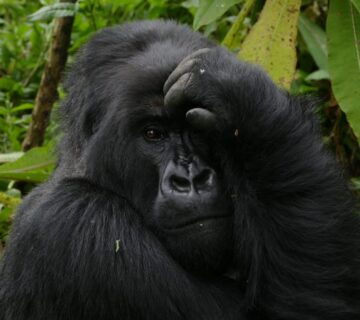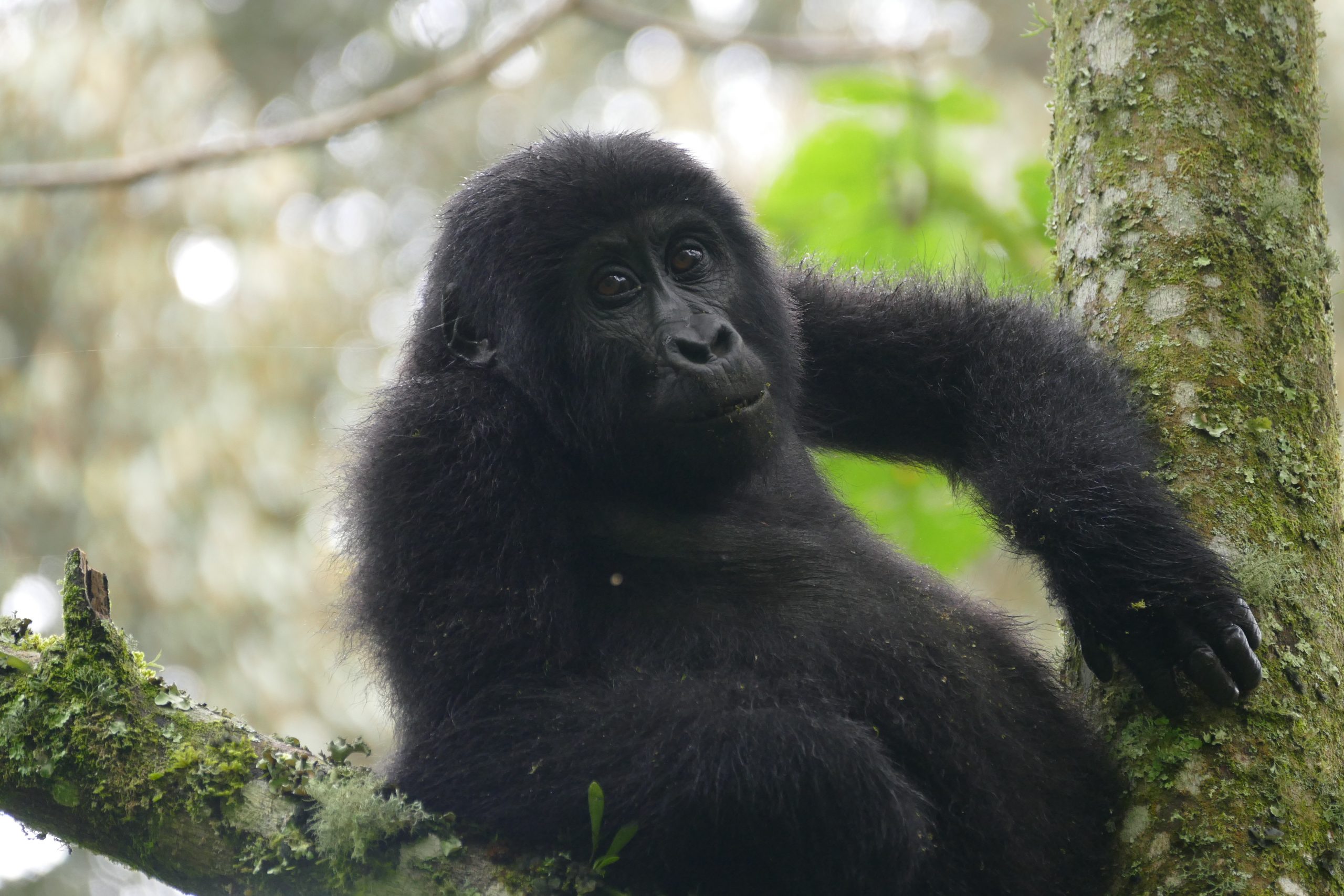
What a Silverback Does When a Tourist Gets Too Close
Let me tell you something no guide will say in the briefing.They’ll tell you to keep distance. They’ll explain the rules. They’ll warn you about diseases and stress and the importance of respecting wildlife.But they won’t tell you what actually happens when someone messes up.Because most people don’t believe it anyway.
They think gorillas are gentle giants. They’ve seen the documentaries. The ones where a silverback sits calmly while tourists gaze adoringly from a safe distance.And yes. That’s how it goes 99 percent of the time.But that 1 percent?I’ve seen it once. Heard stories about it from rangers who’ve seen it dozens of times.And the silverback doesn’t mess around.
The Setup: How Close Is “Too Close”?
The rule is seven meters. About 23 feet.
That’s the official distance tourists are supposed to keep from gorillas. The rangers remind you constantly. They whisper “step back” when you creep forward. They hold out their arms like human measuring tapes.
But here’s what happens.You’re sitting there, watching a gorilla family. A baby tumbles past. The mother follows. They’re so close you can hear them breathing. You forget about the rules. You forget about everything except how incredible this moment is.And then you move.
Not much. Just a little. Trying to get a better angle for a photo. Maybe you stand up when you should stay sitting. Maybe you creep forward without realizing it.The ranger notices before you do.But sometimes, the silverback notices first.
The Warning Signs (Which Most Tourists Miss)
Gorillas don’t go from zero to attack in one second.They warn you.The problem is, tourists don’t know what the warnings look like.A silverback who’s uncomfortable will start with small things.
Staring. Not curious staring. Hard staring. Eyes locked on you. Head lowered slightly.
Yawning. This looks cute. It’s not. A silverback yawns to show his canines. They’re huge. Four centimeters long. He’s reminding you what he’s capable of.
Chest beating. Not the loud, dramatic King Kong version. That’s for display. The real warning chest beat is softer. Faster. He’s nervous, not showing off.
Grumbling. A low sound in his throat. Not a roar. Not a scream. Just… discontent. Like a person muttering under their breath.
Feigned charges. A few quick steps toward you. Then stopping. This is the final warning. He’s saying “I don’t want to hurt you. But I will.”A good ranger reads these signs immediately. They’ll grab your arm, pull you back, whisper “don’t move, don’t run, just be still.”A tourist who panics? That’s when things go wrong.
What Happens Next (The Version You Don’t See on Instagram)
I talked to a ranger who witnessed a charge.Not a feigned charge. A real one.A tourist had crept forward to get a closer photo. The ranger told him to stop. He didn’t. He took another step.
The silverback stopped eating.Stared.The ranger whispered “back away slowly.” The tourist froze. Then panicked. Turned to run.Bad move.
The silverback covered the distance in maybe two seconds. Two hundred kilos of muscle and teeth. He didn’t hit the tourist. He slammed the ground inches from his feet. The impact shook the earth.The tourist fell backward. Screamed.The silverback stood over him. Maybe a meter away. Grunting. Not attacking. Just… asserting.
The ranger stepped between them. Slowly. Carefully. Made himself big. Made soft sounds. “Hmm hmm hmm.” The same sounds gorillas make when they’re calming each other.The silverback held for what felt like forever. Then turned. Walked back to his family.The tourist was shaking. Crying. Didn’t say a word for the rest of the trek.
The ranger told me this story years later. Shook his head.”He was lucky,” he said. “If that silverback wanted to hurt him, he would have. He just wanted to scare him.”It worked.
The Less Dramatic Version (Which Happens More Often)
Most tourists aren’t stupid enough to run.Most just get a little too close. Stand a little too long. Make a little too much eye contact.In those cases, the silverback doesn’t charge.He does something almost worse.
He walks toward you.Slowly. Deliberately. Not aggressive. Just… moving. Closing the distance.Here’s the thing about that.You can’t run. The rules say don’t run. Running triggers their predator instinct.
You can’t hide. You’re in the middle of the forest.So you just sit there. Heart pounding. Watching a three-hundred-pound silverback walk straight toward you.And then he stops. Maybe a meter away. Maybe less.He looks at you.
You look at him.And you realize, in that moment, that you are completely helpless. If he wanted to, he could end this in seconds. There’s nothing you could do about it.Then he turns around. Walks back to his family. Starts eating again like nothing happened.He wasn’t threatening you.He was reminding you who’s in charge.
What the Rangers Actually Do (And Why You Should Trust Them)
The rangers are trained for this.Seriously trained.They spend months learning gorilla behavior. They know the warning signs before tourists do. They know which silverbacks are patient and which ones have a short fuse.
When a silverback gets uncomfortable, the ranger does a few things.
They position themselves between you and the gorilla. Not aggressively. Just… present. A buffer.
They make calming sounds. That “hmm hmm hmm” noise. It’s the same sound gorillas use when they’re relaxing. It works surprisingly well.
They avoid eye contact. Direct staring is a challenge. The ranger looks down. Looks away. Makes themselves small and non-threatening.
They speak softly. Not to you. To the gorilla. Just a low, gentle murmur. The silverback doesn’t understand the words. But the tone is unmistakable.
They never run. Ever. Running is the one thing that guarantees a chase.I asked a ranger once if he was ever scared.He laughed.”Every single time,” he said. “But I can’t show it. The gorillas smell fear. And the tourists see it. If I’m scared, everyone is scared.”
The One Thing That Actually Works (And It’s Weird)
You’d think yelling would help.It doesn’t.You’d think making yourself big would help.It doesn’t.You’d think throwing something would help.Definitely doesn’t.
Here’s what actually works.Sitting down.Not running. Not screaming. Not even backing away slowly.Just… sitting down. Making yourself smaller. Lowering your head. Avoiding eye contact.You look like prey when you stand.
You look like a curious ape when you sit.Gorillas understand sitting. It’s what they do when they’re relaxed. When you sit down, you’re speaking their language without saying a word.I saw a video once of a silverback approaching a tourist who had gotten too close. The tourist sat down. The silverback walked up, sniffed his hair, and walked away.That’s it. That’s all it took.Sitting down.
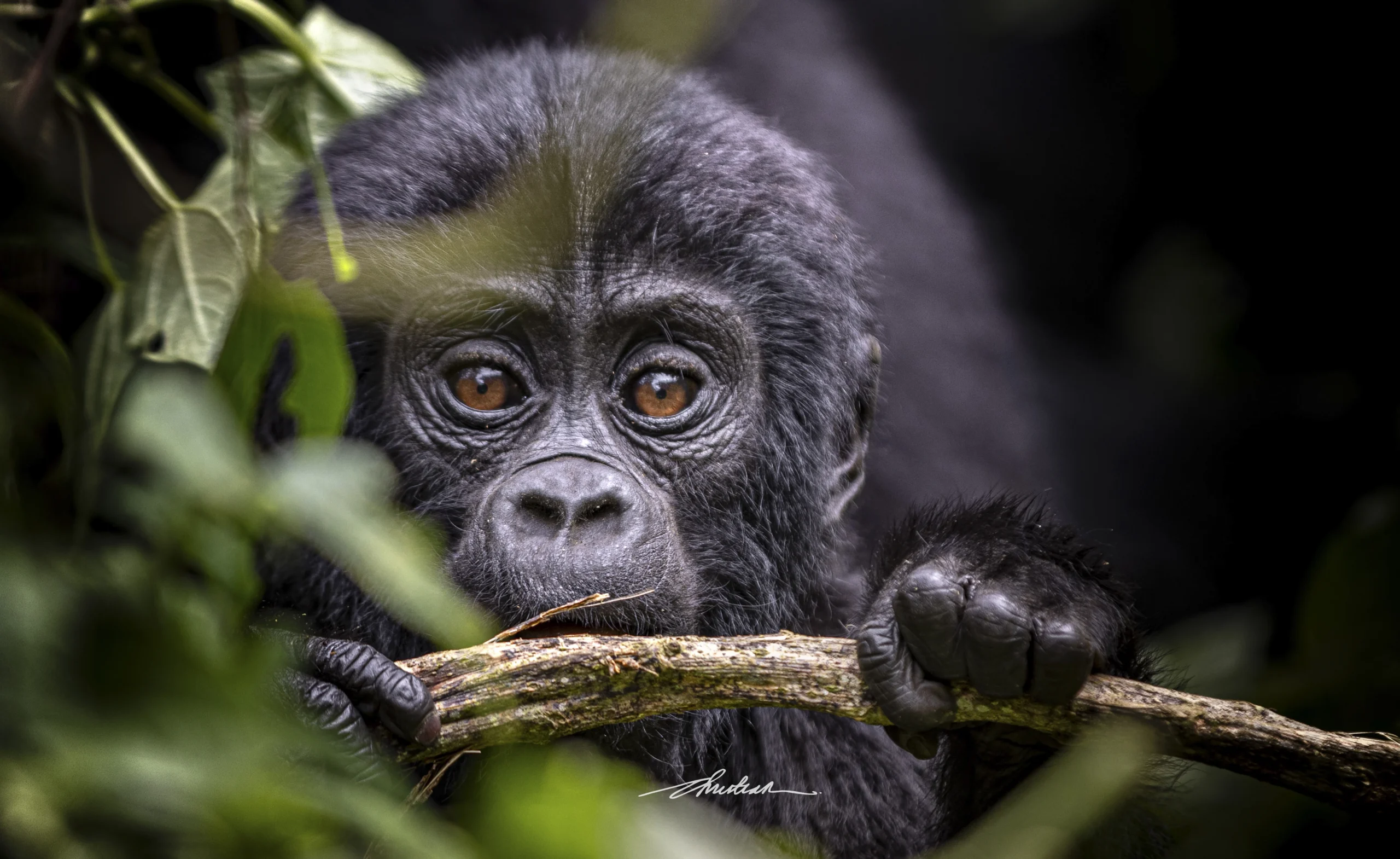
Stories From Rangers (The Ones They Tell After a Few Beers)
I’ve collected these over the years. Over dinner. Around campfires. When the rangers are off duty and willing to talk.
The camera incident. A tourist raised his camera to take a photo. The flash was on. It went off in the silverback’s face. The silverback charged, grabbed the camera, smashed it on the ground. Then walked away. The tourist never even asked for a replacement. He was just grateful to be alive.
The baby incident. A tourist tried to touch a baby gorilla. The baby’s mother screamed. The silverback came running from fifty meters away. Stopped inches from the tourist’s face. Just stared. For maybe thirty seconds. Then turned and walked back to the baby. The tourist was escorted out of the forest immediately. His permit was revoked. He was banned from trekking anywhere in Uganda.
The selfie incident. (Yes, this happened.) A tourist wanted a selfie with a silverback in the background. She backed up to get the angle. Didn’t realize how close she was getting. The silverback reached out and touched her backpack. Not grabbed. Just touched. She screamed. Dropped her phone. The silverback picked it up. Turned it over. Dropped it. The ranger retrieved it later. The screen was cracked. The tourist was fine. Her dignity was not.
The running incident. This one ended badly. A tourist panicked and ran. The silverback chased. Caught him by the leg. Didn’t bite. Just held. The rangers arrived and calmed the silverback. The tourist had bruises but no broken bones. He spent the night in the hospital. Not for injuries. For shock.The rangers tell these stories to each other, not to tourists. They don’t want to scare people away.But they remember every single one.
What Actually Happens to a Tourist Who Breaks the Rules
Let me be clear about this.The gorillas don’t usually hurt people.They could. They absolutely could. A silverback is strong enough to snap a tree trunk. He could crush a human skull with one hand.They choose not to.Most of the time.But the consequences for the tourist are real.
Your permit can be revoked. Those cost hundreds of dollars. Sometimes over a thousand. You don’t get a refund.You can be banned from future treks. In Uganda, Rwanda, and DR Congo. The parks share information.You can be fined. Uganda has penalties for violating park rules.And worst of all? You become the story that rangers tell other tourists. Not by name. But as a warning.”Last year, someone got too close. The silverback charged. Don’t be that person.”
Why the Rules Exist (Beyond Your Safety)
Here’s something tourists forget.The rules aren’t just to protect you.They’re to protect the gorillas.If a silverback learns that humans are dangerous — or even just annoying — he might start avoiding them. Moving deeper into the forest. Making it harder for trackers to find him. Harder for vets to monitor his health.
If a silverback kills or injures a tourist, what do you think happens?The park might have to close that gorilla family to tourism. No more permits. No more revenue. No more money for conservation.Or worse. The authorities might decide the gorilla is dangerous. Habituated gorillas can’t be released somewhere else. They’re too used to humans.
There’s only one option.The rangers don’t talk about that. It’s too painful.But it’s the real reason the rules are strict. The real reason silverbacks get nervous when tourists get close.They’re not protecting you from the gorillas.They’re protecting the gorillas from what happens after.
The Honest One
I’ve been close to silverbacks.Close enough to hear them breathe. Close enough to see the individual hairs on their arms. Close enough that if I’d reached out, I could have touched them.I didn’t.Not because I was scared. But because I understood something.That’s his home. Those are his babies. His wives. His family.
And here I am, a stranger, showing up in his living room with a camera.He’s allowed to be annoyed. He’s allowed to warn me. He’s allowed to remind me who’s in charge.The fact that he doesn’t hurt me? That’s not weakness. That’s patience. Generosity, even.But patience runs out.Every silverback has a limit.
And the smart tourists — the ones who come back year after year, the ones the rangers remember fondly — they never find out where that limit is.They sit quietly. They keep their distance. They don’t push.And they get to go home with an incredible story.Not a horror story.
Just a beautiful, peaceful, humbling memory of being accepted, for one hour, into a wild family’s world.Don’t be the tourist who ruins that.For yourself. For the gorillas. For everyone who treks after you.Just sit down. Stay back. And listen to the ranger.They’ve seen what happens when you don’t.