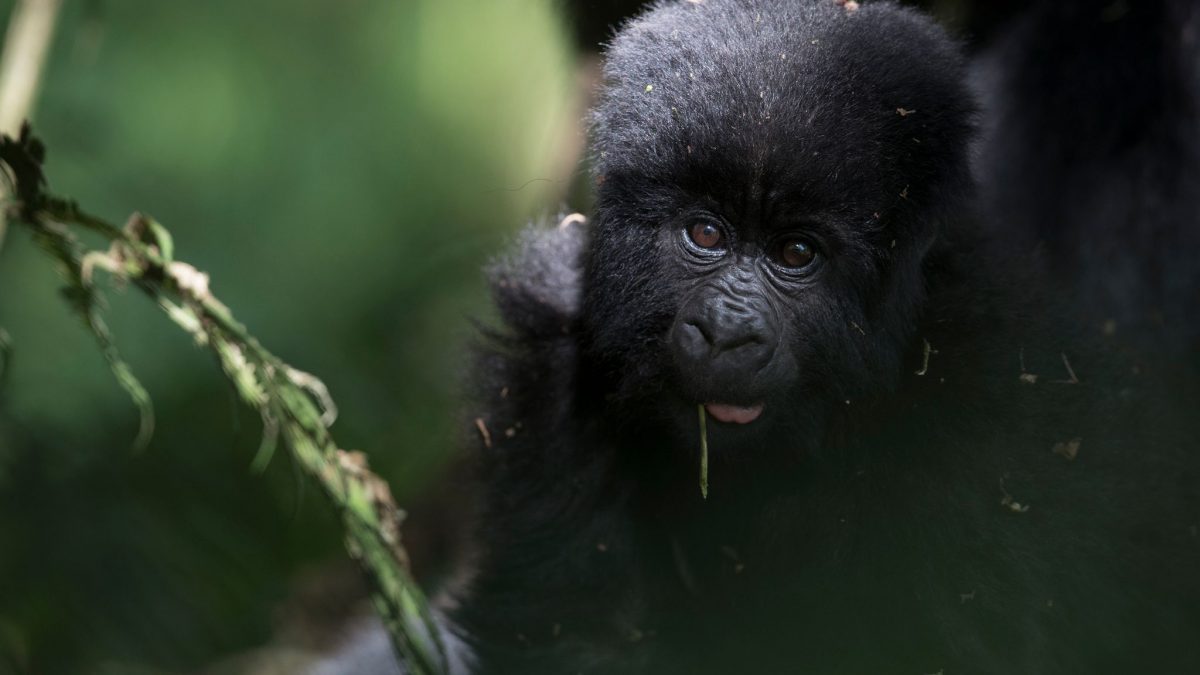
Uganda vs DRC Gorilla Trekking: Safety, Cost & Which Country Wins
Gorilla trekking in Africa offers one of the most powerful wildlife experiences in the world, but choosing the right destination can significantly shape your journey. Two key countries offer access to mountain gorillas: Uganda and the Democratic Republic of the Congo. While both provide incredible encounters, they differ greatly in safety, cost, accessibility, and overall travel experience.
Understanding how Uganda compares to the DRC for gorilla trekking helps travelers make informed decisions based on their priorities. Whether you are focused on safety, budget, or adventure, each destination offers a distinct experience.
Overview of Gorilla Trekking in Uganda and the DRC
Both countries host mountain gorillas in protected national parks. In Uganda, trekking takes place in Bwindi Impenetrable National Park and Mgahinga Gorilla National Park. These parks are well-established, with structured tourism systems and consistent conservation management.
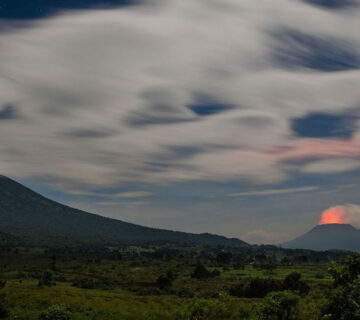
In the DRC, gorilla trekking occurs in Virunga National Park, one of Africa’s oldest national parks. The park is known for its dramatic volcanic landscapes and raw wilderness appeal.
While the core experience—spending one hour with mountain gorillas—is similar, the surrounding conditions differ significantly.
Safety: The Most Important Factor
Safety is the biggest difference between Uganda and the DRC. Uganda is widely regarded as a stable and secure destination for tourism. Gorilla trekking operations are managed by the Uganda Wildlife Authority, with well-trained rangers, strict protocols, and consistent oversight.
The DRC, particularly in the eastern region where Virunga is located, has experienced periods of political instability and security concerns. While Virunga National Park has made strong efforts to ensure visitor safety, including armed ranger escorts and controlled access, travel advisories often fluctuate depending on the situation.
For most travelers, Uganda is the safer and more predictable option. The DRC appeals more to experienced or adventurous travelers willing to navigate potential uncertainties.
Cost Comparison: Budget vs Value
Cost is one of the main reasons travelers consider the DRC. Gorilla trekking permits in Uganda are among the most expensive in Africa, reflecting the high level of conservation, infrastructure, and security provided.
In contrast, the DRC has historically offered lower permit prices, making it an attractive option for budget-conscious travelers. However, additional costs such as visas, security logistics, and travel arrangements can offset these savings.
Uganda offers higher value for the price, with reliable services, better accommodation options, and smoother logistics. The DRC may appear cheaper initially, but the overall cost can become comparable depending on travel conditions.
Accessibility and Travel Experience
Uganda is significantly easier to access and navigate. Travelers typically arrive via Entebbe International Airport, followed by domestic flights or road transfers to Bwindi or Mgahinga. The infrastructure is well-developed, with multiple entry points and accommodation options.
Reaching Virunga National Park in the DRC is more complex. It often involves crossing borders, coordinating with park authorities, and adhering to strict travel schedules. The process can be logistically challenging, especially for first-time visitors.
For convenience and ease of planning, Uganda clearly stands out.
Accommodation and Comfort
Accommodation options differ significantly between the two destinations. Uganda offers a wide range of lodges, from budget to luxury, many of which are located close to trekking starting points.
In the DRC, accommodation is more limited but can still be comfortable, particularly within Virunga National Park. However, the overall variety and level of service are generally lower compared to Uganda.
Travelers seeking comfort and variety will find Uganda more appealing, while those comfortable with simpler arrangements may enjoy the DRC’s more rugged experience.
Experience and Atmosphere
The atmosphere of the trekking experience varies between the two countries. Uganda provides a well-organized, structured safari environment with a balance of adventure and comfort. The experience feels polished, reliable, and accessible.
The DRC offers a more raw and adventurous setting. Trekking in Virunga feels less commercialized and more remote, appealing to travelers seeking a sense of exploration and uniqueness.
Uganda suits travelers who want a smooth, stress-free experience, while the DRC appeals to those looking for a more adventurous and unconventional journey.
Conservation and Impact
Both countries play important roles in gorilla conservation. Uganda has developed a highly successful model that combines tourism, community involvement, and conservation funding.
The DRC also contributes significantly, particularly through the efforts of Virunga National Park, which operates under challenging conditions to protect wildlife.
Choosing either destination supports conservation, but Uganda’s established system provides a more stable and scalable model.
Which Country Wins?
The answer depends on your priorities, but Uganda is the clear winner for most travelers. It offers superior safety, easier access, better infrastructure, and a wider range of accommodation options.
The DRC remains a compelling choice for adventurous travelers seeking a unique and less crowded experience. However, it requires greater flexibility and acceptance of potential risks.
Choosing the Right Gorilla Trekking Destination
Both Uganda and the DRC offer unforgettable gorilla trekking experiences, but they are not equal in accessibility and reliability. Uganda stands out as the best overall destination, combining safety, comfort, and consistent quality.
The DRC, while more challenging, offers a raw and adventurous alternative for those willing to step outside conventional travel paths.
Ultimately, the best choice depends on your travel style. For most visitors, Uganda provides the ideal balance of adventure and security, ensuring that the focus remains on the extraordinary experience of encountering mountain gorillas in the wild.