Trekking Gorillas in the Rain: Mud, Ponchos & What Actually Happens
Rain is part of the rainforest experience, and nowhere is this more true than in the lush jungles of Bwindi Impenetrable National Park and Mgahinga Gorilla National Park. For many travelers, the idea of trekking in wet conditions raises concerns about discomfort, safety, and visibility. In reality, rain often adds a deeper sense of authenticity and adventure to the experience.
Understanding what actually happens during a rainy gorilla trek helps you prepare properly and embrace the conditions with confidence. From muddy trails to misty forests and unforgettable wildlife encounters, trekking in the rain is often more rewarding than expected.
Rain Is a Normal Part of Gorilla Trekking
Rain is not an exception—it is the environment. Bwindi and Mgahinga are tropical rainforests, meaning rainfall can occur at any time of the year, even during drier months. Treks are not canceled due to rain, and the Uganda Wildlife Authority operates daily gorilla tracking regardless of weather conditions.
This means that if you are trekking in Uganda, there is always a chance of rain. Rather than seeing it as a disruption, it is best understood as part of the natural rhythm of the forest.
What the Trails Are Really Like: Mud and Slippery Slopes
Rain transforms the forest floor into a muddy, slippery landscape. Trails that may already be uneven become softer and more challenging to navigate. Steep sections can require extra care, and footing becomes more important with every step.
However, experienced rangers guide trekkers along the safest routes, adjusting pace and providing support where needed. Walking sticks are often provided, and many travelers find them essential in wet conditions.
While the mud adds difficulty, it also enhances the sense of adventure. Trekking through real rainforest conditions makes the experience feel more raw and immersive.
Ponchos, Rain Jackets, and Staying Dry
Staying dry is more about preparation than avoiding rain. Lightweight waterproof jackets or ponchos are essential for gorilla trekking. These protect against both rain and dripping vegetation, which can often be just as wet as rainfall itself.
Even with good gear, expect to get slightly wet—it is part of the experience. The key is wearing quick-drying clothing that keeps you comfortable throughout the trek.
Backpack rain covers, waterproof bags, and protective layers for electronics are also important. With the right setup, rain becomes manageable rather than uncomfortable.
Gorilla Behavior in the Rain
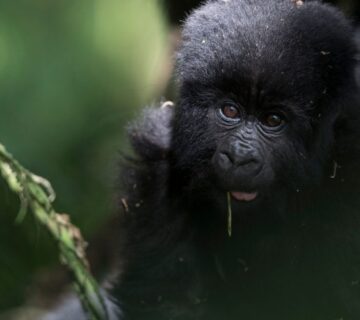
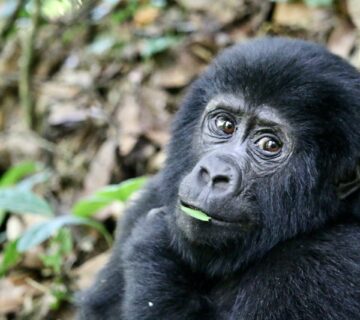
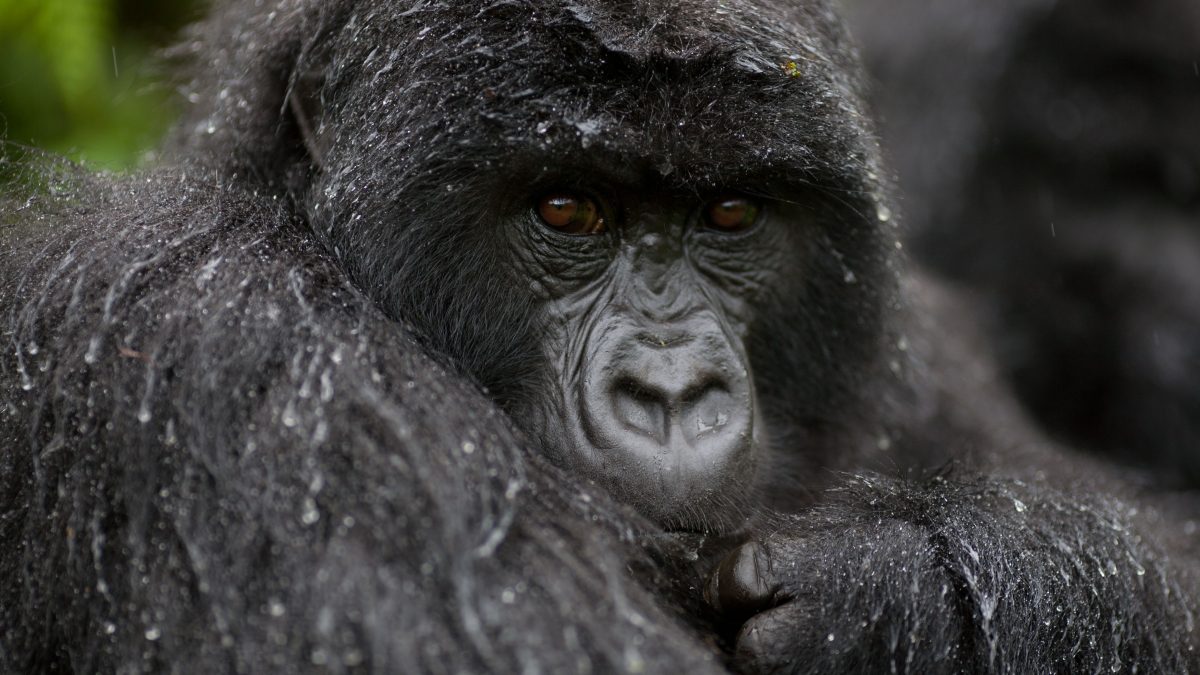
Gorillas are completely adapted to rainy conditions. They do not stop their daily activities when it rains. In light showers, they continue feeding, grooming, and moving through the forest as usual.
During heavier rain, gorillas often become more stationary, taking shelter under dense vegetation. This can actually make them easier to observe, as they stay in one area for longer periods.
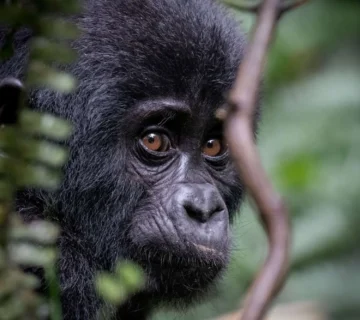
For trekkers, this means that rain does not reduce your chances of seeing gorillas—it may even improve the quality of the encounter.
Visibility and Atmosphere in Wet Conditions
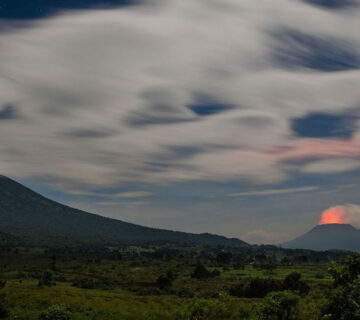
Rain changes the entire atmosphere of the forest. Mist rises through the trees, leaves shine with moisture, and the environment feels more alive. While heavy rain can slightly reduce visibility, it often creates a dramatic and unforgettable setting.
The forest becomes quieter, with fewer distractions, allowing you to focus more on the sounds and movements around you. This creates a deeper connection to the environment and the wildlife within it.
For many travelers, trekking in the rain becomes the most memorable part of the safari.
Photography in the Rain
Rain presents both challenges and opportunities for photography. Protecting your camera is essential, but once secured, the conditions can produce stunning images.
Soft, diffused light reduces harsh shadows, while wet surfaces enhance color and texture. The result is rich, dramatic photos that capture the true essence of the rainforest.
Moments of light rain or mist often create the best conditions, adding depth and atmosphere to your shots.
Safety and Support During Rainy Treks
Safety remains a top priority even in wet conditions. Rangers are highly experienced in guiding trekkers through the forest and ensuring that everyone moves safely.
Hiring a porter becomes especially valuable in the rain. Porters assist with balance, carry bags, and provide support on slippery sections, making the trek more manageable.
Taking your time, watching your footing, and following instructions are the simplest ways to stay safe while enjoying the experience.
Why Rain Can Make the Experience Better
Rain enhances the authenticity of gorilla trekking. The rainforest is at its most vibrant when wet, with stronger scents, richer colors, and more active ecosystems.
Fewer visitors during rainy periods also create a quieter, more intimate experience. The forest feels less crowded, and the encounter with gorillas becomes more personal.
For many experienced travelers, rainy treks are preferred because they offer a more genuine and immersive connection to nature.
Embracing the Rainforest Reality
Trekking gorillas in the rain is not something to avoid—it is something to embrace. While mud, moisture, and unpredictable weather add challenges, they also bring depth and authenticity to the experience.
With proper preparation and the right mindset, rain becomes part of the adventure rather than a problem. The reward remains the same: a powerful, close-up encounter with mountain gorillas in one of the world’s most extraordinary environments.
In the end, it is not the weather that defines the experience, but the moment you stand in the forest, watching gorillas in their natural habitat—rain and all.