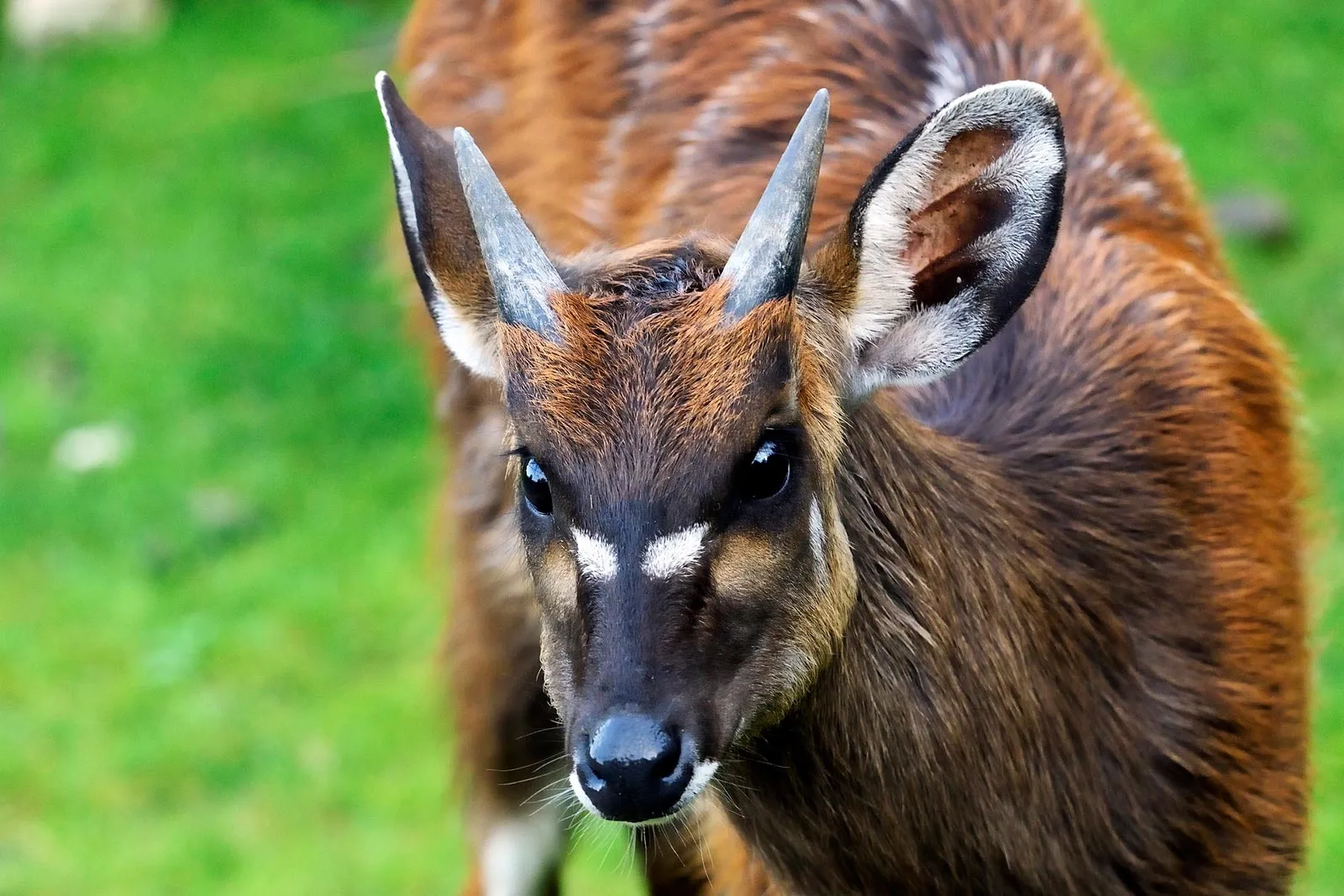
SITATUNGA ANTELOPES IN UGANDA – WETLAND HABITATS & BEST VIEWING SPOTS
Sitatunga antelopes are among Uganda’s most elusive and specialized species, renowned for their adaptation to swamp and wetland habitats. Scientifically known as Tragelaphus spekii, these antelopes are semi-aquatic, with elongated hooves designed for navigating marshy grounds and papyrus swamps. They are rarely encountered in open savannah, making their observation a rewarding challenge for wildlife enthusiasts, photographers, and ecotourists seeking unique experiences beyond Uganda’s more common savannah species.
Uganda, with its abundance of wetlands, swampy forests, and papyrus-covered riverbanks, provides ideal habitats for sitatungas. They are primarily concentrated in protected areas such as Mabamba Swamp, Lake Nabugabo Wetlands, and the fringes of Queen Elizabeth National Park. Their reclusive nature, combined with the dense vegetation of their environments, makes dedicated tracking or guided excursions essential for sightings.
A Detailed Study of Sitatunga Antelopes in Uganda
Habitat Adaptations and Ecological Role
Sitatunga antelopes are uniquely adapted to swampy and wetland environments, with elongated and splayed hooves that prevent sinking into mud and aid movement through dense aquatic vegetation. Their reddish-brown coats provide effective camouflage amidst papyrus reeds and marsh grasses, allowing them to remain largely hidden from predators and humans alike.
These antelopes play a vital ecological role, grazing on aquatic plants and helping to maintain the balance of wetland vegetation. Their feeding activities contribute to nutrient cycling within the swamp ecosystem, supporting a diversity of other species, including birds, reptiles, and smaller mammals. By relying on wetlands, sitatungas also serve as indicators of ecosystem health; their presence often signifies a relatively undisturbed habitat.
Best Protected Areas for Viewing Sitatungas
Several locations in Uganda are renowned for sitatunga observation, each offering unique ecological settings. Mabamba Swamp, located near Kampala, is a dense papyrus wetland that supports a healthy sitatunga population. Guided boat trips through narrow channels and reed-lined paths provide the best opportunities to observe these elusive antelopes.
Lake Nabugabo Wetlands, in central Uganda, also hosts sitatungas, particularly along the swampy lake edges and seasonal marshes. The lake’s combination of shallow water, reedbeds, and secluded patches makes it an ideal environment for semi-aquatic antelopes. Visits often require coordination with local guides to navigate the fragile wetland terrain without disturbing wildlife.
Within Queen Elizabeth National Park, sitatungas are most commonly found along the edges of the Kazinga Channel and papyrus swamps near Lake George. These areas allow for controlled boat excursions that minimize disturbance while providing close encounters with the species. Sightings are generally more frequent during the dry season when water levels drop, concentrating wildlife in accessible areas.
Behavior and Social Structure
Sitatunga antelopes are shy and secretive, often moving quietly through dense swamp vegetation to avoid detection. They are primarily crepuscular, active during early morning and late afternoon, which aligns with the periods of higher wildlife activity in wetlands. Males are generally solitary or form small territorial ranges, while females and juveniles may be seen in small family groups.
Their elusive behavior and preference for dense cover mean that sitatungas rely on camouflage and stealth rather than speed to evade predators. They are excellent swimmers and may submerge completely in water to escape danger, with only the tips of their nostrils visible above the surface.
Observational Techniques and Guided Excursions
Successful sitatunga viewing requires careful planning, specialized techniques, and local expertise. Guided boat trips through narrow channels and papyrus-lined waterways provide the safest and most effective method to observe these animals without disturbing their habitat. Canoes or small motorized boats are preferred, allowing visitors to glide silently and maintain a safe distance.
Photography of sitatungas is challenging due to dense vegetation and limited light. Telephoto lenses and binoculars are essential for capturing clear images, while patience and quiet observation often yield the best results. Guides often have intimate knowledge of preferred feeding areas and movement patterns, increasing the likelihood of sightings.
Seasonal Considerations
The timing of visits can significantly influence sitatunga encounters. During the dry season, water levels in wetlands decrease, concentrating wildlife along remaining channels and ponds. This makes sitatungas more accessible for observation. Conversely, the wet season expands their habitat, dispersing individuals across flooded areas and making sightings rarer but providing lush and photogenic landscapes.
Seasonal variation also affects birdlife and aquatic vegetation, offering complementary experiences for visitors interested in wetland ecology and photography.
Conservation Status and Challenges
Sitatungas are classified as a species of least concern globally, but localized threats exist due to habitat degradation, drainage of wetlands, and poaching. Uganda’s protected areas provide critical refuges for the species, preserving the complex wetland ecosystems they depend on.
Ecotourism initiatives, particularly guided boat trips and educational programs, play an important role in sitatunga conservation. Revenue generated from visits supports park management, anti-poaching patrols, and habitat restoration efforts. Responsible tourism encourages local communities to value and protect wetlands, recognizing their ecological and economic importance.
Complementary Wildlife and Ecological Encounters
While sitatungas are the primary focus, wetlands hosting these antelopes also support a rich assemblage of other wildlife. Nile crocodiles, waterbirds, frogs, and other small mammals share the same habitat, creating a vibrant and dynamic ecosystem. Birdwatchers will find species such as the papyrus gonolek, African jacana, and Malachite kingfisher, adding layers of interest for nature enthusiasts.
Visitors can combine sitatunga observation with canoeing, birdwatching, and ecological exploration to gain a comprehensive understanding of wetland environments and their biodiversity.
Accessibility and Travel Logistics
Most sitatunga habitats are accessible via guided trips from nearby towns or lodges. For example, Mabamba Swamp is reachable from Kampala within a couple of hours by road. Lake Nabugabo Wetlands are located in central Uganda, requiring a half-day drive from Kampala. Queen Elizabeth National Park provides integrated safari packages that include boat excursions for sitatungas alongside other wildlife activities.
Travelers are advised to wear protective clothing against mosquitoes and sun exposure, bring waterproof gear for boats, and coordinate with trained guides who understand the delicate swamp ecosystem.
Enhancing the Wetland Safari Experience
Observing sitatungas offers more than wildlife viewing; it provides a window into complex wetland ecosystems and the interactions of species adapted to aquatic environments. By integrating birdwatching, photography, ecological interpretation, and cultural context from nearby communities, visitors gain a holistic experience of Uganda’s rich biodiversity.
Guides often share insights about wetland conservation, plant uses, and historical changes in these habitats, enriching the safari experience and fostering appreciation for one of Uganda’s lesser-known but ecologically critical species.
Experiencing Uganda’s Hidden Wetland Treasure
Sitatunga antelopes represent the hidden treasures of Uganda’s wetland ecosystems, combining elusiveness, beauty, and ecological significance. Observing them requires patience, expertise, and respect for their swampy habitats, but the rewards are considerable: intimate wildlife encounters, insights into semi-aquatic adaptations, and exposure to the rich biodiversity of Uganda’s wetlands.
For wildlife enthusiasts seeking unique safari experiences beyond the typical savannah and forest wildlife, sitatunga viewing is an essential addition to Uganda’s eco-tourism portfolio. Whether in Mabamba Swamp, Lake Nabugabo Wetlands, or the papyrus fringes of Queen Elizabeth National Park, these elusive antelopes offer a compelling reason to explore Uganda’s hidden wetland landscapes and discover the remarkable species that call them home.