SEMPAYA HOT SPRINGS IN SEMULIKI – VISITOR GUIDE TO MALE & FEMALE SPRINGS
Sempaya Hot Springs, located within Semuliki National Park, are one of Uganda’s most unique geothermal attractions. Nestled in the lowland tropical rainforest near the Congo Basin, these natural hot springs are divided into two distinct sites: the Male Spring and the Female Spring. The springs are not only geological wonders but also hold cultural and spiritual significance for local communities, attracting tourists, researchers, and wellness enthusiasts alike.
The Male Spring is typically characterized by its larger, deeper pool and slightly higher temperatures, while the Female Spring is shallower, often used for ritual baths and believed to have healing properties. The warm, mineral-rich waters, surrounded by lush rainforest, create an atmospheric setting for relaxation, photography, and cultural exploration.
Sempaya Hot Springs are easily accessible within Semuliki National Park, which is itself renowned for its rich biodiversity, including forest elephants, rare birds, and primates. Visiting the springs provides an immersive combination of natural beauty, ecological observation, and cultural experience.
A Detailed Visitor Guide to Sempaya Hot Springs
Geological Features and Formation
Sempaya Hot Springs are formed by geothermal activity in the Rift Valley region, where underground water is heated by magma and rises to the surface. The mineral composition of the water, including sulfur and other trace elements, gives the springs their characteristic smell and reputed therapeutic properties.
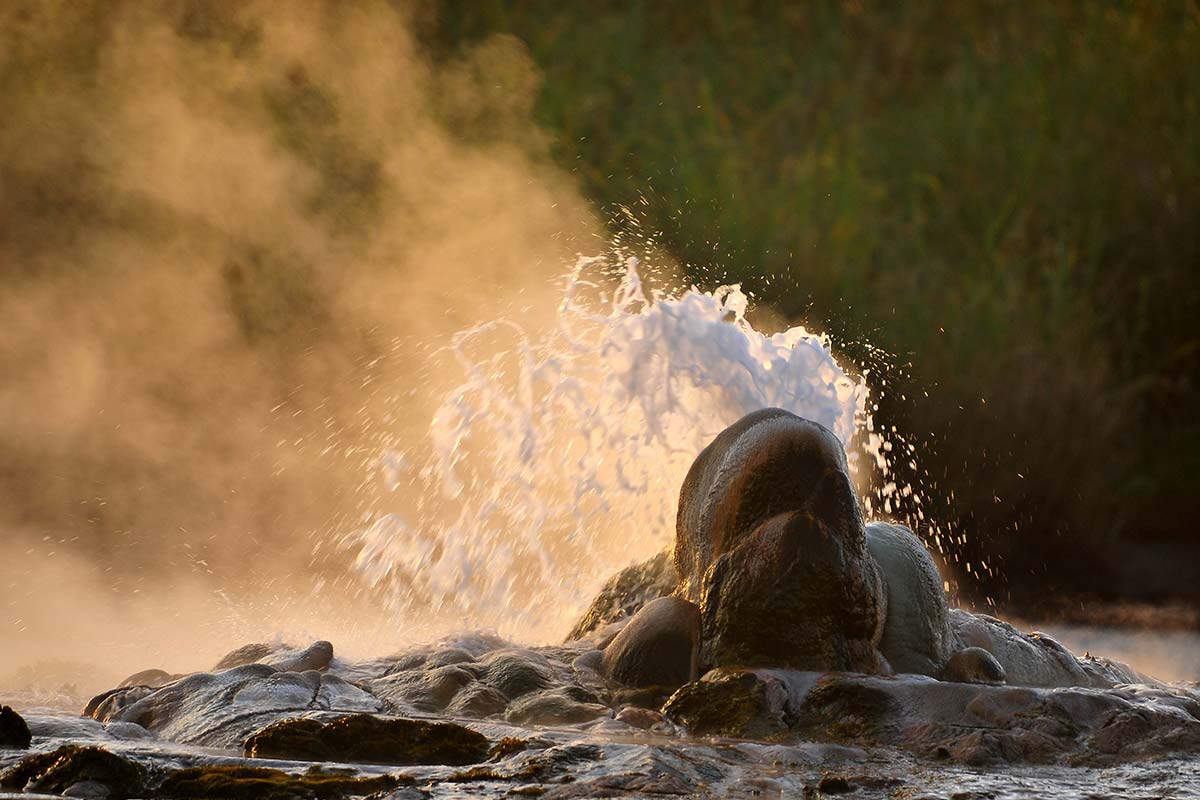
The Male Spring is deeper and often more turbulent, with visibly rising steam and bubbling water that emphasizes the geothermal activity beneath the surface. In contrast, the Female Spring is gentler and shallower, making it safer for bathing and more suitable for visitors seeking a relaxed immersion in warm water. The surrounding forest contributes to a serene ambiance, with endemic birds, butterflies, and forest vegetation enhancing the sensory experience.
Cultural Significance and Local Beliefs
Local communities have long attributed spiritual and healing properties to Sempaya Hot Springs. Traditionally, the Male Spring is associated with masculine energy and strength, while the Female Spring is linked to fertility, cleansing, and healing. Ceremonial baths and rituals are occasionally conducted under the supervision of local elders or cultural custodians, offering visitors insight into indigenous practices and beliefs.
These cultural associations make Sempaya Hot Springs more than a natural attraction; they are living cultural landmarks that blend geology, ecology, and anthropology. Visitors are encouraged to approach the site with respect, acknowledging both its natural and cultural importance.
Visiting the Springs: Tips and Safety
Access to Sempaya Hot Springs is via guided trails within Semuliki National Park. The site is well-marked, and guides provide contextual information about the geothermal activity, surrounding flora and fauna, and local customs.
Safety is a primary consideration. Water temperatures can be high, particularly in the Male Spring, and mineral-rich water can irritate sensitive skin or eyes. Visitors should test water temperatures carefully and avoid prolonged immersion in the Male Spring. Footwear suitable for wet and slippery paths is recommended, and caution should be exercised around bubbling pools and steep banks.
Photography is encouraged, but visitors should maintain respectful distances from local rituals or bathing areas. Guides can also help interpret local myths, ecological features, and the best times to visit for observing wildlife or capturing scenic shots.
Wildlife and Ecological Context
The area surrounding Sempaya Hot Springs is rich in biodiversity. Forest elephants, duikers, primates, and a variety of birds inhabit the rainforest, providing opportunities for complementary wildlife observation. The combination of geothermal features and dense forest creates microhabitats for amphibians, insects, and plant species unique to the area.
Early morning visits may coincide with increased animal activity, including birdsong and forest mammal movements, enhancing the overall sensory experience. Observing wildlife alongside geothermal features gives visitors a broader understanding of the interdependence of ecological and geological processes in Semuliki National Park.
Accessibility and Visitor Logistics
Sempaya Hot Springs are accessible from Fort Portal or Bundibugyo town, with travel through the park arranged via guided tours. Park entrance fees apply, and hiring a trained ranger or guide is strongly recommended for safety and interpretive purposes.
Visitors should bring water, suitable walking shoes, swimwear for optional bathing, and insect repellent due to the rainforest environment. Overnight accommodations are available at eco-lodges and community camps near the park, allowing for early morning or late afternoon visits when temperatures are moderate and wildlife activity is highest.
Seasonal Considerations
The best time to visit Sempaya Hot Springs is during the dry season, from December to February and June to September, when trails are easier to navigate and forest conditions are less slippery. During the wet season, heavy rainfall can make paths muddy and increase water flow into the springs, occasionally affecting accessibility.
Wildlife viewing around the springs is also influenced by seasonal changes. During the dry season, animals may congregate near water sources, increasing chances of observing forest elephants, monkeys, and birds. In contrast, the wet season brings lush greenery, colorful flora, and active insect populations, enhancing the overall visual and sensory experience.
Complementary Activities
A visit to Sempaya Hot Springs can be combined with other Semuliki National Park attractions. Birdwatching, forest walks, primate tracking, and hot spring photography offer a diverse and educational experience. Local community visits provide additional cultural context, including traditional crafts, storytelling, and culinary experiences.
Guided interpretation helps visitors understand the ecological, geological, and cultural significance of the springs, creating a multi-dimensional experience that goes beyond simple bathing or sightseeing.
A Unique Geothermal and Cultural Experience
Sempaya Hot Springs in Semuliki National Park provide a rare combination of geological wonder, ecological richness, and cultural heritage. The Male and Female Springs each offer distinct experiences, from geothermal spectacle to therapeutic bathing, set amidst one of Uganda’s most biodiverse forests.
For tourists, researchers, and wellness seekers, Sempaya Hot Springs offer not only a chance to connect with nature but also a window into the traditions and ecological dynamics of the Congo Basin lowlands. With careful planning, respect for local customs, and awareness of safety considerations, a visit to these springs becomes an unforgettable highlight of any journey to Uganda’s unique rainforest ecosystems.