
Impacts of Greenspot Campaign
Understanding the Greenspot Campaign
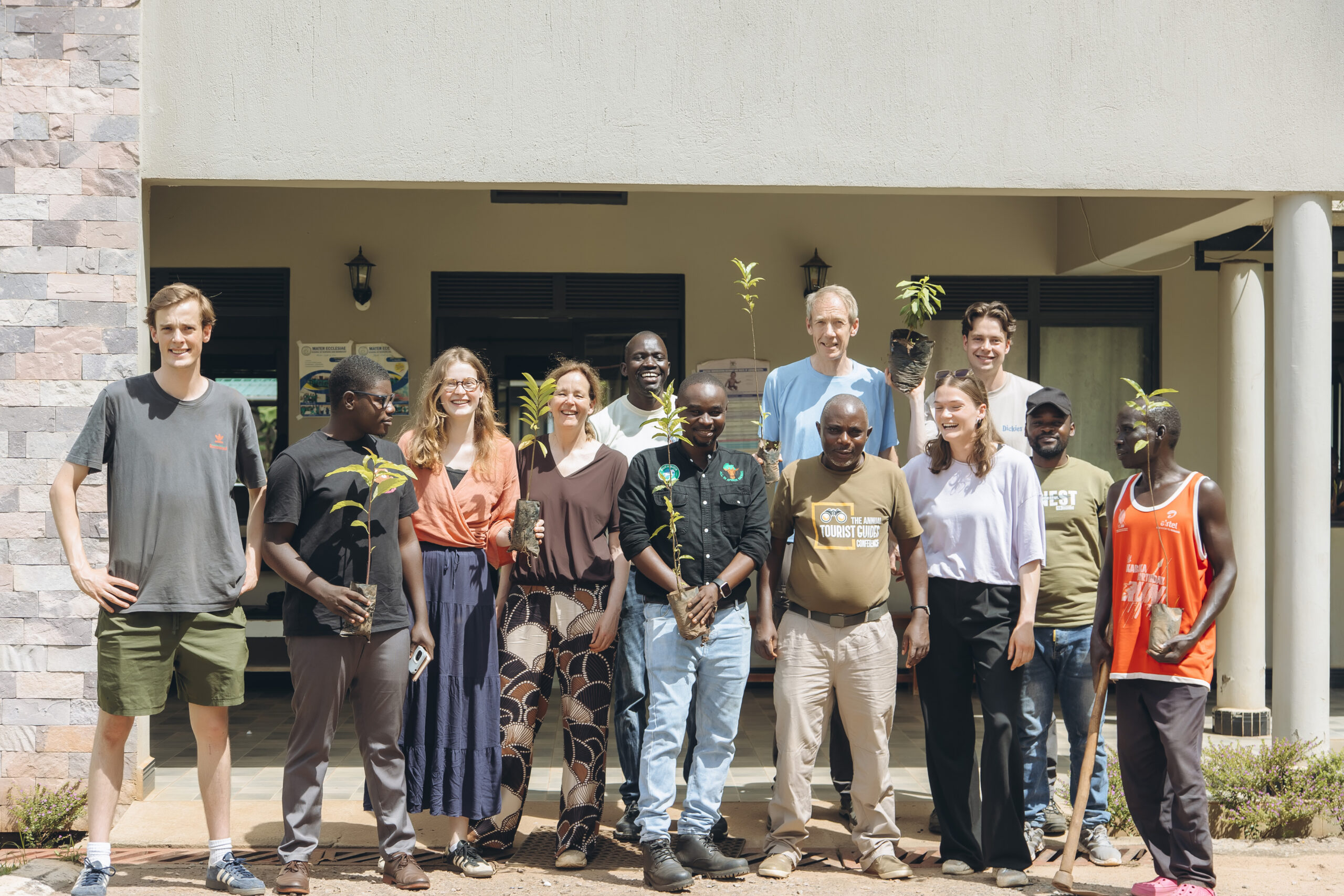
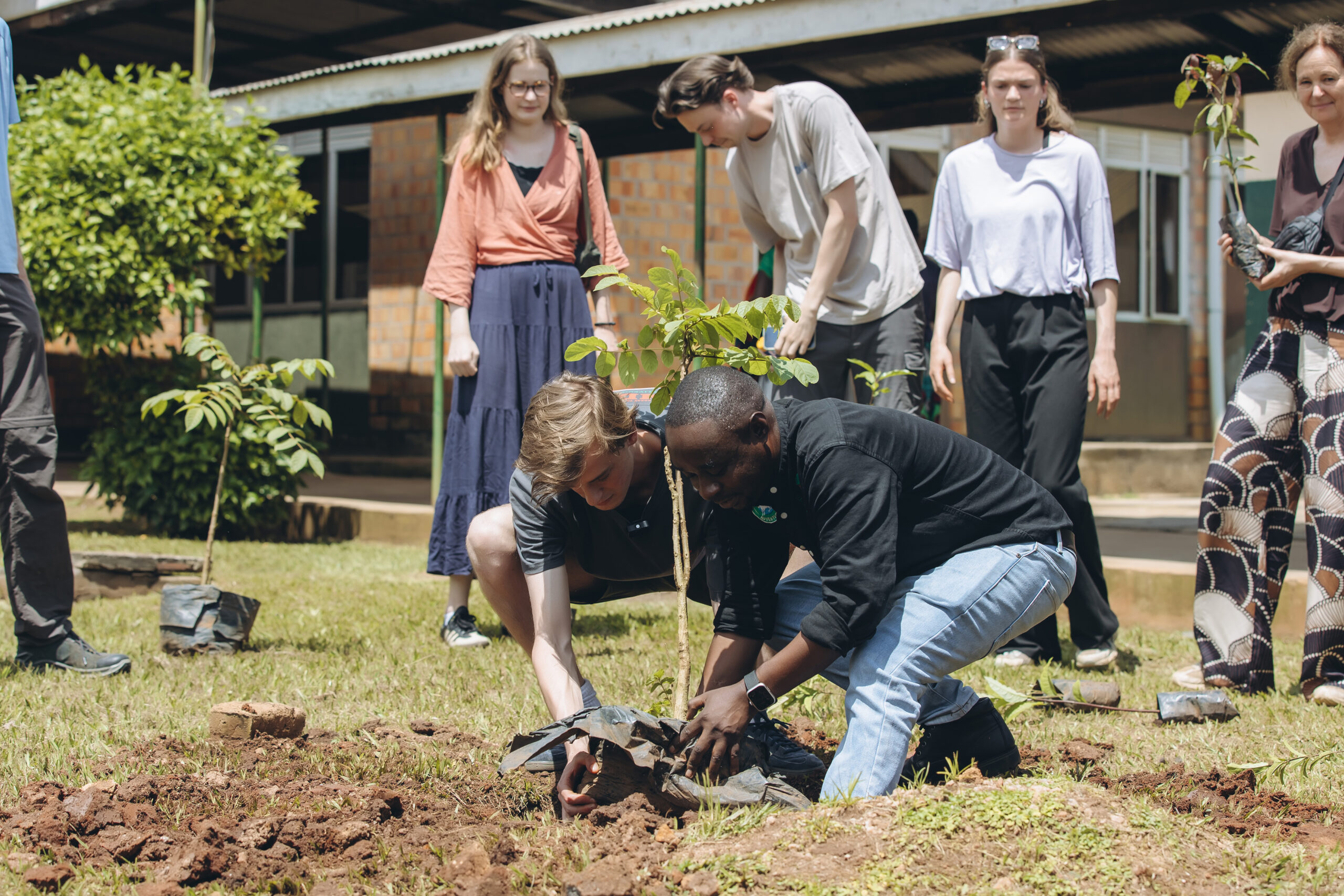
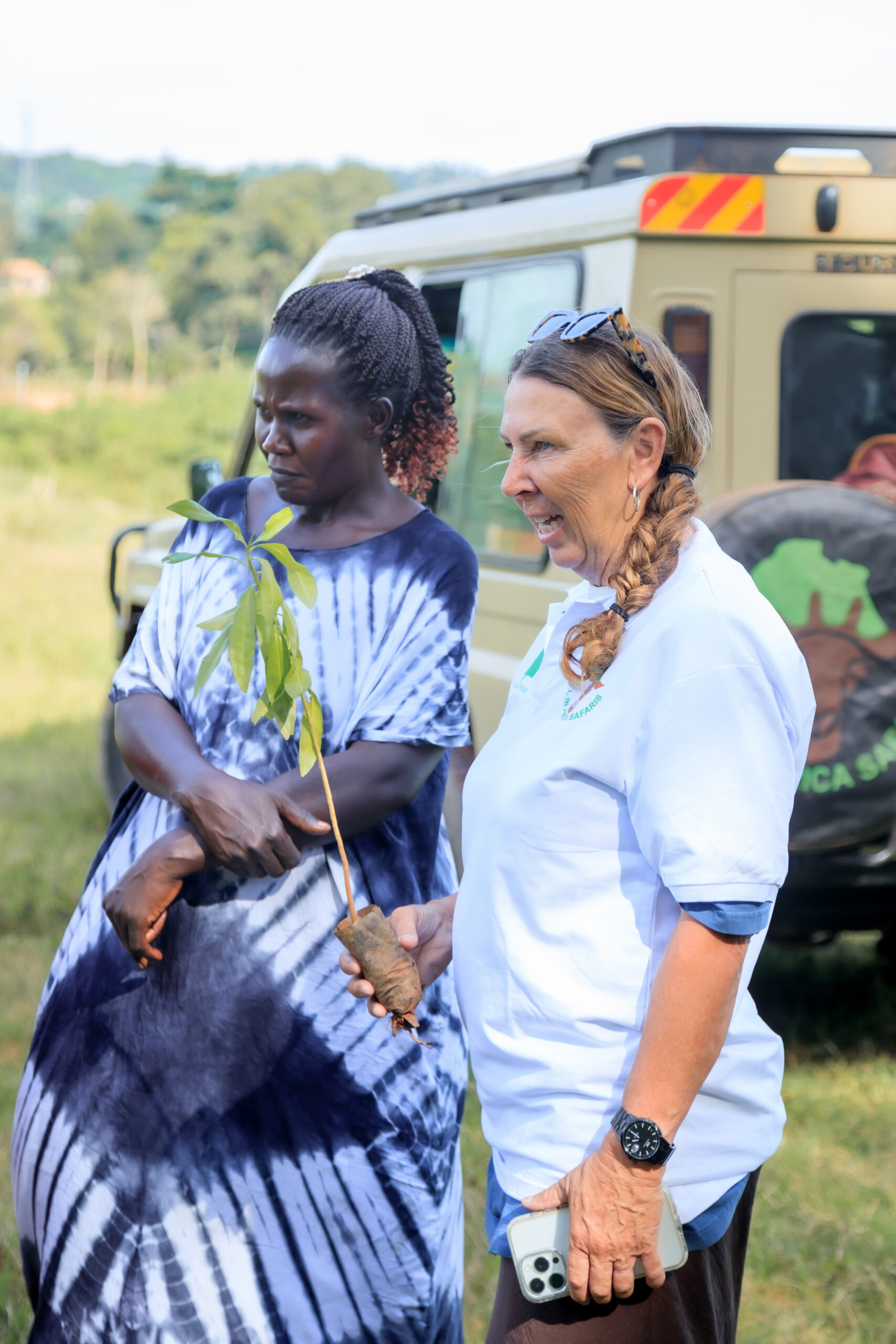
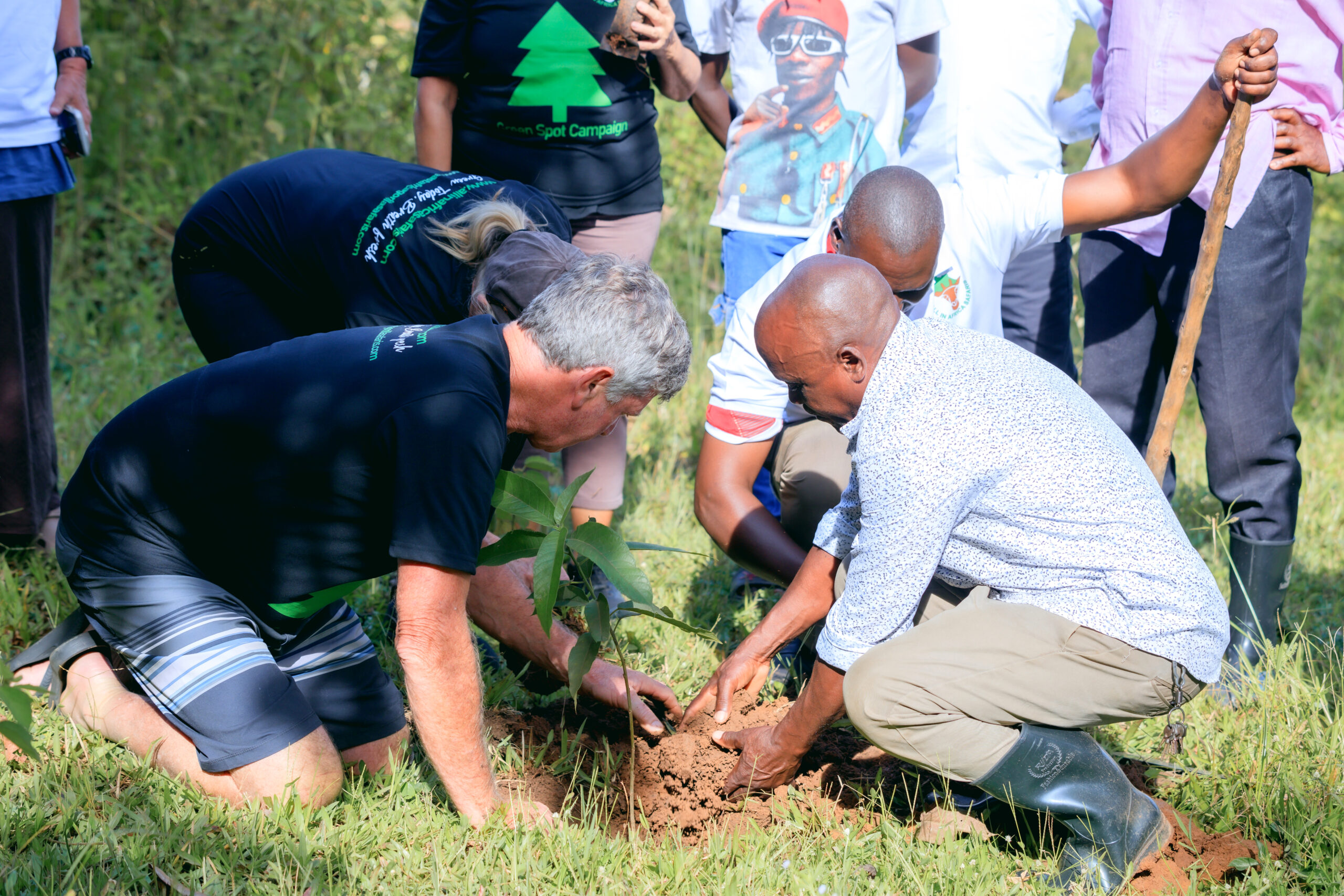
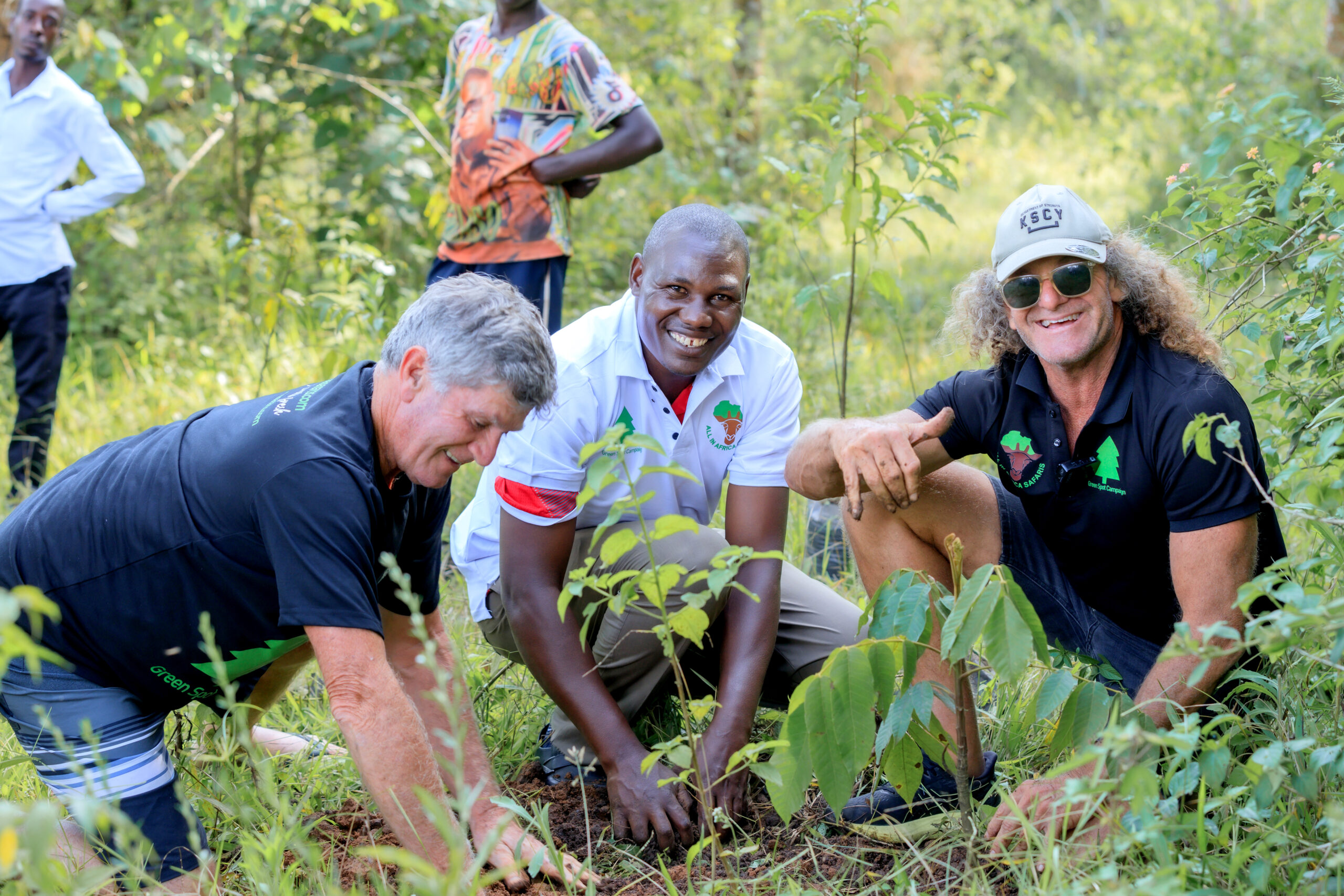
The Greenspot Campaign is an environmental and community-focused initiative aimed at promoting tree planting, environmental conservation, climate awareness, and sustainable living practices. Through activities such as reforestation, school greening programs, community clean-up exercises, environmental education, and climate action awareness, the campaign contributes to both ecological restoration and social development.
In countries across East Africa, environmental challenges such as deforestation, soil erosion, climate change, flooding, poor waste management, and loss of biodiversity continue to affect communities, agriculture, wildlife, and public health. Campaigns like Greenspot help address these challenges by mobilizing schools, youth groups, local communities, conservation organizations, and volunteers to participate in environmental protection activities.
The impacts of the Greenspot Campaign extend beyond simply planting trees. The initiative contributes to environmental sustainability, economic resilience, public awareness, climate adaptation, and community empowerment.
Environmental Restoration and Reforestation
One of the most visible impacts of the Greenspot Campaign is environmental restoration through tree planting and reforestation activities.
Many regions in East Africa have experienced significant deforestation due to:
Agricultural expansion
Charcoal burning
Urbanization
Illegal logging
Population pressure
Tree planting initiatives under the Greenspot Campaign help restore degraded landscapes by increasing forest cover and improving ecological balance.
Newly planted trees contribute to:
Restoring natural habitats
Reducing land degradation
Improving ecosystem stability
Enhancing environmental resilience
Reforestation also supports the recovery of areas previously affected by excessive tree cutting and environmental destruction.
Combating Climate Change
The Greenspot Campaign plays an important role in climate change mitigation and adaptation.
Trees absorb carbon dioxide from the atmosphere, helping reduce greenhouse gas concentrations that contribute to global warming.
As tree cover increases, communities benefit from:
Improved carbon sequestration
Reduced heat levels
Better rainfall regulation
Enhanced climate resilience
Climate change has already affected many East African communities through:
Droughts
Flooding
Unpredictable rainfall
Crop failures
Water shortages
Environmental campaigns that encourage tree planting and conservation help communities adapt to these changing environmental conditions.
Soil Conservation and Reduced Erosion
Soil erosion is a major environmental problem in many parts of East Africa, especially in hilly and heavily cultivated regions.
The Greenspot Campaign helps reduce erosion through increased vegetation cover and root stabilization.
Trees and plants help:
Hold soil together
Reduce surface runoff
Improve soil fertility
Protect farmland from degradation
This is especially important for farming communities that depend on healthy soils for agriculture and food production.
In areas vulnerable to landslides or heavy rains, tree planting also helps reduce environmental risks and land instability.






Improvement of Air Quality
Trees planted through the Greenspot Campaign contribute to cleaner and healthier air.
Vegetation absorbs pollutants, dust, and carbon dioxide while releasing oxygen into the atmosphere.
Improved air quality benefits communities by:
Reducing pollution levels
Supporting respiratory health
Creating healthier urban and rural environments
In growing towns and cities where pollution is increasing due to traffic and urbanization, urban greening initiatives become especially important.
Protection of Water Sources
Forests and vegetation play a major role in protecting water systems and maintaining healthy watersheds.
Tree planting around rivers, wetlands, springs, and catchment areas helps:
Improve water retention
Reduce sedimentation
Protect water quality
Support groundwater recharge
The Greenspot Campaign contributes to long-term water conservation by encouraging environmental protection around critical water sources.
This becomes increasingly important as climate change and population growth place greater pressure on freshwater resources.
Biodiversity Conservation
The campaign also supports biodiversity protection by helping restore habitats for birds, insects, and wildlife.
Deforestation and environmental destruction often lead to habitat loss and declining biodiversity.
Tree planting and ecosystem restoration can help:
Create shelter for wildlife
Support pollinators such as bees and butterflies
Restore ecological balance
Protect indigenous plant species
Although small-scale planting projects may seem limited individually, collective community efforts can significantly improve local biodiversity over time.
Environmental Education and Awareness
One of the most important long-term impacts of the Greenspot Campaign is environmental education.
The campaign often involves:
Schools
Youth organizations
Community groups
Volunteers
Local leaders
Participants learn about:
Climate change
Conservation practices
Waste management
Sustainable resource use
Importance of forests and biodiversity
Environmental awareness helps communities develop long-term conservation attitudes and responsible environmental behavior.
Young people especially gain knowledge that can influence future environmental decision-making and leadership.
School Greening and Youth Engagement
Many Greenspot activities focus on schools and youth participation.
School greening programs encourage students to:
Plant and care for trees
Learn environmental responsibility
Participate in sustainability projects
Develop leadership and teamwork skills
School compounds become greener, healthier, and more environmentally friendly learning spaces.
Youth engagement is particularly important because younger generations will face many future environmental challenges linked to climate change and sustainability.
Community Empowerment and Participation
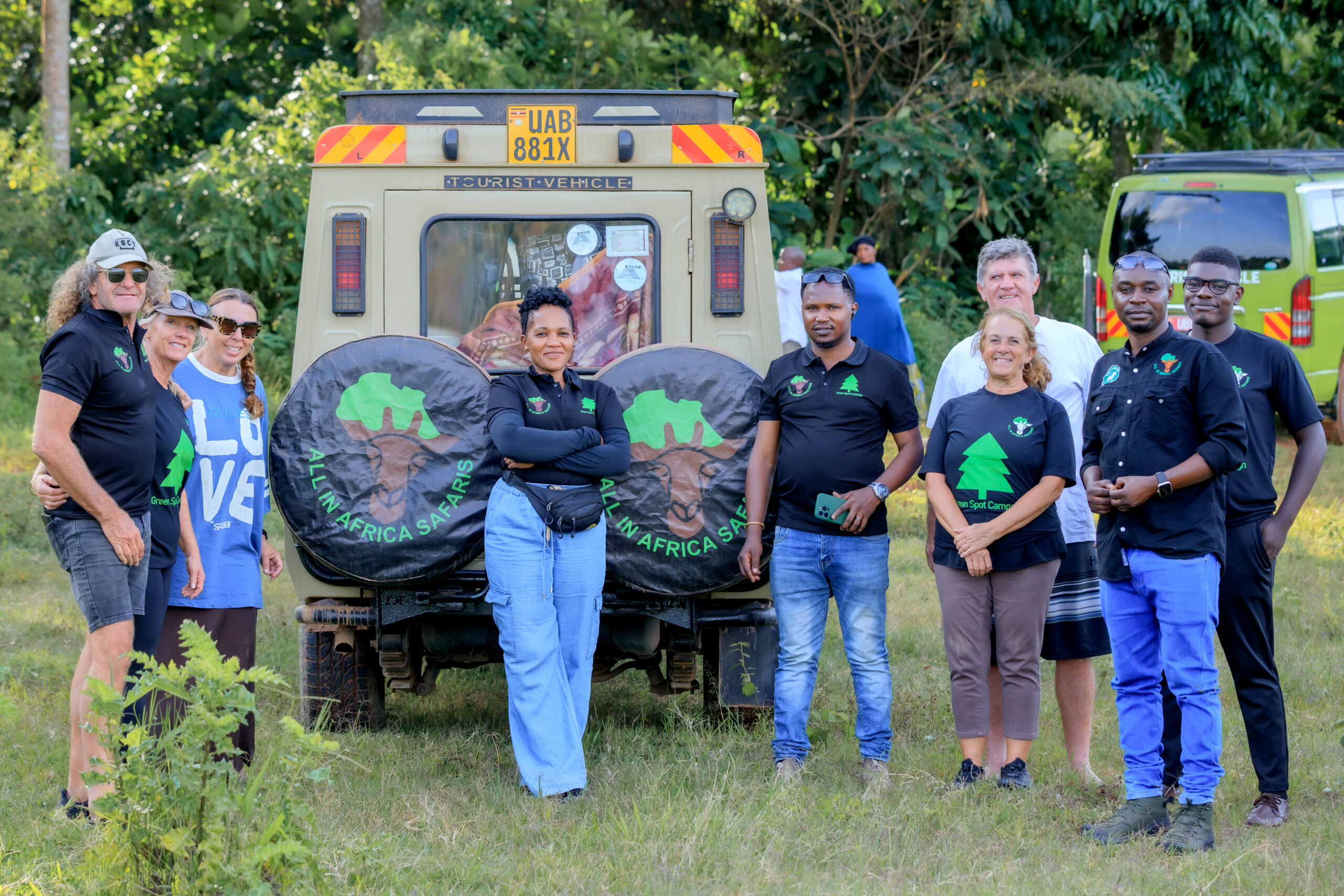
The Greenspot Campaign encourages active community participation in environmental protection.
Community-based activities such as:
Tree planting days
Clean-up campaigns
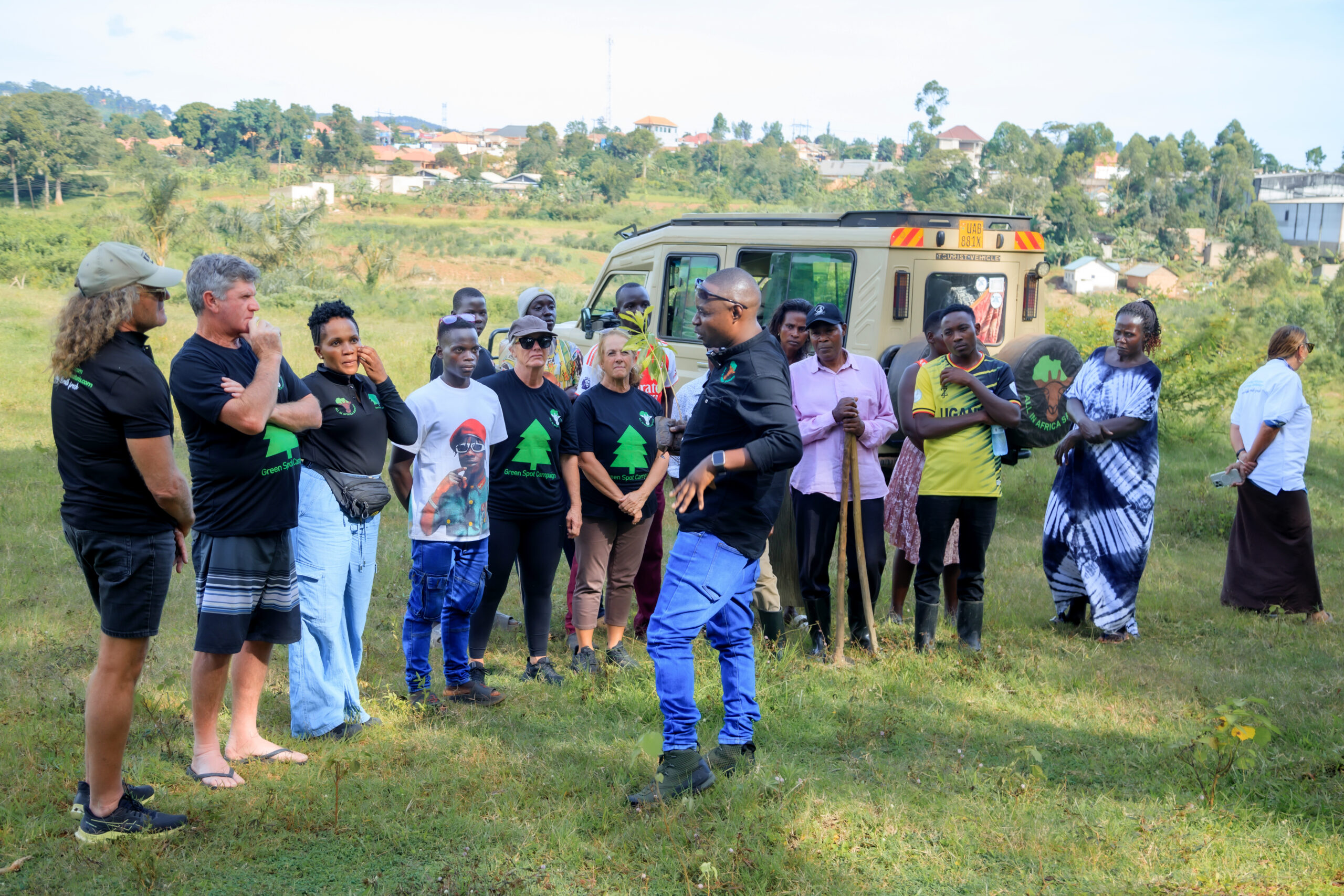
Environmental workshops
Village greening projects
help strengthen cooperation and social unity.
Communities become directly involved in improving their own environment rather than depending entirely on external organizations or governments.
This sense of ownership often increases the sustainability of environmental initiatives.
Economic Benefits for Communities
Environmental conservation can also generate economic benefits.
Tree planting initiatives may contribute to:
Fruit production
Timber resources
Agroforestry opportunities
Improved agricultural productivity
Employment in nursery management and conservation work
Greener environments may also support tourism, especially in eco-tourism and conservation-focused areas.
Some campaigns encourage communities to plant economically useful tree species that provide long-term income opportunities while also supporting environmental goals.
Urban Beautification and Public Spaces
In towns and cities, Greenspot activities help improve urban environments through beautification and greening projects.
Tree-lined streets, cleaner public areas, and green spaces contribute to:
More attractive neighborhoods
Reduced urban heat
Improved mental well-being
Better recreational environments
Urban greening also helps counter some negative effects of rapid urbanization.
Promotion of Sustainable Living Practices
The Greenspot Campaign often promotes broader sustainability practices beyond tree planting.
These may include:
Recycling and waste reduction
Plastic pollution awareness
Organic farming methods
Sustainable energy awareness
Responsible resource use
Such activities encourage environmentally conscious lifestyles within communities.
Strengthening Conservation Culture
Over time, repeated environmental campaigns help build a stronger conservation culture within society.
Communities begin to see environmental protection not as a temporary activity but as a shared long-term responsibility.
This cultural shift is important because sustainable environmental management depends heavily on public attitudes and behavior.
Challenges Facing Environmental Campaigns
Despite positive impacts, campaigns like Greenspot also face several challenges.
These may include:
Limited funding
Poor long-term maintenance of planted trees
Land ownership issues
Climate-related drought affecting seedlings
Low community follow-up after planting events
Tree planting alone is not enough if long-term monitoring and care are neglected.
Successful environmental restoration requires:
Continuous community involvement
Education and follow-up
Water access for seedlings
Protection from grazing and deforestation
Importance of Tree Monitoring and Care
One of the most critical aspects of the Greenspot Campaign is post-planting care.
Many environmental initiatives fail because planted trees are not maintained properly.
Tree monitoring includes:
Watering young trees
Replacing dead seedlings
Protecting trees from damage
Monitoring growth rates
Managing pests and diseases
Sustained care ensures higher survival rates and long-term environmental impact.
Long-Term Impact on Future Generations
The greatest impact of campaigns like Greenspot may be their long-term influence on future generations.
Environmental awareness developed today can shape:
Future leadership
Community planning
Conservation policy
Climate resilience strategies
Sustainable economic development
By involving youth, schools, and local communities, the campaign helps create environmentally conscious citizens who are more likely to protect natural resources in the future.
Conclusion: Building Greener and More Sustainable Communities
The Greenspot Campaign demonstrates how environmental action can create broad ecological, social, educational, and economic benefits.
Through tree planting, conservation awareness, school greening, and community engagement, the campaign contributes to restoring ecosystems, combating climate change, improving public awareness, and empowering local communities.
Its impacts go far beyond planting seedlings. The initiative helps build a culture of environmental responsibility, resilience, and sustainability that can positively influence communities for generations.
As environmental challenges continue to grow across East Africa and the world, campaigns like Greenspot remain important tools for promoting conservation, climate action, and healthier communities through collective local participation.