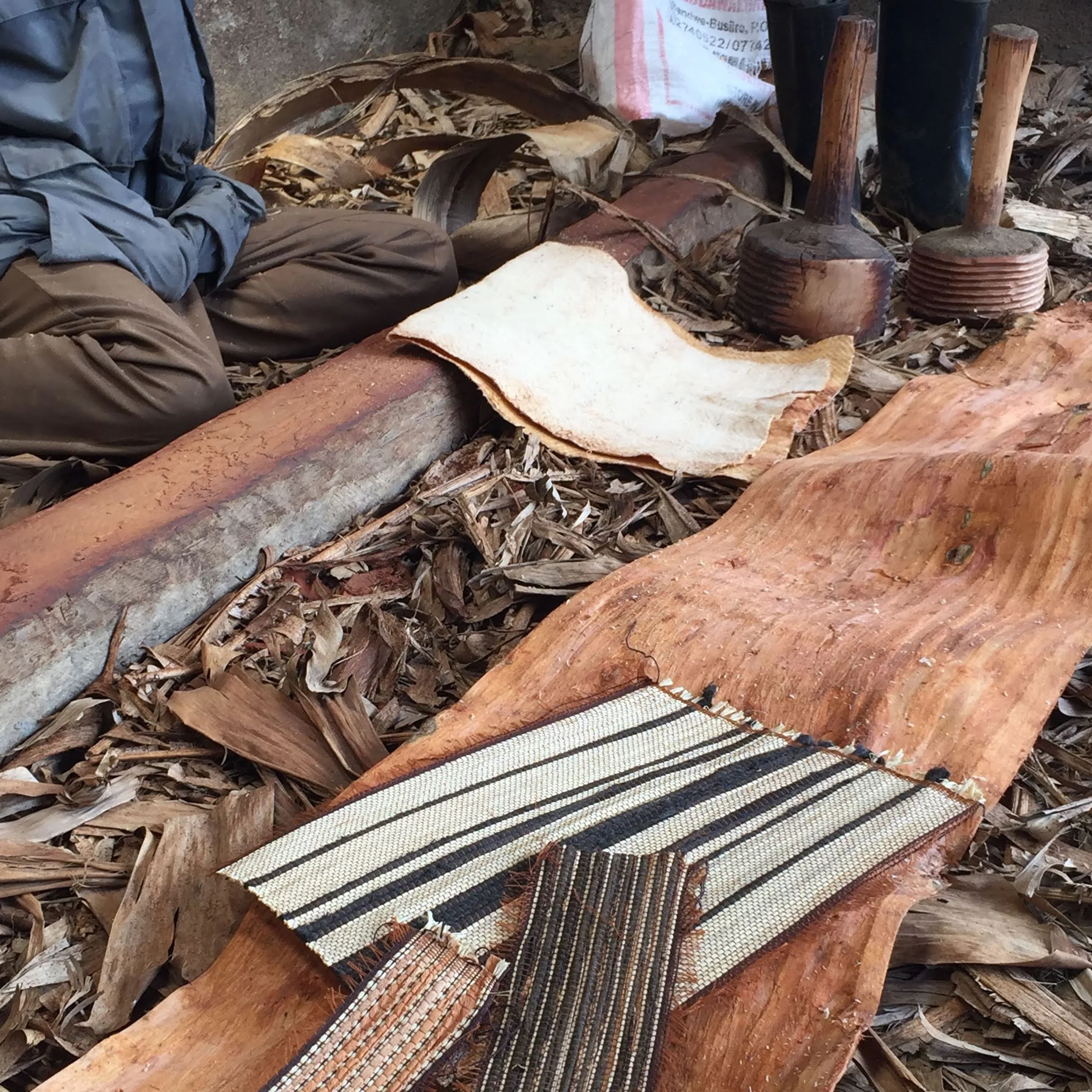
Bark Cloth Making in Uganda: The Living Craft Recognised by UNESCO
Uganda is home to many cultural traditions that have survived for centuries, but few are as remarkable as bark cloth making. Long before modern textiles became widely available, communities in central Uganda were producing cloth from the bark of trees using techniques that continue to be practiced today. This extraordinary craft has become one of the country’s most important cultural treasures and is recognised internationally for its historical and cultural significance.
Bark cloth is more than a traditional fabric. It represents a living connection between Uganda’s past and present. For generations, artisans have carefully harvested bark from indigenous trees and transformed it into soft, durable cloth used for ceremonies, cultural practices, fashion, and decorative art.
The cultural importance of bark cloth has earned global recognition. It was proclaimed a Masterpiece of the Oral and Intangible Heritage of Humanity and later inscribed on UNESCO’s Representative List of the Intangible Cultural Heritage of Humanity. This recognition acknowledges both the uniqueness of the craft and the need to preserve it for future generations.
Today, bark cloth continues to attract visitors interested in cultural tourism, traditional craftsmanship, and sustainable heritage experiences. It remains one of the most authentic souvenirs travelers can purchase while exploring Uganda.
What Is Bark Cloth?
Bark cloth is a natural textile made from the inner bark of the mutuba tree, commonly known as the fig tree. Unlike woven fabrics made from cotton or synthetic materials, bark cloth is produced entirely through a traditional process that requires skill, patience, and specialized knowledge.
The finished cloth is soft, lightweight, and naturally brown or terracotta in colour. Depending on how it is prepared, bark cloth can vary in thickness and texture. It can be used for clothing, ceremonial garments, decorative items, artwork, and modern fashion accessories.
What makes bark cloth particularly fascinating is that the tree itself is not cut down during production. Instead, the bark is carefully removed in a sustainable manner, allowing it to regenerate naturally over time. A single mutuba tree can continue producing bark for several decades when properly maintained.
This environmentally friendly approach makes bark cloth one of the world’s oldest examples of sustainable textile production.
The History of Bark Cloth in Uganda
Bark cloth has been produced in Uganda for hundreds of years and holds special significance within the Buganda Kingdom. Historically, it was worn by kings, chiefs, and members of the royal court. It also played an important role in traditional ceremonies and cultural rituals.
Long before imported fabrics became available, bark cloth was widely used throughout central Uganda for clothing and ceremonial purposes. It was considered a symbol of identity, status, and cultural heritage.
The craft became closely associated with royal traditions. Certain types of bark cloth were reserved for important cultural events and members of the royal family. Even today, bark cloth continues to be used during coronations, funerals, and other traditional ceremonies.
Despite the introduction of modern textiles, artisans have successfully preserved the ancient techniques that make bark cloth production possible.
The continued survival of this craft demonstrates the resilience of Uganda’s cultural heritage and the dedication of the communities that practice it.
Why UNESCO Recognised Bark Cloth Making
UNESCO recognised Ugandan bark cloth making because of its exceptional cultural value and its status as one of humanity’s oldest textile traditions.
The organisation identified the craft as an important example of intangible cultural heritage that deserves international protection and promotion. Unlike monuments or historical buildings, intangible cultural heritage refers to traditions, practices, and knowledge that are passed from one generation to another.
Bark cloth making satisfies all of these criteria. The techniques used today are largely unchanged from those practiced centuries ago. Artisans continue to teach younger generations, ensuring that the knowledge survives.
UNESCO’s recognition has helped raise international awareness about bark cloth and encouraged cultural preservation efforts throughout Uganda.
The designation has also contributed to the growth of cultural tourism by attracting visitors interested in learning about traditional craftsmanship and indigenous knowledge systems.
How Bark Cloth Is Made
The production of bark cloth remains a fascinating and labour-intensive process.
The journey begins with the mutuba tree. Artisans carefully harvest the bark during the rainy season when it can be removed more easily without damaging the tree. Great care is taken to ensure that the tree remains healthy and capable of producing new bark in the future.
Once the bark has been removed, it is wrapped in fresh banana leaves to retain moisture and soften its fibres. This stage is essential because it prepares the material for the lengthy beating process that follows.
Traditional wooden mallets of different sizes and shapes are then used to repeatedly beat the bark over several hours. The process gradually stretches and softens the material, transforming it into cloth. Skilled artisans know precisely how much pressure and technique are required to achieve the desired texture and thickness.
The beating process can significantly increase the size of the original bark while creating the distinctive appearance associated with traditional bark cloth.
After drying naturally, the cloth is ready for use or further artistic enhancement.
The entire production process is completed without modern machinery, making bark cloth one of the world’s most authentic handmade textiles.
The Mutuba Tree and Sustainability
One of the most remarkable aspects of bark cloth production is its sustainability.
The mutuba tree is not destroyed during harvesting. After the bark has been removed, the tree is wrapped with banana leaves to protect it and encourage regeneration. Within approximately one year, new bark begins to grow, allowing future harvesting without harming the tree.
Some mutuba trees have been harvested repeatedly for more than sixty years, demonstrating the effectiveness of traditional conservation practices.
In an era where sustainable fashion and environmentally responsible production methods are receiving increasing attention, bark cloth serves as an excellent example of how traditional knowledge can contribute to modern sustainability discussions.
The craft represents a perfect balance between cultural preservation and environmental responsibility.
Bark Cloth in Modern Uganda
Although bark cloth has deep historical roots, it continues to evolve in contemporary Uganda.
Modern designers and artists are finding innovative ways to incorporate bark cloth into fashion, interior décor, and fine art. The material is now used to create handbags, jewellery, wall art, lampshades, journals, and home accessories.
Ugandan fashion designers have introduced bark cloth to international audiences by incorporating it into modern clothing collections. Its unique texture and natural appearance make it particularly appealing within sustainable fashion markets.
Museums, galleries, and cultural institutions regularly display bark cloth as both a historical artifact and a contemporary artistic medium.
This blend of tradition and innovation has helped ensure that bark cloth remains relevant in today’s world while preserving its cultural significance.
Cultural Tourism and Bark Cloth Experiences
Bark cloth making has become an increasingly popular cultural tourism experience in Uganda.
Visitors can observe artisans demonstrating traditional production techniques and learn about the cultural history of the craft. Watching skilled craftsmen transform tree bark into cloth using centuries-old methods provides a fascinating insight into Uganda’s heritage.
Cultural tourism experiences often include opportunities to interact with artisans, explore traditional workshops, and purchase handmade bark cloth products.
These experiences create meaningful connections between travelers and local communities while contributing directly to cultural preservation efforts.
Tourists interested in history, art, sustainability, and indigenous knowledge systems often describe bark cloth demonstrations as one of the highlights of their cultural journeys through Uganda.
The growing popularity of cultural tourism continues to support artisans and encourage younger generations to learn the craft.
Why Bark Cloth Matters Today
In many parts of the world, traditional crafts are disappearing as younger generations pursue modern careers and imported products replace locally made goods.
Bark cloth making offers an inspiring example of successful cultural preservation. Its continued relevance demonstrates that traditional knowledge can coexist with modern innovation and international recognition.
The craft provides economic opportunities for artisans while strengthening cultural identity within local communities.
It also encourages conversations about sustainability, responsible tourism, and the value of protecting intangible cultural heritage.
For Uganda, bark cloth represents much more than a traditional textile. It serves as a powerful symbol of resilience, creativity, and cultural pride.
Its UNESCO recognition has brought international attention to one of Africa’s oldest living traditions and continues to inspire efforts aimed at preserving indigenous knowledge for future generations.
Why Travelers Should Buy Authentic Bark Cloth
Travelers seeking authentic souvenirs often find bark cloth products particularly meaningful. Unlike mass-produced items, every piece reflects generations of craftsmanship and cultural history.
Purchasing handmade bark cloth products supports local artisans and contributes to preserving an internationally recognised cultural tradition.
Whether displayed as artwork or incorporated into everyday life, bark cloth serves as a reminder of Uganda’s rich heritage and the remarkable skills of its artisans.
Visitors frequently appreciate the fact that bark cloth is environmentally sustainable, culturally significant, and entirely handmade.
By choosing authentic bark cloth products, travelers are supporting cultural preservation while taking home a unique piece of Uganda’s living history.
A Living Tradition Worth Celebrating
Bark cloth making remains one of Uganda’s most extraordinary cultural treasures. Its history stretches back centuries, yet it continues to adapt and thrive in the modern world.
Recognised by UNESCO for its cultural importance, this living craft stands as a testament to the ingenuity and resilience of Uganda’s artisans. From the sustainable harvesting of the mutuba tree to the meticulous hand-beating techniques used to create the finished cloth, every stage of production reflects generations of accumulated knowledge.
For travelers exploring Uganda’s cultural heritage, bark cloth offers something truly special. It tells the story of a people who have preserved their traditions while embracing new opportunities to share them with the world.
In an age of mass production and disposable fashion, Uganda’s bark cloth serves as a reminder that some of humanity’s greatest creations are rooted in tradition, sustainability, and cultural pride.