Horse Riding Safari from the USA with All In Africa Safaris
Overview of Horse Riding Safaris in East Africa
Horse riding safaris offer a unique and immersive way to explore Africa’s wilderness, allowing travelers to experience wildlife at ground level in a quiet and natural setting. For travelers departing from the United States, organizing a horse riding safari with All In Africa Safaris provides a seamless journey into the heart of East Africa’s iconic landscapes.
Unlike traditional vehicle safaris, horseback safaris bring you closer to nature, where animals perceive you as part of the environment rather than a threat. This creates intimate encounters with zebras, giraffes, antelopes, and even elephants in selected safe regions.
East Africa, particularly Uganda, Kenya, and Tanzania, offers diverse terrains ideal for horseback exploration, from savannah plains to riverbanks and volcanic highlands.
Planning Your Horse Riding Safari from the United States
Traveling from the United States to East Africa requires careful planning, including flights, visas, vaccinations, and itinerary design. Most international flights arrive through Entebbe, Nairobi, or Kilimanjaro gateways depending on your safari destination.
Flights typically connect through major international hubs, with total travel time ranging between 16 to 24 hours depending on routing and layovers. Once in Africa, domestic flights or road transfers take you to your horse riding safari destination.
Travel requirements include a valid passport, visas for your chosen country, and a yellow fever vaccination certificate, which is mandatory for entry into most East African nations. Travel insurance is strongly recommended, particularly for adventure activities like horseback safaris.
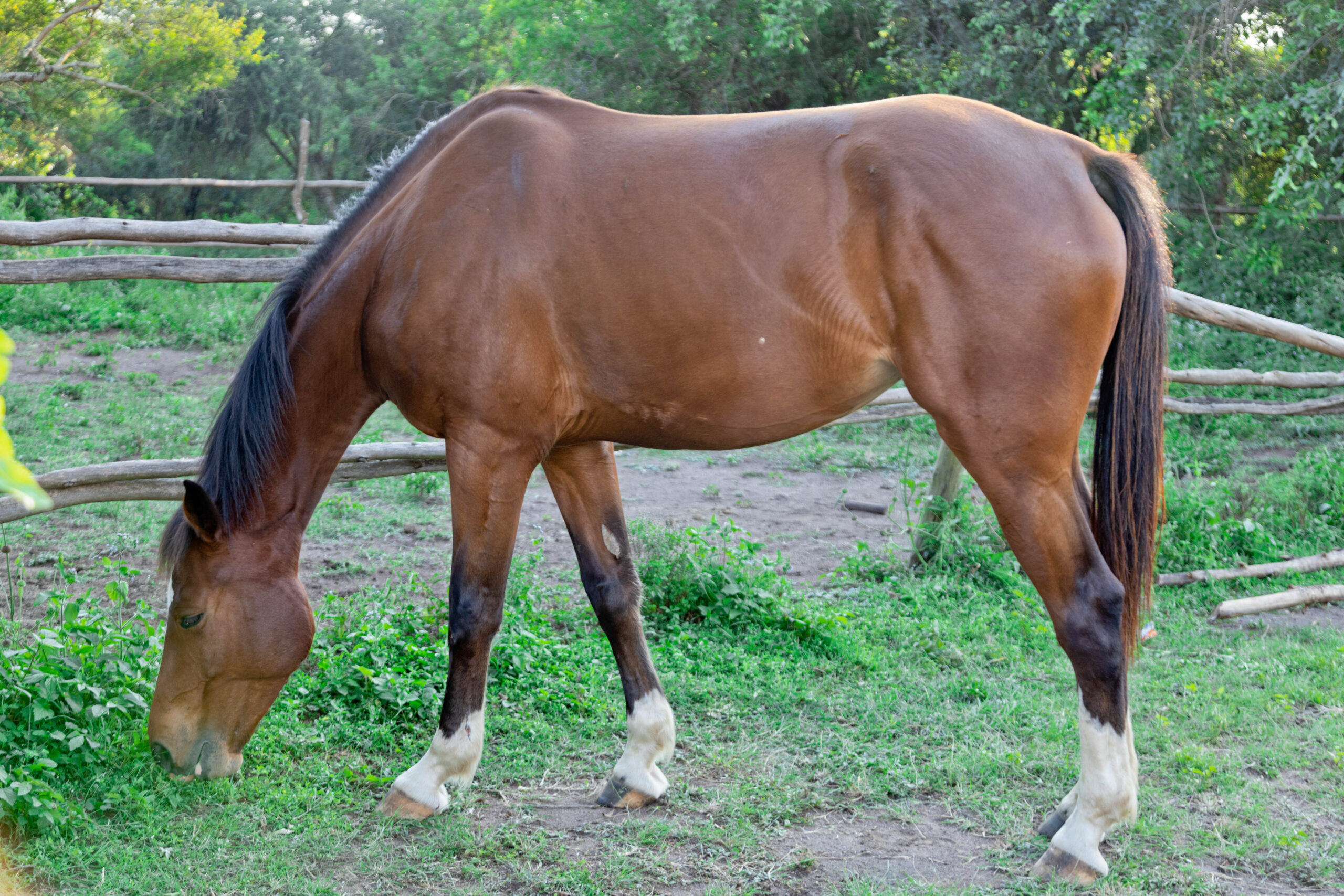
Horse Riding Safari Experiences in East Africa
Uganda Horse Riding Safaris
Uganda offers scenic horseback safaris around wildlife reserves and lakeshores, providing a relaxed yet thrilling experience. Riding near areas such as Lake Mburo National Park allows you to encounter zebras, impalas, elands, and buffalo on horseback.
The terrain in Uganda is varied and lush, offering a mix of savannah, woodland, and wetland environments, ideal for both beginner and experienced riders.
Kenya Horse Riding Safaris
Kenya is renowned for luxury horseback safaris in private conservancies, where riders can explore vast open plains without the crowds found in national parks.
Regions such as Laikipia Plateau and the Maasai Mara provide exceptional riding experiences, including opportunities to ride alongside wildlife like giraffes, zebras, and even view predators from a safe distance.
Kenya’s horseback safaris often combine luxury lodges with guided riding excursions, ensuring comfort and safety while maximizing wildlife encounters.
Tanzania Horse Riding Safaris
Tanzania offers some of the most dramatic horseback safari landscapes, particularly around the Serengeti National Park and Ngorongoro Conservation Area.
While horseback riding inside national parks is limited, private reserves and surrounding areas provide exclusive access to wildlife-rich environments.
Riding during the Great Migration season adds a spectacular dimension, as you may witness herds of wildebeest and zebras moving across the plains.
What to Expect on a Horse Riding Safari
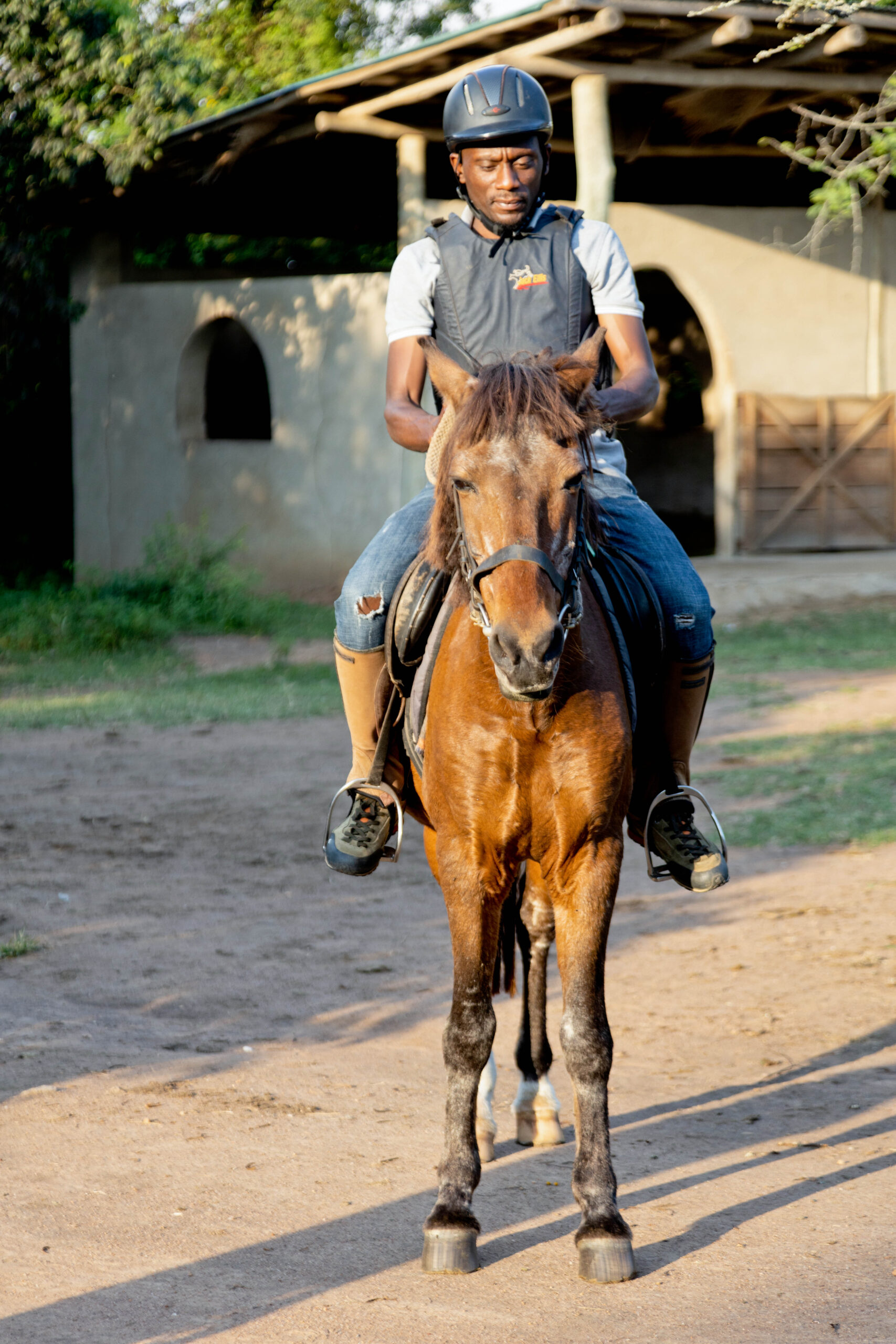
Horse riding safaris are tailored to different skill levels, from beginners to advanced riders. Professional guides and well-trained horses ensure safety and enjoyment throughout the experience.
Daily activities include guided rides, wildlife viewing, bush meals, and relaxation at lodges or camps. Riding durations vary from short scenic rides to full-day excursions depending on your itinerary.
Wildlife encounters are often more natural and less intrusive, as animals are less disturbed by horses than vehicles, offering unique photography opportunities and memorable moments.
Safety and Riding Requirements
Safety is a top priority on horseback safaris, with experienced guides accompanying all rides and providing instructions before each excursion.
Riders are usually required to have basic riding skills, especially for longer or more advanced safaris, although beginner-friendly options are available in certain locations.
Protective gear, including helmets, is often provided, and strict guidelines are followed when encountering large animals such as elephants or buffalo.
Best Time for Horse Riding Safaris
The best time for horseback safaris depends on the region and weather conditions.
Dry seasons, typically from June to October and December to February, offer excellent riding conditions, with easier terrain and concentrated wildlife around water sources.
Wet seasons provide lush landscapes and fewer crowds, though riding conditions may be more challenging due to muddy terrain and dense vegetation.
Why Choose All In Africa Safaris
All In Africa Safaris specializes in personalized safari experiences, ensuring seamless planning from international flights to local transfers and accommodation.
Their expertise in East African travel allows them to design tailored horseback safaris, combining wildlife viewing, cultural experiences, and luxury or mid-range accommodations.
With experienced guides, trusted partners, and attention to detail, they ensure a safe, immersive, and unforgettable horseback safari experience for travelers from the United States.
Final Thoughts on Horse Riding Safaris from the USA
Horse riding safaris offer a rare and intimate way to explore Africa’s wilderness, blending adventure, wildlife, and cultural immersion.
For travelers from the United States, partnering with All In Africa Safaris simplifies the journey, ensuring a well-organized and enriching experience from departure to return.
Whether riding across Uganda’s scenic landscapes, Kenya’s private conservancies, or Tanzania’s vast plains, a horseback safari promises unforgettable encounters and a deeper connection with nature.